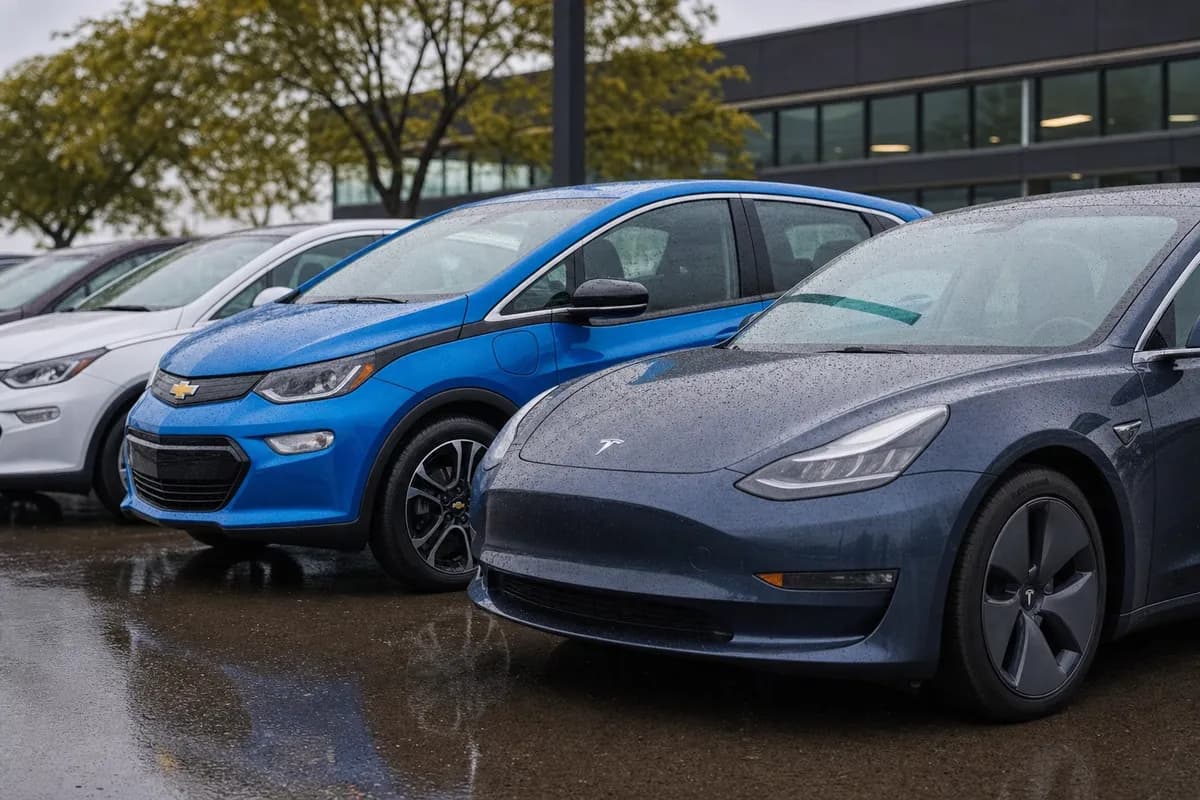
The used EV market is shifting from scarcity to surplus. In 2026, a heavy wave of off-lease electric cars is landing at auctions and dealer lots just as automakers discount new EVs to keep sales moving.
The used EV market is shifting from scarcity to surplus. In 2026, a heavy wave of off-lease electric cars is landing at auctions and dealer lots just as automakers discount new EVs to keep sales moving. The result is a sharp reset in resale values — and for shoppers, potentially the strongest bargain window yet on a Tesla Model 3 used price, a Hyundai Ioniq 5 used EV, or the growing pool of Ford Mustang Mach-E deals.
This is not simply a seasonal dip. It is the delayed effect of the 2021-2023 EV boom, when low interest rates, high gasoline prices, early-adopter demand and federal incentives pushed electric vehicles into leases at unusually high transaction prices. Those cars are now coming back. At the same time, newer EVs have longer range, faster charging, better software and richer incentives, forcing older models to compete on price.
For buyers who understand battery health, charging compatibility and tax-credit rules, used EV prices 2026 may represent a rare sweet spot: modern electric cars with meaningful warranty coverage left, often priced like compact gasoline sedans.
Why Used EV Prices Are Falling So Quickly
The first reason is supply. Many EVs leased in 2022 and 2023 are now reaching the end of 24-, 30- and 36-month contracts. That includes high-volume models such as the Tesla Model 3, Tesla Model Y, Ford Mustang Mach-E, Hyundai Ioniq 5, Kia EV6, Volkswagen ID.4 and Nissan Ariya. Lease returns typically move through captive finance companies, dealer certification programs and wholesale auctions, where a rising number of similar vehicles can push prices lower fast.
The second reason is new-car pressure. EV makers have spent the past two years using price cuts, subsidized leases, low APR financing and factory cash to stimulate demand. Those incentives do not stay isolated to the new-car showroom. When a new EV can be leased cheaply, the used version must fall enough to justify its age, mileage and older technology.
Tesla is the clearest example. The company’s repeated price adjustments on new Model 3 and Model Y vehicles changed consumer expectations for what a used Tesla should cost. A 2022 Model 3 Long Range that once transacted above $50,000 in some configurations now competes against newer Model 3 versions with updated interiors, better ride quality and fresh warranty coverage. That compresses used values.
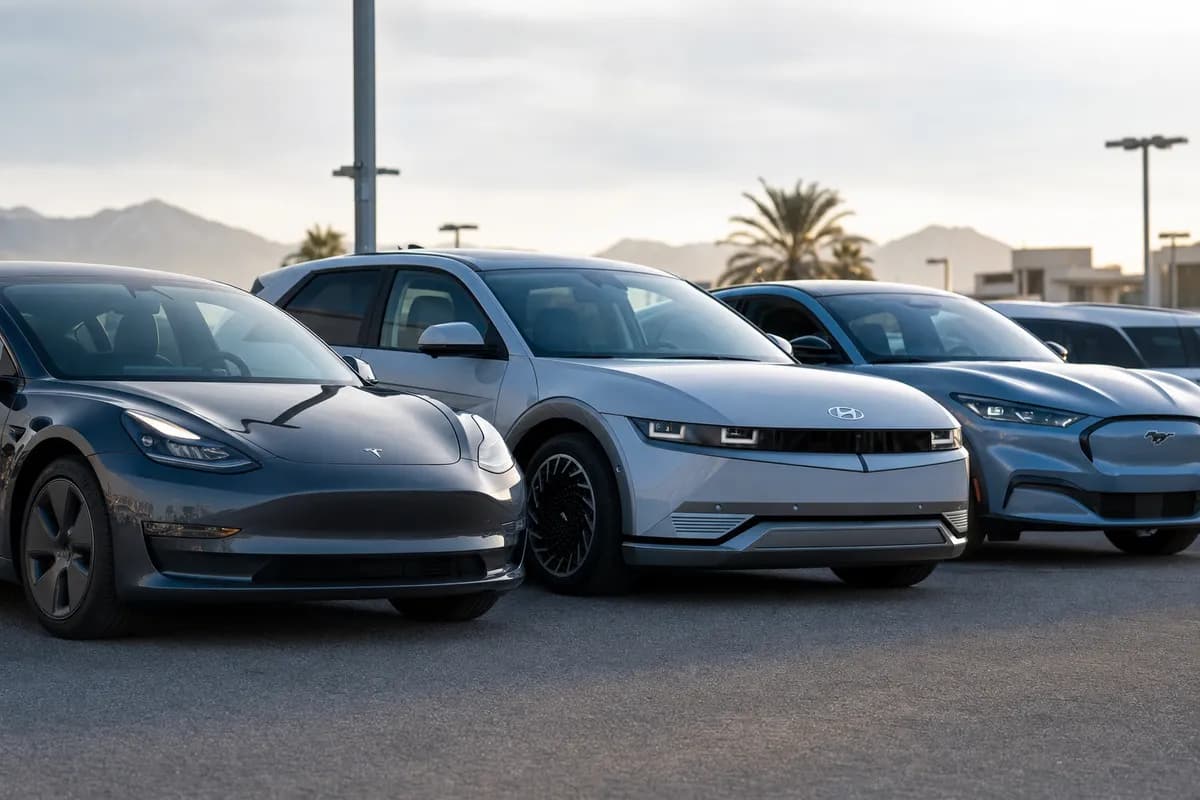
Ford and Hyundai face a similar dynamic. Ford has used aggressive incentives and lease support on the Mustang Mach-E to defend market share against Tesla and a growing list of crossover EVs. Hyundai’s Ioniq 5, meanwhile, remains one of the best-regarded EVs on the market, but updated trims, expanding U.S. production, North American Charging Standard transition plans and competitive lease offers all weigh on earlier used examples.
The key shift is that used EVs are no longer priced as scarce technology products. They are being priced like used cars — with depreciation, incentives, mileage and market supply all finally doing their work.
The third reason is buyer caution. Mainstream shoppers still ask hard questions about battery longevity, charging access and repair costs. Even when those fears are often overstated, they affect resale demand. A used hybrid or gasoline SUV may feel familiar. A used EV requires more education, and that gap gives informed buyers more leverage.
The Off-Lease Models Driving the Bargain Wave
The best deals are concentrated in models that sold or leased in meaningful volume from 2021 through 2023. These vehicles are new enough to offer practical range and modern safety equipment, but old enough to have taken their steepest depreciation hit.
Tesla Model 3: The Used-EV Price Setter
The Tesla Model 3 remains the benchmark because it is abundant, efficient and widely understood by dealers. It is also the model most responsible for changing expectations around used EV pricing. In many markets, shoppers can now find 2021-2023 Model 3 examples priced far below their original transaction values, especially Standard Range and rear-wheel-drive versions.
The Tesla Model 3 used price story depends heavily on trim, battery chemistry and eligibility for incentives. Rear-wheel-drive cars with lithium iron phosphate batteries are attractive for shoppers who want lower maintenance anxiety and do not need maximum range. Long Range dual-motor versions cost more, but they bring all-wheel drive and better highway usability. Performance models can be tempting, though buyers should inspect tires, suspension wear and accident history carefully.
What makes the Model 3 especially compelling in 2026 is the ecosystem. Tesla’s Supercharger network remains a major advantage, and older Model 3 vehicles already use the native Tesla-style connector in North America. Software support is also stronger than in many rival brands, though buyers should not assume every used Tesla includes the same driver-assistance features. Autopilot, Enhanced Autopilot and Full Self-Driving capability are separate considerations and should be verified by VIN, not by a dealer’s listing language.
Hyundai Ioniq 5: Fast Charging, Big Depreciation
The Hyundai Ioniq 5 used EV market is becoming one of the most interesting corners of the segment. The Ioniq 5 launched with standout design, a roomy cabin and 800-volt charging architecture that allows very fast DC charging when connected to a capable station. That technology still matters. A used Ioniq 5 can be a better road-trip EV than many newer budget models.
Depreciation, however, has been significant. Early Ioniq 5 models arrived during a period of limited inventory and strong demand. Some buyers paid near sticker, and in certain markets, above sticker. Those cars are now competing against newer Ioniq 5 versions, refreshed equipment, better availability and more aggressive lease offers. For used buyers, that creates opportunity.
The sweet spot is often an SE or SEL Long Range with rear-wheel drive for maximum efficiency, or an all-wheel-drive version for shoppers in snow-belt states. Limited trims bring premium features but may not deliver the best value if priced too close to newer discounted inventory. Buyers should also consider charging access. The Ioniq 5’s biggest advantage is its ability to charge quickly, but only if local fast chargers are reliable and support high power.
Ford Mustang Mach-E: Crossover Practicality at Lower Prices
The Ford Mustang Mach-E deals appearing in 2026 reflect both strong early lease volume and Ford’s willingness to adjust pricing. The Mach-E has broad appeal because it is shaped like the compact crossover many Americans already want. It offers usable cargo space, available all-wheel drive and trims ranging from efficiency-focused Select and Premium models to the quicker GT.
Used Mach-E pricing is especially sensitive to battery size. Standard Range versions can be strong commuter values if priced right, while Extended Range models deserve a premium because they better match the expectations of crossover shoppers. The Premium Extended Range all-wheel-drive configuration is often the most balanced used pick, combining comfort, range and all-weather traction.
Ford’s advantage is dealer access. Unlike Tesla, Mach-E buyers can use a large franchise dealer network for service, warranty work and certified pre-owned shopping. The downside is that dealer pricing can vary widely, and some stores still struggle to explain EV battery condition, charging speed or software updates clearly. Buyers should come prepared.
What Counts as a Good Used-EV Deal in 2026?
A low price alone is not enough. The right used EV deal combines purchase price, battery condition, warranty coverage, charging fit and available incentives. In 2026, the strongest values are often two- to four-year-old EVs with moderate mileage, clean history reports and enough original battery warranty remaining to reduce risk.
Most EV battery warranties run for eight years or 100,000 miles, though terms vary by brand and state. That means a 2022 or 2023 off-lease EV can still have several years of high-voltage battery coverage left. This is a major reason the current market is different from older used-car bargain hunting: buyers are not necessarily taking on an unprotected powertrain.
Shoppers should focus on these checks before buying:
- Battery health: Ask for a battery condition report where available. Compare the car’s displayed range at a full charge with the original EPA rating, but remember that weather, tires and driving history affect estimates.
- Charging history: Frequent DC fast charging is not automatically a problem, but a balanced charging history is preferable. For most EVs, regular Level 2 home charging is gentler and cheaper.
- Warranty status: Confirm the in-service date, remaining bumper-to-bumper warranty and high-voltage battery warranty. Do not rely only on model year.
- Recall and software updates: EVs depend heavily on software. Make sure open recalls and major updates have been completed.
- Tires and brakes: EVs are heavy and deliver instant torque. Tires can wear quickly, especially on performance trims.
- Tax-credit eligibility: Some used EVs may qualify for a federal used clean vehicle credit if the vehicle price, buyer income, model requirements and dealer transaction rules are met. This can make a sub-$25,000 EV substantially more attractive.
The federal used clean vehicle credit, where applicable, is especially important because it can change the math at the lower end of the market. A qualifying used EV priced below the program cap can effectively undercut many gasoline compact cars. But the rules are strict. The vehicle must meet age and sale requirements, the buyer must meet income limits, and the purchase generally must go through a dealer able to process the credit. Shoppers should verify current rules before signing.
It is also important to compare used prices against new-vehicle offers. If a new EV lease is heavily subsidized, a used EV loan at a higher interest rate may not be the better deal. Conversely, cash buyers and shoppers planning to keep the car for five years may find used EV depreciation already absorbed by the first owner or leasing company.
Why This Moment May Not Last Forever
The 2026 used-EV bargain window is real, but it may not remain this favorable indefinitely. Lease-return waves are cyclical. If automakers reduce EV lease volume, slow production, or shift incentives away from new models, future used supply could tighten. At the same time, consumer confidence in battery durability is likely to improve as more high-mileage EVs stay on the road without major failures.
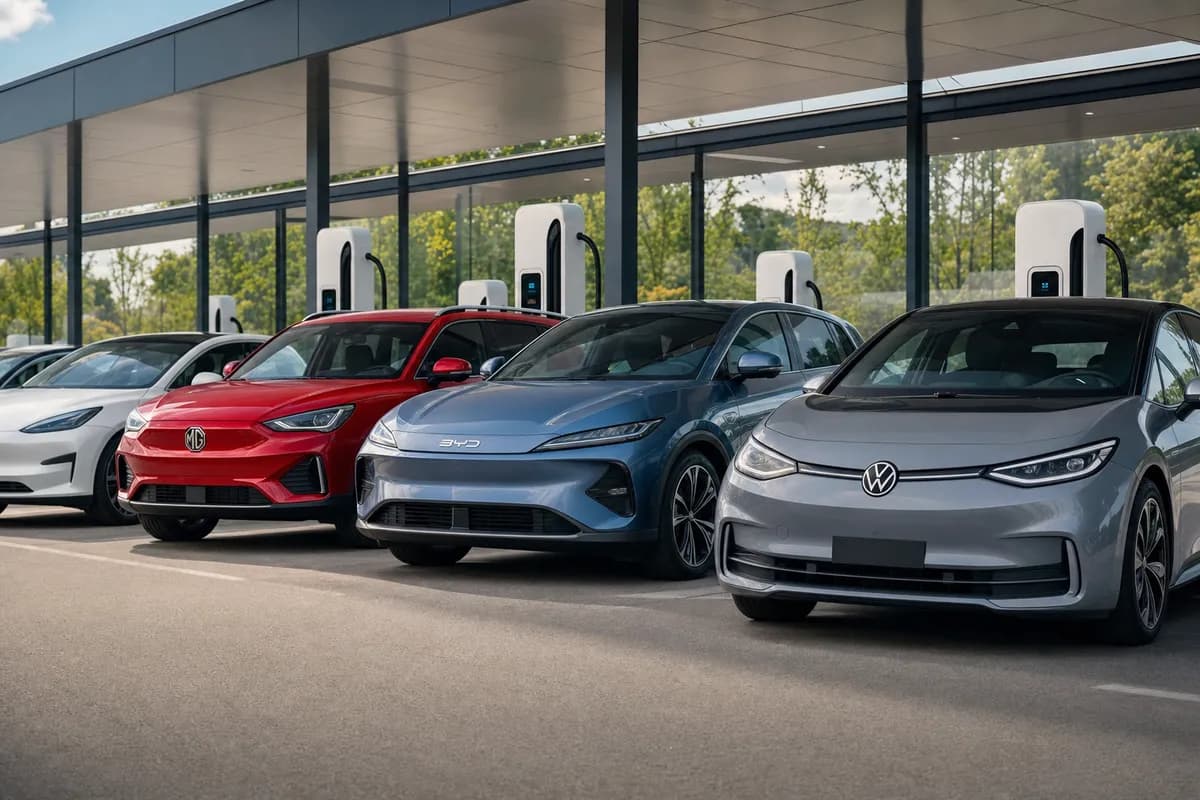
Charging infrastructure is another variable. As more non-Tesla vehicles gain access to Tesla Superchargers through adapter programs or native NACS ports, used EVs from Ford, Hyundai, Kia, GM, Mercedes-Benz and others should become easier to own. Better charging access could support resale values, especially for models that currently trade at a discount because buyers worry about road-trip convenience.
Technology will continue to pressure older cars, however. Faster charging, improved heat pumps, better route planning, bidirectional charging and longer-range battery packs are becoming more common. Used EV shoppers should avoid overpaying for early models that lack key features for their use case. A bargain city commuter is one thing. A compromised long-distance family car is another.
The market is also separating good EVs from merely cheap EVs. A discounted Model 3, Ioniq 5 or Mach-E can be a smart buy because each has meaningful range, strong owner communities and established service channels. Deeply discounted low-range compliance EVs, aging luxury EVs with expensive parts, or obscure models with uncertain support may carry more risk.
Verdict: The Best Used-EV Buyers Are Prepared Buyers
The plunge in used EV prices 2026 is not a sign that electric vehicles have failed. It is a sign that the EV market is maturing. Early lease cycles are ending, new-car incentives are resetting values, and used shoppers are finally gaining the leverage that gasoline-car buyers have long expected.
For the right buyer, this is a serious opportunity. A used Tesla Model 3 offers efficiency, software maturity and charging convenience. A Hyundai Ioniq 5 brings space and some of the fastest charging capability in the class. A Ford Mustang Mach-E delivers crossover practicality, broad dealer support and increasingly attractive transaction prices. All three are now appearing in greater numbers as off-lease electric cars return to market.
The smartest move is not to chase the absolute cheapest listing. It is to buy the best example at the right price: clean history, healthy battery, remaining warranty, suitable range and charging access that fits daily life. If the vehicle also qualifies for a used-EV tax credit or dealer discount, the value case becomes even stronger.
For years, buyers were told EVs would become affordable eventually. In 2026, that moment is arriving on the used lot. The bargains are real — but the winners will be shoppers who understand why the prices are falling and know which electric cars are worth buying after the first owner takes the depreciation hit.
Affiliate disclosure: This article contains affiliate links. RevvedUpCars may earn a small commission on qualifying purchases at no extra cost to you.