Toyota hasn’t exactly built its recent reputation on chaos. Competence, yes. Efficiency, absolutely. But a 338-hp Toyota C-HR ? That sounds like the sort of thing created by an over-caffeinated forum thread, not a product planning meeting in Aichi. And yet here we are.
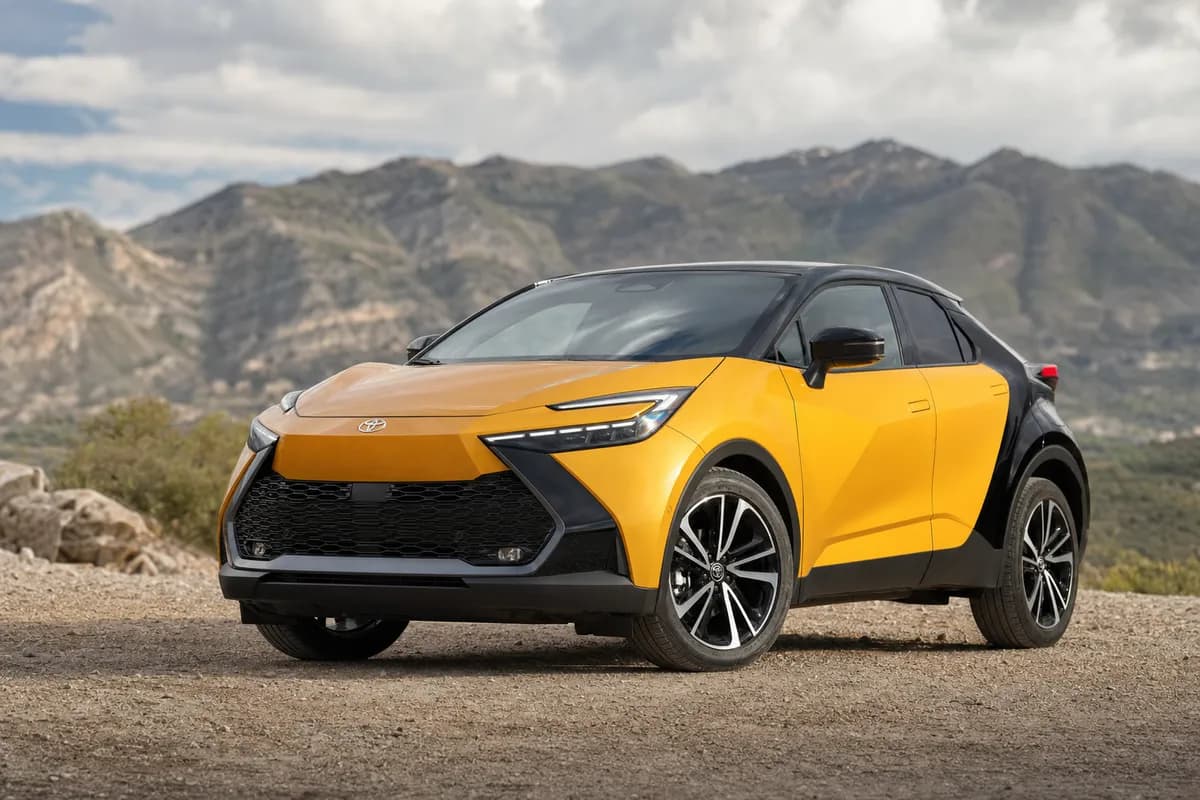
Toyota hasn’t exactly built its recent reputation on chaos. Competence, yes. Efficiency, absolutely. But a 338-hp Toyota C-HR? That sounds like the sort of thing created by an over-caffeinated forum thread, not a product planning meeting in Aichi. And yet here we are. The all-new 2026 Toyota C-HR arrives with sharp-edged styling, genuine straight-line punch, standard all-wheel drive, and the kind of power output that puts plenty of hot hatches and “sporty” crossovers on notice. The obvious question is whether this thing is more than a headline number. After a first drive, the answer is mostly yes: the new C-HR is fast, surprisingly composed, and much more interesting than Toyota’s compact crossover history suggests. But it also reveals a few familiar Toyota habits that keep it from being a full-blooded enthusiast knockout.
A C-HR That Finally Has a Reason to Exist
If you remember the old Toyota C-HR, you probably remember the styling first and the driving experience not at all. The previous model looked like it wanted to pick a fight, then arrived at the scene with the cardiovascular capacity of a housecat. The 2026 version is a complete reset. Built as Toyota’s new compact hybrid performance crossover for global markets, this C-HR finally matches its visual aggression with the hardware underneath.
The headline spec is hard to ignore: 338 horsepower from a dual-motor plug-in hybrid setup driving all four wheels. Toyota says the new C-HR can sprint from 0-62 mph in 5.2 seconds, which translates to roughly 0-60 mph in the mid-4-second range in ideal conditions. That is not “quick for a hybrid.” That is properly quick, full stop. In the compact crossover world, it places the C-HR in genuinely serious company.
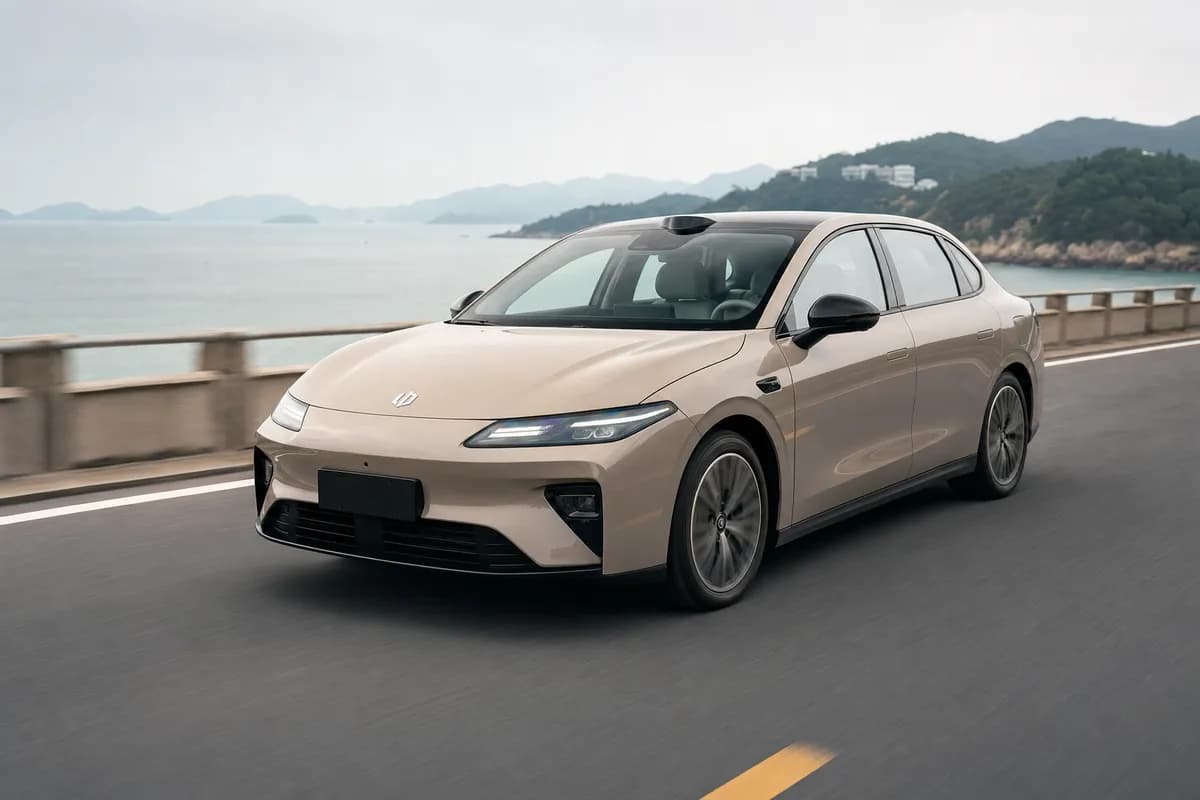
Dimensionally, it sits where you’d expect a compact crossover to sit, but the proportions are much more dramatic than a RAV4’s. The roofline is lower, the stance is wider-looking, and the body surfacing is pure origami menace. The front end wears Toyota’s current hammerhead face, while the rear gets a full-width light signature and the kind of chopped tail that says “coupe” in the brochure and “watch your rear visibility” in real life.
Still, the design works. More importantly, it doesn’t feel like styling for styling’s sake anymore. The 2026 C-HR now has the pace to justify all the visual theater.
Powertrain: Big Numbers, Real Pace, and Hybrid Brains
This is where the 2026 Toyota C-HR review gets interesting, because Toyota didn’t just bolt on a bigger battery and call it performance. The new C-HR uses a high-output plug-in hybrid system with a turbocharged gas engine paired to dual electric motors for combined output of 338 hp. Standard electronic all-wheel drive gives it immediate traction off the line and a much more planted feel than front-drive-biased compact crossovers usually manage.
In the real world, the performance is convincing. There’s instant electric shove from a stop, then a strong, sustained surge as the gas engine and motors stack their outputs. Unlike some performance hybrids that feel brilliant for the first 20 feet and breathless after that, the C-HR keeps pulling with enough determination to make highway merges and two-lane passing hilariously easy. Bury the throttle and it lunges forward with the kind of urgency that will surprise anyone expecting Prius-adjacent manners.
Toyota’s calibration deserves credit here. Hybrid systems can get rubbery when they try to blend electric torque, engine power, and regenerative braking into one seamless experience. The C-HR is better sorted than most. Throttle response is immediate in Sport mode, and there’s less of that dreaded “thinking about it” phase than you get in many hybrid crossovers. It still isn’t as linear or satisfying as a great turbocharged performance engine paired with a proper dual-clutch gearbox, but that’s not really the point. The point is accessible, repeatable speed with reasonable efficiency, and Toyota has absolutely delivered that.
It also helps that the chassis can cope. Plenty of fast crossovers have one party trick: straight-line speed. The C-HR has more depth than that.
- Power: 338 hp combined
- Drivetrain: Plug-in hybrid, dual-motor AWD
- 0-62 mph: 5.2 seconds
- EV range: Toyota targets around 40-plus miles depending on market and spec
- Charging: AC charging support for regular home and public top-ups
That EV-only range matters more than the performance figure if you plan to live with the thing daily. A plug-in hybrid that can cover typical commuting miles on electricity alone while still offering this level of thrust is exactly the sort of rationally irrational package buyers increasingly want. This is the sweet spot for a Toyota hybrid performance SUV: enough battery range to matter, enough horsepower to entertain, and enough flexibility that you’re not planning your life around charging stops.
How It Drives: Sharper Than Expected, Not Quite a Hot Hatch in Disguise
The best news from this Toyota C-HR first drive is that the new C-HR does not fall apart the moment the road gets interesting. In fact, it’s quite good.
Turn-in is crisp for a compact crossover, body control is impressively tight, and the standard AWD system helps the car feel secure putting power down on corner exit. There’s genuine front-end bite here, and Toyota has done a solid job keeping the chassis from feeling top-heavy or clumsy. Through a sequence of medium-speed bends, the C-HR feels smaller than it is. That’s a compliment.
The steering, however, is classic modern Toyota: accurate, nicely weighted, and not exactly overflowing with conversation. You point it, it goes there, and it doesn’t embarrass itself. But if you’re expecting the tactile feedback of a Honda Civic Type R or even the mischievous adjustability of a Hyundai Kona N from a few years back, calm down. This isn’t that kind of machine.
Ride quality is another area where Toyota aimed for broad usability rather than track-day theater. On larger wheels, the C-HR rides firmly but not harshly. Broken pavement sends a little too much impact noise into the cabin, yet the suspension remains well-damped and avoids that brittle “sport trim punishment package” nonsense some rivals still inflict on buyers in the name of handling. For daily driving, this setup is a sensible compromise.
Braking is good by hybrid standards, which is faint praise but still praise. The pedal transition between regenerative and friction braking is smoother than in many electrified rivals, though enthusiastic drivers will still notice a slight synthetic layer to the response. Again, this is a quick crossover first and a back-road toy second.
So where does it land against rivals? Roughly here:
- Hyundai Kona Electric N Line / hybrid variants: less power, less drama, more straightforward packaging
- Kia Niro PHEV: vastly more sensible, vastly less exciting
- Mazda CX-30 Turbo: still more naturally engaging in some situations, but not as powerful or efficient
- Toyota RAV4 Prime: similar power ethos, but larger, heavier, and less stylish
- Mini Countryman JCW: more playful personality, less electrified logic, and often a steeper price
That last comparison matters. The new C-HR doesn’t feel like a bargain-bin experiment. It feels like Toyota looked at the growing appetite for quick compact crossovers and decided to build something with actual intent.
Cabin, Tech, and Everyday Use: Better, But Styling Still Demands Sacrifice
Inside, the 2026 C-HR is far more convincing than its predecessor. Materials are improved, the dashboard design is cleaner, and Toyota’s latest infotainment system is finally fast enough that you don’t spend your life tapping icons twice and muttering at the screen. The digital instrument display is configurable, the main touchscreen is sensibly mounted, and the overall interface is much less irritating than older Toyota systems.
The front seats deserve mention because they strike a nice balance: enough lateral support to suit the car’s performance brief, enough cushioning for a long commute. Driving position is lower and more integrated than in a typical crossover, which helps the C-HR feel a bit more special from behind the wheel.
Then we get to the compromises. Rear visibility is not great, because of course it isn’t. You don’t draw a crossover with this many theatrical angles and then magically get aquarium-like outward vision. The rear side glass remains shallow, and the sloping roofline cuts into the airy feel for back-seat passengers. Headroom and rear-seat openness are acceptable rather than generous.
Cargo space is usable, but this is not the class packaging champion. If maximum utility is your religion, buy a RAV4, a CR-V, or something similarly boxy and unapologetic. The C-HR is for people willing to trade some practical purity for style and pace.
That trade-off may be worth it, because the day-to-day fundamentals are mostly sorted:
- Commuting: excellent, especially if you can exploit the plug-in hybrid EV range
- Urban driving: easy torque, compact footprint, good camera tech, mediocre rearward sightlines
- Highway cruising: stable and quiet enough, though not luxury-car hushed
- Family duty: workable for small households, less ideal for those needing maximum rear-seat space
In other words, the new C-HR is genuinely usable. It’s not merely a design object with a big power number attached. But it still asks you to accept a few crossover-coupe penalties.
Does It Beat the Hype?
Mostly, yes. And that’s not something I expected to say about a C-HR.
The 2026 model succeeds because it feels like a coherent product rather than a marketing exercise. The powertrain is the star: 338 hp in a compact Toyota crossover is absurd on paper and gratifying in practice. The chassis is disciplined enough to use that power, the styling finally has substance behind it, and the plug-in hybrid setup gives the car a persuasive real-world argument beyond “it’s fast.”
But let’s not over-romanticize it. This is not a GR Corolla on stilts. It doesn’t have that level of raw mechanical charm, and it doesn’t egg you on in the same delightfully juvenile way. The steering is competent rather than chatty, the braking remains slightly hybrid-filtered, and the coupe-ish packaging costs it some practicality. If you want the absolute most space, value, and common-sense ownership proposition in a 2026 compact crossover review, there are easier choices.
Still, easier is not the same as better.
The new C-HR carves out a smart niche between dreary eco-mobiles and fake-sporty crossovers that wear body kits to distract from their lack of talent. Toyota has built something that feels modern, quick, efficient, and distinctive without collapsing into gimmickry. In a market increasingly crowded with electrified compact SUVs trying to be all things to all people, the C-HR actually has a point of view.
Verdict: The 2026 Toyota C-HR is more than hype. It’s one of the most interesting compact crossovers Toyota has built in years: fast enough to be memorable, efficient enough to be rational, and polished enough to live with every day. It isn’t the roomiest or the most tactile driver’s car in the segment, but if you want a stylish, high-output electrified crossover with real usability, this one deserves a spot near the top of your list.
Final takeaway? The old C-HR was a conversation starter that too often ended in disappointment. The new one finally delivers the punchline. And for once, Toyota’s edgy compact crossover isn’t just dressed for the part — it can actually throw the punch.
Affiliate disclosure: This article contains affiliate links. RevvedUpCars may earn a small commission on qualifying purchases at no extra cost to you.