Explore how to pick the perfect snow tires, chains, and off-road monsters for winter and deep snow conditions. Prepare your ride today!
If you think your 600-horsepower SUV with “Snow Mode” is invincible, I’ve got bad news: rubber matters more than bravado. I’ve watched $90,000 luxury barges on all-seasons slide helplessly while a clapped-out Subaru on proper winter rubber just shrugs and drives away. That’s why this snow tires guide isn’t optional reading—it’s winter survival.
Right now, dealers are flogging 2025 and 2026 trucks with marketing fluff like “terrain management” and “AI traction logic,” as if physics signed an NDA. I don’t care if you’re piloting a Toyota Land Cruiser, a Ford Bronco Raptor, or a Jeep Wrangler Rubicon on 40s—if the tread is wrong, you’re a passenger. And yes, I’ve driven dozens of SUVs and off-roaders in proper snow, not Instagram snow.
Winter doesn’t ask what drivetrain you have; it asks what’s touching the ground. This snow tires guide will explain when proper winter tires beat chains, when chains are mandatory, and when those ridiculous 40-inch tires are actually working against you. Grab a pint, let’s talk tread blocks.
Why Tire Choice Matters More Than 4x4 Hype
Here’s the controversial hot take: AWD without winter tires is just expensive confidence. Tests consistently show a FWD hatchback on winter tires stopping shorter than an AWD SUV on all-seasons, and braking is what keeps you out of the ditch. 0–60 mph means nothing when it’s 30–0 on ice that matters.
Modern vehicles—BMW X5, Audi Q7, Mercedes GLE—can juggle torque faster than a ChrisFix clickbait thumbnail. But traction control can’t invent grip, and it can’t cheat compound chemistry. Winter rubber stays pliable below 45°F, while all-seasons turn into hockey pucks.
Snow Tires: The Gold Standard for Winter Grip
Proper snow tires—think Bridgestone Blizzak, Michelin X-Ice Snow, Nokian Hakkapeliitta—are engineered sorcery. Deep sipes, soft compounds, and tread patterns designed to pack snow and then eject it like a snowblower. On packed snow, the difference is night and day.
Prices range from approximately $150 to $350 per tire depending on size, and yes, 22-inch wheels cost more because fashion hates winter. Expect a 5–10% MPG hit due to rolling resistance, but I’ll trade that for actually stopping. If you’re still undecided, our Snow Tires vs All-Season guide breaks the myth that “good all-seasons” are enough.
Winter Off-Road Tires: The Compromise Kings
Winter-rated all-terrain tires with the 3PMSF symbol—like BFGoodrich KO2, Goodyear Wrangler Duratrac, or Falken Wildpeak AT3W—are the Switzerland of snow. They’re tougher than dedicated snow tires and won’t cry on rocky trails. But they’re still a compromise.
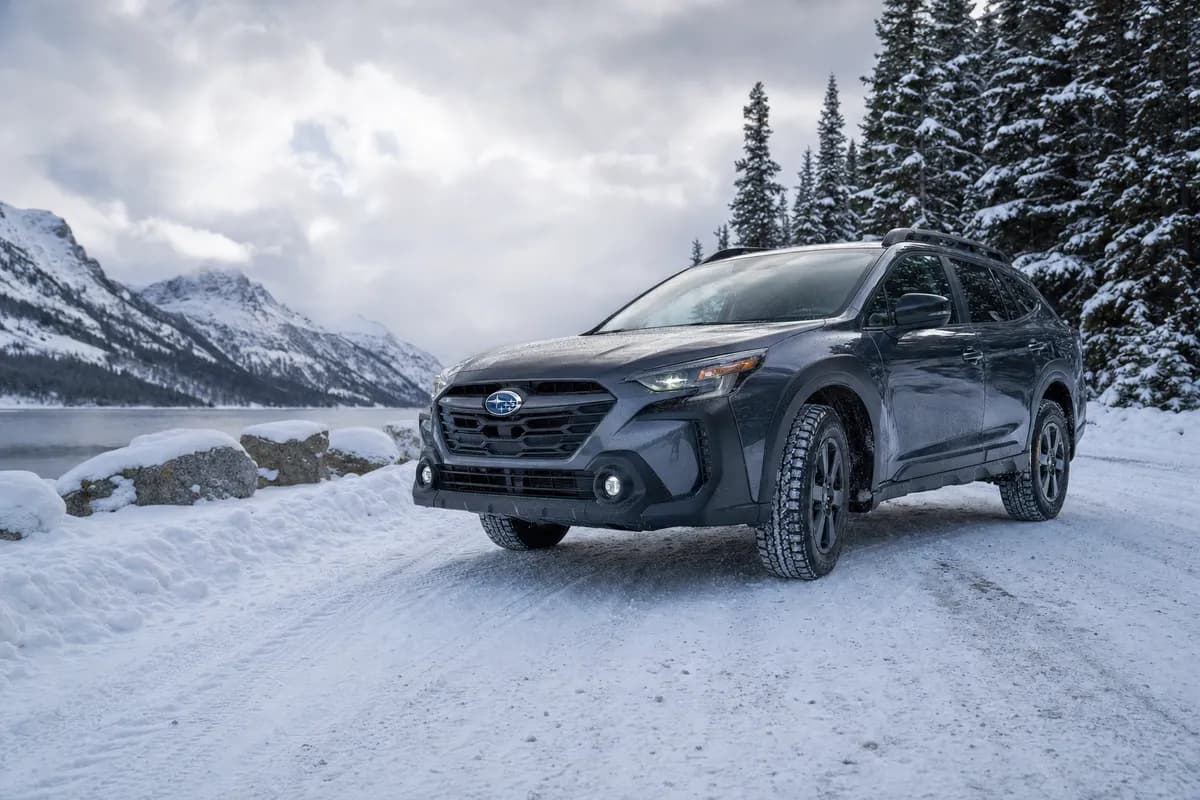
On deep snow and slush, they’re solid; on glare ice, they’re outclassed. I’ve driven a 2025 Toyota Tacoma TRD Pro on Duratracs and a Subaru Outback on Blizzaks back-to-back, and guess which one felt calmer at 40 mph on black ice. Exactly.
Tire Chains: Medieval, Effective, and Sometimes Mandatory
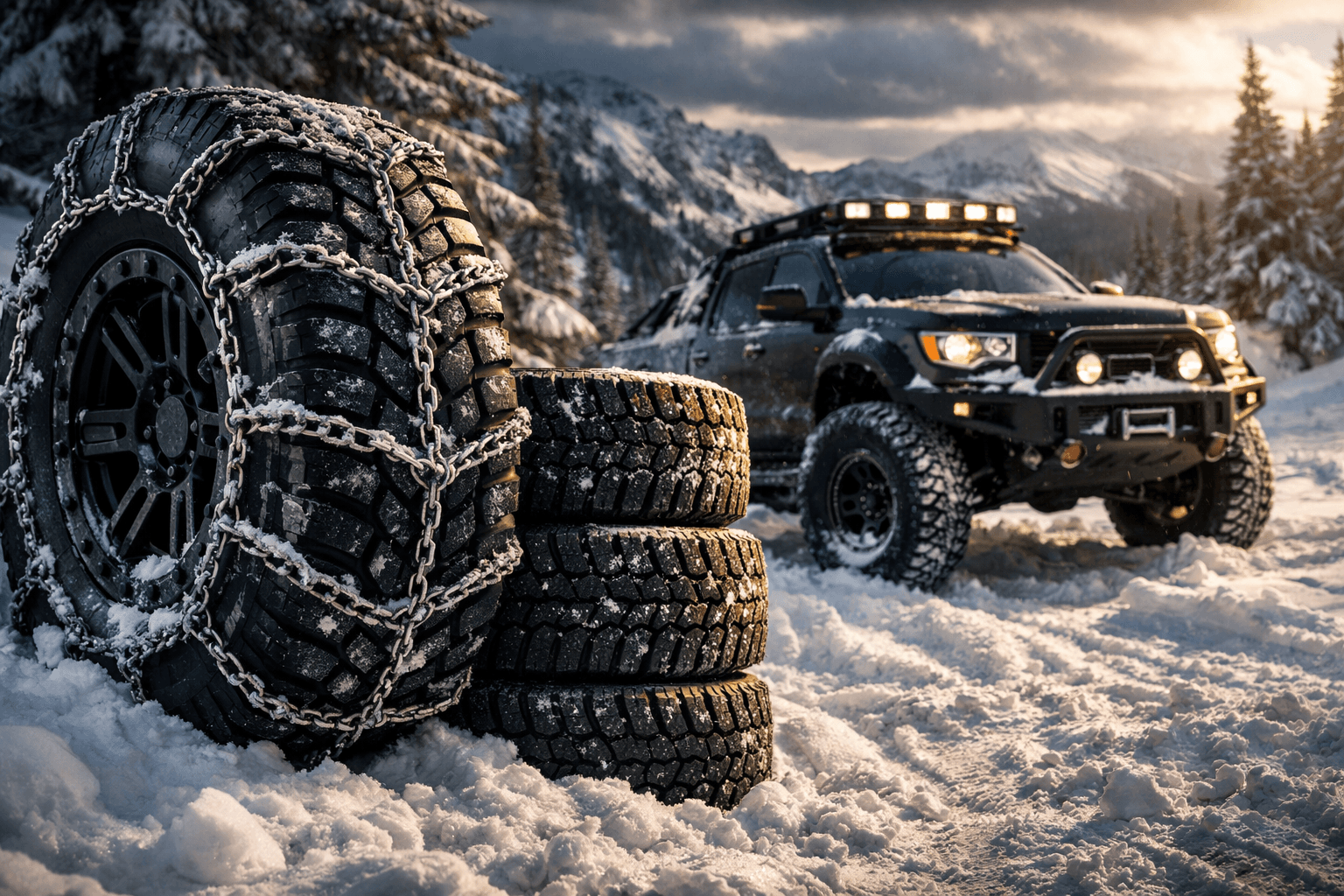
Tire chains are the medieval mace of winter driving—crude, loud, but devastatingly effective. In states like Colorado and California, chain laws don’t care about your AWD badge or ego. If the sign says chains, you fit chains or you don’t pass.
Chains cost around $80–$250 per set and cap your speed at roughly 30 mph, which is fine because faster would be terrifying. Practice fitting them in your driveway, not on the shoulder during a blizzard like a YouTube fail compilation. For official rules, check NHTSA.gov and local DOT sites.
40-Inch Tires in Winter: Cool or Completely Idiotic?
Let’s talk about the elephant-sized tire in the room. Those 40-inch mud-terrains on a lifted Ram TRX or Gladiator look apocalyptic, but in winter they’re often worse than stock. Wide tires float on snow instead of cutting through it.
Unless you’re running a winter-compound MT—which is rare and expensive—you’re trading grip for Instagram likes. I’d take a narrower 35-inch winter-rated tire over a 40-inch mud tire every single snowy day. Physics doesn’t care about your build thread.
EVs, Hybrids, and Winter Rubber Reality
EVs like the Tesla Model Y or Rivian R1S have instant torque and lots of weight, which can be a blessing or a curse. On winter tires, they’re freakishly stable; on all-seasons, they’ll light up traction control like a Christmas tree. Torque without grip is just noise.
Range drops 15–30% in winter depending on temperature and tire choice, according to FuelEconomy.gov. If you’re dailying an EV in snow, read our Winter EV Survival guide and budget for proper rubber.
Common Winter Tire Mistakes I See Every Year
Mixing tire types front to rear is the fastest way to meet a guardrail. Another classic blunder is buying winter tires but keeping massive summer wheels because “they look better.” They don’t look better in a ditch.
Also, replacing two tires instead of four on AWD systems can cook differentials faster than a Nürburgring lap. Manufacturers like Subaru, Audi, and BMW are very clear on this—check the owner’s manual or the official safety guidance.
Pro Tips from People Who Actually Drive in Snow
Downsize wheels for winter if you can—18-inch beats 21-inch every time. Run slightly higher sidewalls for potholes hiding under slush like landmines. And store your off-season tires properly; UV and heat age rubber faster than mileage.
If you track or daily a performance car, don’t assume “it’s low so it’s hopeless.” I’ve winter-driven a BMW M3 on proper snow tires more confidently than some crossovers on all-seasons. Our Performance Car Winter Prep dives deeper.
Pros
- Snow tires deliver the shortest stopping distances
- Chains provide unbeatable traction when required
- Winter-rated ATs balance trail durability and snow grip
- Proper tires unlock the potential of AWD and EV torque
Cons
- Extra cost for seasonal tire sets
- Chains are noisy and speed-limited
- Oversized tires often hurt winter performance
RevvedUpCars Rating: 9/10
Best for: Drivers who want to stay mobile, safe, and smug when winter hits hard.
Winter doesn’t reward optimism; it rewards preparation. Choose the right rubber, and suddenly your car feels smarter, calmer, and braver. Ignore this snow tires guide, and winter will happily teach you the lesson the expensive way.
Affiliate Disclosure: This article contains affiliate links. If you purchase through these links, we may earn a small commission at no extra cost to you. This helps support our work and allows us to continue providing free automotive content. Learn more about our affiliate policy.
Get the latest car reviews in your inbox
Join thousands of car enthusiasts. No spam, unsubscribe any time.



Comments
Leave a comment