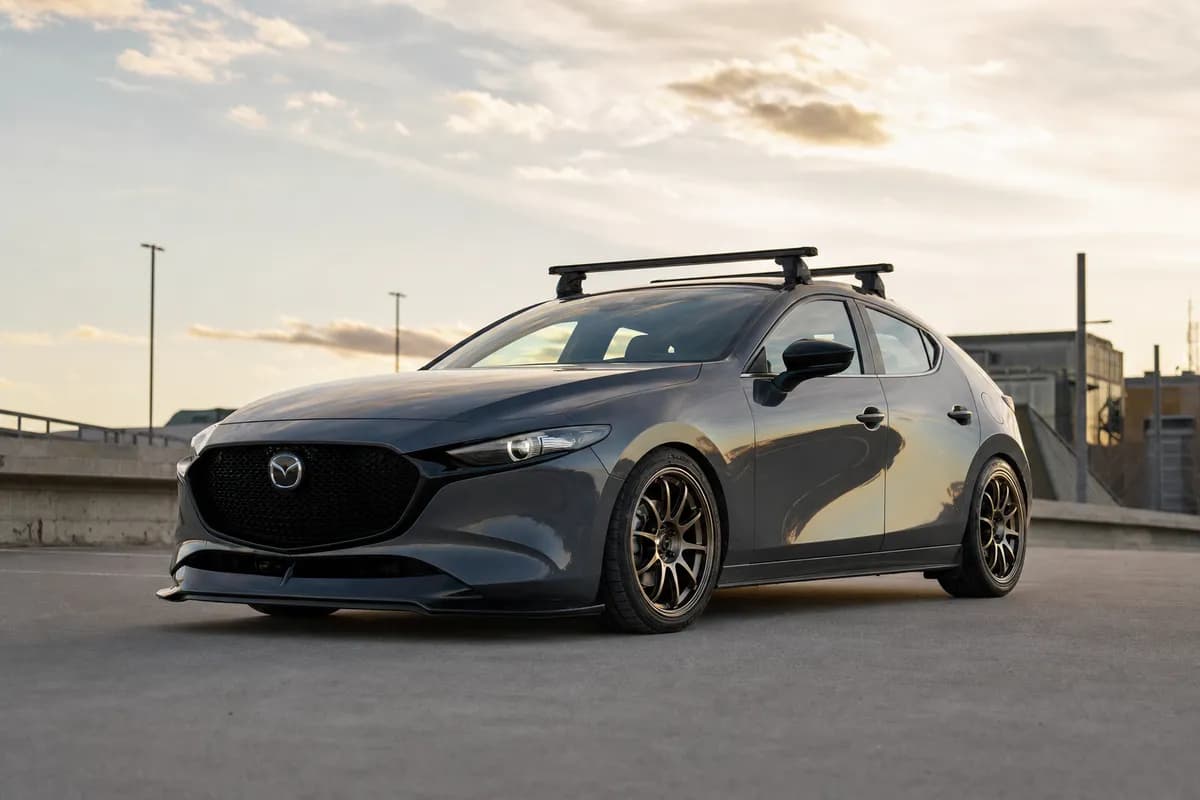
Your first modified daily driver is a dangerous kind of fun. One minute you’re pricing floor mats , the next you’re watching a guy on YouTube install coilovers in his apartment parking lot with three hand tools and a suspicious amount of confidence. I love that energy.
That’s not because all mods are bad. It’s because buyers worry about unknowns. Was the car tuned properly? Were the springs matched to the dampers? Did somebody cut the wiring harness for cheap LED strips? Were the wheels the right offset, or have the fenders been chewed up for 30,000 miles? A seller saying “never raced, adult owned” hits differently when the car is on mismatched tires, has a missing catalytic converter, and smells like clutch.
Reversible car mods help solve that problem. They let you customize and learn without permanently altering the structure, wiring, emissions system, or drivetrain. When it’s time to sell, you can return the car close to stock, include the original parts, and appeal to a wider buyer pool. Even better, reversible mods usually teach good mechanical habits: measuring, torque specs, proper fitment, maintenance, and restraint.
Here’s the mindset I recommend: every upgrade should answer three questions.
- Can I remove it without cutting, welding, drilling, or damaging factory parts?
- Does it improve how the car looks, feels, sounds, or functions without creating reliability problems?
- Would a reasonable buyer see this as tasteful, or would they start mentally subtracting money?
If the answer is yes to all three, you’re in the sweet spot.
The Best Affordable DIY Car Upgrades That Keep Resale Intact
Let’s start with the upgrades that give beginners the biggest payoff per dollar. These are approachable, mostly driveway-friendly, and unlikely to scare off a future buyer if installed cleanly.
Wheels and tires: the mod everyone sees and feels
If I could only recommend one modification, it would be tires. A quality set of tires transforms a car more than a loud exhaust ever will. On a 2022+ Toyota GR86 or Subaru BRZ, switching from budget all-seasons to Michelin Pilot Sport 4S, Continental ExtremeContact Sport 02, or Falken Azenis FK460 can make the car feel sharper, safer, and more expensive. On a daily-driven Civic Sport or Mazda3, a good ultra-high-performance all-season like the Continental ExtremeContact DWS06 Plus or Michelin Pilot Sport All Season 4 gives a noticeable grip upgrade without ruining wet-weather confidence.
Wheels are where restraint matters. Stick close to factory diameter and width unless you know what you’re doing. For example, a Mk7 GTI commonly works well with 18x8 wheels around ET45 offset. An ND Miata often looks and drives great on 16x7 or 17x7.5 wheels depending on tire choice. A tenth-generation Civic hatch can usually accept 18x8.5 with the correct offset, but aggressive poke and stretched tires can quickly move from tasteful to “will this rub on the test drive?”
Keep the stock wheels if you have room. When selling, you can reinstall them or offer both sets. That alone helps protect car resale value.
Quality floor mats, seat covers, and cargo liners
This doesn’t sound glamorous, but preserving the interior is one of the smartest beginner car modifications you can make. A set of WeatherTech, Husky, TuxMat, or OEM all-weather mats keeps coffee, dirt, salt, and fast-food regret out of the carpet. If you haul tools, bikes, pets, or detailing gear, a cargo liner is cheap insurance.
Seat covers are trickier. Avoid loose universal covers that interfere with side airbags or look like rental-car leftovers. If you use covers, choose vehicle-specific options and confirm airbag compatibility. Better yet, keep the original upholstery clean and protected with regular vacuuming and fabric or leather conditioner. A tidy interior sells cars.
Lighting upgrades that don’t look like a carnival ride
Lighting can be a great DIY car upgrade when done responsibly. Swapping tired halogen bulbs for high-quality replacements from Philips, Osram, or Sylvania can improve visibility without blinding everyone. If your car came with halogen projector housings, some LED bulb swaps can work well, but reflector housings often scatter light badly. That “super bright” Amazon LED kit might make the road worse and annoy every oncoming driver.
For style, consider reversible items like OEM-style clear side markers, smoked reflectors from reputable brands, or upgraded interior bulbs. Keep the original parts in a labeled box. Avoid hacking factory wiring for underglow, strobe brake lights, or mystery-brand sequential signals. Electrical gremlins are one of the fastest ways to turn a clean car into a hard sell.
Shift knobs, pedals, and steering feel
A good shift knob is one of my favorite affordable upgrades for manual cars. A weighted knob from Billetworkz, Raceseng, Cobb, Mugen, or OEM performance catalogs can make a Subaru WRX, Civic Si, Focus ST, or Miata feel more deliberate. It’s also fully reversible in about two minutes.
Pedal covers, dead pedals, and steering wheel covers can be tasteful if they fit properly and don’t compromise control. Skip anything slippery, oversized, or fake-carbon enough to look like it came from a vending machine. If your steering wheel is worn, a professional rewrap is better than a bulky cover, but it’s less reversible and more expensive.
Performance Mods: What’s Smart, What’s Risky, and What to Save For Later
Performance upgrades are where beginners can get into trouble. I’m not anti-power. I spent plenty of years tuning, wrenching, and chasing lap times. But for a daily driver on a budget, the first goal is making the car more consistent and enjoyable, not turning it into a half-finished science project.
Intake and exhaust: choose sound over fantasy horsepower
A drop-in performance air filter from K&N, AEM, or aFe is simple and reversible. It may not add meaningful power, but it can sharpen intake sound slightly and is easy to service. Full cold-air intakes are also reversible on many cars, but be careful with designs that place the filter low in the bumper. I’ve seen hydrolocked engines from water ingestion, and that repair bill will ruin your whole semester.
Cat-back exhausts are usually among the safer reversible car mods because they bolt on after the catalytic converter and don’t require tuning on most naturally aspirated cars. A quality system from Borla, HKS, AWE, GReddy, Cobb, or MagnaFlow can add character without creating emissions headaches. The keyword is quality. Cheap exhausts often drone at highway speeds, fit poorly, rust early, and make the car feel cheaper than stock.
Keep the factory exhaust. On cars like the Elantra N, WRX, GTI, Civic Si, and Mustang EcoBoost, some buyers enjoy tasteful sound, but others want stock. Having the original system gives you options.
Suspension: don’t ruin a good daily driver
Lowering springs are popular because they’re cheaper than coilovers and make almost any car look better. But they’re not automatically a good idea. If the spring rate and drop don’t match the factory dampers, the car can bounce, bottom out, eat tires, and ride worse than a 1990s farm truck. A modest drop from a proven brand like Eibach, H&R, Swift, or Whiteline is usually safer than no-name springs with a huge drop.
Coilovers can be excellent, but cheap coilovers are one of the most common mistakes I see. A $400 set may look exciting in the box, but poor damping and corrosion-prone hardware can make the car noisy and miserable. If you’re daily driving a Mazda Miata, GR86, WRX, GTI, or Civic, save for reputable setups from Bilstein, KW, Öhlins, Fortune Auto, BC Racing’s better lines, or Tein depending on your goals and budget.
The most underrated suspension mod? A proper alignment. If you install springs, wheels, or tires, budget for alignment afterward. Ask for a printout. Uneven tire wear and a crooked steering wheel scream “modified badly.”
Tunes and engine calibration: proceed with documentation
Modern turbo cars respond well to tuning, but tuning changes the resale conversation. A Cobb Accessport on a WRX, GTI, Focus ST, Fiesta ST, or EcoBoost Mustang is physically reversible, but the car’s history may still matter to buyers and dealers. Some manufacturers can detect flash events, and warranty claims can get complicated.
If you tune, use reputable off-the-shelf maps or a professional tuner, maintain the car aggressively, and keep records. Don’t stack random parts and expect the ECU to magically figure it out. For many beginners, the better path is tires, brakes, maintenance, and driver mod before adding boost.
Style Mods That Build Credibility Instead of Killing It
Tasteful car mods usually have one thing in common: they look intentional. The car has a theme. The parts fit. The colors work. Nothing appears glued on in a parking lot five minutes before a meet.
Window tint: practical, clean, and valuable
Good tint is one of the best appearance mods for a daily driver. It reduces cabin heat, protects the interior from UV exposure, and gives almost any car a cleaner look. Ceramic tint costs more than basic dyed film, but it rejects heat better and tends to last longer. Brands like 3M, Llumar, XPEL, SunTek, and Huper Optik are common choices.
Know your state laws. In Texas, for example, front side windows generally need to allow more than 25% light transmission, while rear rules vary by vehicle type. Illegal tint can create inspection, ticket, and resale headaches. A clean legal tint job is a plus; limo tint over a bubbling rear window is not.
Wrap accents and paint protection
Vinyl wrap can be reversible if done properly, especially for small accents like mirror caps, roof panels, chrome delete trim, or interior pieces. A black roof on a white GR86, subtle chrome delete on a Mazda3, or satin black mirror caps on a GTI can look factory-plus.
Full wraps are a different story. They can protect paint, but they’re expensive, installation quality varies, and old vinyl can damage clear coat during removal. If resale value matters, paint protection film on high-impact areas such as the front bumper, hood edge, mirrors, and door cups is often a better investment than a color-change wrap.
Aero: less is usually more
Front lips, side skirts, diffusers, and small spoilers can look great if they fit the body lines. OEM accessory catalogs are your friend here. Honda Factory Performance parts, Toyota GR accessories, Subaru STI-style add-ons, Mazda aero kits, and Ford Performance pieces usually age better than extreme universal parts.
Be honest about installation. If a lip requires drilling into the bumper, it’s not fully reversible. Some parts use factory mounting points or 3M automotive tape, but prep matters. Clean surfaces, correct temperature, and proper adhesion promoter make the difference between “nice build” and “there goes your splitter on the highway.”
The Beginner’s Mod Plan: Spend in the Right Order
If you’re starting with a stock daily driver, don’t buy parts randomly. Build a simple plan. This saves money, prevents mismatched mods, and makes the car better in stages.
- Baseline maintenance first. Fresh fluids, filters, spark plugs where needed, brakes, battery health, and no warning lights. A modified car with neglected maintenance is just a more expensive problem.
- Tires and alignment. Better grip and proper geometry improve every drive, whether you’re commuting or doing an autocross.
- Interior preservation. Mats, liners, careful cleaning, and small ergonomic upgrades keep the car pleasant and valuable.
- Subtle exterior upgrades. Tint, OEM-style lighting, tasteful wheels, and small aero pieces create a clean identity.
- Sound and feel. Cat-back exhaust, shift knob, mild intake, and brake pads can add personality without major risk.
- Suspension and power later. Once you understand the car, invest in quality parts rather than chasing the cheapest drop or biggest dyno claim.
Documentation is part of the build. Keep receipts, alignment sheets, original window stickers, service records, and installation manuals. Put factory parts in labeled bags or boxes: stock lug nuts, side markers, intake pieces, exhaust hardware, suspension parts. When you sell, that organization tells buyers you cared. I’ve watched buyers pay more for a car simply because the owner had a folder of records and didn’t act sketchy.
Also, think about insurance. Some companies want to know about modifications, especially wheels, suspension, audio systems, and performance parts. If you spend real money, ask whether your policy covers aftermarket equipment. A $1,200 wheel-and-tire setup disappearing in a theft claim is a rough lesson.
The golden rule of beginner car modifications is simple: make the car look and feel like a better version of itself, not like you’re trying to disguise what it is.
That’s why “OEM-plus” remains such a strong approach. A clean Civic Si on quality tires, subtle tint, a tasteful cat-back, factory-style aero, and a well-kept interior will earn more respect than a base model covered in fake vents and angry stickers. Same goes for a WRX with good fitment and maintenance records versus one with a loud blow-off valve, questionable tune, and smoke on startup.
Verdict: Modify Like You’ll Have to Sell It Someday
Reversible car mods are not boring. They’re smart. They let you learn, personalize your daily driver, and participate in car culture without turning your ride into a financial anchor. For beginners, the best path is simple: maintenance first, tires next, then tasteful upgrades that bolt on cleanly and can come off without drama.
If you care about car resale value, avoid cutting factory wiring, removing emissions equipment, drilling visible body panels, buying no-name suspension, or chasing horsepower before the car is mechanically ready. Spend money where it counts: tires, alignment, clean lighting, quality tint, interior protection, and parts from reputable brands. Keep your stock parts. Keep your receipts. Keep the car clean.
The coolest builds are rarely the ones with the longest parts list. They’re the ones that feel cohesive, drive well, and show good judgment. Whether you’re working on a used Mazda Miata, a new Corolla hatch, a Civic Si, a GTI, a GR86, or the hand-me-down Accord that got you into cars in the first place, the goal is the same: improve the machine without painting yourself into a corner.
Modify with taste, document everything, and remember that restraint is a skill. Your future self—and the next owner—will thank you.
Affiliate disclosure: This article contains affiliate links. RevvedUpCars may earn a small commission on qualifying purchases at no extra cost to you.