Explore how VW plans to keep gas hot hatches alive after 2030—upgrading the VW EA888 engine and meeting emissions compliance. Read on to learn how.
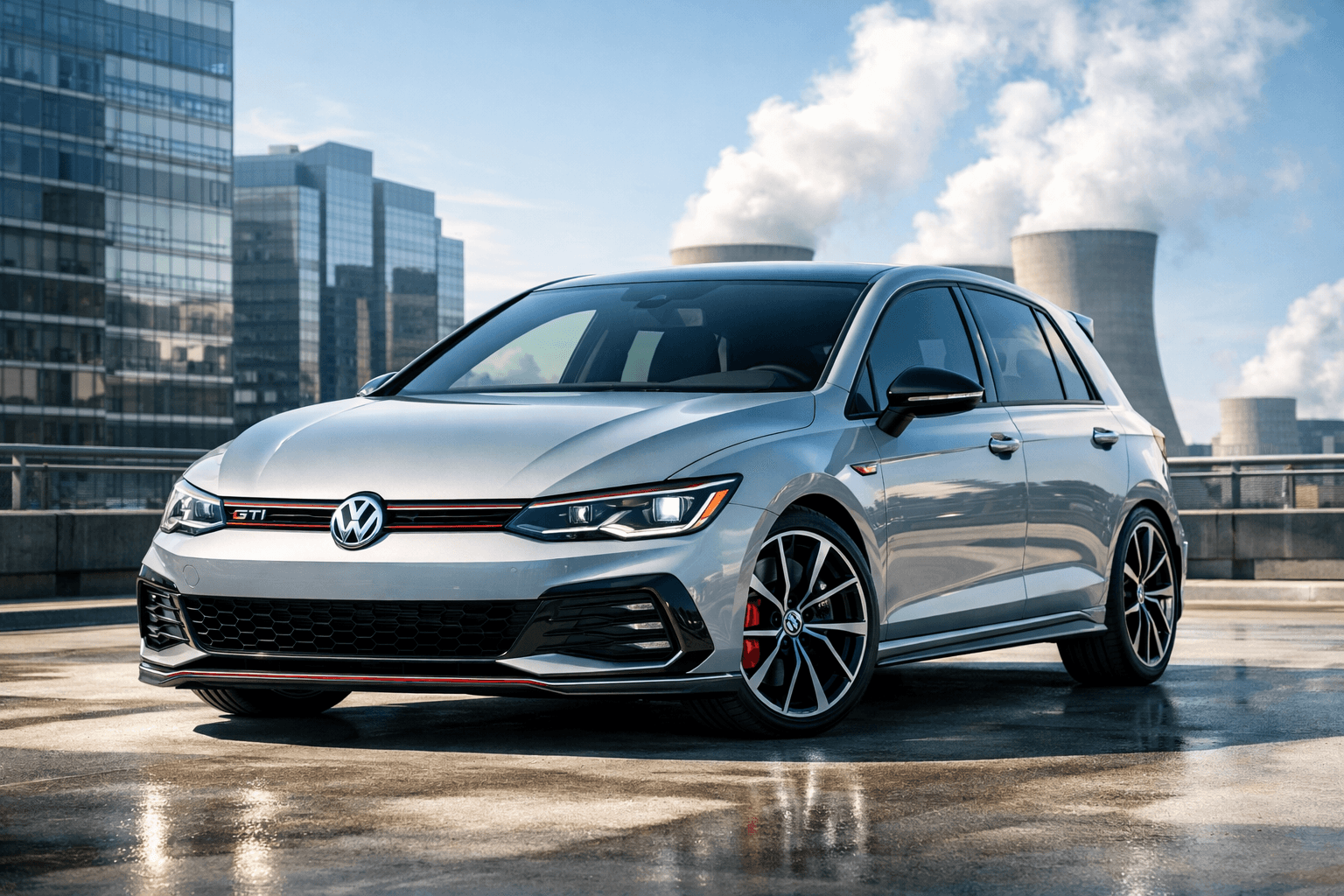
The rumor mill says hot hatches are dead after 2030, which is hilarious because Volkswagen is quietly sharpening the knives. While everyone else is slapping fake exhaust noises onto EVs, VW is doubling down on the VW EA888 engine like a stubborn German refusing to recycle improperly. This matters because if you love a Golf GTI or Golf R, the next five years decide whether your future car hums like a fridge or snarls like a Nürburgring lap video.
I’ve driven dozens of SUVs that promise “sportiness” and deliver throttle response lazier than a cat in a sunbeam. Hot hatches are the antidote, and VW knows it. Emissions rules tightening after 2030 aren’t a death sentence; they’re a design exam, and Wolfsburg thinks it has the cheat sheet.
Before you ask, no, this isn’t nostalgia cosplay. This is about how the VW EA888 engine evolves to keep petrol-powered future hot hatches alive while Toyota’s GR Corolla, Hyundai’s i30 N, and whatever remains of Ford Performance are scrambling.
Why Emissions Rules Are the Real Boss Fight
Euro 7 and equivalent global standards are brutal, targeting NOx, particulates, and cold-start emissions with the enthusiasm of an HOA president. The easy route is electrification-only, which is why brands like Peugeot quietly euthanized the 308 GTi. VW’s bet is that clever combustion can still pass if you throw enough engineering at it.
The controversial hot take: regulators accidentally made engines better. Smaller turbos, smarter combustion cycles, and real-world MPG targets mean the next GTI could be faster and cleaner than today’s 241-hp Mk8 while sipping fuel like a 1990s diesel.
Inside VW’s Plan: The EA888 Isn’t Going Anywhere
Here’s the bit corporate presentations won’t tell you: the VW EA888 engine is already future-proofed. We’re talking higher-pressure direct injection (over 350 bar), variable valve lift, and a Miller-cycle strategy that reduces pumping losses without killing top-end shove.
Expect power around 260–280 hp in GTI trim and north of 330 hp for Golf R successors, with 0–60 mph hovering around 4.5 seconds. That’s GR Corolla territory without the three-cylinder thrum that sounds like a YouTuber’s microphone peaking.
Hybridization: Light, Not Lardy
VW’s not stuffing a battery the size of a suitcase into a hatchback. The plan is mild-hybrid 48V systems, adding about 20 hp of electric assist and, more importantly, smoothing stop-start and turbo lag. Think Chris Harris praising throttle response rather than Doug DeMuro explaining where the charging cable goes.
This keeps weight under control, likely around 3,300 lbs for AWD models, versus some PHEVs pushing 3,800 lbs and feeling it in every corner. Hyundai’s Elantra N stays pure ICE for now, but emissions will force its hand.
Fuel Economy That Actually Matters
VW claims combined fuel economy in the mid-30s mpg for future GTIs, which sounds optimistic until you look at FuelEconomy.gov data trends. Lean-burn strategies and faster catalyst warm-up mean fewer emissions penalties during city driving.
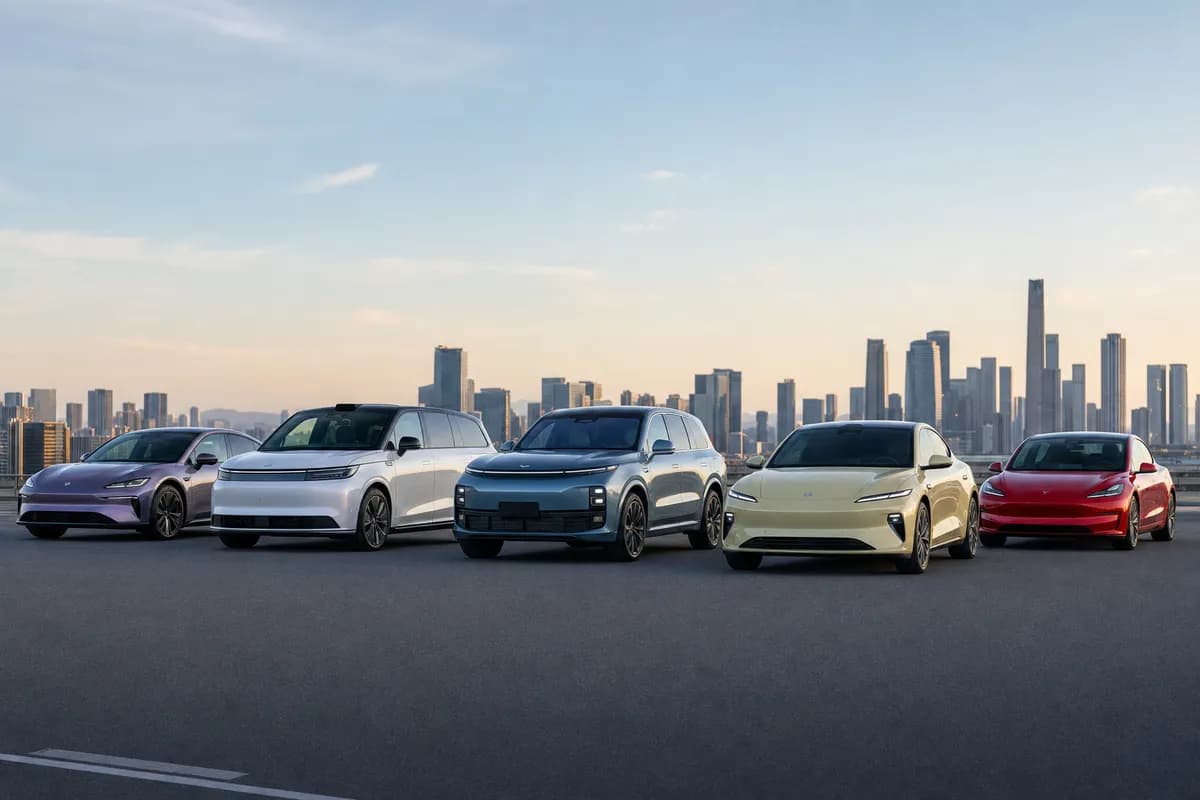
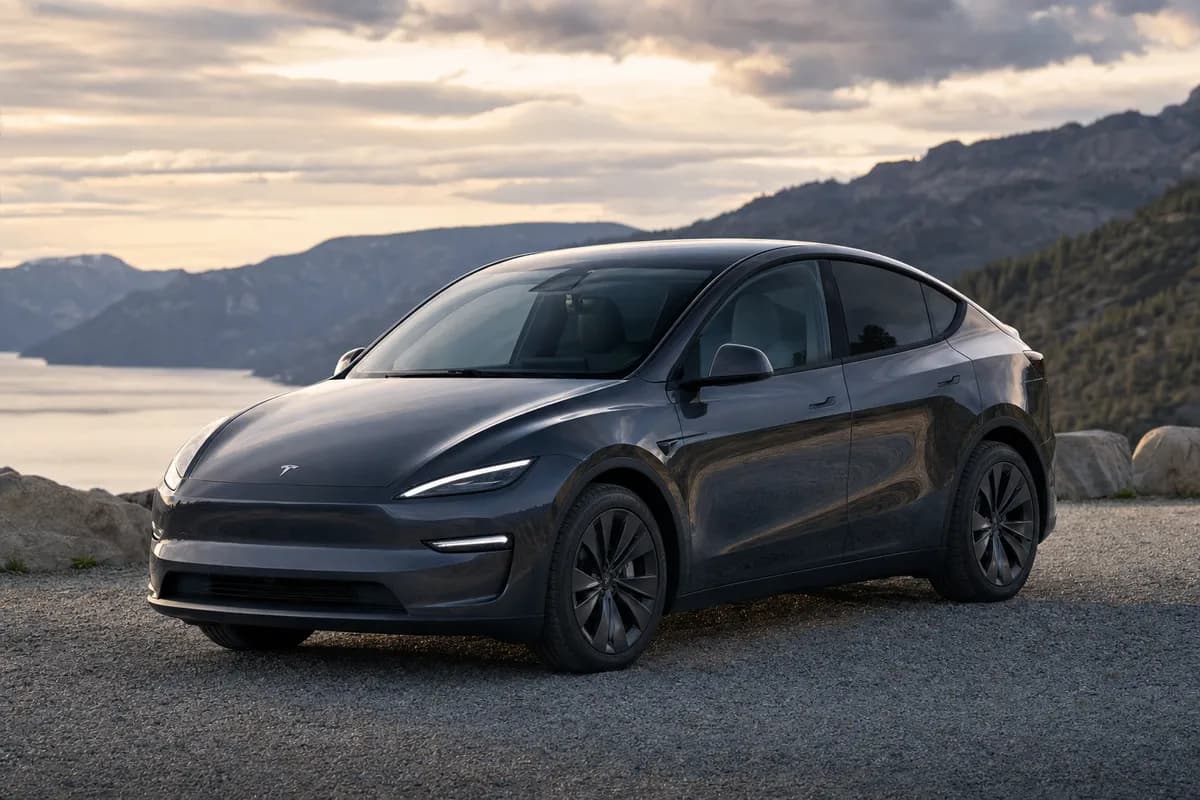
Translation: you won’t feel like an environmental criminal commuting to work. That’s a big deal when cross-shopping against EVs and reading doomscroll headlines like Tesla Flagship Sedans Are Ending: What It Means.
How VW Stacks Up Against Rivals
Toyota’s GR Corolla is brilliant but expensive, starting around $37,000 (check manufacturer website for latest pricing), and availability is thinner than a TikTok influencer’s attention span. Hyundai’s i30 N offers theater but struggles with long-term emissions compliance.
VW’s edge is scale. It can amortize emissions tech across millions of EA888 units globally, something boutique hot hatches can’t. That’s why I’d still bet on VW when comparing long-term ownership and reliability, a theme we’ve hammered in Most Reliable Cars 2026: Best Value Picks.
Driving Experience: Still a Proper Driver’s Car?
Here’s where enthusiasts get nervous. More tech often means less feel. VW insists steering racks and adaptive dampers will be retuned for purity, not Nürburgring lap-time bragging.
If they nail it, expect a Golf R successor that rotates eagerly, puts power down cleanly, and doesn’t need fake pops through the speakers. Remember our deep dive on Golf R vs GR Corolla: Future of Hot Hatches? This is that argument, round two.
The Business Case Nobody Talks About
Hot hatches sell brand image, not volume. A $35,000–$45,000 performance hatch brings people into showrooms who end up buying Tiguan leases. VW knows this, which is why killing the GTI would be corporate malpractice.
Also, check Volkswagen’s official site statements: they’re still committed to performance sub-brands alongside EVs. This isn’t nostalgia; it’s marketing math.
Safety and Compliance Aren’t Optional
Future models will still chase top scores from NHTSA, which means advanced driver assists baked in. The trick is keeping lane-keep from feeling like a nagging driving instructor.
VW’s challenge is balancing autonomy tech without alienating drivers who actually enjoy driving. Fail here, and the EA888’s survival won’t matter.
Pros
- Proven EA888 platform adaptable to emissions rules
- Light hybridization preserves driving feel
- Competitive power and MPG versus GR Corolla and i30 N
- Strong global support and parts availability
Cons
- Purists will hate any form of electrification
- Pricing likely creeps past $40,000
- Risk of over-filtered steering and sound
RevvedUpCars Rating: 8.5/10
Best for: Enthusiasts who want a real driver’s car without betting their future on charging infrastructure.
The idea that petrol hot hatches die after 2030 is lazy thinking. With the VW EA888 engine evolving, not retreating, VW is proving that smart engineering can outfox regulation without sucking the soul out of driving. If this plan works, the GTI won’t be a museum piece; it’ll be the last call hero at the pub, still loud, still clever, and absolutely worth staying for.
Disclosure: This article may contain affiliate links. If you make a purchase through these links, we may earn a small commission at no extra cost to you. This helps support RevvedUpCars.com.
Learn more.
Get the latest car reviews in your inbox
Join thousands of car enthusiasts. No spam, unsubscribe any time.



Comments
Leave a comment