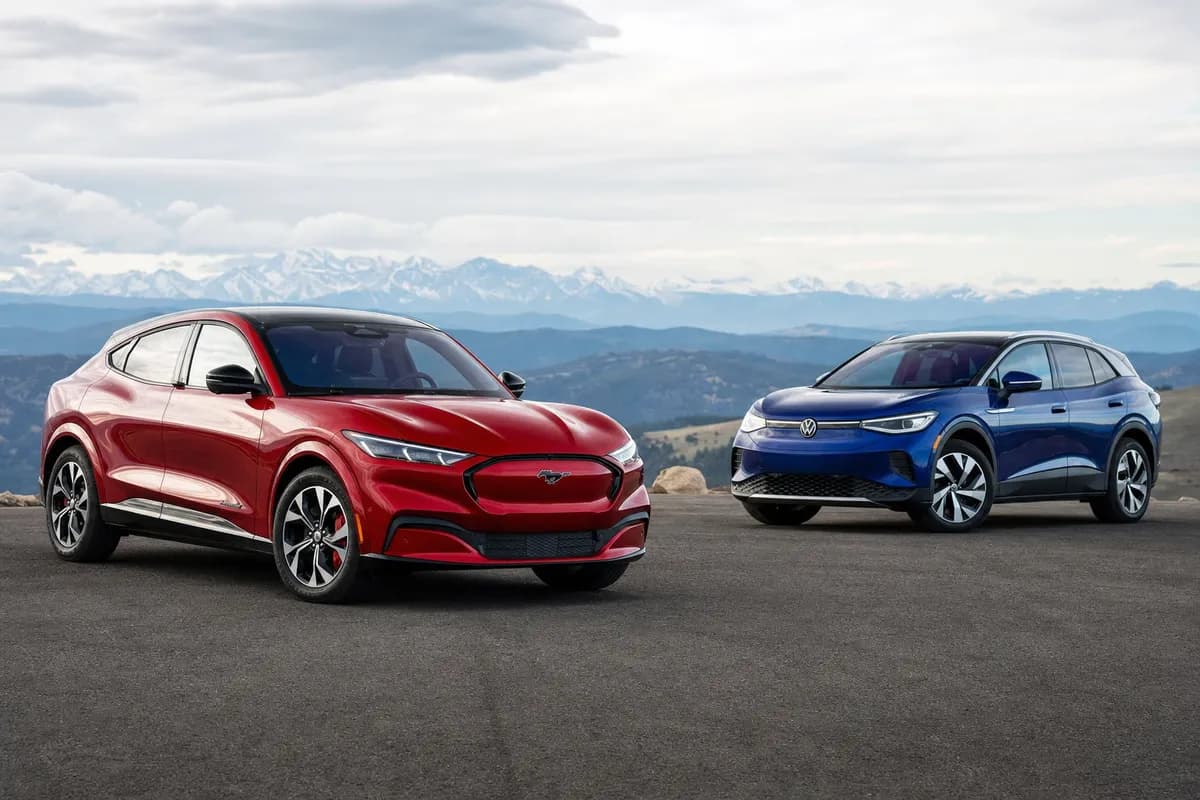
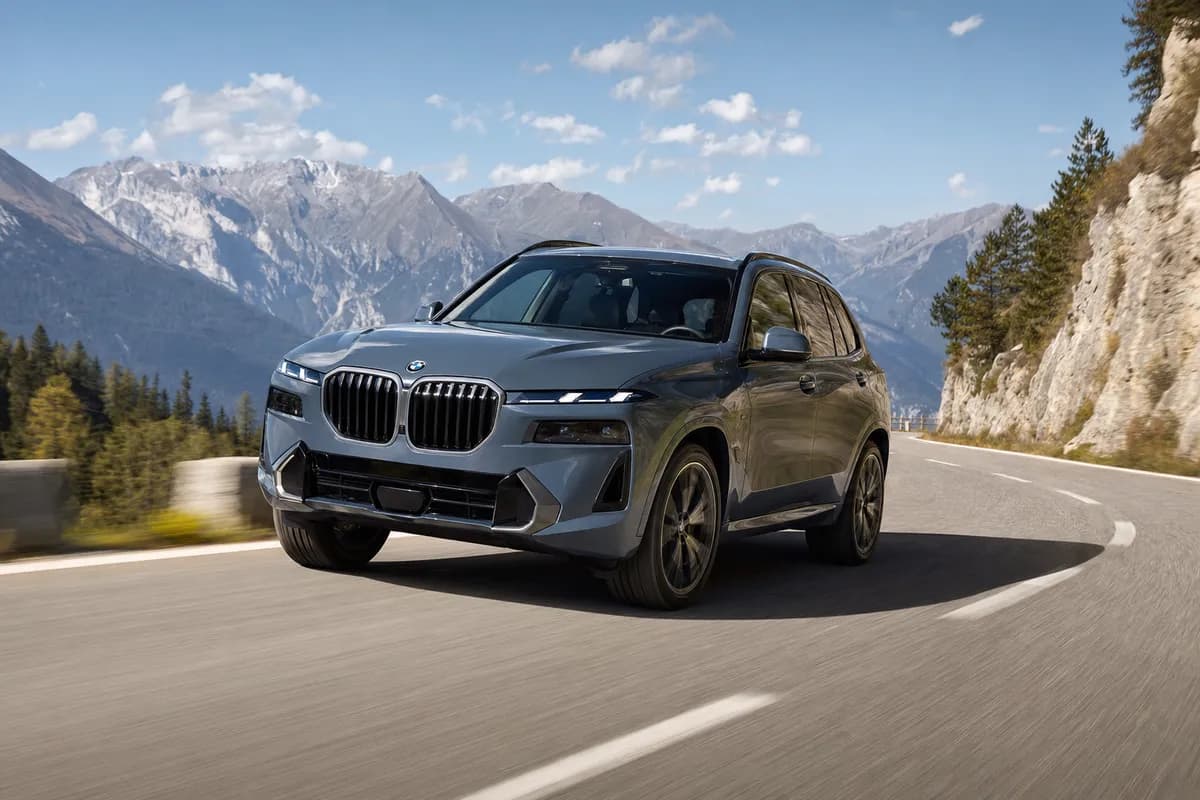
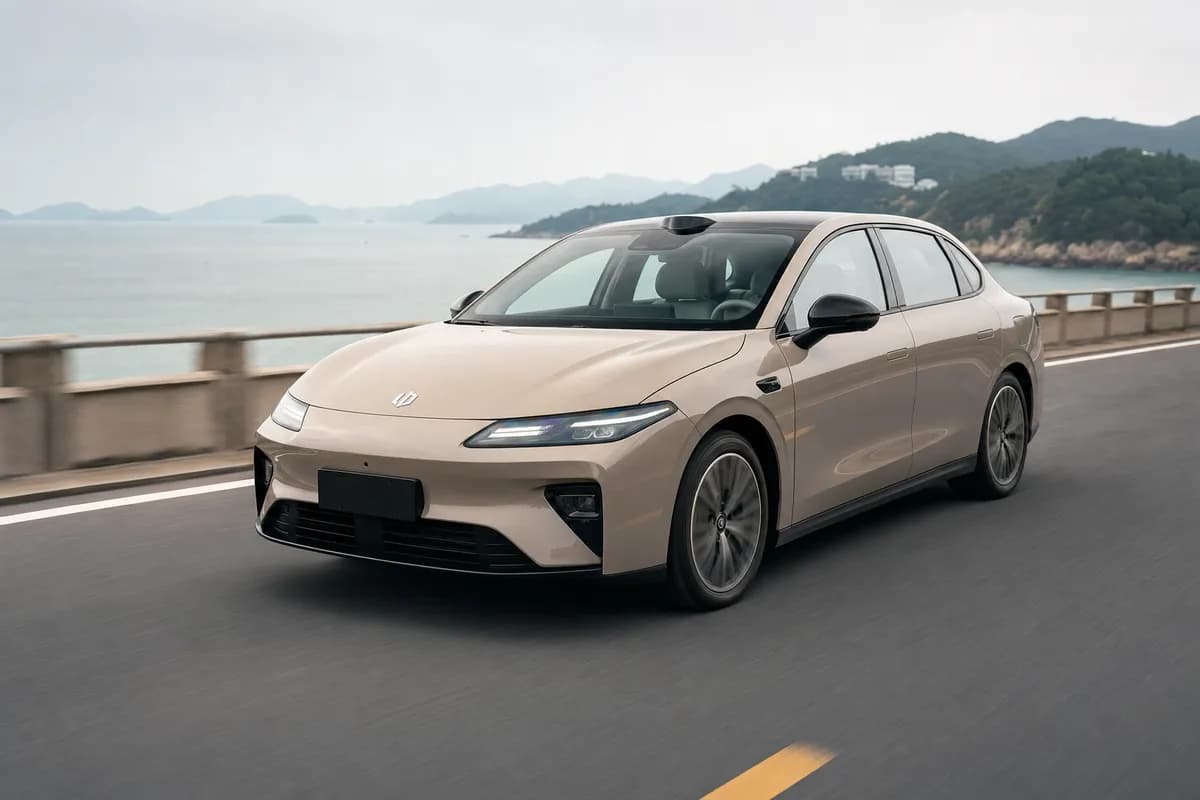
The 2025 Volkswagen ID.4 and Ford Mustang Mach-E are what happens when the family crossover gets plugged into the wall and told to stop being boring. One is a sensible German-American appliance with a surprisingly strong right hook.
The 2025 Volkswagen ID.4 and Ford Mustang Mach-E are what happens when the family crossover gets plugged into the wall and told to stop being boring. One is a sensible German-American appliance with a surprisingly strong right hook. The other wears a galloping pony badge and would very much like you to forget it is, fundamentally, a five-door electric crossover. Both are roomy, quick, quiet, and cheaper to run than a turbocharged gas SUV. But they are not the same animal. The ID.4 is the calmer, comfier, value-driven choice. The Mustang Mach-E is the sharper, faster, flashier one. If you want the short version: buy the Volkswagen if your life involves school runs, potholes, and federal tax-credit math. Buy the Ford if you still take the long way home.
Powertrains, Range, and Charging: Numbers That Actually Matter
Volkswagen’s ID.4 lineup is built around two battery choices in the U.S. market: a smaller 62-kWh pack for the entry models and an 82-kWh pack for the Pro trims. The big news carried into 2025 is the stronger motor on the larger-battery models. Rear-wheel-drive ID.4 Pro models make 282 horsepower, while dual-motor AWD versions produce 335 horsepower. That is a huge improvement over the earlier 201-hp ID.4, which moved with all the urgency of a washing machine on eco mode.
EPA range for the updated ID.4 lands as high as 291 miles for the rear-drive Pro and about 263 miles for the AWD Pro, depending on trim and wheel size. The smaller-battery Standard version is closer to the low-200-mile zone, which is fine for commuters but not the one I would buy unless the deal is spectacular.
The Mustang Mach-E counters with a broader, more performance-skewed range. Ford offers standard-range and extended-range battery options, with rear- or all-wheel drive, plus hotter GT and Rally variants. Depending on configuration, the Mach-E ranges from roughly 230 to 320 miles on the EPA cycle. The sweet spot is the Premium Extended Range RWD, which has been rated up to 320 miles. Add AWD and you trade some range for traction and acceleration.
- Volkswagen ID.4 Pro RWD: 282 hp, up to 291 miles of EPA range
- Volkswagen ID.4 AWD Pro: 335 hp, about 263 miles of EPA range
- Ford Mustang Mach-E Premium Extended Range RWD: up to 320 miles of EPA range
- Ford Mustang Mach-E GT: 480 hp, seriously quick, but less efficient
- Ford Mustang Mach-E Rally: 480 hp, raised stance, dirt-road theater included
Charging is where neither of these crossovers embarrasses itself, but neither punches like a Hyundai Ioniq 5 or Kia EV6 on an 800-volt architecture. The ID.4 with the 82-kWh pack can DC fast-charge at up to about 175 kW, while the smaller pack is lower. A 10-to-80-percent charge is typically in the high-20-minute range under good conditions. The Mach-E peaks around 150 kW, and Ford has improved the charging curve over the years, but a 10-to-80-percent stop still typically takes around the low-to-mid 30-minute range depending on battery and conditions.
Here is the charging reality: the Volkswagen can be a little quicker at peak rate, but Ford has a strategic advantage because Mach-E owners are gaining access to the Tesla Supercharger network with the proper adapter. That matters. Public charging is not just about kilowatts; it is about whether the charger exists, works, and is not blocked by a Nissan Leaf from 2013 with a rideshare sticker and existential damage.
Driving Feel: The Ford Has the Moves, the VW Has the Manners
The Mustang Mach-E is the more entertaining machine. That should not surprise anyone, though Ford’s decision to call it a Mustang still causes certain V8 traditionalists to turn the color of barbecue sauce. In normal trims, the Mach-E feels alert and responsive. The steering is heavier than the ID.4’s, the body control is tighter, and the accelerator mapping has more snap. The GT is properly rapid, with 480 hp and available performance hardware that can shove it to 60 mph in the mid-three-second range. That is sports-sedan territory, not “eco crossover” territory.
The Mach-E also has a sense of attitude. It squats when you punch it, rotates more eagerly than the VW, and feels happiest being driven with intent. It is not a Porsche Macan EV, and it cannot hide its weight forever, but on a twisting road the Ford has the clearer pulse. The Rally version adds a lifted stance, specific chassis tuning, and a layer of gravel-road cosplay that is more convincing than it has any right to be.
The ID.4 is not trying to be the fun one. It is trying to be the one that makes your commute feel less like a punishment invented by city planners. Its ride is more settled, its cabin is calmer, and its steering is light without feeling sloppy. The rear-drive ID.4 has a lovely tight turning circle, which makes parking-lot work genuinely easy. The AWD Pro is quick enough now, hitting 60 mph in roughly five seconds, and the rear-drive Pro is no longer a rolling apology. But even with 335 hp, the Volkswagen does not egg you on. It just gets on with it.
That difference defines the whole matchup. The Ford is the EV crossover for someone who still notices apexes. The Volkswagen is for someone who notices road noise, seat comfort, and whether the kids are asleep in the back. Both are valid. Only one is fun.
Alex’s take: The Mach-E drives like Ford cared about your pulse. The ID.4 drives like Volkswagen cared about your blood pressure.
Interior, Space, and Daily Use: Volkswagen Wins the Family Test
The ID.4’s cabin is not flashy, but it is roomy in a way that makes the numbers feel honest. Rear-seat space is excellent, the floor is flat, visibility is good, and the seats are built for long-haul comfort rather than showroom drama. Cargo capacity is 30.3 cubic feet behind the second row and 64.2 cubic feet with the rear seats folded. That is more maximum cargo space than the Mach-E, and the ID.4’s boxier shape makes it easier to load bulky objects.
The Mach-E offers 29.7 cubic feet behind the second row and 59.7 cubic feet with the seats folded. But Ford claws back some practicality with a useful front trunk of about 4.7 cubic feet. The ID.4 has no frunk, which feels like a missed opportunity in an EV. Volkswagen will tell you there are components up there. Fine. I will tell you I still want somewhere to put a wet charging cable or a bag of takeout that smells like garlic and poor decisions.
Infotainment is where Volkswagen has spent years trying to escape from its own bad ideas. Early ID.4 models had laggy software and touch-sensitive controls that seemed designed by someone who had never driven a car while wearing gloves, holding coffee, or being alive. The newer 82-kWh models get a larger 12.9-inch touchscreen, improved software, and backlit sliders. It is much better. Not perfect, but at least no longer an active prank.
Ford’s 15.5-inch vertical touchscreen is more visually dominant and generally easier to live with. The physical volume knob embedded in the screen remains a small but appreciated act of mercy. Wireless Apple CarPlay and Android Auto are available in both vehicles, but Ford’s interface feels more modern and more confident. The Mach-E also offers BlueCruise, Ford’s hands-free highway driving system, which is one of the better systems of its kind when used on mapped roads. Volkswagen’s driver-assist suite is competent, but Ford’s highway assist tech has more polish and more personality.
Where the ID.4 fights back is comfort. The Volkswagen’s ride quality is better over broken pavement, and its cabin feels less performative. The Mach-E’s sloping roof and sportier posture make it feel cooler from the curb, but the ID.4 feels more like a proper family SUV from the inside. If your passengers include adults, teenagers, car seats, dogs, or anyone prone to complaining, the VW is the easier sell.
Price, Ownership Costs, and the Tax-Credit Trapdoor
Pricing is where this fight gets interesting. The Ford Mustang Mach-E has become more aggressive on price, with 2025 models starting in the mid-$30,000 range before destination, depending on trim and final market adjustments. The Volkswagen ID.4 traditionally starts closer to the upper-$30,000 range, with Pro and AWD Pro models climbing into the mid-to-upper $40,000s before options.
But sticker price is only the opening bid. The ID.4’s biggest weapon is eligibility for the $7,500 federal EV tax credit on qualifying purchases, thanks to U.S. assembly and battery-sourcing compliance. Buyer eligibility and trim details matter, so do not wander into a finance office assuming Uncle Sam is automatically buying your floor mats. But when the credit applies, the ID.4 can become dramatically cheaper in the real world.
The Mach-E’s federal purchase-credit status has been more complicated, and shoppers often see stronger support through lease incentives rather than a straight purchase credit. Ford has also used rebates and dealer cash to keep the Mach-E competitive against the Tesla Model Y, Hyundai Ioniq 5, Kia EV6, Chevrolet Equinox EV, and Volkswagen ID.4. Translation: the best Mach-E deal may be on a lease, while the best ID.4 deal may be on a purchase.
Maintenance costs should be low for both. No oil changes, fewer wear items, regenerative braking that extends pad life, and fewer powertrain parts to explode expensively. Tire wear is the asterisk. These are heavy EVs with instant torque, and the Mach-E GT in particular can chew through rubber if you drive it like the badge encourages you to. Insurance may also be higher on the Ford, especially in GT form, because 480-hp crossovers do not usually get charity rates from insurers.
Resale is harder to call. The EV market is moving fast, and depreciation has been ugly across much of the segment. Tesla price cuts, battery-tech improvements, and incentive swings have made used EV values about as stable as a shopping cart with one bad wheel. If you are risk-averse, leasing either one is not cowardice. It is strategy.
Verdict: Which Electric SUV Should You Buy?
The 2025 Volkswagen ID.4 and Ford Mustang Mach-E are both good electric SUVs, but they are good in different ways. The Volkswagen is the better appliance, and I mean that as praise. It is roomy, comfortable, quiet, easy to drive, and now powerful enough that you no longer have to apologize for buying the sensible one. With the federal tax credit in play, it can also be the smarter financial move. If you want a calm family EV with generous cargo space, a cushy ride, and painless daily manners, the ID.4 is the one to put in your driveway.
The Mustang Mach-E is the better car to drive. It has sharper steering, stronger performance options, better infotainment, available BlueCruise, a useful frunk, and a personality that the ID.4 simply does not possess. In Extended Range form, it can also go farther than the Volkswagen. In GT form, it will make passengers swear before the first traffic light. It is less practical in shape, less soothing over bad roads, and potentially more expensive depending on incentives, but it has the charisma advantage by a mile.
- Buy the Volkswagen ID.4 if: you want maximum comfort, better cargo versatility, strong value with the tax credit, and a calmer family EV.
- Buy the Ford Mustang Mach-E if: you want quicker acceleration, sharper handling, better tech, longer available range, and a crossover that does not feel like it was designed by a committee allergic to fun.
- Best ID.4 pick: Pro RWD for range and value, or AWD Pro if winter traction matters.
- Best Mach-E pick: Premium Extended Range RWD for the range sweet spot, or GT if your inner child has access to your bank account.
Final call: The ID.4 is the smarter buy for most households. The Mustang Mach-E is the one I would rather drive home after the photo shoot. Head says Volkswagen. Heart says Ford. For once, both organs have a decent argument.
Affiliate disclosure: This article contains affiliate links. RevvedUpCars may earn a small commission on qualifying purchases at no extra cost to you.