Sarah Greenfield examines Volkswagen's 20 new 2026 models - decisive EV strategy or portfolio overload? Read our analysis on VW EV strategy, Audi and SUVs.
In this article
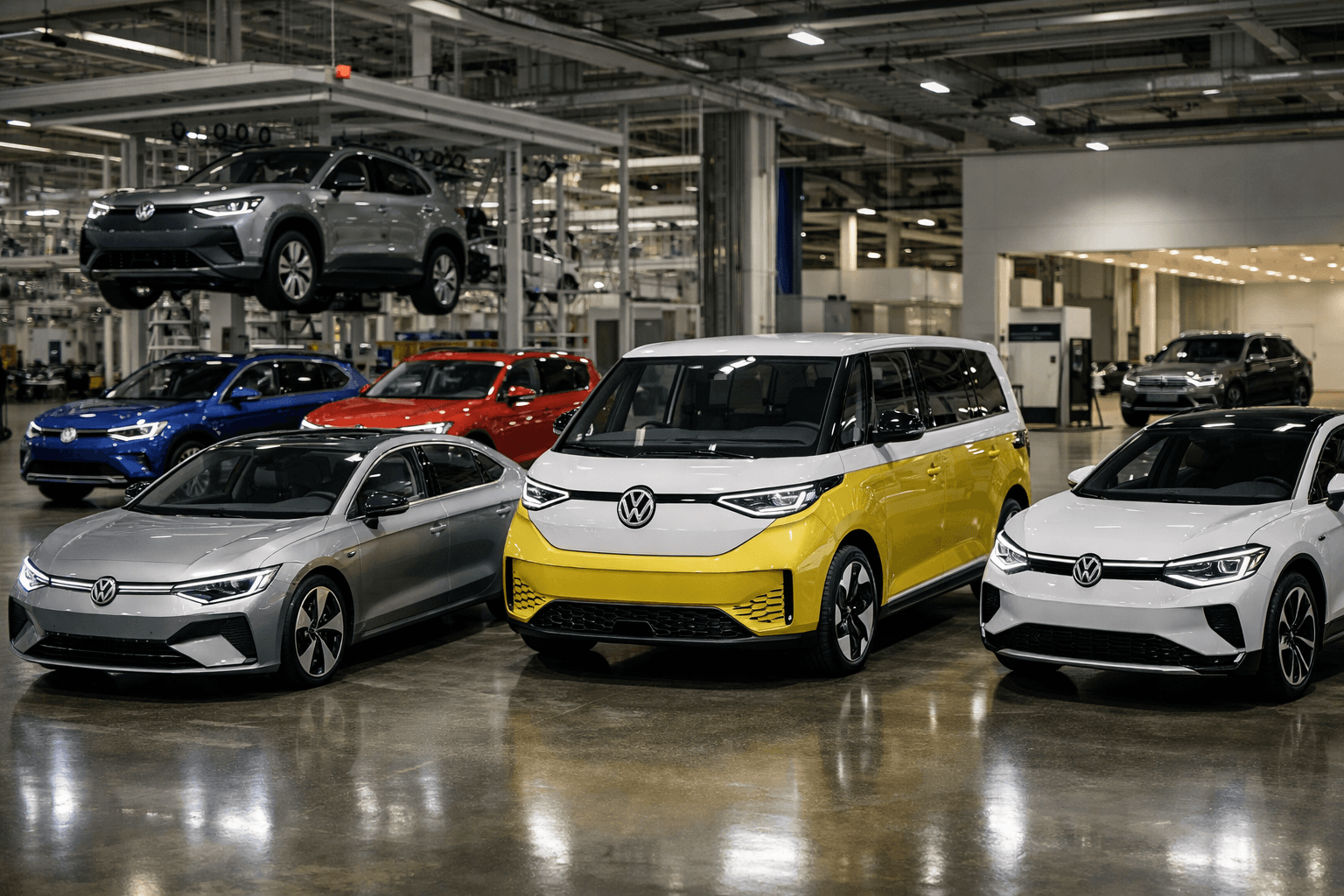
Volkswagen Group confirmed on March 20, 2026 that it will launch 20 new or significantly updated vehicles globally this year, spanning Volkswagen, Audi, Skoda, and Porsche brands. The ambitious rollout, anchored by the Volkswagen 2026 models plan, includes a wave of EVs, refreshed SUVs, and region-specific combustion models aimed at stabilizing market share in Europe and China.
This is not a routine mid-cycle refresh. Volkswagen delivered 9.2 million vehicles worldwide in 2025, according to company figures, but operating margins remain under pressure—particularly at the core VW brand, which posted returns below its 6.5% target per recent earnings calls. A 20-model blitz signals both urgency and opportunity.
However, the key question isn’t volume. It’s focus. Is this a coherent EV-led strategy—or a portfolio overload at a time when consumers are already overwhelmed with choice?
The Headlines
What: Volkswagen Group to introduce 20 new or updated models for 2026 across brands
Who: Volkswagen, Audi, Skoda, Porsche
When: Rolling launches throughout 2026 model year
Impact: Expanded EV and SUV lineup aimed at defending market share in Europe and China
Key Number: 20 models in one year
What Happened
Volkswagen’s March 20 strategy update outlined a product offensive centered on compact EVs, next-generation VW SUVs, and Audi’s PPE-based electric models. According to the company’s newsroom release, at least eight of the 20 vehicles will be fully electric, including the production version of the ID.2all small EV and new electric SUVs for Audi.
Audi will launch updated Q6 e-tron variants and expand its EV portfolio in Europe and China, a critical move given its recent struggles in the region. As we’ve covered in our analysis of the Audi China sales slump, aggressive discounting has eroded brand positioning.
Meanwhile, the VW brand will introduce refreshed Tiguan and Atlas models for North America, alongside plug-in hybrid variants tailored to EU emissions rules. Porsche is expected to roll out additional Macan EV trims as production ramps in Leipzig.
“2026 will be a decisive year for our transformation,” CEO Oliver Blume said in a statement. “We are aligning product strength with disciplined cost execution.”
Notably, the company reaffirmed its €180 billion (about $195 billion) five-year investment plan through 2028, with roughly two-thirds earmarked for electrification and digitalization, according to prior disclosures cited by Reuters.
Why It Matters
Volkswagen remains Europe’s largest automaker, controlling roughly 25% of the EU market, according to ACEA data. However, its EV strategy has faced uneven execution. Software delays at Cariad pushed back multiple launches in 2023–2024, and Chinese competitors like BYD are undercutting prices.
Therefore, the 2026 push is about defending turf. Europe’s EV sales rose nearly 20% year-over-year in January 2026, per our coverage of the Europe EV sales surge. If Volkswagen doesn’t fill every major segment—from sub-$30,000 compacts to premium SUVs—someone else will.
Additionally, tightening EU fleet emissions targets and potential U.S. regulatory adjustments—see our breakdown of the Emissions Regulations Rollback—mean automakers must hedge bets. A broad portfolio allows VW to pivot between EVs, hybrids, and efficient ICE models depending on policy shifts.
Advertisement
The non-obvious angle: scale efficiency. Spreading MEB and PPE platforms across 20 models improves component purchasing leverage and battery sourcing stability. If executed well, that could lift margins by 1–2 percentage points over time.
The Bigger Picture
Volkswagen’s history favors platform consolidation. The MQB architecture underpinned millions of Golfs, Tiguans, and A3s over the past decade, dramatically cutting costs. The Volkswagen 2026 models strategy attempts to replicate that playbook for EVs.
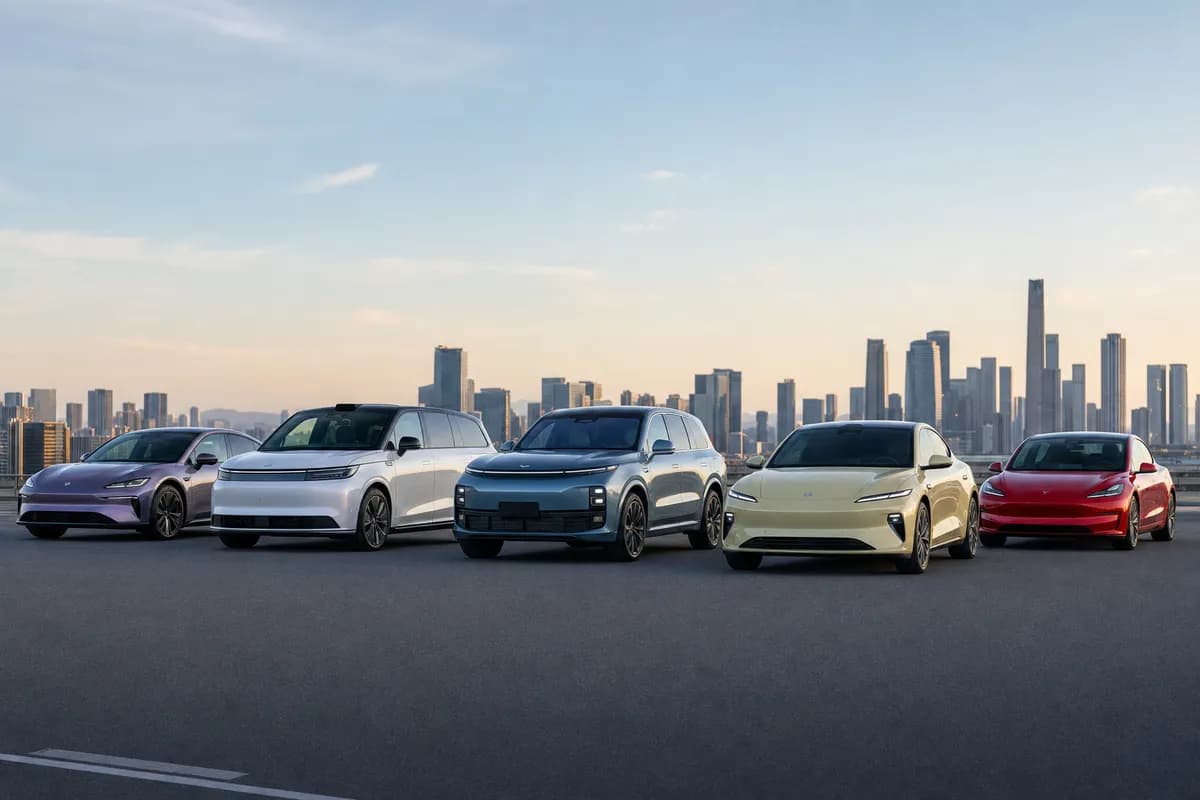
However, the global EV market is fragmenting. China’s EV penetration surpassed 35% in 2025, according to the IEA, while U.S. growth slowed amid higher interest rates and charging concerns. That divergence forces global automakers into regional tailoring rather than global one-size-fits-all launches.
Moreover, tariff risks and supply chain geopolitics complicate planning. The EU’s investigation into Chinese EV subsidies and potential retaliatory tariffs could reshape pricing. Meanwhile, U.S. sourcing rules under the Inflation Reduction Act continue to dictate battery plant locations, per Energy.gov guidance.
In short, launching 20 models is as much about risk diversification as it is about growth.
What the Competition Is Doing
Toyota is doubling down on hybrids while cautiously expanding EVs, leveraging its 14% global market share and industry-leading margins. Its strategy prioritizes profitability over speed.
Hyundai Motor Group, by contrast, is accelerating EV rollouts under the E-GMP platform. Despite discontinuing slower-selling models—see our take on the Ioniq 6 discontinuation—Hyundai and Kia continue aggressive pricing in the U.S. and Europe.
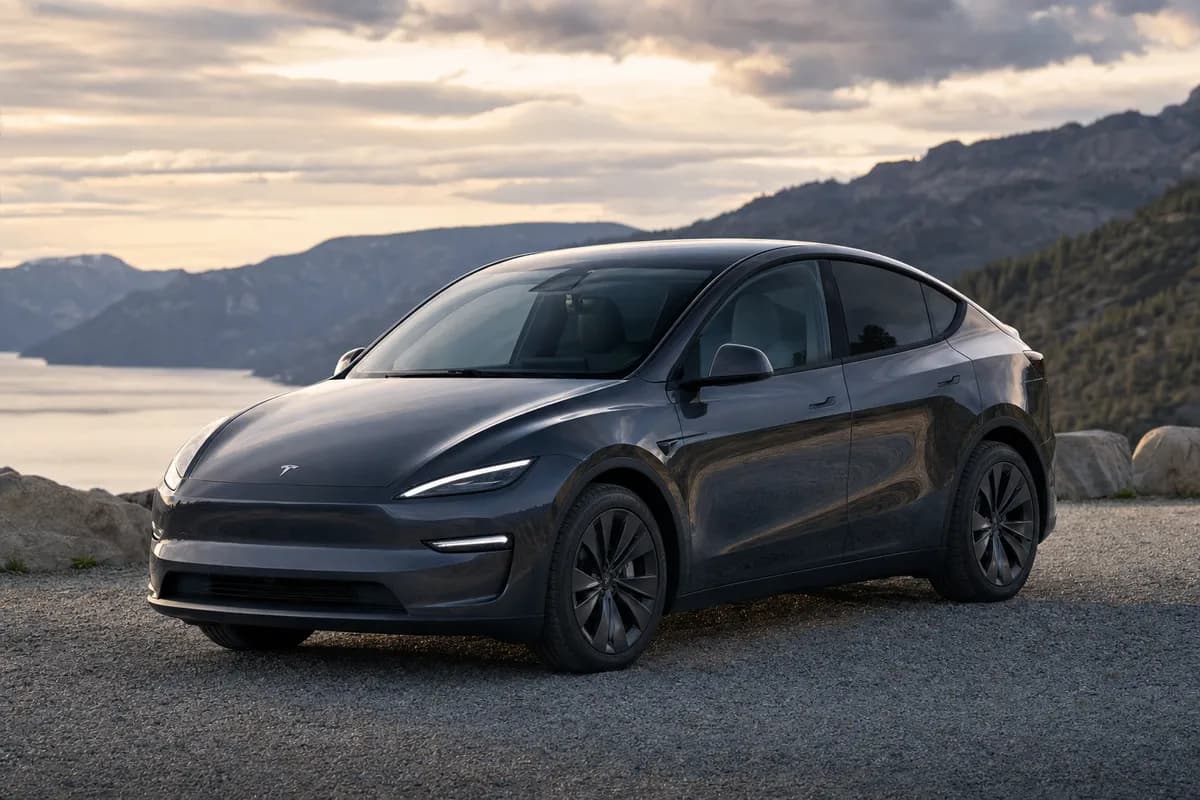
Meanwhile, Tesla remains laser-focused, offering fewer models but updating them continuously. Its February UK performance, analyzed in our Tesla UK sales report, shows the risks of overreliance on a narrow lineup when demand softens.
Additionally, Stellantis is pursuing partnerships like Leapmotor to gain low-cost EV access, rather than internally funding every segment. That contrasts sharply with VW’s capital-heavy approach.
Who wins? The company that balances speed with discipline. Historically, Volkswagen has sometimes chased volume at the expense of clarity. This time, execution will determine whether breadth becomes strength—or bloat.
What It Means for You
If you’re shopping in 2026, expect more choices—especially in compact EVs and midsize SUVs. The Volkswagen 2026 models lineup will likely introduce a sub-$30,000 European-market EV and updated family SUVs in North America.
However, more models don’t automatically mean better deals. Dealer inventory complexity can dilute incentives across trims. Therefore, shoppers should compare total ownership costs carefully, particularly between hybrids and EVs. Our EV vs Hybrid 2026 guide walks through those tradeoffs.
Additionally, software maturity remains a watchpoint. Volkswagen has improved over-the-air update capability, but early ID models experienced glitches. Buyers should verify update policies and warranty coverage.
What to Watch Next
First, monitor production timelines for the ID.2all-derived model. If it slips into 2027, Volkswagen risks ceding Europe’s affordable EV segment to Renault and Chinese entrants.
Second, watch Audi’s margins. Premium EV profitability remains thin across the industry, and heavy discounting in China could undermine brand equity.
Third, pay attention to North American SUV pricing. If VW prices refreshed Atlas and Tiguan models aggressively, it signals confidence. If incentives balloon, demand may be softer than expected.
The Upside
Broader EV coverage across price points
Improved platform economies of scale
Stronger defense of European market share
Fresh SUVs for North American buyers
The Concerns
Risk of portfolio complexity and higher costs
Potential software execution challenges
Thin EV margins in competitive markets
Overexposure if EV demand slows
Sarah's Industry Impact Rating: 8/10
This matters because Volkswagen’s ability to execute this 20-model strategy will determine whether it leads Europe’s EV transition—or falls behind more focused rivals.
Having covered Volkswagen through dieselgate, the MEB rollout, and multiple CEO changes, I’ve seen this pattern before: bold product promises paired with massive capital deployment. The difference in 2026 is that the competitive window is narrower and Chinese rivals are faster.
If Volkswagen can turn the Volkswagen 2026 models surge into disciplined, profitable growth, it solidifies its role as Europe’s industrial anchor. If not, 20 launches could look less like momentum—and more like noise.
Disclosure: This article may contain affiliate links. If you make a purchase through these links, we may earn a small commission at no extra cost to you. This helps support RevvedUpCars.com. Learn more.
Affiliate disclosure: some links on this page earn us a commission at no extra cost to you.
Mike Wrenchworth is the guy you call when something breaks, rattles, or makes a noise it shouldn’t. With 20 years as an ASE-certified master technician and a decade running his own independent shop in Austin, Texas, Mike has seen every automotive disaster imaginable—and fixed most of them. Now he shares his hard-won wisdom with RevvedUpCars readers, covering everything from basic maintenance to weekend restoration projects. Mike believes in doing it right the first time, buying quality tools, and never skipping the torque wrench. His garage currently houses a work-in-progress 1969 Camaro, a bulletproof Toyota Land Cruiser, and whatever his wife is driving this week. Mike’s philosophy: every car can be a great car with proper maintenance and a little mechanical sympathy.
Get the latest car reviews in your inbox
Join thousands of car enthusiasts. No spam, unsubscribe any time.



Comments
Leave a comment