Learn how to check if your Toyota Highlander is affected by recalls like the seatback issue. Save money with our easy VIN recall lookup guide.
You’re loading groceries, glance at your phone, and see a headline about a Toyota Highlander recall. Now you’re wondering: “Is mine on that list?” That little knot in your stomach? Yeah, I’ve seen it a thousand times at the shop counter.
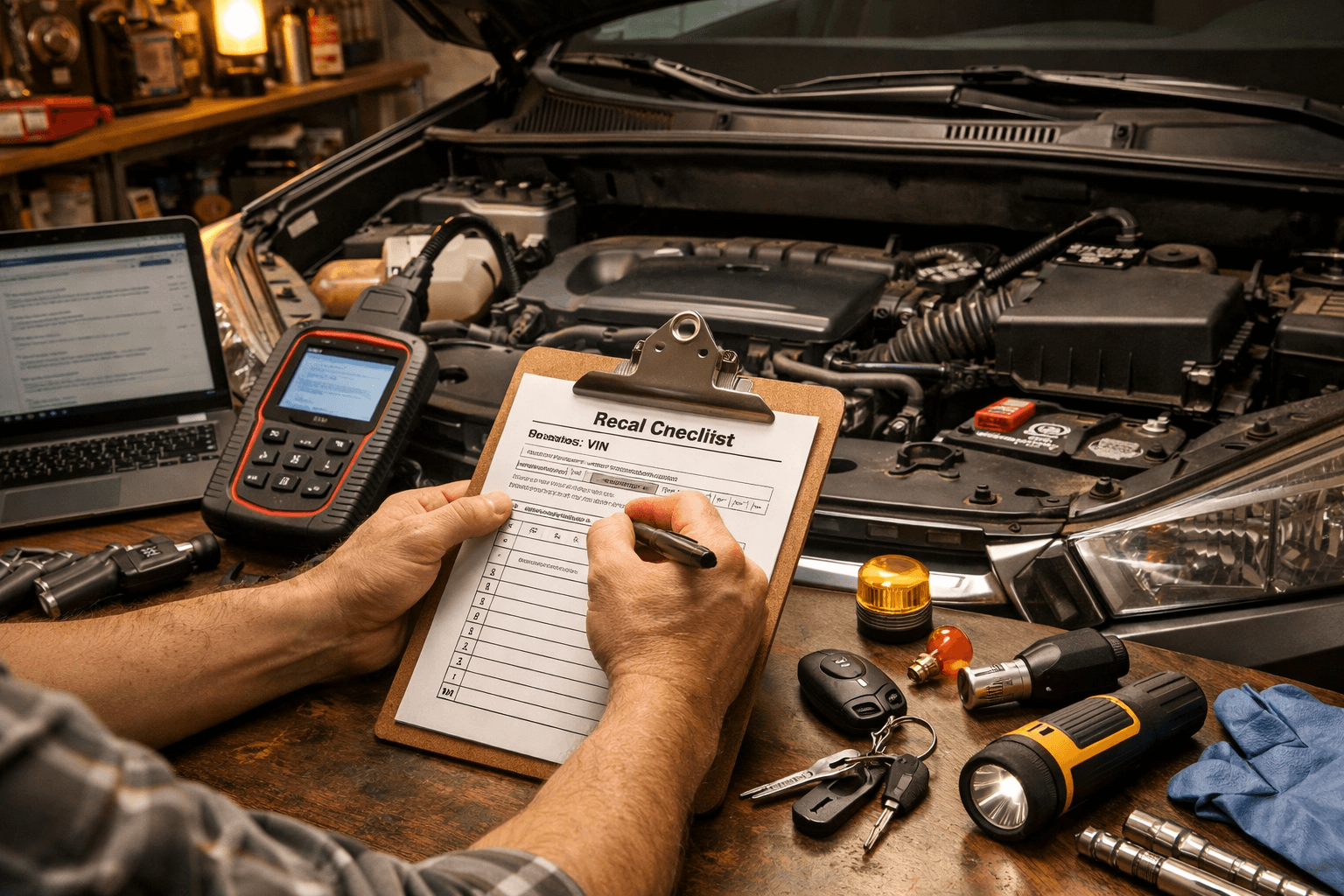
Recalls aren’t just paperwork — they can involve safety issues like a Toyota seatback issue, airbags, or braking components. Ignore it, and you could be risking your family’s safety or your resale value. In this guide, I’ll show you exactly how to check vehicle recall status using your VIN, what it means, and how to get it fixed without spending a dime.
This’ll take you 10 minutes tops. No tools, no grease — just solid info and a couple clicks.
What You'll Need
- Tools: Your 17-digit VIN (from dashboard or registration), smartphone or computer
- Parts/Materials: None — recalls are free repairs
- Time: 5–10 minutes
- Difficulty: 🔧 (1/5)
- Dealer Cost: $0 for recall repair vs DIY Cost: $0 — You Save: Potential $500–$2,000 repair bill later
Why This Matters for a Toyota Highlander Recall
In 20 years of wrenching, I’ve seen small recall issues turn into big headaches. A faulty seatback latch doesn’t sound dramatic — until you’re in a crash and it fails. That’s why the recent Toyota seatback issue made headlines.
Recalls are issued when the manufacturer or the National Highway Traffic Safety Administration (NHTSA) determines a vehicle has a safety-related defect. Toyota is legally required to fix it for free — parts and labor.
You should check vehicle recall status at least once a year, and always before a long road trip or buying/selling your SUV. I also recommend checking before a trade-in — it can affect offers. If you’re prepping to sell, read our Trade In Car Tips 2026: Maximize Your Used Car Value guide.
Before You Start
⚠️ WARNING: Never ignore an active safety recall involving airbags, seatbelts, fuel systems, or steering components. These are not “wait until next oil change” issues.
You’ll need your 17-digit VIN (Vehicle Identification Number). On most Highlanders (2001–2026), you’ll find it:
- Driver’s side dashboard (visible through windshield)
- Driver’s door jamb sticker
- Registration or insurance card
If your SUV is a 2025 or 2026 model, definitely check — newer vehicles aren’t immune. I’ve seen recalls issued within months of release.
If you’re already experiencing symptoms — loose seat movement, warning lights, brake issues — don’t wait. Check immediately and call the dealer.
Step-by-Step Guide
-
Locate and write down your VIN. Double-check every character. A “B” and an “8” look mighty similar at 6 a.m. before coffee.
-
Go to the official NHTSA recall lookup tool. Use this link: NHTSA Recall Lookup. This is the fastest way to check vehicle recall status.
-
Enter your full 17-digit VIN. Hit search. The system will show any open recalls associated with your specific Highlander.
Pro Tip: Don’t rely on generic Google results about a “Toyota Highlander recall.” Always search by VIN. Recalls often affect specific production dates, not every model year.
-
Review the recall details carefully. You’ll see:
- Recall number
- Description (example: Toyota seatback issue)
- Safety risk explanation
- Remedy (what Toyota will fix)
-
Call your local Toyota dealer’s service department. Give them your VIN and recall number. They’ll confirm parts availability and schedule the repair.
Repairs are 100% free. If a service advisor tries to charge you — that’s a red flag.
-
Check Toyota’s official site as backup. You can also verify recalls at Toyota’s Recall Page. I like double-checking both databases.
If your recall is software-related, it might be similar to issues covered in our Car Software Recall Guide: Navigate Recalls Easily. Some updates take under an hour.
Common Mistakes to Avoid
- Ignoring recall letters. I’ve seen them stuffed in glove boxes for years. That “minor” issue can turn major.
- Assuming it was already fixed. If you bought used, verify it yourself. Dealers sometimes miss open recalls at auction.
- Paying an independent shop. Recalls must be performed by a Toyota dealer — free. Don’t pay $600 for something Toyota owes you.
- Delaying parts-order recalls. Some fixes require ordering parts. Get on the list early.
- Not checking after moving states. Regional vehicles sometimes get separate notices.
I’ve seen this in the shop a hundred times — customer pays out-of-pocket for something that would’ve been covered. Don’t be that guy.
When to Call a Professional
If your Highlander shows symptoms like unstable rear seats, airbag warning lights, fuel smells, or brake softness — call immediately.
A fair price for recall work? $0. If they recommend additional repairs unrelated to the recall, ask:
- “Is this part of the recall?”
- “Can you show me the failed component?”
- “Is this urgent or maintenance?”
Red flags:
- They won’t give you paperwork showing recall completion.
- They push unrelated $1,200 “recommended services.”
- They say recalls expire (they don’t for safety defects).
If you want a broader overview of how recall systems work, check out our Car Recall Guide: Fix Your SUV Screen Efficiently.
Recommended Products
- VIN Photo Backup: Take a clear phone photo of your VIN plate. Costs $0 and saves hassle later.
- Carfax Vehicle History Report ($39.99): Helpful when buying used to see past recall completion.
- OBD2 Scanner (Autel AL319 – ~$35): Not for recall lookup, but great for checking warning lights yourself.
- Owner’s Manual: Free PDF at Toyota’s site. Know your SUV inside and out.
What I use in my own garage? A simple glovebox folder with recall paperwork and service records. Organized beats expensive every time.
Do This
- Check your VIN at least once a year
- Schedule recall repairs ASAP
- Keep documentation of completed recalls
- Verify recalls before buying or selling
Don't Do This
- Ignore recall letters
- Pay for recall repairs out of pocket
- Assume your model year isn’t affected
- Delay safety-related fixes
DIY Difficulty: 🔧 1/5
Money Saved: Potential $500–$2,000 in prevented repairs
Checking for a Toyota Highlander recall takes less time than brewing coffee, and it could protect your family and your wallet. Whether it’s a Toyota seatback issue or a software update, the fix is free — but only if you act on it.
You’ve got this. Grab your VIN, run the lookup, and schedule the repair if needed. Drop your questions in the comments if something looks confusing.
Stay safe out there, and remember — a $20 repair manual saves a $2,000 repair bill.
Disclosure: This article may contain affiliate links. If you make a purchase through these links, we may earn a small commission at no extra cost to you. This helps support RevvedUpCars.com and keeps Mike's toolbox stocked.
Learn more.
Get the latest car reviews in your inbox
Join thousands of car enthusiasts. No spam, unsubscribe any time.





Comments
Leave a comment