Used EV prices are sliding again in May 2026, creating real bargains on 2022–2025 models—here’s what to check on battery health and charging.
Used EV prices kept sliding in May 2026, and that is finally creating real opportunity for buyers. After two years of heavy depreciation, several mainstream electric models from 2022 through 2025 now cost less than a comparable hybrid or gas crossover. The catch is simple: battery condition, charging speed, and software support matter more than the badge.
Why used EV prices are still falling in May 2026
The used EV prices May 2026 picture is being shaped by three forces at once. First, Tesla’s repeated new-car price cuts from 2023 onward reset residual values across the market. Second, more lease returns are hitting dealer lots, especially for 2022 and 2023 model-year EVs. Third, incentives on new EVs have shifted again in 2026, which means some shoppers who once had to buy new can now cross-shop newer used inventory instead.
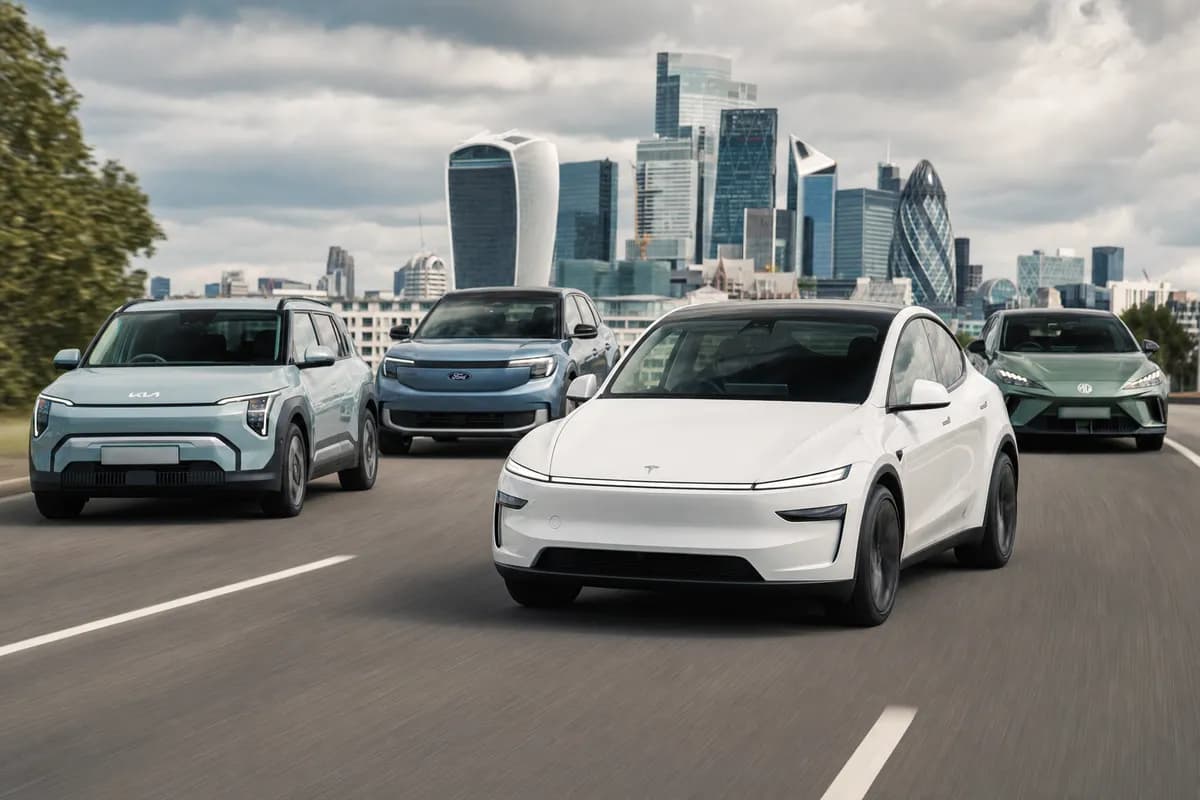
That has created a rare buyer-friendly window. In many regions, a 2022 Tesla Model 3, Hyundai Ioniq 5, Kia EV6, Ford Mustang Mach-E, Chevrolet Bolt EUV, or Volkswagen ID.4 can now be found at prices that would have looked unrealistic 18 months ago. For shoppers willing to do homework, used EV bargains 2026 are no longer limited to compromised early-generation cars.
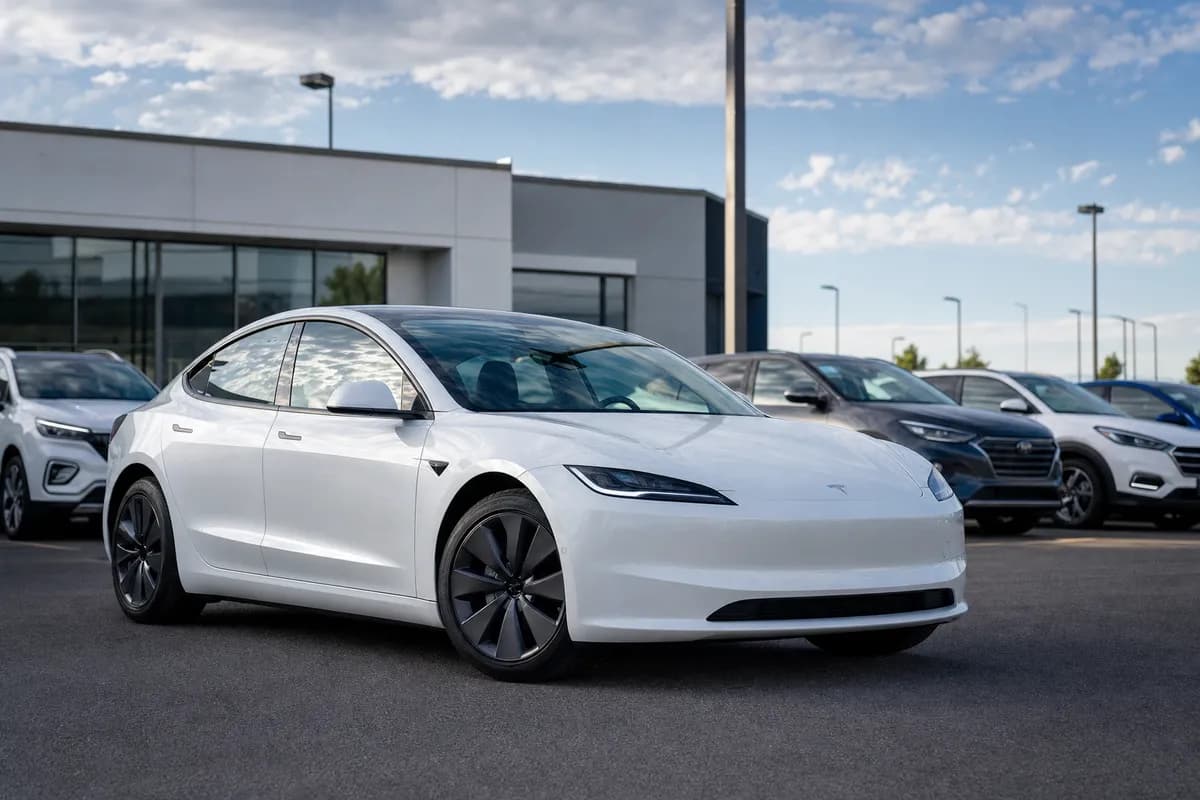
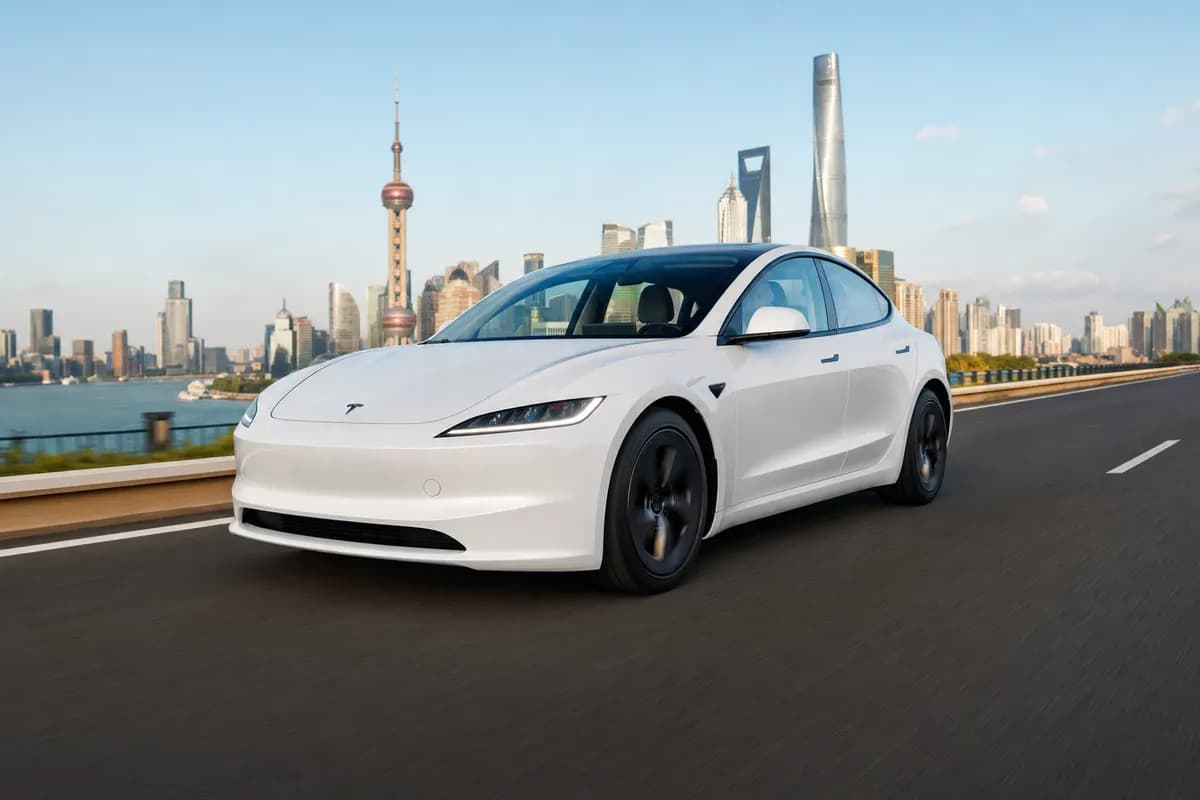
The biggest declines are showing up in compact and midsize EVs that were produced in large numbers. That includes the Tesla Model 3 used market, where strong supply has pushed down prices on rear-wheel-drive and Long Range trims, even as the car remains one of the easiest used EVs to live with thanks to charging access and software maturity.
The 2022–2025 EVs that look like genuine bargains now
Not every cheap EV is a good buy. The best values in 2026 are the models that combine meaningful range, decent DC fast-charging, solid battery durability, and a predictable ownership experience. On that basis, a few stand out.
- 2022–2024 Tesla Model 3: Still the benchmark for charging convenience. Rear-wheel-drive cars offer the lowest entry price, while Long Range versions remain the sweet spot for frequent highway driving.
- 2022–2024 Tesla Model Y: Less of a bargain than Model 3, but falling values have made higher-mileage examples much more approachable. Practicality and Supercharger access keep it near the top of many lists.
- 2022–2024 Hyundai Ioniq 5: One of the strongest used buys if charging performance is a priority. Fast 800-volt capability makes it feel newer than its price suggests.
- 2022–2024 Kia EV6: Mechanically similar to the Ioniq 5, often with sportier tuning. GT-Line and Wind trims can be especially attractive if priced close to lower trims.
- 2022–2024 Ford Mustang Mach-E: Depreciation has improved the value equation. Premium and California Route 1 trims are now easier to justify on the used market than they were new.
- 2022–2023 Chevrolet Bolt EUV: Not fast-charging by modern standards, but often one of the cheapest ways into a practical long-range EV. For home-charging households, it remains hard to ignore.
- 2023–2025 Chevrolet Equinox EV: Early used examples are starting to appear, and the value depends heavily on trim. Lower-priced front-wheel-drive versions may become standout bargains as inventory grows.
- 2023–2024 Volkswagen ID.4: Prices have softened enough to make it competitive, especially if you find an example with updated software and no history of repeated infotainment issues.
The best value depends on how you charge. If you road-trip often, Tesla, Hyundai, and Kia have the clearest edge. If you mostly plug in at home, the Bolt EUV can still make more financial sense than a pricier crossover with faster charging you rarely use.
Where the strongest value is right now
For outright price-to-capability, three models stand above the rest. The 2022–2024 Tesla Model 3 is the most rounded buy. The 2022–2024 Hyundai Ioniq 5 is the most impressive charger. The 2022–2023 Chevrolet Bolt EUV is the low-cost champion if you can live with slower DC charging.
The Mach-E sits in the middle. It does many things well, and falling resale values have made it far easier to recommend in 2026 than when supply was tight and prices were inflated. The ID.4 can also be a deal, but buyers should be stricter about software behavior and dealer service history.
Battery health matters more than age alone
The biggest mistake in battery health used EV buying is assuming model year tells the whole story. It does not. A 2022 EV with 60,000 careful highway miles and regular AC charging may have a healthier battery than a 2024 car that lived at 100% state of charge in hot weather and used DC fast chargers constantly.
State of health, charging behavior, and thermal management all matter. So does whether the car spent time in extreme heat or cold. The good news is that most of the recent EVs on this list have liquid-cooled battery packs and have generally held up better than many buyers feared.
What to check before you buy
- Battery state of health: Ask for a diagnostic report if available, or use a third-party inspection service that can read battery data. Even a rough estimate of usable capacity is valuable.
- Range versus original EPA rating: Compare current indicated full-charge range with the car’s original rating, but do not rely on this alone. Driving history and temperature can skew the number.
- DC fast-charging history: Frequent fast charging is not automatically bad, but it is worth asking about, especially on vehicles used for rideshare or delivery duty.
- Battery warranty status: Confirm what remains of the 8-year/100,000-mile or similar battery coverage. This is a major part of a used EV’s value.
- Tire wear: EVs are heavy and deliver instant torque. Uneven wear can point to alignment problems or hard use.
- Software version and recalls: Verify that all campaigns have been completed. This matters on ID.4, Mach-E, and some early Hyundai-Kia examples.
- 12-volt battery condition: A weak auxiliary battery can cause strange faults even if the high-voltage pack is healthy.
Tesla remains easier than many rivals on battery and software visibility, though inspection still matters. Hyundai, Kia, Ford, GM, and VW buyers should lean more heavily on service records and a pre-purchase inspection by a shop that understands EVs, not just general used cars.
Charging speed is the spec that separates a cheap EV from a smart buy
Range gets the headline, but charging speed often determines whether a used EV feels current or dated. For 2026 buyers, this is one of the clearest dividing lines between a bargain and a compromise.
- Tesla Model 3 and Model Y: Strong real-world road-trip usability because of broad Supercharger access and consistent charging behavior.
- Hyundai Ioniq 5 and Kia EV6: Among the quickest mainstream EVs to charge under ideal conditions, thanks to 800-volt architecture.
- Ford Mustang Mach-E: Competitive enough for regular travel, though generally not as quick to recover range as Hyundai-Kia’s E-GMP twins.
- Volkswagen ID.4: Acceptable, but more dependent on software version and charging-curve consistency.
- Chevrolet Bolt EUV: The clear outlier. Fine for local duty, but slow on long trips compared with newer rivals.
This is why some older premium-looking EVs are not necessarily the best best used electric cars 2026 choices. A lower-priced Bolt EUV works because it is honest about its mission. A more expensive crossover with middling range and slow charging can be harder to justify if you plan to travel.
Connector access also matters more in 2026 than it did a few years ago. Tesla’s ecosystem still gives the Model 3 and Model Y a practical edge. Other brands are improving access through NACS transitions and network agreements, but buyers should verify exactly what adapter support and network compatibility comes with the specific vehicle they are considering.
Why 2026 buyers could finally win
For the first time in a while, used EV shoppers have leverage. Inventory is broader, sellers are more realistic, and many 2022–2025 models now offer modern safety tech, over-the-air updates, and real 200-plus-mile usability without the sticker shock they carried when new.
The strongest buys are not always the cheapest ones. A lightly used Tesla Model 3 Long Range, Hyundai Ioniq 5, or Kia EV6 may cost more up front than a Bolt EUV or older ID.4, but better charging performance and stronger long-distance flexibility can make them the smarter long-term purchase. For buyers focused on value above all else, though, the Bolt EUV remains one of the clearest used-EV deals on the market.
The verdict is straightforward. If you want the safest all-around recommendation, start with the Tesla Model 3, Hyundai Ioniq 5, and Kia EV6. If you want the lowest-cost entry into dependable EV ownership, look hard at the Chevrolet Bolt EUV. And if you are shopping any used EV in 2026, treat battery health, warranty coverage, and charging speed as the three numbers that matter most.
Bottom line: Falling values have turned several recent EVs into legitimate bargains, not just cheap experiments. Buyers who inspect carefully and match the car to their charging habits can finally come out ahead.
Affiliate disclosure: This article contains affiliate links. RevvedUpCars may earn a small commission on qualifying purchases at no extra cost to you.