A Reuters report suggests Stellantis could produce a Dongfeng-made Voyah EV in Italy’s Mirafiori in 2026, reshaping European EV plans and 2027 buying.
Reuters says Stellantis is considering building a Dongfeng-made Voyah EV at its factory in Italy's Mirafiori complex in 2026, not France as widely summarized in some early rewrites. Even so, the reported plan matters well beyond one plant. It points to a bigger shift in how Chinese EV brands may try to enter Europe: not only by exporting cars in, but by using underused legacy factories already inside the region.
A reported Voyah build plan shows a new route into Europe
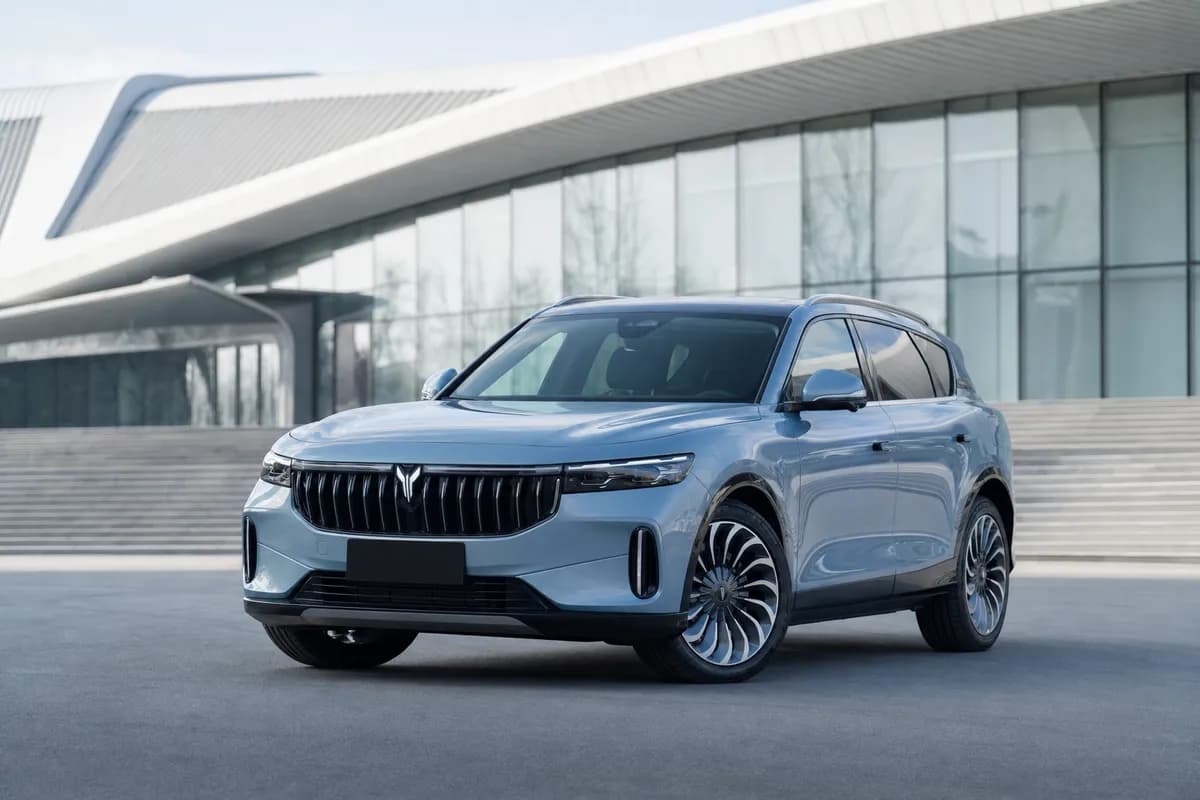
According to Reuters, Stellantis is studying whether to produce a Voyah model for Europe from 2026 at Mirafiori in Turin, a site that has struggled with low utilization as EV demand softens and local output drops. Voyah is the premium EV brand of China’s Dongfeng Motor, a longtime Stellantis partner through their Chinese joint ventures. If that plan moves ahead, it would mark a notable twist in the Stellantis Dongfeng partnership: a Chinese brand using a European legacy automaker’s factory footprint to build inside the EU.
That matters because Europe has become a tougher market for direct Chinese imports. The European Union has moved toward higher tariffs on some China-built EVs after its anti-subsidy investigation. For Chinese automakers, local assembly can reduce tariff exposure, shorten shipping routes, and make a brand look less like an outsider.
For Stellantis, the logic is different but just as clear. The company has excess factory capacity in parts of Europe, especially as some legacy models fade and EV demand remains uneven. Filling those lines with third-party or partner vehicles could help protect jobs, improve utilization, and buy time while its own model pipeline resets.
Why Mirafiori matters, and why this is bigger than one Stellantis plant
Mirafiori is symbolic because it is one of Italy’s historic automotive sites, but the real issue is industrial capacity across Europe. Carmakers built large factory networks for a market that is now in transition, with slower EV adoption than many executives expected in 2021 and 2022. Plants need volume. Chinese brands need a way in. That overlap creates opportunity.
The idea behind a Stellantis France plant story, even if the current Reuters report centers on Italy, still lands because the broader pattern could easily extend to other European sites. France, Spain, Italy, and parts of Central Europe all have factories facing pressure from changing demand, stricter CO2 targets, and model mix shifts. If one Chinese-partnered EV can be assembled in a legacy European plant, more such deals become easier to imagine.
That does not mean every idle line suddenly becomes a contract-manufacturing hub for Chinese brands. Politics, labor agreements, sourcing rules, and brand positioning all complicate the picture. But the template is emerging: European jobs and factories on one side, Chinese EV platforms and cost structures on the other.
- For automakers: local assembly can reduce tariff and logistics risk.
- For governments: it can preserve industrial employment.
- For unions: any extra volume is better than idle capacity, even if the badge is unfamiliar.
- For buyers: it may bring more EV choice at lower prices.
How this fits Stellantis’ China strategy after Leapmotor
Stellantis has already shown it is willing to use partnerships to accelerate its EV offering. The clearest example is Leapmotor International, the joint venture in which Stellantis holds a majority stake and handles overseas expansion for the Chinese EV startup. That deal gave Stellantis access to lower-cost EV architectures and gave Leapmotor immediate distribution across Europe.
The reported Voyah production study looks different from Leapmotor, but it follows the same strategic logic. Stellantis does not need every EV sold in Europe to be developed entirely in-house if a partner can fill a gap faster or cheaper. In a market where affordability is the main barrier to EV adoption, speed and cost matter more than corporate pride.
There are also brand differences to watch. Leapmotor is aimed more at value-conscious buyers, while Voyah sits higher up the market as a premium EV name. A local-build Voyah could give Stellantis and Dongfeng a way to test whether European customers will accept a Chinese premium EV more readily if it is assembled inside Europe and sold through an established industrial partner.
That creates an unusual but increasingly plausible ladder:
- Leapmotor: lower-cost, higher-volume EVs for mainstream buyers.
- Voyah: more premium positioning, potentially with local European assembly.
- Stellantis brands: Peugeot, Opel, Fiat, Citroën, Jeep, Alfa Romeo, and others covering the rest of the portfolio.
Seen that way, the Stellantis Dongfeng partnership is no longer just a legacy China-market arrangement. It could become part of Stellantis’ answer to Europe’s affordability problem in EVs.
What it means for policy, tariffs, and European EV manufacturing in 2026
The policy angle is where this story gets especially interesting. Europe wants to protect its industrial base, cut transport emissions, and reduce strategic dependence on imported batteries and cars. Those goals do not always line up neatly.
If a Dongfeng Voyah EV is assembled in Europe with significant local labor and some local parts, politicians may see that differently from a fully imported vehicle built in China. The badge may still be Chinese, but the economic footprint becomes partly European. That blurs the line between “foreign competitor” and “local manufacturer.”
It also raises hard questions about what counts as European EV manufacturing 2026. Is the key metric where the car is assembled, where the platform was engineered, where the battery cells come from, or who owns the brand? Regulators may need sharper definitions as these alliances spread.
Several pressure points will shape how these deals develop:
- Tariff policy: higher import duties make local assembly more attractive.
- Rules of origin: local content thresholds can determine trade treatment and incentives.
- Battery sourcing: cell origin still matters for cost, eligibility, and political acceptance.
- Labor politics: unions may back such projects if they preserve jobs, but they will want guarantees on volume and duration.
- Consumer trust: safety ratings, software support, and resale value will matter more than trade theory.
This is why the reported Voyah plan matters beyond Stellantis. It could become a test case for whether Europe prefers to wall off Chinese EV makers or absorb them selectively through local production and industrial partnerships.
What 2027 EV buyers in Europe should watch
For 2027 EV buyers Europe, the practical question is simple: will this produce better cars at better prices? Potentially, yes. Chinese EV makers have moved quickly on battery cost, digital features, and product cycles, while European factories still offer local assembly, supply-chain proximity, and a familiar service footprint.
If more Chinese-developed EVs are built in European plants, buyers could see three concrete benefits:
- Lower prices or better equipment: lower-cost platforms may put pressure on incumbents.
- Shorter delivery times: local assembly can reduce shipping delays.
- Better support: a car tied to a major European manufacturing and dealer network may feel less risky.
There are caveats. A locally assembled Chinese-brand EV will still need to prove itself on durability, software updates, and residual values. Premium positioning is especially difficult in Europe, where buyers often default to familiar brands unless the newcomer offers a clear edge in technology, price, or design.
Model specifics also matter. Voyah today is known for larger, upscale EVs and electrified SUVs in China, not for a cut-price city car. If Stellantis and Dongfeng want meaningful European volume, they will need a product that fits local demand: efficient, competitively priced, and sized for Europe’s roads and parking spaces.
That is why this reported 2026 production plan is less about one nameplate and more about a market structure. By 2027, European buyers may no longer sort EVs simply into “European,” “American,” and “Chinese.” They may be choosing among hybrids of all three: Chinese engineering, European assembly, and global supply chains.
Verdict: a small report with big implications
The Reuters report about a possible Voyah build at Stellantis’ Mirafiori plant is not yet a confirmed production program, and the details could still change. But the direction is credible and significant. It suggests a future where legacy European factories become gateways for Chinese EV brands rather than fortresses against them.
For Stellantis, that could help keep plants running and broaden its EV offering. For Dongfeng and Voyah, it could offer a smarter route into Europe than pure imports. For policymakers, it complicates the tariff debate. And for buyers in 2027, it could mean more choice, sharper pricing, and a very different idea of what a “European-built” EV actually is.
Affiliate disclosure: This article contains affiliate links. RevvedUpCars may earn a small commission on qualifying purchases at no extra cost to you.