Rising gasoline and diesel prices are pushing more EV demand in Europe and China, but the U.S. remains split—here’s what to expect next.
Gasoline and diesel prices are once again shaping the global auto market. In May 2026 EV sales, Europe and China are seeing a stronger pull toward electric cars, while the U.S. remains a much more fragmented story.
That split matters for buyers, automakers, and investors heading into 2027. It will decide where new EV models go, which brands gain share, and how quickly battery-electric cars move from early adoption into the mainstream.
High fuel prices are helping drive Europe and China EV growth
The core reason behind the latest divergence is simple: in many parts of Europe and China, the economics of driving electric still improve quickly when fuel prices rise. In the U.S., that math is often weaker because gasoline remains relatively cheap by global standards, charging access is uneven, and large internal-combustion vehicles still dominate the market.
Across Europe, pump prices have stayed elevated in many major markets through spring 2026, especially when measured against household incomes. That has reinforced a familiar pattern: when fuel costs bite, buyers look harder at total cost of ownership, and EVs become easier to justify despite higher sticker prices.
China is seeing a similar effect, though the market works differently. Fuel prices matter, but they are only one part of a broader system that already favors electrified vehicles through dense urban charging, aggressive local competition, and a huge range of lower-cost battery-electric and plug-in hybrid offerings.
The result is that Europe China EV growth is being supported by both policy and everyday operating costs. The U.S., by contrast, is still leaning more heavily on incentives, leasing support, and specific state-level regulations rather than a broad nationwide fuel-price shock that pushes mainstream buyers into EVs.
Why the U.S. EV market slowdown looks different in 2026
The phrase U.S. EV market slowdown needs context. Sales are not collapsing. But growth is less consistent than it was during the first wave of demand, and the market is dividing into two tiers: strong demand for the right products at the right price, and much softer demand for expensive EVs that do not clearly beat gas alternatives on monthly payments or convenience.
That is the big difference from Europe and China. In the U.S., many buyers are responding more to finance offers and charging confidence than to fuel costs alone. If gas rises modestly, that may not be enough to move a shopper out of a hybrid, a compact crossover, or a conventional pickup.
American households also tend to drive larger vehicles and log longer highway miles. That makes charging speed, towing performance, winter range, and road-trip infrastructure more important than they are in dense urban markets where smaller EVs dominate.
Several pressure points are shaping 2026 electric vehicle demand in the U.S.:
- Price sensitivity: Mainstream buyers are still highly payment-driven, especially with interest rates above the ultra-cheap financing era.
- Charging gaps: Home charging remains a major advantage, but apartment dwellers and households without dedicated parking face more friction.
- Product mix: Many U.S. EVs are still concentrated in compact luxury, premium crossovers, or expensive trucks.
- Hybrid competition: Toyota, Honda, Ford, and Hyundai are all benefiting from buyers who want lower fuel use without changing habits.
That helps explain why some EVs continue to sell well while others require heavy incentives. A Tesla Model Y, Hyundai Ioniq 5, Kia EV6, Chevrolet Equinox EV, or Volvo EX30 can still attract strong interest at the right lease rate. Larger, pricier models often face more resistance unless they offer clear performance or brand appeal.
Which automakers are best positioned as global demand splits
The current market split favors automakers with regional flexibility. Companies that can sell affordable EVs in China and Europe while also offering hybrids, plug-in hybrids, or lower-priced battery EVs in the U.S. are in the strongest position for 2026 and 2027.
BYD remains one of the clearest beneficiaries. Its broad lineup, vertical integration, and strength in both full EVs and plug-in hybrids make it well suited to markets where buyers are watching running costs closely. Models such as the Seagull, Dolphin, Atto 3, Seal, and Song family continue to show how aggressively Chinese brands can target multiple price points.
Tesla still benefits from scale, software familiarity, and an unmatched charging advantage in North America. But its position is now more market-dependent. In Europe and China, it faces much heavier price competition, while in the U.S. it remains strong where buyers value Supercharger access and mature EV packaging.
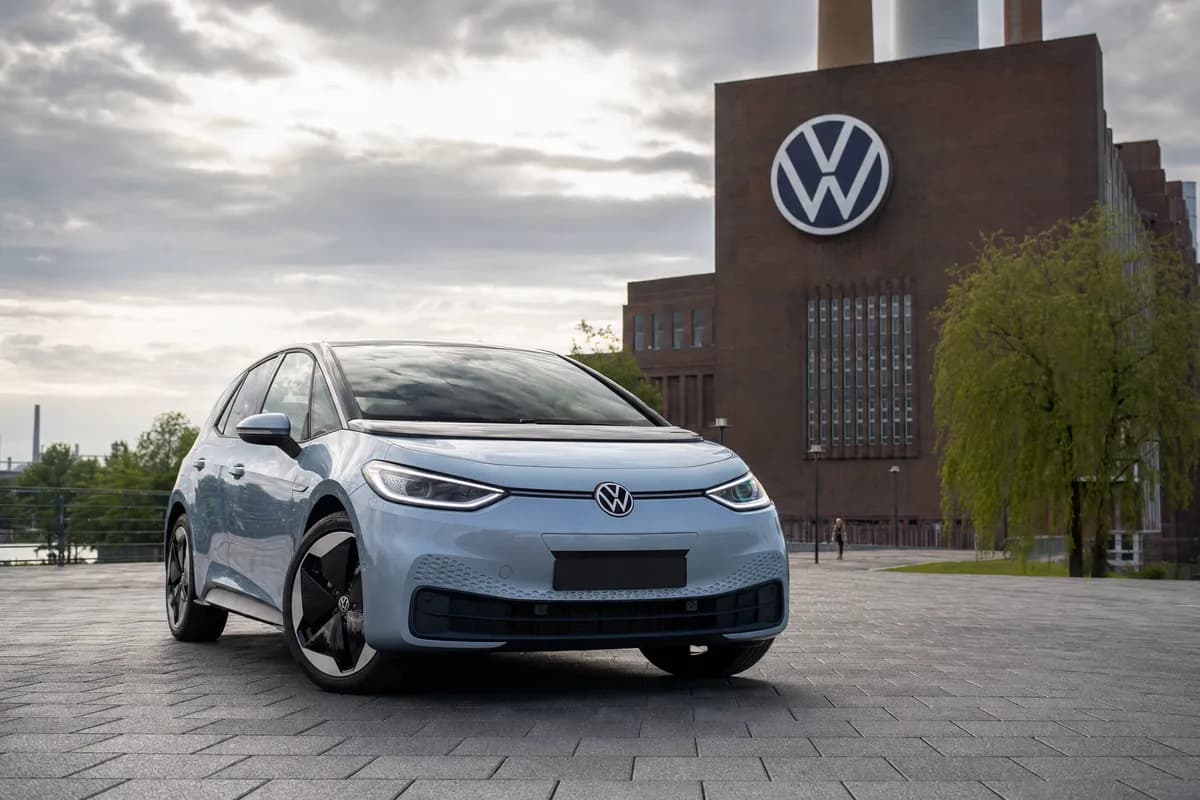
Volkswagen Group, Renault, BMW, and Stellantis all have reasons to benefit in Europe if fuel prices remain elevated and lower-cost EV launches keep coming. Vehicles such as the Renault 5 E-Tech, VW ID.3 and ID.7, Peugeot e-3008, Citroen e-C3, and BMW i4 are positioned in parts of the market where operating-cost logic can still win over buyers.
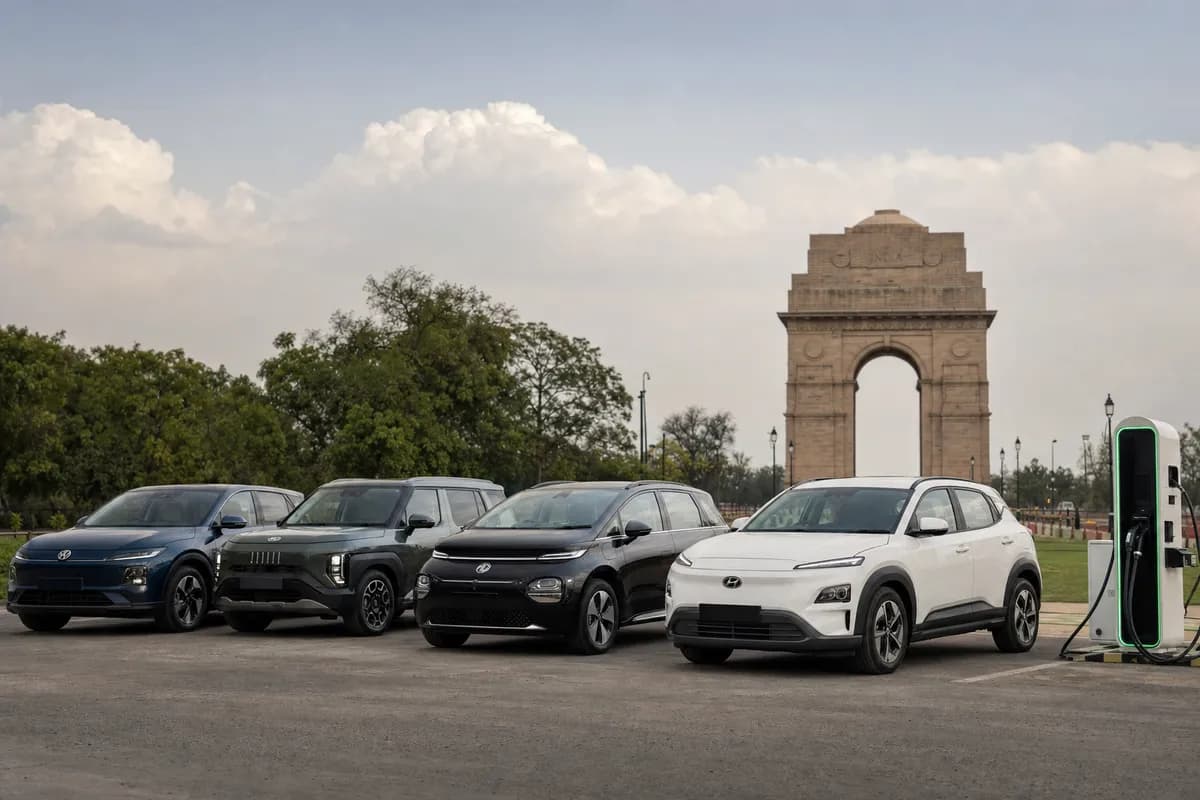
Hyundai Motor Group is one of the few global players with momentum in all three major regions. The Hyundai Kona Electric, Ioniq 5, Kia EV3, EV6, and EV9 give it broad coverage, and its charging performance remains a competitive strength. If U.S. buyers stay cautious, Hyundai and Kia can still rely on stronger overseas EV growth and hybrid demand.
GM, Ford, and other U.S.-heavy players face a more mixed outlook. Chevrolet has a real opportunity with the Equinox EV and Blazer EV if pricing and supply stay competitive, but large electric trucks remain vulnerable to payment pressure. Ford’s Mustang Mach-E stays relevant, yet the F-150 Lightning still depends on a narrower buyer base than many expected two years ago.
What May 2026 EV sales are signaling for 2027 EV market outlook
The message from May 2026 EV sales is not that global EV growth is stopping. It is that growth is becoming more regional, more price-sensitive, and more dependent on local energy economics. That is a crucial change for the 2027 EV market outlook.
Three trends now look likely for the next 12 to 18 months:
- Europe will keep rewarding efficient, lower-cost EVs. If fuel prices stay firm, smaller hatchbacks, compact crossovers, and urban EVs should continue gaining traction faster than large premium models.
- China will remain the most competitive EV market in the world. Price pressure will intensify, and domestic brands will keep forcing global automakers to move faster on cost and features.
- The U.S. will stay uneven. EV growth should continue, but mostly in segments with strong incentives, strong charging access, or highly compelling products.
That means 2027 may bring a more pragmatic EV market rather than a simple boom. Automakers will have to work harder for every sale. Affordability, charging reliability, and real-world efficiency will matter more than ambitious volume targets.
For American buyers, the likely near-term effect is more discounting and better lease deals on selected EVs, especially as brands fight for share. At the same time, hybrids and plug-in hybrids will keep taking a meaningful slice of demand from full battery-electric vehicles in the U.S. mainstream market.
What American buyers should expect next
U.S. shoppers should not read the current split as a sign that EVs are losing relevance. They should read it as proof that the market is maturing. Buyers are becoming more selective, and automakers are being forced to match products more closely to real-world needs.
For 2026 and into 2027, American buyers should expect a few clear developments:
- More aggressive EV leasing: Especially on compact and midsize crossovers.
- More affordable entries: Models such as the Chevrolet Equinox EV and Volvo EX30 point to where the market needs to go.
- Stronger hybrid push: Buyers unsure about charging will keep choosing hybrid alternatives.
- Better charging integration: Wider access to the Tesla Supercharger network will improve the ownership case for more brands.
- Less patience for expensive niche EVs: Big trucks and luxury models will need stronger incentives or clearer advantages.
The verdict is straightforward. High fuel prices are accelerating EV adoption in Europe and China because the ownership math is clearer, policy support is stronger, and the product mix is better aligned with local demand. In the U.S., 2026 electric vehicle demand is still growing, but unevenly, because cheaper fuel, infrastructure gaps, and strong hybrid alternatives are slowing the shift.
That leaves the global EV market split heading into 2027. The winners will be automakers that build affordable, efficient EVs for Europe and China while giving American buyers better prices, better charging access, and fewer compromises.
Affiliate disclosure: This article contains affiliate links. RevvedUpCars may earn a small commission on qualifying purchases at no extra cost to you.