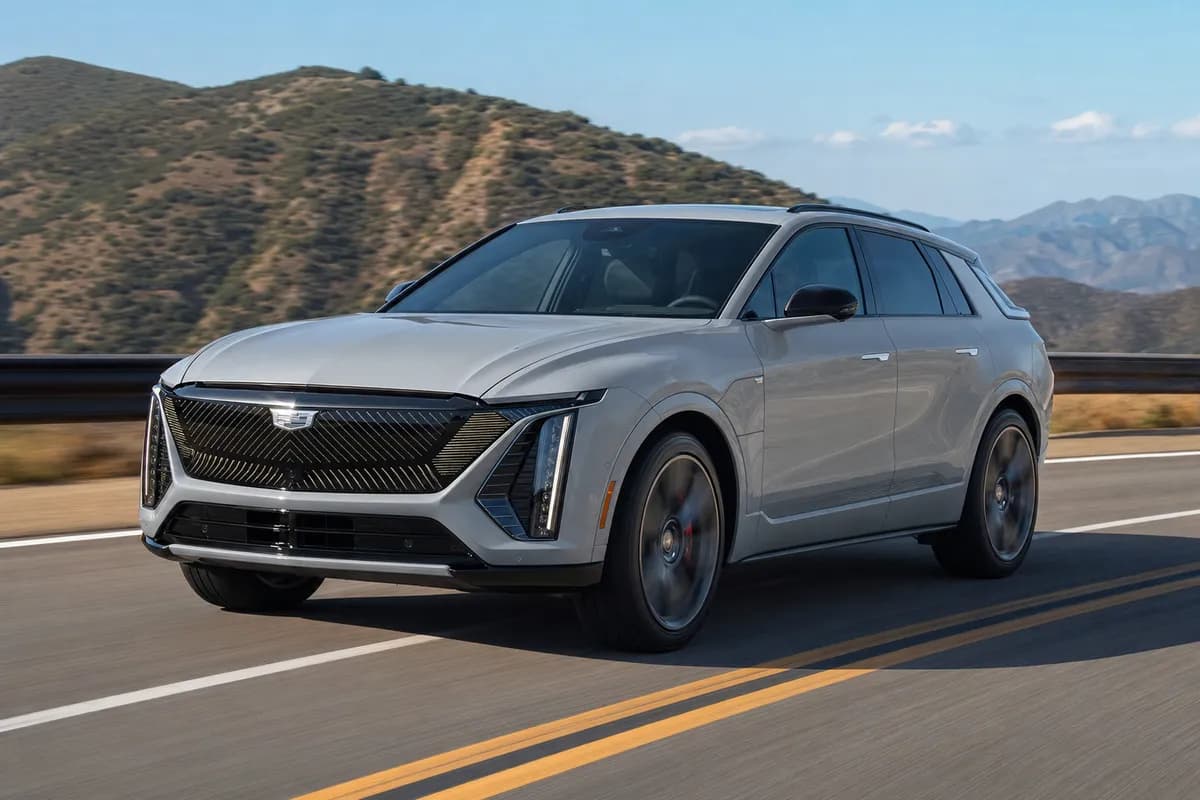
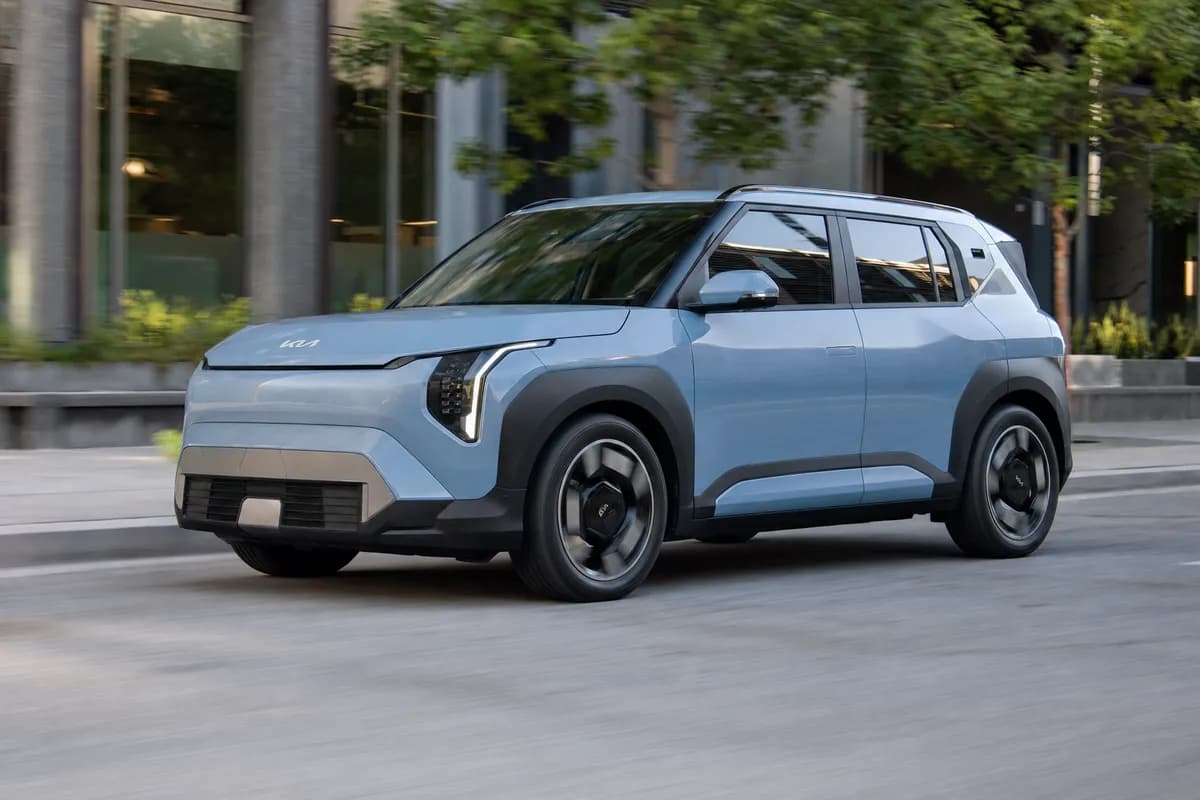
Cadillac’s 615-HP Lyriq-V goes beyond luxury EV comfort with launch control and sharper chassis tuning. Can it take the fight to the iX M70?
The 2026 Cadillac Lyriq-V arrives with a simple mission: prove an American luxury EV can do more than waft. With 615 horsepower, launch control, and real chassis work under the skin, this is Cadillac taking a swing at the BMW iX M70 and Mercedes-AMG EQE SUV. The surprise is that it doesn’t feel like a branding exercise.
The numbers finally match the attitude
The standard Lyriq has always looked sharper than it drove. The 2026 Cadillac Lyriq-V changes that immediately, because the spec sheet now backs up the sheetmetal. Cadillac says the dual-motor all-wheel-drive setup makes 615 hp and 650 lb-ft of torque, enough to shove this midsize luxury SUV from 0-60 mph in 3.3 seconds with Velocity Max engaged.
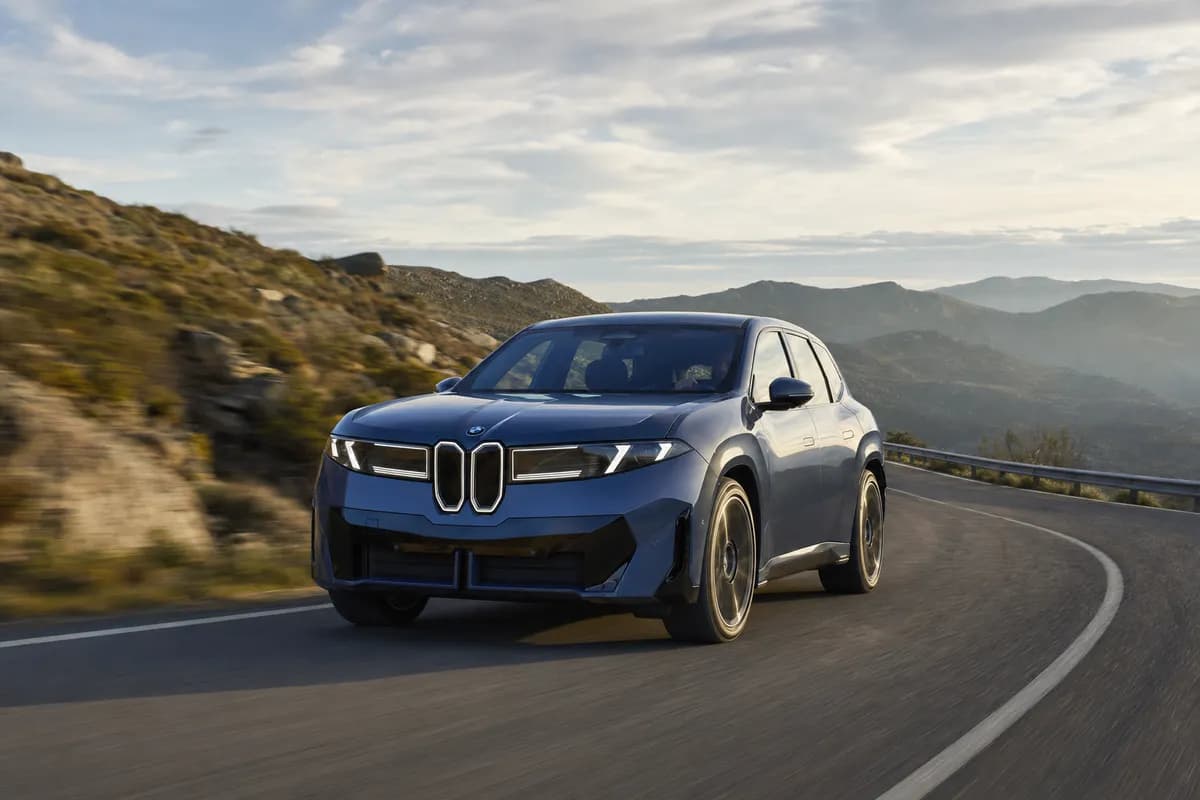
That puts it right in the thick of the modern performance-EV fight. The BMW iX M70 makes up to 650 hp and hits 60 mph in about 3.6 seconds. The Mercedes-AMG EQE SUV, depending on version, ranges from very quick to deeply absurd, with the EQE SUV AMG 53 producing up to 677 hp in Race Start trim and claiming roughly 3.4 seconds to 60.
So no, the Lyriq-V doesn’t arrive as an underdog on paper. It arrives armed. Better yet, Cadillac hasn’t leaned solely on brute force, because a fast EV SUV with no body control is just a rolling theme park ride.
- 2026 Cadillac Lyriq-V: 615 hp, 650 lb-ft, 0-60 mph in 3.3 seconds
- BMW iX M70: up to 650 hp, 0-60 mph in about 3.6 seconds
- Mercedes-AMG EQE SUV 53: up to 677 hp, 0-60 mph in about 3.4 seconds
Cadillac did the right hardware work
This Cadillac Lyriq-V first drive matters because the V badge carries baggage. Cadillac can’t slap a little extra power into a big EV and call it a day, not when BMW M and AMG have spent years building out their performance brands. To its credit, the Lyriq-V gets meaningful chassis upgrades, including recalibrated adaptive dampers, quicker steering tuning, revised suspension mapping, stronger Brembo front brakes, and a dedicated Competitive Mode.
On the road, the difference from the regular Lyriq is not subtle. The standard car can feel soft-edged and slightly remote when pushed. The V version is tighter, more alert, and much better tied down over mid-corner compressions, with less heave and less of that queasy float that ruins too many heavy electric SUVs.
Is it a lightweight athlete? Of course not. This thing still carries the mass of a luxury EV with a large Ultium battery pack, and physics always sends the invoice. But Cadillac has done a respectable job masking that weight in the first phase of a corner, and it resists falling apart when the pace goes from brisk to anti-social.
The steering is accurate if not dripping with feedback, which is par for this class. BMW still does a better job making a heavy electric SUV feel natural at turn-in, while AMG’s EQE SUV can feel hyperactive and strangely artificial when you’re really leaning on it. The Lyriq-V lands in a smart middle ground: not chatty, but predictable and easy to place.
How it feels when the road gets interesting
Put the Lyriq-V in its most aggressive drive mode, lean on the throttle, and it responds with the kind of violence only a modern performance EV can deliver. There’s no crescendo, no drama from revs climbing, just instant horizon deletion. That can get old in lesser EVs because speed is their only trick; here, the payoff is that the chassis is awake enough to join the conversation.
Cadillac’s brake tuning deserves praise, because this is where many fast EVs embarrass themselves. Pedal feel is more consistent than expected, and the transition between regen and friction braking is cleaner than in some German rivals. The Mercedes-AMG EQE SUV still has huge stopping power, but its braking experience can feel overly digitized; the Lyriq-V is more intuitive.
Ride quality remains impressively livable. That matters, because a performance luxury EV that beats you up on broken pavement is missing the point. The Lyriq-V stays firm without getting brittle, and it isolates road noise well enough to remind you this is still a Cadillac, not a track special in evening wear.
Then there’s the soundtrack. Like most performance EV audio theatrics, the synthetic enhancement is something you’ll either tolerate or disable. Cadillac’s fake aggression is no more convincing than AMG’s, and both are still chasing a solution to a problem no one asked them to create.
Range, charging, and the luxury-SUV reality check
Cadillac estimates the 2026 Cadillac Lyriq-V at about 285 miles of range. That’s the tax you pay for more power, more tire, and a heavier right foot. It’s usable, but it trails the best versions of the BMW iX, which remains one of the efficiency kings in this expensive, overpowered corner of the EV market.
DC fast-charging tops out at up to 190 kW, and Cadillac says you can add roughly 75 miles of range in about 10 minutes under ideal conditions. That’s competitive enough, though not class-leading. BMW’s iX remains a road-trip benchmark thanks to its blend of strong charging behavior and excellent real-world efficiency.
Inside, the Lyriq-V mostly builds on the regular Lyriq’s strengths. The cabin looks rich, the 33-inch curved display still has real wow factor, and material quality is finally close enough to the Germans that you don’t feel like you’re paying for aspiration alone. Some switchgear still lacks the tactile heft of a top BMW or Mercedes, but Cadillac is no longer losing this fight by knockout.
- Estimated range: about 285 miles
- DC fast-charging: up to 190 kW
- Quick-charge claim: around 75 miles in 10 minutes
- Display: 33-inch curved LED interface
BMW iX M70 comparison and Mercedes-AMG EQE SUV rival: where the Lyriq-V stands
Here’s the key question in any performance electric SUV review: would you actually choose the Cadillac over the Germans? In some cases, yes. The Lyriq-V feels less weird than the Mercedes-AMG EQE SUV and less stylistically compromised than the bulbous BMW iX, which still drives well but looks like it lost a fight with modern art.
The BMW iX M70 comparison is especially interesting because the BMW remains the more polished all-rounder. It has better efficiency, a more mature control calibration, and the kind of deep engineering gloss BMW usually nails when it’s paying attention. But the Cadillac counters with stronger design, a more conventional and appealing interior layout, and a driving experience that feels more honest than expected.
Against the Mercedes-AMG EQE SUV rival, the Lyriq-V may actually be the more convincing enthusiast choice. The AMG is brutally quick and lavish, but it can feel overly synthetic, from the steering to the digitalized performance theater. The Cadillac is still an EV SUV filtered through software, obviously, yet it comes across as less contrived.
Price will matter here, and if Cadillac undercuts both German alternatives by a meaningful margin, the argument gets much stronger. In this segment, a difference of even several thousand dollars can shift a buyer from “interesting alternative” to “serious contender.” Cadillac doesn’t need to beat BMW and Mercedes at every metric; it just needs to offer 90 percent of the experience with fewer compromises and better style.
The Lyriq-V’s real achievement is not that it’s faster than expected. It’s that it feels engineered, not merely electrified and marketed.
Verdict: Cadillac finally built a performance EV worth cross-shopping
The 2026 Cadillac Lyriq-V is not the undisputed king of the segment. The BMW iX M70 is still the benchmark for rounded execution, and the Mercedes-AMG EQE SUV remains a monster if you prioritize shock-and-awe acceleration. But Cadillac has built something rarer than a spec-sheet hero: a performance EV SUV that feels coherent.
That makes this more than a quick Lyriq with a louder badge. It’s a credible V-series EV, with real pace, better-than-expected body control, strong brake tuning, and enough luxury to justify the price of entry. If you want the best-looking option in this class and a genuine driver’s alternative to Germany’s electric establishment, the Lyriq-V deserves a spot near the top of the list.
Final verdict: yes, it has what it takes to challenge the BMW iX M70 and Mercedes-AMG EQE SUV. Not by out-Germaning the Germans, but by being something they increasingly are not: fast, stylish, and refreshingly free of gimmicky nonsense. Mostly, anyway.
Affiliate disclosure: This article contains affiliate links. RevvedUpCars may earn a small commission on qualifying purchases at no extra cost to you.