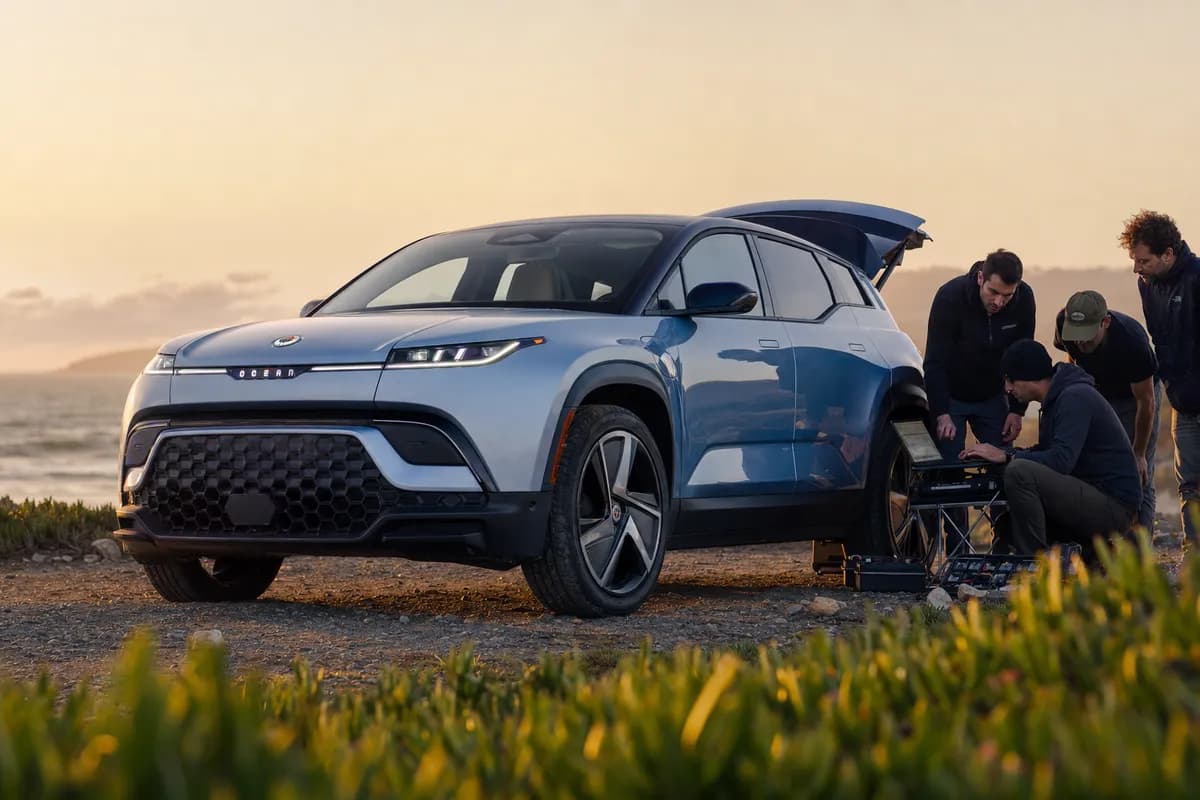
In May 2026, Fisker Ocean owners launch an open-source rescue network to share software, parts, and repair know-how so the EV can survive.
For many bankrupt automakers, the story ends when the factory goes dark. For Fisker Ocean owners in May 2026, it has shifted into something stranger and more practical: a grassroots attempt to keep a modern EV alive without a traditional automaker standing behind it.
The question now is no longer whether Fisker failed. It is whether community software projects, independent repair networks, and parts hunting can deliver enough real-world 2026 Fisker Ocean support to keep these SUVs usable through 2027.
Why the Fisker Ocean support story still matters in 2026
The Fisker Ocean is not an obscure low-volume prototype. It reached real customers in multiple markets, and thousands of vehicles remain on the road after Fisker’s 2024 bankruptcy. That leaves owners dealing with a problem that is still rare in the EV market: a relatively new software-heavy vehicle with a fractured official support structure.
The Ocean launched with several trims, including the Sport, Ultra, and Extreme, plus the limited One launch edition. EPA range figures originally stretched as high as 360 miles for some versions, making it one of the more efficient midsize electric SUVs on paper. But range only matters if the vehicle remains serviceable, connected, and safe to operate.
That is why this has become a consumer-news story rather than just a bankruptcy footnote. Owners are trying to answer three basic questions: Can the car still receive software fixes, can broken parts still be sourced, and can independent shops get enough access to perform meaningful repairs?
What the owner-led rescue network is actually trying to do
The phrase open-source car software can sound bigger than the reality. Owners are not replacing every factory control system with community code, and modern EVs are far too locked down for that to happen quickly. What they are doing is more targeted: preserving tools, documenting known issues, sharing service procedures, and exploring legal ways to maintain non-safety-critical software functions.
In practice, the emerging rescue network appears to center on four areas. Some are immediately useful. Others remain experimental and carry clear limits.
- Service documentation archives: Owners and independent technicians are compiling repair procedures, fault-code references, and parts interchange data.
- Diagnostic access: Communities are identifying scan tools, gateway workarounds, and communication methods for reading and clearing faults where legally allowed.
- Backend replacement efforts: Developers are discussing alternatives for cloud-dependent features if original servers disappear or become unreliable.
- Parts sourcing networks: Owners are sharing inventories from salvage vehicles, former service partners, and aftermarket suppliers.
The software piece matters because the Ocean, like many newer EVs, depends on digital systems for more than infotainment. Battery management, charging behavior, driver-assistance features, and even some convenience functions can be affected by firmware state and backend services. If those systems degrade, the ownership experience can deteriorate quickly even if the hardware itself is sound.
Still, there is a hard line between supporting a vehicle and fully re-engineering it. Anything involving safety systems, homologation, cybersecurity protections, or traction control calibration is far more difficult than building a phone app or patching a media interface. That is the central reality check for owners hoping community efforts alone can replace an automaker.
Software can help, but parts and physical service will decide the Ocean’s future
For stranded EVs, software gets the headlines. EV parts and service determine whether the vehicle survives. A car with stable firmware but no body modules, charge-port hardware, suspension components, or glass supply chain is still a risky daily driver.
The Fisker Ocean has one advantage here: it was built by Magna Steyr, a major contract manufacturer with deep industry experience. That does not guarantee easy parts access, but it means the vehicle was not assembled in a vacuum by a startup improvising every subsystem. Some components may share supplier roots with other programs, and that can help independent parts tracing over time.
Even so, owners face a patchwork market. High-wear and collision-related items are likely to remain the toughest categories, especially unique trim pieces, lighting units, body panels, and certain electronic control modules. Battery and high-voltage parts are a separate challenge because they require both supply and qualified labor.
Compared with unsupported legacy cars, the Ocean’s risk profile is different. A discontinued internal-combustion SUV might limp along with generic service parts and broad mechanic familiarity. A bankrupt EV often needs brand-specific electronics expertise, secure module pairing, and charger diagnostics that many independent shops still lack.
Where support looks strongest right now
- Tires, brakes, and routine wear items: Generally manageable through mainstream service channels.
- Used parts: Growing salvage inventories can help with cosmetic and some mechanical repairs.
- Independent EV specialists: A small but expanding group is willing to work on orphan EVs.
Where support remains fragile
- Proprietary electronic modules: Difficult if replacement parts require programming or factory authorization.
- ADAS and sensor calibration: Repairs may be limited by tool access and software dependencies.
- Battery pack and charging system repairs: Possible, but not widely available or cheap.
Why right-to-repair law is suddenly central to Fisker owners
The Ocean’s future does not depend only on clever owners. It also depends on whether independent shops and vehicle owners can legally obtain the information, tools, and parts needed to maintain the car. That puts the Fisker story squarely inside the broader right to repair EV fight.
Right-to-repair debates in the auto industry have often focused on access to diagnostics and telematics. For EVs, the stakes are broader. Software locks, cryptographic pairing, battery diagnostics, and cloud-managed features can all turn a physically repairable vehicle into a practical dead end if access is restricted.
For Fisker Ocean owners, that means advocacy is not abstract. If former service information, fault trees, parts catalogs, and module programming procedures remain inaccessible, then independent repair capacity will stay shallow. If those barriers loosen, the odds of keeping these SUVs roadworthy improve materially.
There is also a consumer precedent at stake. If orphaned EVs become unserviceable after a startup collapses, residual values across the sector can suffer. Buyers of newer brands notice that risk. Regulators do too.
The Fisker Ocean is becoming a test case for whether a modern connected EV can outlive the company that sold it.
What current and prospective 2026–2027 drivers should realistically expect
For existing owners, the good news is that the Ocean is not automatically doomed. Community knowledge is better than it was a year ago, salvage channels are expanding, and owner forums have matured from complaint hubs into support networks. That is a meaningful shift.
But this is still a high-risk ownership proposition. Anyone expecting seamless dealer-style coverage, guaranteed over-the-air fixes, or quick access to every replacement module will be disappointed. The Ocean can be supportable in some cases without being universally easy to support.
If you already own one, the practical playbook is straightforward.
- Secure software records: Keep documentation of your vehicle’s firmware version, known issues, and service history.
- Join owner networks: Community groups are often the fastest source for repair leads and parts availability.
- Identify a local EV-capable shop now: Do this before the car needs urgent work.
- Buy strategically: If a known-failure item becomes available used or new, some owners are sensibly stockpiling.
- Treat cloud features as non-guaranteed: Prioritize drivability, charging, and safety over convenience functions.
For shoppers considering a discounted used Ocean in 2026, the equation is simple. Price alone should not decide it. A cheap EV with uncertain module support and thin repair access can become expensive fast.
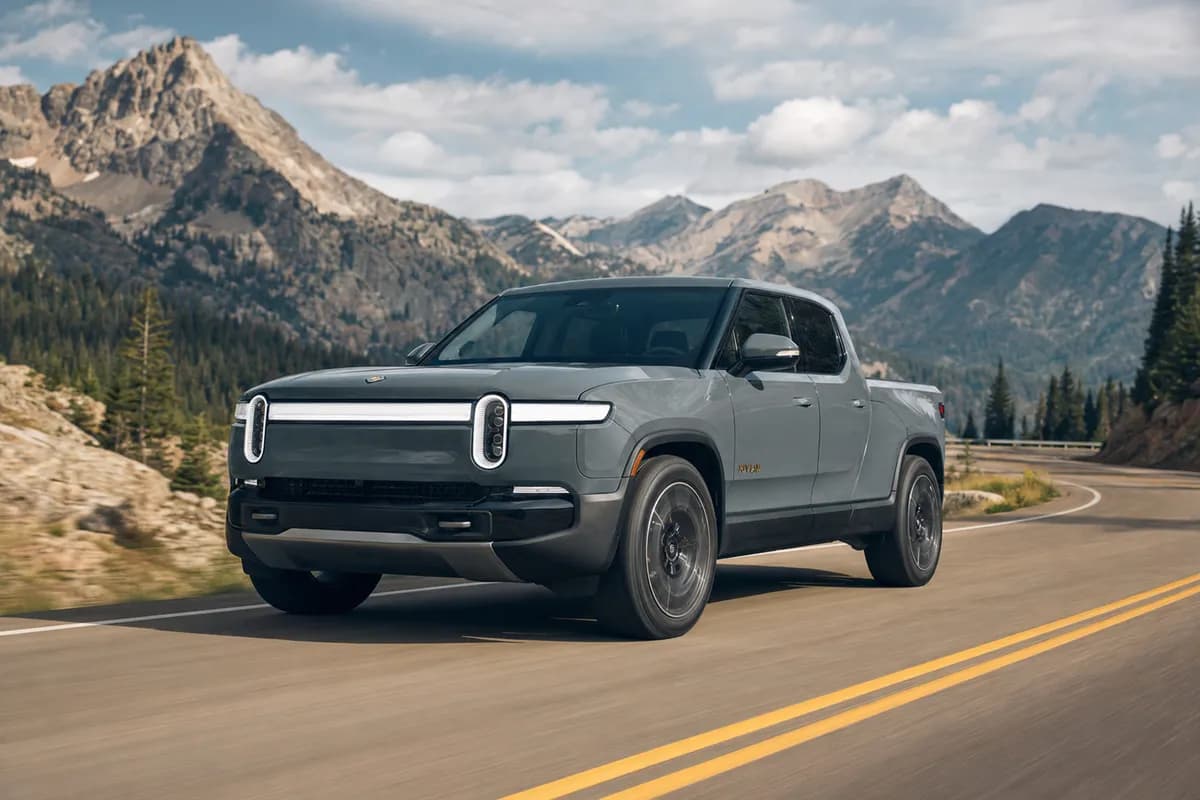
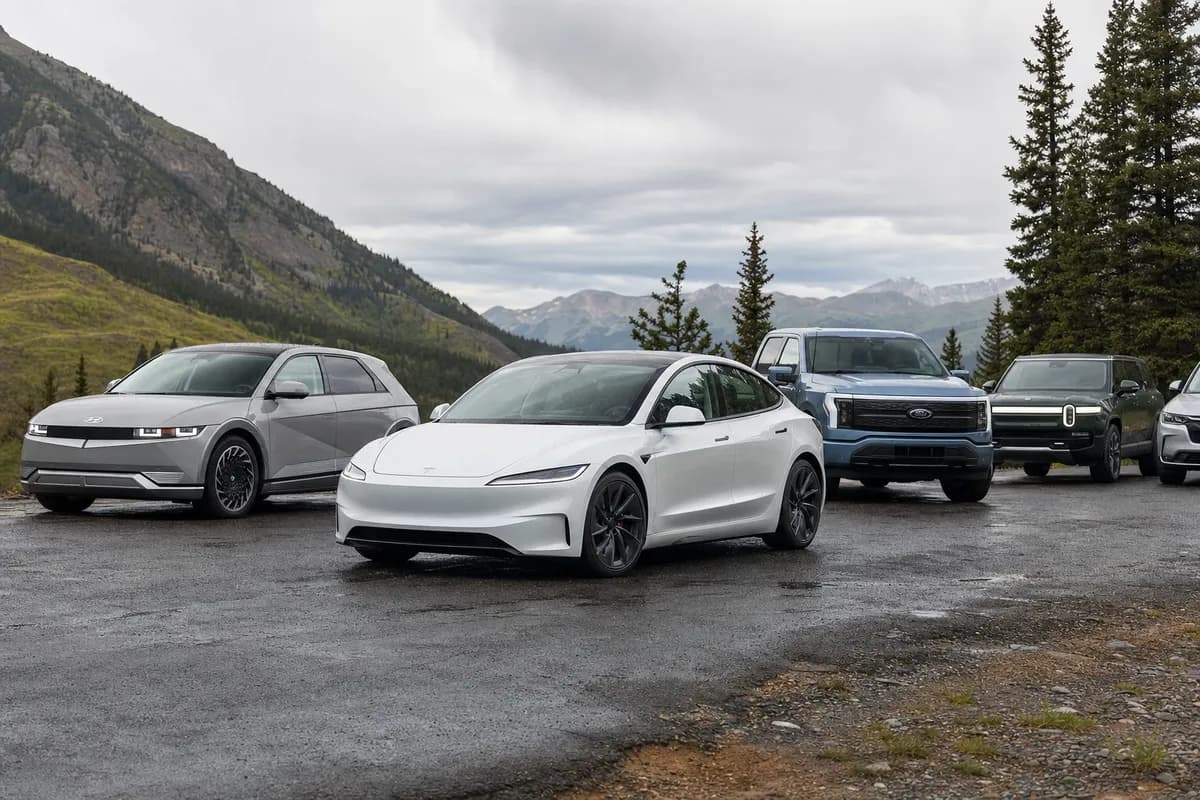
Cross-shopping matters. Compared with a used Hyundai Ioniq 5, Ford Mustang Mach-E, or Tesla Model Y, the Ocean may offer dramatic upfront savings. Those rivals, however, still have functioning manufacturer ecosystems, established parts channels, and much stronger service certainty.
Verdict: the Ocean can survive, but only with limits
The owner-built rescue network around the Fisker Ocean is real, and it matters. Community software efforts, parts sharing, and repair documentation can extend the life of these vehicles far beyond what many expected after bankruptcy. For some owners, that will be enough to keep the SUV useful through 2026 and likely into 2027.
That does not mean the Ocean has been fully rescued. The hardest problems are still the least glamorous ones: proprietary modules, battery-related repairs, calibration access, and long-term parts continuity. Those issues cannot be solved by enthusiasm alone.
The clearest takeaway is this: 2026 Fisker Ocean support is possible, but conditional. If owner communities keep building tools, if independent shops gain better access, and if right-to-repair pressure expands, more Oceans will stay on the road. Without those pieces, this remains a cautionary tale about what happens when software-defined cars outlive the companies that made them.
Affiliate disclosure: This article contains affiliate links. RevvedUpCars may earn a small commission on qualifying purchases at no extra cost to you.