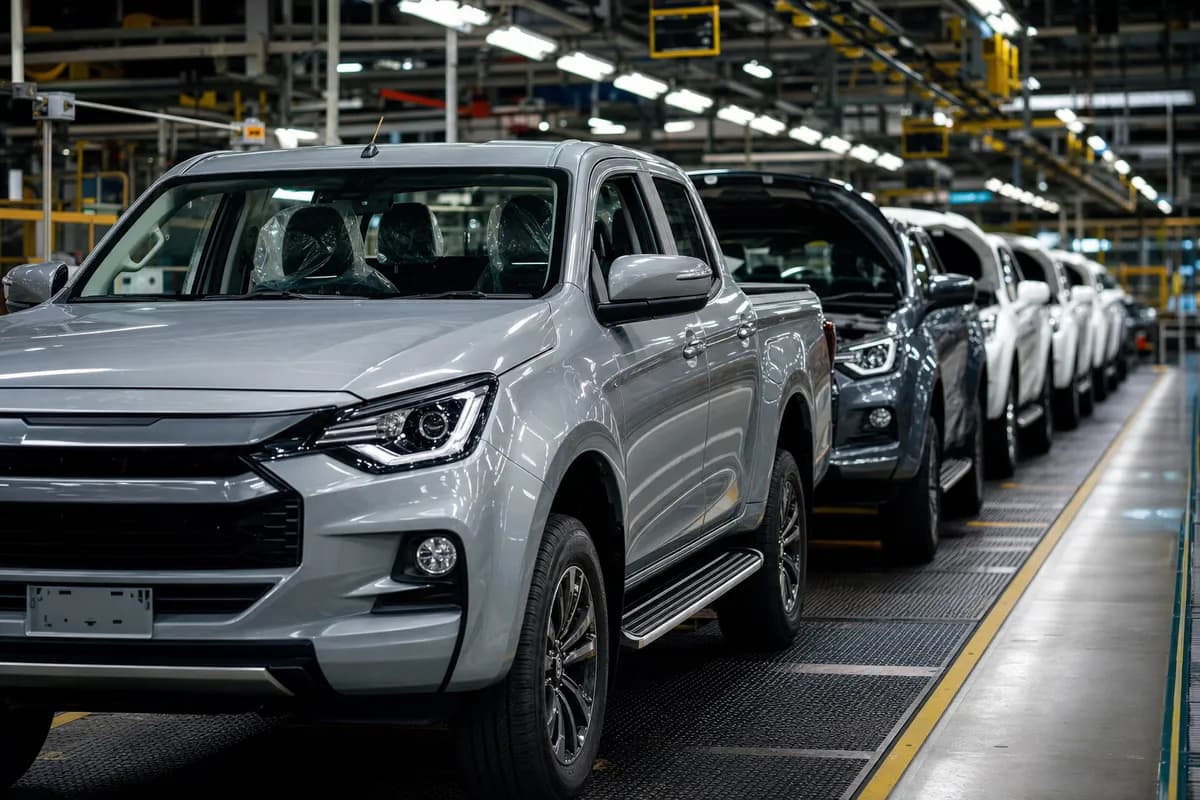
A reported Nissan EV production halt in May 2026 delays key launches and impacts the Canton plant. Here’s what it means for Rogue, Ariya, and buyers.
Nissan’s U.S. electric-vehicle plan just got smaller, or at least slower. A reported Nissan U.S. EV production halt May 2026 is not a full retreat from EVs, but it does delay key launches and raises fresh questions about the company’s Mississippi factory, its Infiniti strategy, and what American buyers will actually see in showrooms through 2027.
For shoppers, the issue is simple: fewer new Nissan and Infiniti EVs are likely to arrive on the original timeline. For Nissan, the stakes are bigger. This is about whether the Canton plant can become a core U.S. EV hub or remains tied mainly to combustion and hybrid demand while the market shifts under it.
Which Nissan and Infiniti EVs are delayed?
The affected vehicles are the battery-electric models Nissan had been lining up for U.S. production at its Canton, Mississippi plant. Nissan has previously said Canton would build multiple EVs for both the Nissan and Infiniti brands, with production meant to support a broader North American electric push.
Based on the current reporting and Nissan’s previously announced product roadmap, the slowdown appears to hit the next wave of locally built models rather than the already-on-sale Ariya. That makes this less about cancelling today’s EV lineup and more about pushing back what was supposed to come next in the 2026–2027 window.
- Two Nissan-branded EVs for U.S. production at Canton are now likely to arrive later than first planned.
- Two Infiniti EVs, also tied to Canton, appear exposed to the same delay.
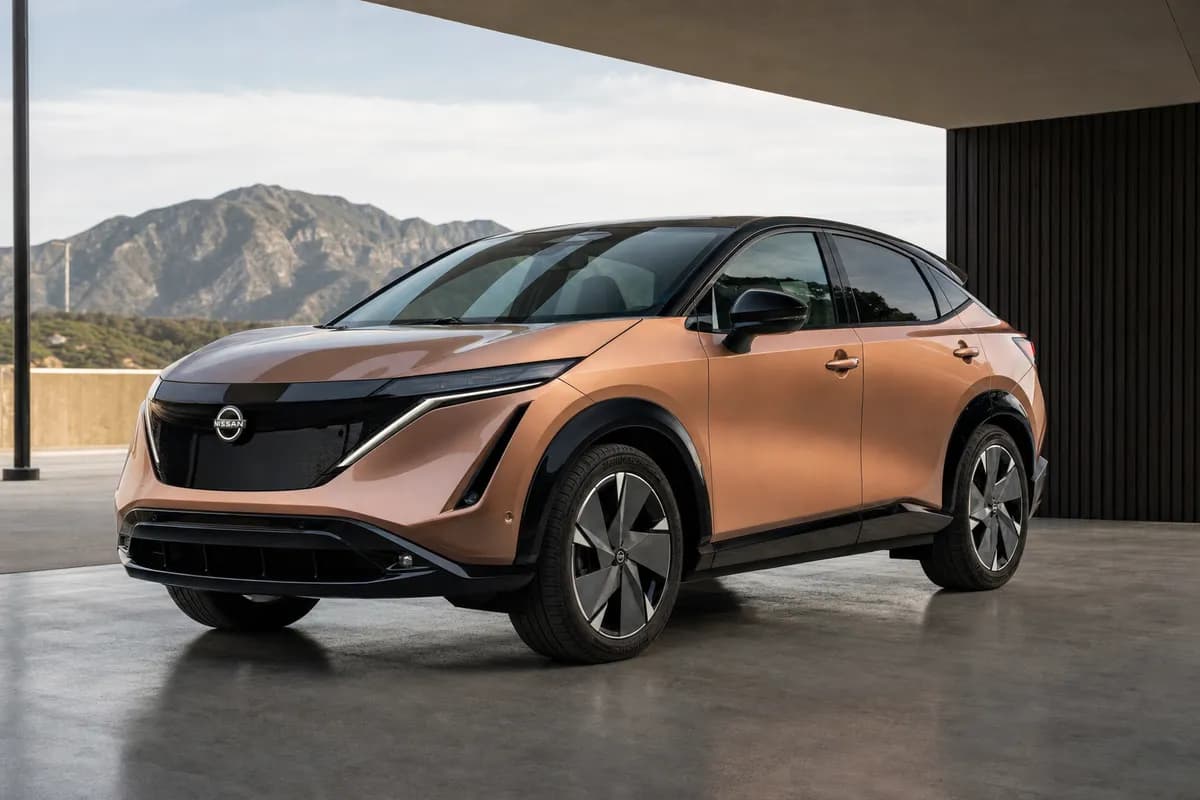
- The Nissan Ariya remains the brand’s current mainstream U.S. EV, but its long-term role becomes more important if new models slip.
Nissan had earlier pointed to an electric SUV and an electric sedan for the Nissan brand, plus two Infiniti EVs, as part of its Canton transformation. One of the Nissan vehicles was expected to become a Rogue-sized electric crossover, a critical slot in the U.S. market. If there is a 2027 Nissan EV delay, that crossover is the one many buyers will notice most.
Infiniti’s side matters too. The luxury brand has been short on momentum in the U.S., and fresh EVs were supposed to help. A delay to Infiniti EV plans 2026 2027 leaves the brand even more dependent on aging gasoline products at a time when premium rivals continue to expand their electric offerings.
Why Nissan is pulling back now
The short answer is demand, pricing pressure, and uncertainty over what U.S. buyers want next. EV growth continues, but the market has become harder. Incentives are doing more of the work, price cuts have compressed margins, and many mainstream buyers still prefer hybrids over full battery-electric vehicles.
Nissan is hardly alone in rethinking timing. Ford, General Motors, Mercedes-Benz, and others have all adjusted EV rollout plans as sales growth slowed from the earlier surge. The difference is that Nissan does not have a broad bench of U.S.-market hybrids or a deep EV lineup to cushion the pause.
There are also strategic reasons for caution. Launching four new EVs from one U.S. plant is expensive, and battery sourcing, supplier readiness, and federal policy all affect the business case. If Nissan sees weaker-than-expected returns, delaying production can preserve cash while it reassesses what mix of EVs, hybrids, and conventional models it needs.
- Mainstream EV demand has cooled compared with earlier forecasts.
- Hybrid demand is rising, especially in compact and midsize crossovers.
- Price competition is intense, led by Tesla and followed by legacy automakers.
- Factory conversion costs are high, especially for battery and supplier localization.
- Policy risk remains real, including rules tied to EV incentives and sourcing.
That last point matters because Nissan’s U.S. EV strategy has to work with federal tax-credit rules, domestic production goals, and North American battery sourcing. A plant can be ready, but if the sourcing and pricing do not line up, the launch math changes fast.
Why the Canton plant matters so much
The Canton plant Nissan electric vehicles story is bigger than one launch schedule. Nissan announced major investment plans for the Mississippi factory and positioned it as a centerpiece of its U.S. EV future. If that timetable slips, the plant’s role in Nissan’s North American strategy becomes less certain in the near term.
Canton has built high-volume vehicles for Nissan for years, including the Altima, Frontier, and previously the Titan. It has the workforce, supplier network, and logistics base to support large-scale production. The question now is whether it gets a smooth transition into EVs or an extended period of waiting while Nissan leans on other products.
That matters to workers and suppliers because factory planning is done years ahead. Equipment, training, battery logistics, and model allocation all depend on stable launch dates. A production pause does not erase the investment, but it can disrupt momentum and force a rethink on staffing and sourcing.
- Canton was expected to anchor Nissan’s next U.S. EV phase.
- Delays could leave the plant more reliant on gasoline models for longer.
- Suppliers tied to future EV programs may face slower ramp-ups.
- The strategic risk is falling behind rivals with clearer U.S. EV plans.
Nissan also has to balance Canton against what is happening elsewhere in its lineup. If conventional vehicles remain profitable and EV launches are uncertain, management may choose a slower conversion rather than force volume into a market that is not yet ready at the right price.
What it means for Rogue, Ariya, and U.S. buyers in 2026–2027
For shoppers, the most practical effect is fewer fresh choices from Nissan and Infiniti. Buyers waiting for a U.S.-built Nissan electric crossover, especially one positioned near the Rogue in size and price, may now have to wait longer or shop another brand.
The Rogue is central here because it is one of Nissan’s most important nameplates in America. Nissan needs an electrified answer in that compact-crossover space, whether full EV, hybrid, or both. If the EV version slips, pressure rises on Nissan to strengthen the conventional Rogue and add more hybrid capability quickly.
The Ariya becomes more important by default. It is currently Nissan’s headline EV in the U.S., but it has not become a major-volume breakthrough. If the next wave of products is delayed, the Nissan Ariya future USA outlook shifts from being a bridge model to carrying more of the brand’s EV burden for longer.
- Rogue buyers: likely to see Nissan focus harder on gasoline and possible hybrid strategy before a true EV successor arrives.
- Ariya buyers: may benefit from more incentives and stronger dealer focus, but will still face a narrower Nissan EV lineup.
- Infiniti shoppers: should expect the brand’s electric transition to remain slow through at least part of 2027.
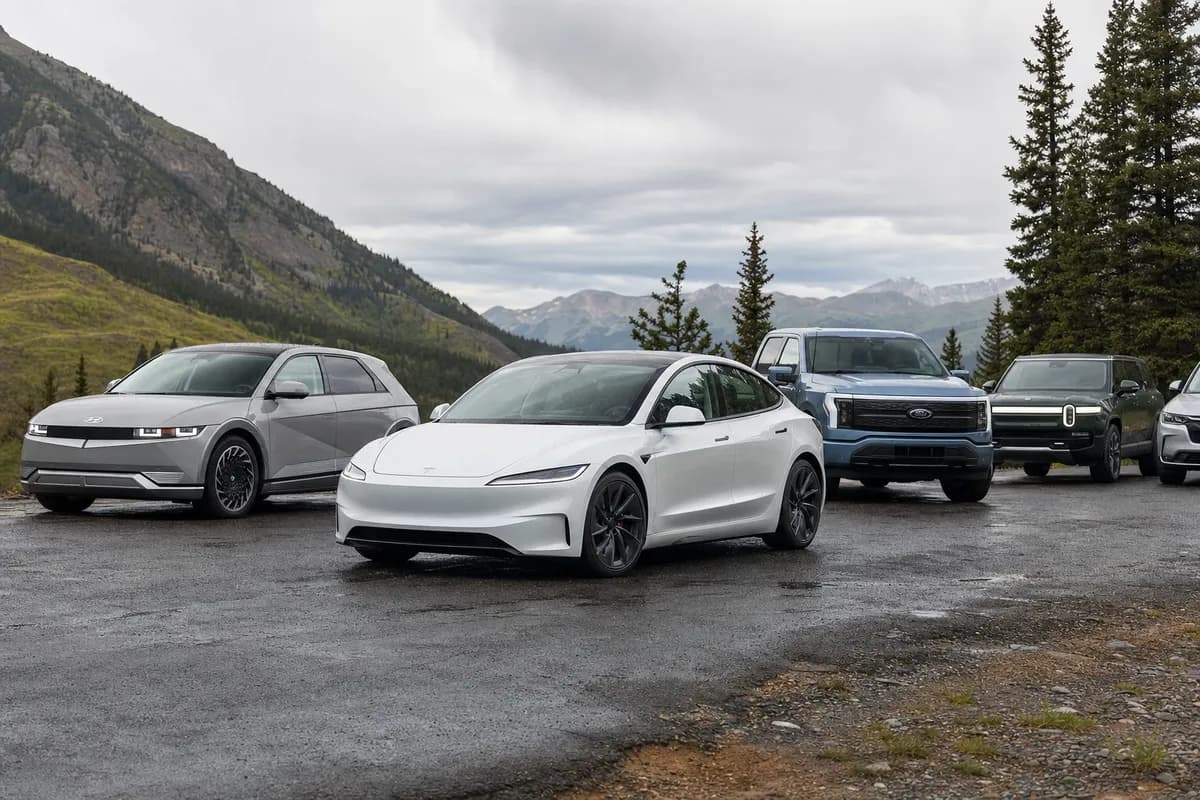
- Cross-shoppers: will find more immediate EV choice from Hyundai, Kia, GM, Ford, and Tesla.
For U.S. EV buyers, this is another reminder that the market is splitting in two. Brands with flexible hybrid lineups can slow-walk EV launches without disappearing from electrification. Brands with fewer hybrid options, like Nissan in the U.S., feel the pressure more sharply when battery-electric timing slips.
There is still a path forward for Nissan. A delayed launch is not a cancellation, and the company still has the plant, the stated investment plan, and a need to expand beyond the Ariya. But each delay gives competitors more time to lock in buyers who might otherwise have waited for a Nissan or Infiniti EV.
Verdict: a pause, not a surrender, but Nissan cannot afford a long delay
The reported Nissan U.S. EV production halt May 2026 looks like a tactical retreat, not a wholesale abandonment of EVs. Nissan is reacting to a tougher market, shaky launch economics, and the need to avoid overcommitting before demand is there. That logic is understandable.
Still, the move carries real cost. A 2027 Nissan EV delay weakens Nissan’s product pipeline, slows the EV case for the Canton plant, and leaves Infiniti with even less fresh metal in a crucial period. It also increases the burden on the Rogue, the Ariya, and any future hybrid plans to keep Nissan relevant while rivals expand.
The bottom line for buyers is straightforward. If you were waiting for several new Nissan and Infiniti EVs built in Mississippi by 2026 or early 2027, expect that timeline to stretch. If you are considering an Ariya or a gasoline Rogue, those models now matter more than ever to Nissan’s U.S. future.
Nissan still has time to reset. But it needs a clearer U.S. electrification plan, stronger execution at Canton, and a better answer for mainstream crossover buyers. Without that, a pause risks becoming something larger.
Affiliate disclosure: This article contains affiliate links. RevvedUpCars may earn a small commission on qualifying purchases at no extra cost to you.