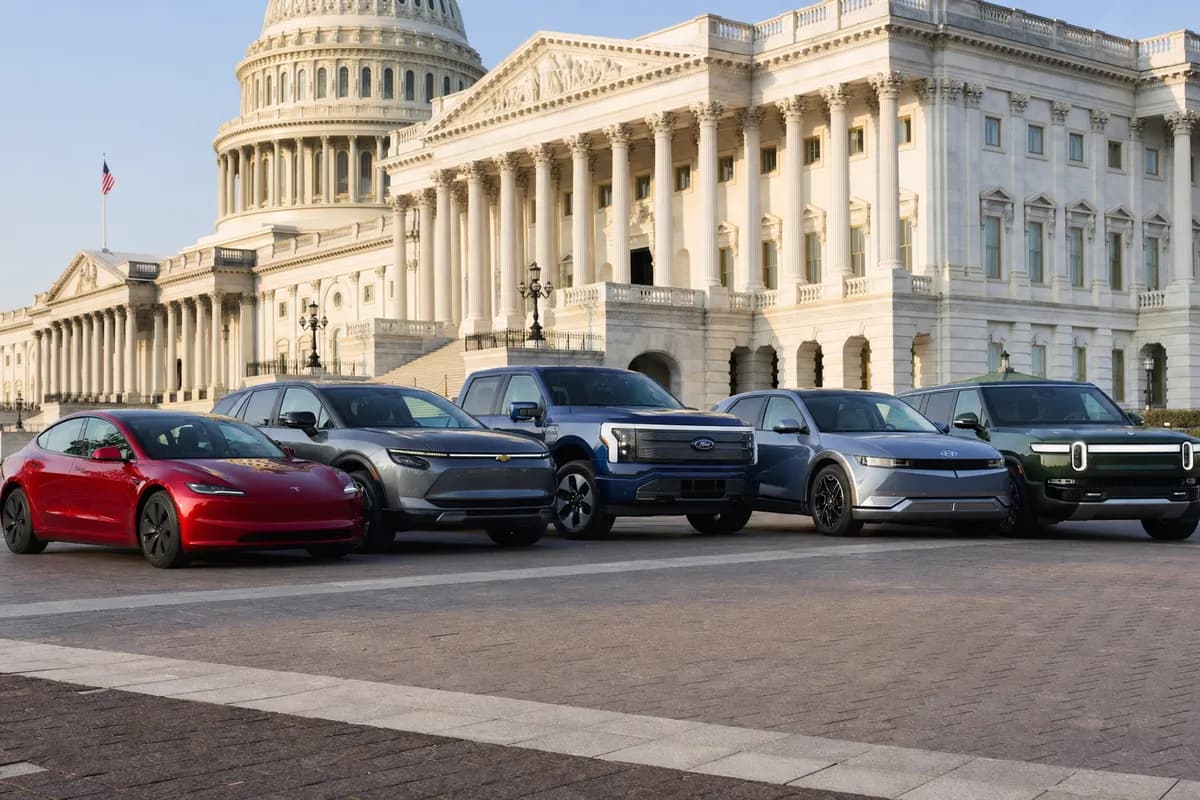
A new Congress push for an annual EV registration fee could raise 2026 and 2027 ownership costs—here’s how it may affect Tesla, GM, Ford, Hyundai, and Rivian.
Owning an EV in the U.S. could get more expensive in 2026 and 2027, even if electricity still undercuts gasoline in many markets. A new push in Congress would layer fresh annual charges onto electric cars, changing the math for buyers shopping Tesla, Ford, GM, Hyundai, and Rivian models.
What Congress is pushing, and why the annual EV fee 2026 debate matters
The latest Congress EV tax bill debate centers on a simple argument: drivers of gasoline cars help fund roads through federal fuel taxes, while battery-electric vehicles largely do not. Lawmakers who back a new electric vehicle registration fee say EV owners should contribute more directly to highway funding as EV sales rise.
Federal gas and diesel taxes have not kept pace with road funding needs for years, and inflation has eroded their value. States responded first. More than 30 states already impose some kind of annual EV registration surcharge, and in many places those fees range from about $50 to more than $200 per year.
What makes the 2026 proposal different is that Congress is considering a national layer on top of those state charges. If enacted, buyers of 2026 and 2027 EVs could face both a state-level fee and a new federal annual charge, raising fixed ownership costs before electricity, insurance, tires, or depreciation enter the picture.
That matters because fixed fees hit every owner the same way, regardless of how much they drive. A low-mileage EV owner may save less on fuel than a high-mileage commuter, so an added annual fee can erase a meaningful share of the EV operating-cost advantage.
How a federal electric vehicle registration fee could change 2027 EV ownership costs
The exact structure remains fluid, but the policy direction is clear: lawmakers are looking at an annual fee model rather than a one-time charge. For consumers, that means the effect shows up as a recurring ownership cost, much like registration or insurance.
To understand the impact, consider a simple example. If Congress approved a federal EV fee of $200 per year, and a driver already lived in a state charging another $150 annually, that owner would face $350 per year in EV-specific registration-related costs.
That would be enough to narrow fuel savings for drivers who log modest mileage. A driver covering 8,000 to 10,000 miles per year in an efficient EV might still come out ahead versus a comparable gasoline crossover, but the gap would shrink. For larger, heavier EVs with higher tire costs and lower efficiency, the new math gets tighter.
- Low-mileage owners: Most exposed to a flat annual fee because they spread it over fewer miles.
- High-mileage commuters: Still more likely to offset the fee through fuel savings.
- Owners in high-fee states: Could be hit hardest if federal and state charges stack.
- Luxury EV buyers: Least sensitive in absolute terms, but still facing higher fixed costs.
There is also a political signal here. A federal annual EV fee would mark a shift away from treating EVs primarily as a technology to encourage and toward treating them as a mainstream part of the fleet that should pay into road funding like any other vehicle class.
Which Tesla, GM, Ford, Hyundai, and Rivian EVs could cost more to own
The broad answer is simple: nearly all mainstream battery-electric models sold in 2026 and 2027 would be affected if a federal annual fee becomes law. But the real-world impact will vary by vehicle efficiency, purchase price, and how buyers use them.
Tesla
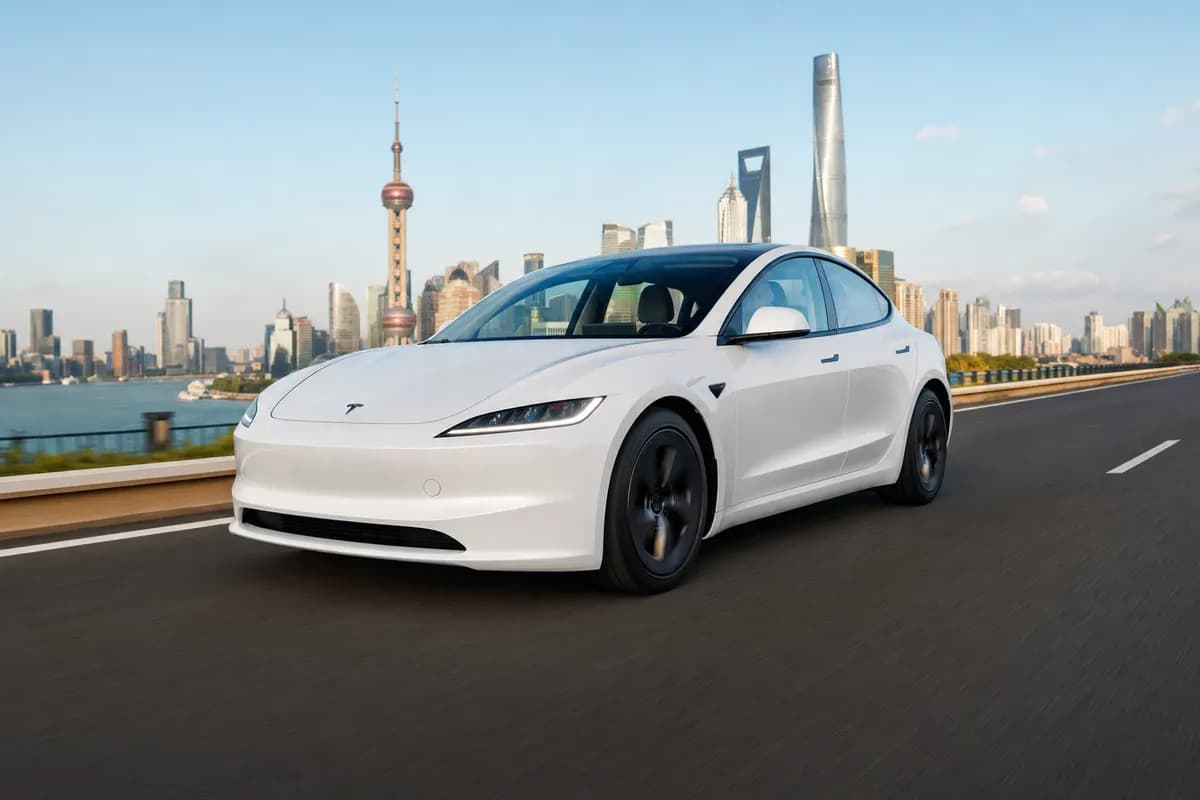
Tesla’s highest-volume models, the Model 3 and Model Y, are relatively efficient by class standards. That helps preserve an operating-cost advantage, especially for drivers charging at home with below-average residential electricity rates.
Still, a new annual fee would directly raise the cost of owning a Model 3 or Model Y. It would also weigh on the Cybertruck more heavily in practical terms, because bigger, heavier EVs already consume more energy and typically cost more to insure and equip with tires.
General Motors
GM’s EV lineup now spans several price bands, from the Chevrolet Equinox EV and Blazer EV to the Cadillac Lyriq, Escalade IQ, and GMC’s electric trucks and SUVs. A flat annual fee would hit the Equinox EV buyer differently than the Escalade IQ buyer, even if the nominal charge were the same.
The Equinox EV has been positioned as a more affordable long-range EV. Add a federal fee on top of state charges, and GM’s value story weakens at the margin. Luxury buyers will notice less, but lower-cost mainstream EVs are where fixed annual charges matter most.
Ford
Ford’s EV portfolio includes the Mustang Mach-E and F-150 Lightning, with future electric crossovers and trucks likely to follow. The Mach-E remains closer to the mainstream crossover sweet spot, where shoppers often compare total monthly costs very closely.
The F-150 Lightning is more vulnerable to running-cost pressure. Even without a new fee, full-size electric pickups can face higher charging costs than smaller EVs, especially on public fast chargers. Add an annual fee, and the ownership case versus an efficient hybrid or gasoline truck gets harder for some buyers.
Hyundai
Hyundai’s EV range, including the Ioniq 5, Ioniq 6, and larger electric SUVs sold under Hyundai and Kia badges, has been built around strong efficiency and fast charging. That helps cushion the blow of a new annual EV fee 2026 proposal.
Even so, Hyundai’s more affordable trims could lose some appeal if fixed fees climb. Buyers cross-shopping an Ioniq 5 against a hybrid Tucson or Sportage will care about annual ownership costs, not just sticker price and charging speed.
Rivian
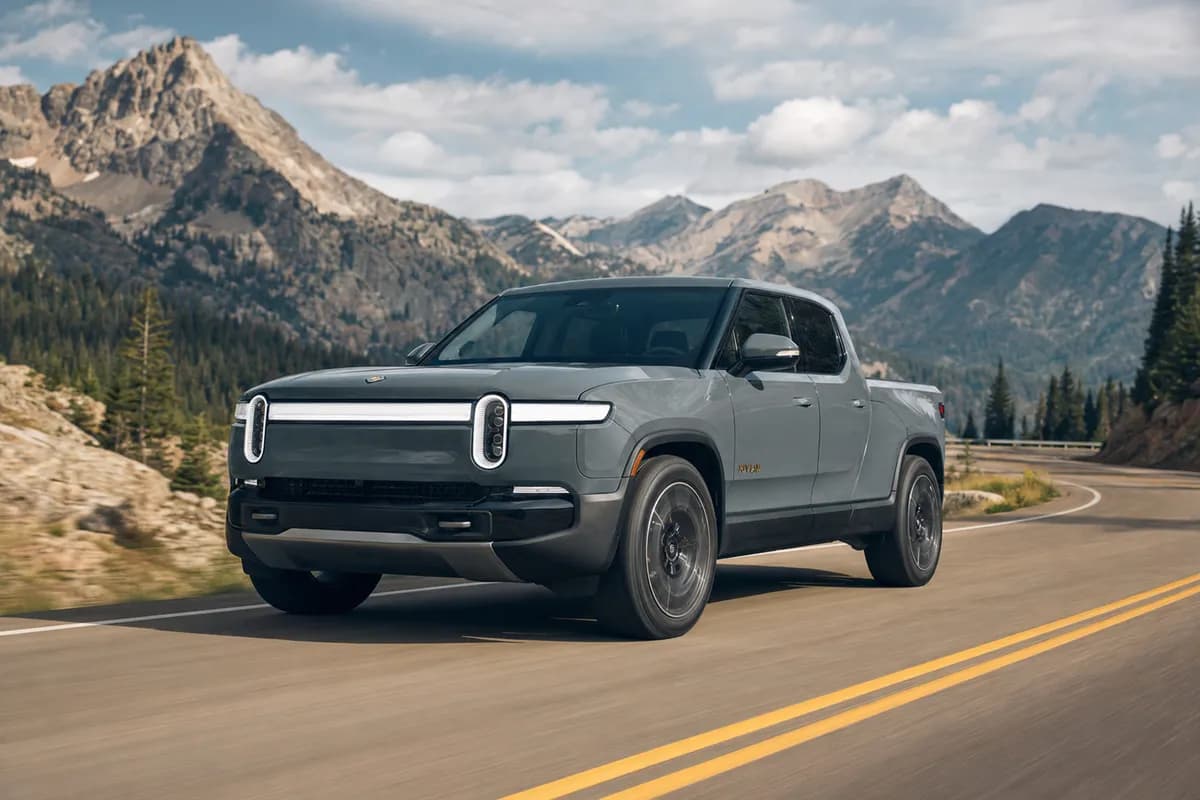
Rivian’s R1T and R1S, and the coming R2, sit in different positions. The R1T and R1S already target buyers spending well above the mainstream market, so a flat federal fee is less likely to change the purchase decision outright.
The R2 is the bigger story. Rivian needs that model to reach deeper into the volume market, where shoppers are far more payment-sensitive. An added annual fee could slightly undercut the affordability case just as Rivian tries to scale beyond premium early adopters.
Why fixed EV fees matter more than they first appear
Supporters of a federal fee argue that EV drivers should pay something comparable to what gasoline drivers contribute through fuel taxes. The problem is that most flat EV fees are not tied to actual road use, vehicle weight, or miles driven.
That creates winners and losers. A driver who puts 20,000 miles a year on an EV may still be getting a fair deal. A retiree driving 5,000 miles annually in a compact EV could end up paying the equivalent of a very high per-mile road tax.
A flat EV registration surcharge is simple to administer, but it is blunt policy. It does not distinguish between a lightweight compact EV driven occasionally and a 9,000-pound electric truck used every day.
This is why some transportation analysts prefer mileage-based road-user charges or weight-based fees. Those systems are more complex and raise privacy concerns, but they better match what actually drives road wear and usage.
For automakers, the concern is timing. The U.S. market is still in a transition phase. Battery prices have improved, but affordability remains a hurdle, public charging is uneven, and EV demand has become more price-sensitive. Adding a new annual fee now risks making the entry-level and mid-market EV segment less competitive just as brands are trying to broaden adoption.
What U.S. drivers should watch next
The first thing to watch is the size of any proposed federal charge. A fee around $100 per year would be noticeable but manageable for many households. Push it toward $200 or more, especially on top of aggressive state surcharges, and the effect on 2027 EV ownership costs becomes much more meaningful.
Second, watch whether hybrids and plug-in hybrids are pulled into the same debate. Some states already charge separate fees for plug-in hybrids, usually at lower levels than full EVs. Congress could try a similar tiered structure.
Third, buyers should track whether any new fee comes with offsetting policy changes. If lawmakers reduced or eliminated some EV incentives while adding a national annual charge, the combined impact would be larger than the fee alone.
- Watch the fee amount: Small differences matter over a three- to five-year ownership period.
- Check your state rules: Federal charges could stack on existing EV registration fees.
- Compare by model: Efficient EVs absorb fixed fees better than large trucks and SUVs.
- Run your own mileage math: The fewer miles you drive, the more a flat annual fee hurts.
The verdict: a new federal electric vehicle registration fee would not erase the case for EVs, but it would make ownership more expensive in a way many buyers will feel immediately. For 2026 and 2027 shoppers, the biggest pressure would fall on mainstream models like the Tesla Model 3, Tesla Model Y, Chevrolet Equinox EV, Ford Mustang Mach-E, Hyundai Ioniq 5, and Rivian R2 more than on six-figure luxury EVs.
If Congress moves forward, the EV market will not stop. But the policy would reshape the ownership equation, especially for lower-mileage households and value-focused buyers. That is why this 2026 fee fight matters far beyond Washington.
Affiliate disclosure: This article contains affiliate links. RevvedUpCars may earn a small commission on qualifying purchases at no extra cost to you.