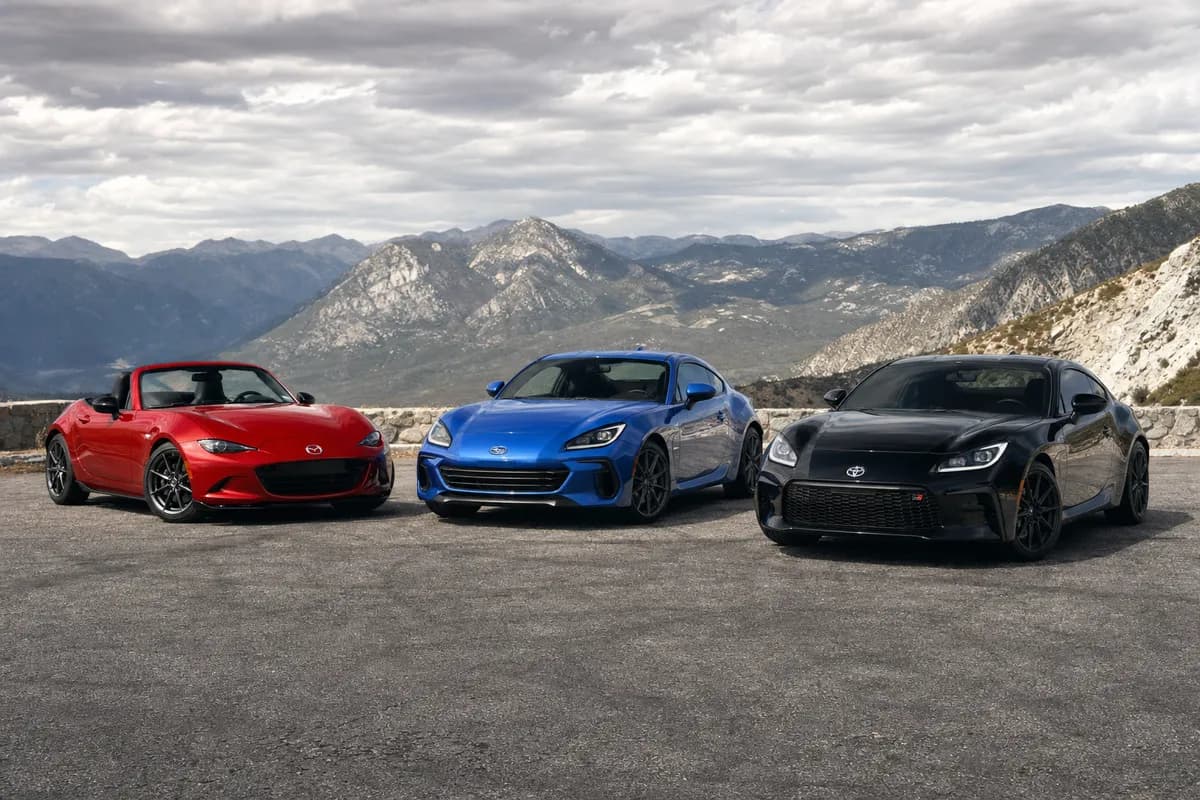
BRZ, GR86, and MX-5 Miata owners are building a DIY lightweight sports car scene with reversible mods and track-ready prep that stays daily-friendly.
The smartest sports car builds in 2026 are not the loudest or the most expensive. They are the ones that survive the commute, pass tech at the local track day, and can be returned to stock in a weekend.
That is exactly why the 2026 Subaru BRZ, 2027 Toyota GR86, and 2026 Mazda MX-5 Miata have become the backbone of a new DIY scene. Owners are building a practical lightweight sports car community around maintenance, tires, brakes, alignment, and reversible upgrades that deliver real seat time without turning the daily driver into a headache.
Why Lightweight Rear-Drive Cars Are the New DIY Sweet Spot
The formula is simple: low weight, rear-wheel drive, manual transmission availability, and parts support that does not punish the average enthusiast. A current BRZ or GR86 weighs roughly 2,800 to 2,900 pounds depending on trim, while the ND-based 2026 Mazda MX-5 Miata still lives in the same lightweight neighborhood at roughly 2,350 to 2,500 pounds. That matters because tires, brakes, wheel bearings, and fuel all last longer when the car is not dragging around extra mass.
These cars also reward modest changes. You do not need 500 horsepower to feel a difference in a BRZ, GR86, or Miata. A good alignment, quality fluid, fresh pads, and a square set of sticky 200-treadwear tires can transform all three in ways a dyno sheet never captures.
That practicality is reshaping modification culture. Enthusiasts want cars they can wrench on Friday night, drive to work Monday morning, and still trust for a summer road trip. That is where reversible sports car mods come in.
The Shift From Big-Power Builds to Reversible, Smarter Mods
Ten years ago, the default enthusiast plan often started with forced induction, aggressive coilovers, and a willingness to live with compromises. In 2026, a lot more owners are asking better questions. Will this mod hurt reliability? Can I undo it easily? Will it make the car better on the street and at the track?
The BRZ, GR86, and Miata all respond best when the basics are handled first. That means people are spending money on cooling margins, brake consistency, and tire management instead of chasing peak numbers. It is a more mature approach, and frankly, it is usually cheaper.
The mods owners are prioritizing now
- Wheels and tires: Lighter wheels and better rubber improve grip, ride, and steering feel without permanent changes.
- Brake pads, fluid, and lines: Track-capable pads and fresh high-temp brake fluid make a bigger difference than most first-time drivers expect.
- Alignment: Extra front negative camber and a balanced toe setting can wake up turn-in and save tire shoulders.
- Seat and driver controls: A better seat bracket, steering wheel position fix, or pedal spacing tweak can improve confidence while staying reversible.
- Cooling and maintenance items: Oil coolers, upgraded radiator packages, and baffled pans are common on harder-used twins, but owners increasingly choose bolt-on systems they can remove.
This is where the shared philosophy across these platforms matters. A 2026 Subaru BRZ mods list now looks a lot like a sensible consumables plan with a few carefully chosen suspension and wheel upgrades. The same goes for 2027 Toyota GR86 track prep, where owners are far more likely to talk about fluid temperatures and pad compounds than giant wings and stripped interiors.
Affordable Maintenance Is Driving the Community as Much as Performance
These cars are not just fun to drive. They are approachable to own. Oil changes, brake jobs, fluid swaps, spark plugs, belt inspections, and suspension bolt checks are all within reach for a home mechanic with jack stands, a torque wrench, and patience.
That accessibility is a huge reason the DIY scene is growing. A modern turbo performance car can bury a weekend mechanic in packaging, heat management, and expensive parts. By comparison, the BRZ, GR86, and Miata are honest cars. They tell you what they need, and most of the jobs are manageable in a garage.
Why owners keep gravitating to these three
- Consumable costs stay reasonable: Narrower tires and lighter curb weights help keep operating costs down.
- Huge aftermarket support: Multiple suppliers offer street-friendly and track-capable options at different budgets.
- Strong knowledge base: Forums, local clubs, autocross groups, and track-day paddocks are full of setup data.
- Easy-to-learn chassis: These cars are forgiving enough for new drivers and rewarding enough for experienced ones.
The Miata deserves special mention here. 2026 Mazda MX-5 Miata DIY maintenance remains one of the easiest on-ramps into enthusiast ownership. The car’s light weight means less stress on consumables, and the aftermarket still offers everything from OEM-style replacement parts to weekend track hardware without forcing owners into race-car compromises.
The BRZ and GR86 twins bring a different strength. They offer a usable back seat, a practical trunk, and enough cabin room for taller drivers while still delivering classic rear-drive balance. For many owners, that makes them the better one-car solution.
How Owners Are Prepping for Track Days Without Ruining the Daily Drive
The best first track-day setup is not glamorous. It is predictable, durable, and easy to live with. Most people do not need a full suspension overhaul to enjoy these cars at speed. They need a car that finishes sessions without boiling fluid or chewing through the outside shoulders of the front tires.
For the GR86 and BRZ, that often starts with alignment and brake prep. On the Miata, the conversation is similar, though ride height and bump travel become important if the owner is tempted by very stiff coilovers. Too many daily-driven cars get worse because the owner chases lap-time parts before building a baseline.
A practical prep checklist for BRZ, GR86, and Miata owners
- Inspect everything first. Check pad thickness, rotor condition, ball joints, wheel bearings, tires, and fluid leaks.
- Replace brake fluid with a quality high-temp fluid. This is cheap insurance and one of the most important upgrades.
- Choose the right pad. A mild track-day pad with acceptable street manners is ideal for mixed use.
- Get a real alignment. More front camber, sensible toe, and a balanced setup will improve both tire life and confidence.
- Run quality tires. Summer tires for the street or 200TW tires for regular events are the sweet spot for most owners.
- Monitor temperatures. Engine oil, coolant, and tire pressures tell you a lot about whether the car is happy.
This is why 2027 Toyota GR86 track prep content has shifted so heavily toward consumables and setup. Owners have learned that a stock-power GR86 with good pads, 17x8 or 18x8.5 wheels, proper camber, and fresh fluid is more rewarding than a poorly sorted high-power build. The same lesson shows up in the BRZ world every weekend.
A lightweight sports car does not need dramatic mods to feel alive. It needs consistency, balance, and a driver who can trust it lap after lap.
The Community Side: Shared Knowledge, Shared Parts, and More Seat Time
There is another reason these cars are at the center of the new grassroots scene. Their owners actually help each other. The shared-platform nature of the BRZ and GR86 means setup notes, wheel specs, pad recommendations, and track-day lessons move quickly between communities.
The Miata world has done this for decades, and that culture is now influencing everyone else. Local groups trade alignment settings, help bleed brakes in parking lots, and swap take-off parts instead of pushing newcomers into expensive mistakes. That lowers the barrier to entry in a big way.
It also reinforces the reversible-build mindset. A used cat-back, a set of camber bolts, lightly used track wheels, or OEM-plus suspension parts can change the car without turning it into a permanent project. Owners can experiment, learn, and adjust without painting themselves into a corner.
Verdict: The Best 2026 Sports Car Builds Are the Ones You Can Actually Use
The 2026 Subaru BRZ, 2027 Toyota GR86, and 2026 Mazda MX-5 Miata have become more than affordable enthusiast cars. They are the foundation of a smarter DIY culture built around maintenance discipline, reversible upgrades, and realistic track-day preparation.
That is good for owners and good for the hobby. Cars stay on the road longer, newcomers get better advice, and more people spend money on parts that improve driving instead of just changing appearances. If you want a sports car that teaches, rewards, and still handles the daily grind, these three are defining the moment.
The new rule is simple: make it reliable, make it balanced, and make every mod earn its place. That is how the modern lightweight sports car community is building cars now, and honestly, it is the healthiest enthusiast trend we have seen in years.
Affiliate disclosure: This article contains affiliate links. RevvedUpCars may earn a small commission on qualifying purchases at no extra cost to you.