Are two-door luxury cars still relevant in 2026? We examine coupe market trends, buyer demand and industry shifts. Read our analysis and decide now.
In this article
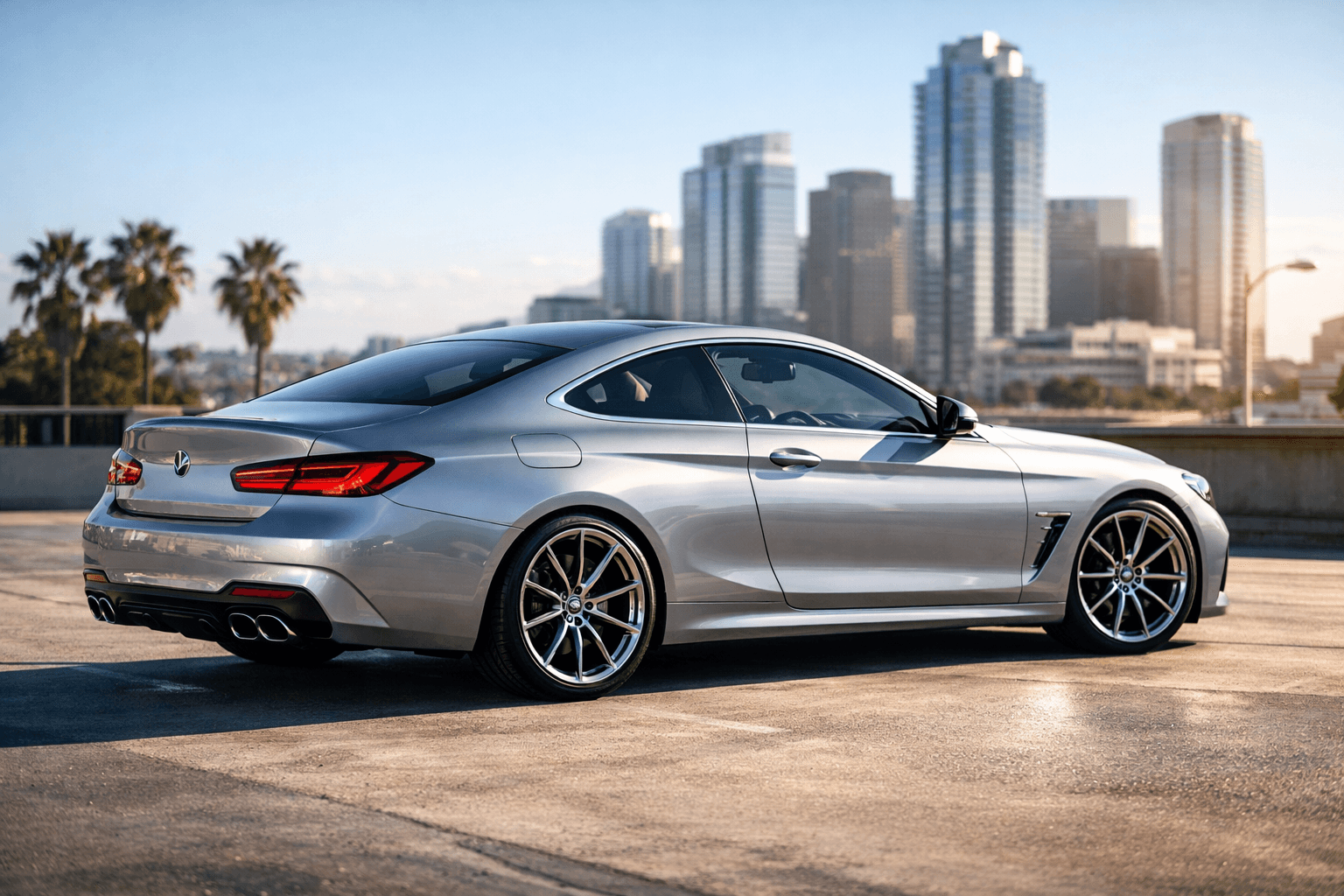
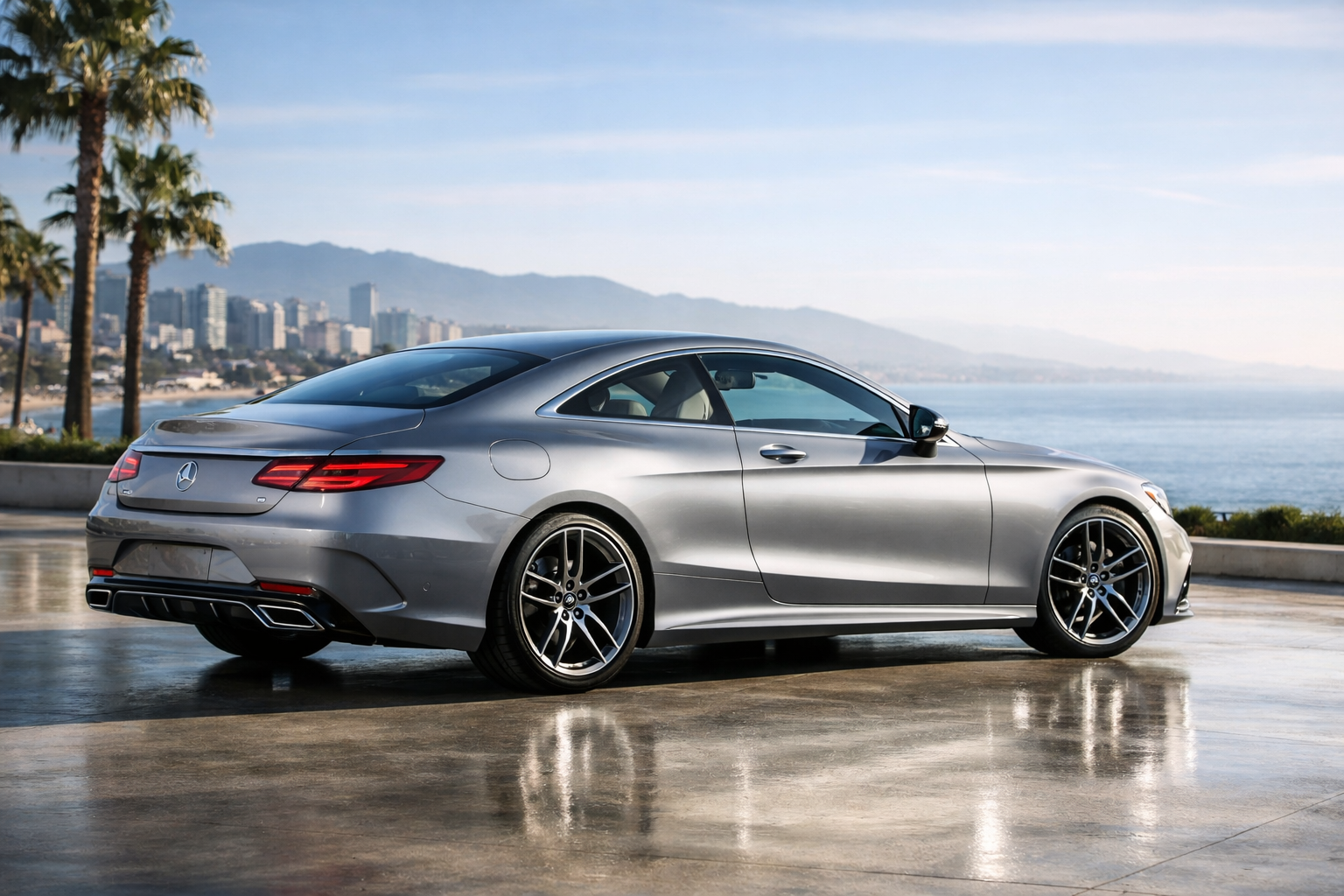
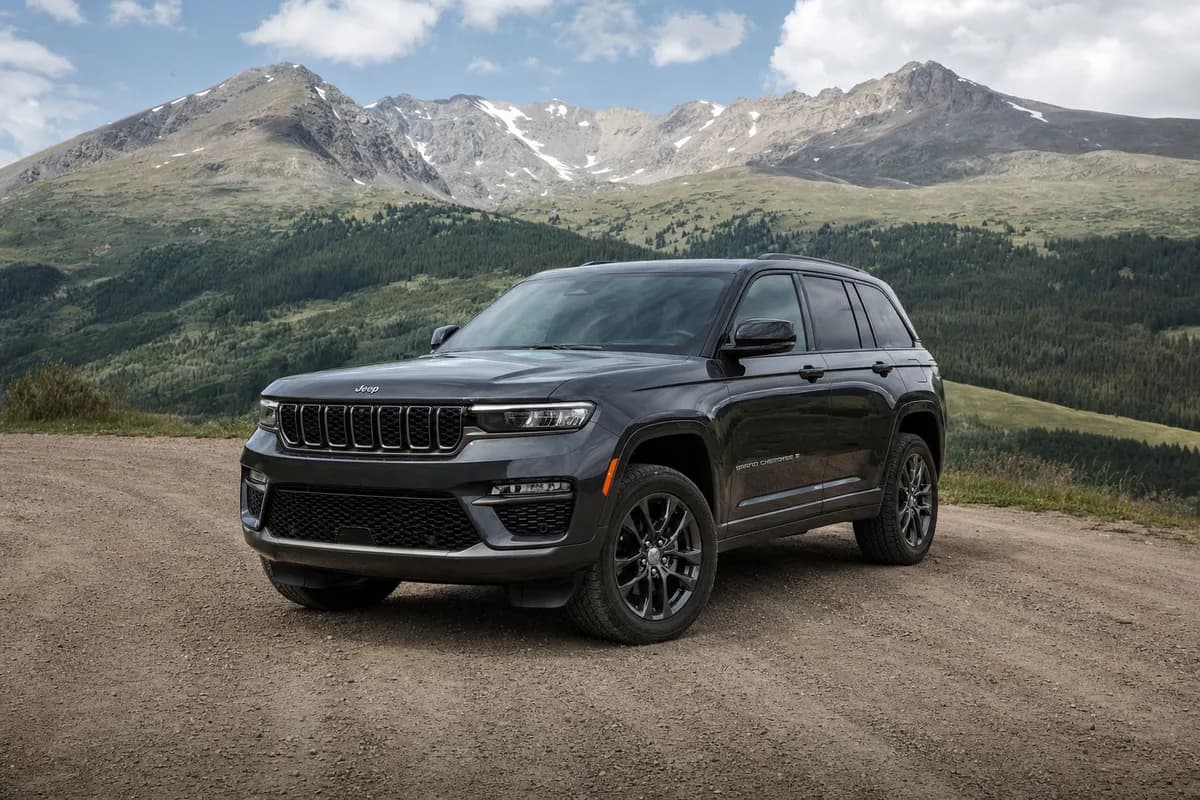
The luxury coupe is officially endangered, and that should make you angry. Dealers will tell you nobody wants two doors anymore, while quietly upselling yet another $82,000 “sporty” SUV that handles like a fridge on roller skates. The real question is whether two-door luxury cars still make sense in 2026—or whether we’ve all surrendered to cupholders and rear legroom.
This matters right now because the coupe market is shrinking faster than a BMW grille apology. Lexus has waved goodbye to the LC, Mercedes keeps “pausing” coupes like a Netflix show nobody finishes, and Audi has gone suspiciously quiet about replacements. If you care about driving feel, design purity, and cars that make sense emotionally rather than logically, this is the hill to die on.
I’ve driven dozens of SUVs, EVs, and luxury sedans over the last year, and here’s the uncomfortable truth: none of them deliver the same sense of occasion as a proper two-door luxury car. That’s why the debate around two-door luxury cars isn’t nostalgia—it’s about whether carmakers still know how to build something indulgent.
The Numbers Tell a Brutal Story for the Coupe Market
In 2015, luxury coupes made up roughly 12% of premium car sales in the U.S.; by 2025, that figure dipped below 4%, according to industry analysts. Meanwhile, luxury SUVs now dominate over 60% of sales, with average transaction prices pushing $75,000. Carmakers follow money, not romance.
BMW’s 4 Series Coupe (starting around $49,000—check manufacturer website for latest pricing), Mercedes CLE Coupe (approximately $57,000), and Audi A5 Coupe (around $50,000) remain, but even they’re being treated like leftovers. When your marketing budget is smaller than the trim-name brainstorming session for SUVs, you know trouble’s brewing.
Design: Two Doors, Zero Compromises
Here’s my controversial hot take: two-door luxury cars still look better than anything with four doors and fake skid plates. Lower rooflines, longer doors, and cleaner proportions are design fundamentals, not nostalgia. You don’t need a PhD in aerodynamics to see why the Lexus LC looked like a concept car that escaped the auto show.
If you want proof design still matters, read Why Car Design Concepts Still Matter. Coupes are where designers get brave; SUVs are where creativity goes to die under a pile of chrome.
Driving Experience: Where Two Doors Still Win
Weight matters, and SUVs are heavy—often 4,800 pounds or more. A BMW M440i xDrive Coupe weighs roughly 3,900 pounds and does 0–60 mph in about 4.3 seconds with 382 hp. That’s not just faster; it’s more alive.
I’ll take a lower seating position and better sightlines over a panoramic sunroof any day. Watch Chris Harris or SavageGeese flog a coupe on a back road, and you’ll see why these cars still matter. The steering feels honest, the chassis talks back, and the throttle isn’t lazier than a cat in a sunbeam.
Advertisement
Technology Isn’t the Problem—Packaging Is
Modern coupes aren’t tech-lightweights. Digital dashboards, adaptive cruise, lane centering, and wireless CarPlay are standard fare in 2025–2026 models. The BMW 4 Series and Mercedes CLE both offer Level 2 driver assistance and massive curved displays.
The issue is packaging expectations. Buyers want tech, space, and versatility, then wonder why cars get bloated. This obsession mirrors what I discussed in New Cars Luxury Shift: What Enthusiasts Lose—luxury has become about features, not feel.
Practicality: The Excuse Everyone Uses
Yes, rear seats in coupes are symbolic, like the Queen’s Guard—present, but not useful. Cargo space averages 10–12 cubic feet, compared to 30+ in midsize SUVs. But let’s be honest: how often are you hauling furniture in your $65,000 luxury car?
If practicality truly ruled, nobody would buy convertibles, supercars, or motorcycles. The practicality argument is just cover for risk-averse buying habits and monthly payment anxiety.
EVs, Hybrids, and the Missed Opportunity
Here’s where automakers have dropped the ball: electric luxury coupes should exist by now. A sleek, two-door EV with a 300-mile range and 0–60 in under 4 seconds would be spectacular. Instead, we get electric SUVs shaped like refrigerators.
This ties into Electric Design Changes Reshaping Brand Identity. Brands are afraid a niche coupe won’t amortize platform costs, but they forget halo cars shape perception far beyond sales numbers.
Value vs Competitors: Coupe vs SUV Reality Check
Compare a $58,000 Mercedes CLE Coupe to a $60,000 GLC SUV. The SUV offers more space and resale safety, but the coupe offers better handling, lighter weight, and actual style. Competitors like the Audi A5, BMW 4 Series, and even the Genesis G70 Coupe-that-never-was highlight how thin the field has become.
Another hot take: luxury SUVs depreciate just as badly once the refresh cycle hits. If you’re already losing 40% in five years, you might as well enjoy the drive.
Pros
Superior handling and driving engagement
Cleaner, more timeless design
Lower weight improves performance and efficiency
Stronger emotional appeal than SUVs
Cons
Limited rear-seat and cargo space
Shrinking model availability
Resale value less predictable than SUVs
So, Is There Still a Place for Two-Door Luxury Cars in 2026?
Absolutely—but only if you care about driving more than flexing. Two-door luxury cars have become enthusiast choices rather than default ones, and that’s not a bad thing. They’re the vinyl records of the car world: less convenient, far more satisfying.
If manufacturers kill them entirely, we lose more than body styles—we lose ambition. And I’d rather explain my tiny back seat than apologize for driving something dull.
RevvedUpCars Rating: 8/10
Best for: Drivers who value design, engagement, and emotional payoff over practicality spreadsheets.
Frequently Asked Questions
Are two-door luxury cars still worth buying in 2026?
Yes, if you prioritize driving feel and design. Models like the BMW 4 Series and Mercedes CLE still offer strong performance, modern tech, and unique appeal compared to SUVs.
Why is the coupe market shrinking?
SUV demand, higher profits, and buyer preference for space have reduced coupe sales from about 12% to under 4% of luxury segments over the last decade.
What are the best alternatives to two-door luxury cars?
Four-door “coupe-style” sedans like the Audi A7 or BMW 8 Series Gran Coupe offer similar style with more space, though they sacrifice some driving purity.
Will electric two-door luxury cars return?
Possibly, but manufacturers remain cautious. A dedicated electric coupe platform could appear later this decade if brands see halo value beyond raw sales.
Disclosure: This article may contain affiliate links. If you make a purchase through these links, we may earn a small commission at no extra cost to you. This helps support RevvedUpCars.com. Learn more.
The luxury coupe is officially endangered, and that should make you angry.
Affiliate disclosure: some links on this page earn us a commission at no extra cost to you.
Alex Torque is a lifelong gearhead who grew up in Detroit with motor oil in his veins. After a decade as a performance driving instructor at Laguna Seca and the Nurburgring, he traded his racing helmet for a keyboard—though he still logs track days whenever possible. Alex specializes in sports cars, supercars, and anything with forced induction. His reviews blend technical precision with the visceral thrill of pushing machines to their limits. When he’s not testing the latest performance machines, you’ll find him restoring his 1973 Datsun 240Z or arguing about optimal tire pressures. Alex believes that driving should be an event, not a commute.
Get the latest car reviews in your inbox
Join thousands of car enthusiasts. No spam, unsubscribe any time.



Comments
Leave a comment