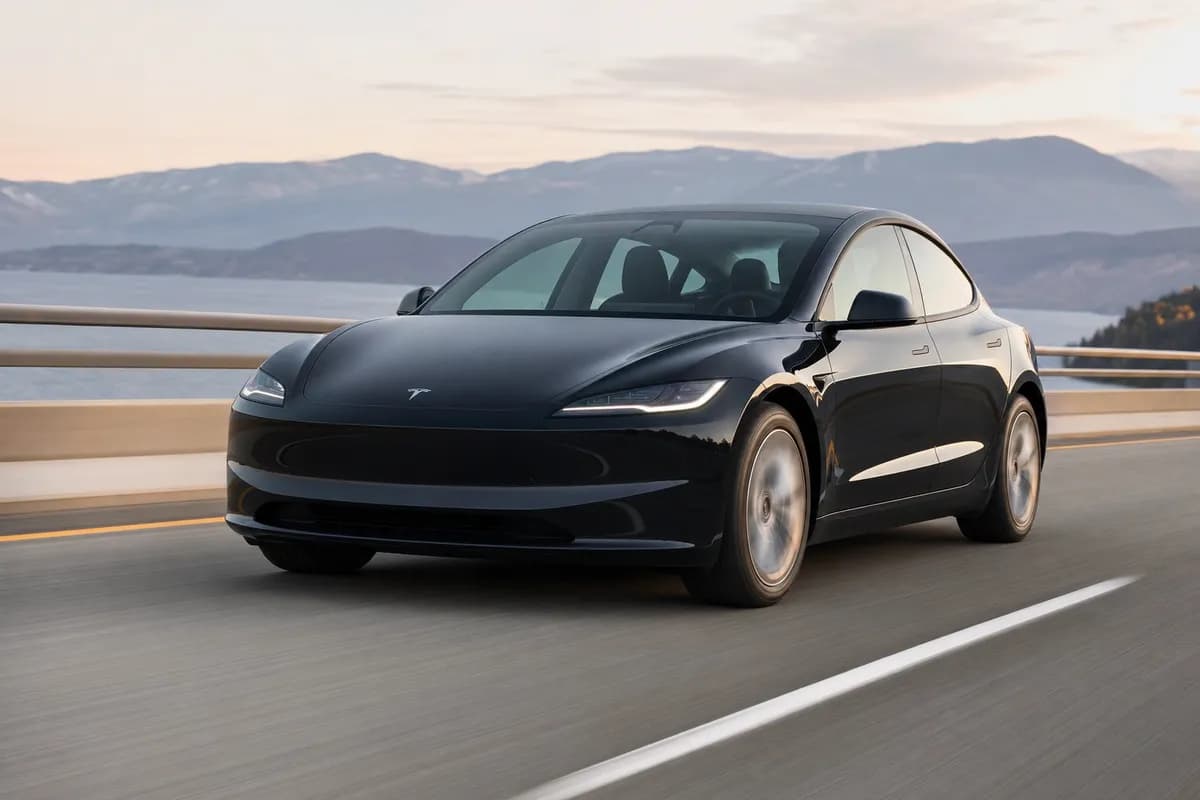
Tesla’s decision to recall more than 2 million vehicles—nearly its entire U.S. fleet—marks a watershed moment for the electric vehicle (EV) industry.
Tesla’s decision to recall more than 2 million vehicles—nearly its entire U.S. fleet—marks a watershed moment for the electric vehicle (EV) industry. At the center of this unprecedented recall is an over-the-air (OTA) software update designed to address concerns over its Autopilot advanced driver-assistance system. The move not only puts Tesla’s approach to safety in the spotlight but could also signal a fundamental change in how automakers manage vehicle recalls in the digital age.
The Scope and Details of Tesla’s 2024 Recall
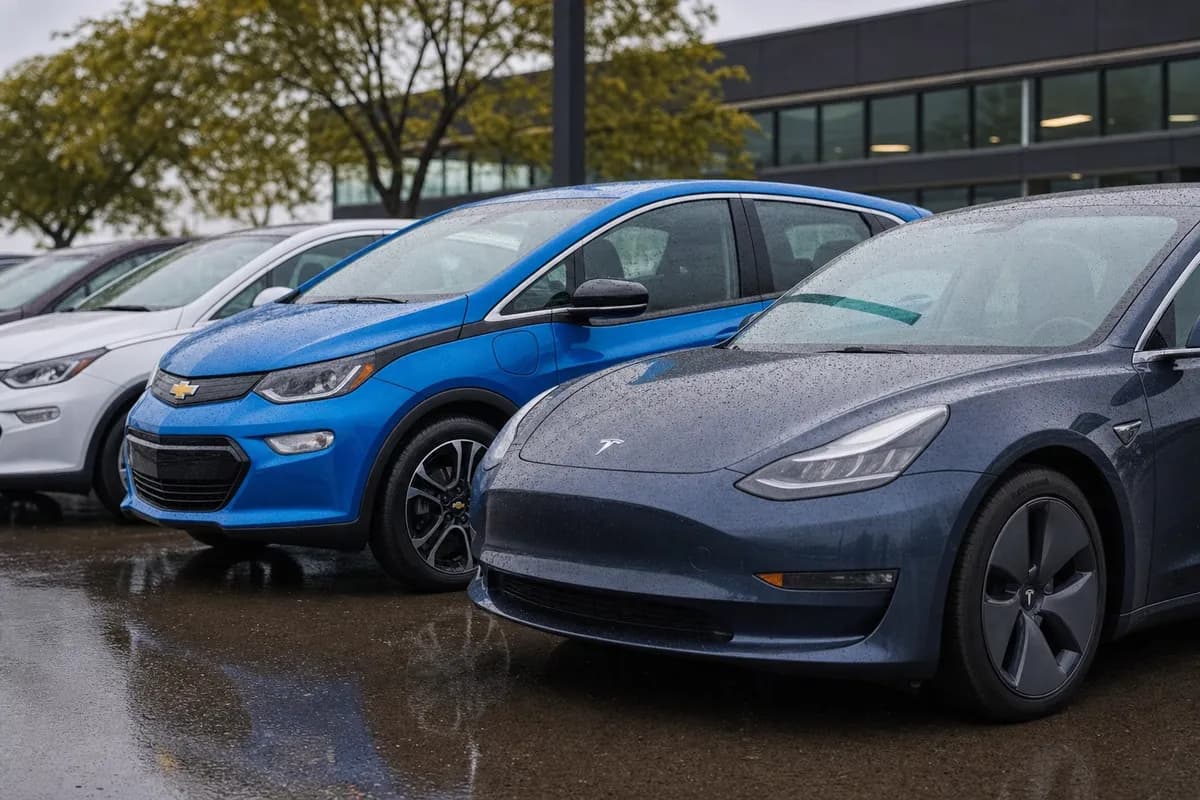
On December 12, 2023, Tesla announced a recall covering almost every vehicle it has sold in the U.S. since 2012: an estimated 2,031,220 cars. The affected models are:
- Model S (2012–2023)
- Model X (2016–2023)
- Model 3 (2017–2023)
- Model Y (2020–2023)
The recall centers on Tesla’s Autopilot software, specifically its Autosteer feature, which assists with steering within a clearly marked lane. According to the National Highway Traffic Safety Administration (NHTSA), Tesla’s safeguards may not effectively prevent drivers from misusing the technology, raising concerns about driver complacency and inattentiveness during Autopilot operation. NHTSA documented at least 322 crashes involving Tesla’s advanced driver-assistance features, including 17 fatalities since 2018.
The fix? A software update delivered over-the-air (OTA), requiring no dealership visits or hardware changes. The update modifies how Autosteer is engaged and increases alerts and warnings if the driver’s hands are not detected on the steering wheel or if Autopilot is misused. Tesla began deploying the update in December and said all eligible vehicles would receive it “in the coming weeks.”
How Over-the-Air Updates Are Reshaping Recall Logistics
Unlike traditional recalls—which often mean time-consuming visits to dealerships, parts replacement, and logistical challenges—Tesla’s response leverages its OTA update capability. This approach enables the company to patch software on more than two million vehicles nearly simultaneously and with minimal inconvenience for owners.
OTA updates are not new to Tesla. The automaker has used them for years to fix bugs, improve range, and even add new features. But the scale and regulatory context of this 2024 recall are unprecedented. According to NHTSA, nearly one-third of all U.S. recalls now involve some software component, but Tesla is unique in issuing a corrective action of this magnitude entirely via software.
For perspective, in 2022, Ford recalled about 48,924 Mustang Mach-E vehicles to address a power loss risk—also via OTA update. Yet Tesla’s recall dwarfs this figure and covers core safety functionality, not just convenience or range.
This expedited process has significant implications for consumer trust and regulatory oversight. As OTA capabilities expand, automakers—and regulators—must adapt recall processes and reporting standards to ensure fixes are both effective and properly documented.
NHTSA’s Role and the Regulatory Challenge
The NHTSA investigation that led to the recall focused on how Tesla’s Autopilot system monitors and enforces driver engagement. The agency concluded that the system “may not be sufficient to prevent driver misuse,” citing cases where drivers were able to keep Autopilot engaged despite failing to maintain attention or hands on the wheel.
After two years of scrutiny, NHTSA’s push prompted Tesla to revise the system’s alerts and make it more difficult to activate Autosteer in certain conditions—such as non-highway roads or when seat belts are unbuckled. The NHTSA will continue to monitor incident data and consumer feedback after the update rollout, signaling that software fixes alone may not close the book on automated driving risks.
This episode adds urgency to the ongoing debate over how and when to regulate emerging vehicle technologies. The NHTSA’s evolving approach—focusing on system effectiveness rather than just technical compliance—could foreshadow future scrutiny for all automakers launching advanced driver-assist systems.
Comparing Tesla’s Approach to Industry Norms
Tesla’s reliance on OTA updates has set it apart from legacy automakers, which often lack the infrastructure for real-time fleetwide software fixes. The recall highlights several industry-wide trends and questions:
- Speed and scale: Tesla can reach its entire customer base within days or weeks, compared to traditional recalls that can drag on for months or years.
- Transparency and documentation: While OTA fixes are efficient, they require robust tracking to ensure all vehicles are updated and customers are informed.
- Regulatory oversight: NHTSA’s acceptance of OTA recalls is increasing, but the agency is still developing best practices for software-driven safety actions.
Other automakers, including General Motors and Ford, are investing heavily to expand their OTA update capabilities. Yet few have the vertical integration or technical agility of Tesla, raising questions about how quickly the rest of the industry can catch up.
Moreover, while OTA updates can fix software issues, they cannot address hardware faults or sensor limitations—reminding regulators and manufacturers alike that not all safety problems are solvable with a download.
What the Recall Means for Drivers and the Future of EV Safety
For Tesla owners, the recall is a reminder that advanced driver-assistance systems are not self-driving. The updated software will require more frequent driver input and display more persistent warnings if hands are off the wheel or if Autosteer is used outside recommended conditions. These changes may frustrate some users but are intended to reinforce the system’s limitations and keep drivers engaged.
For the broader EV and automotive markets, Tesla’s recall sets several important precedents:
- Regulatory expectations will rise: As software becomes more central to vehicle function, automakers will face growing pressure to monitor, report, and remedy safety issues in real time.
- OTA updates will become the norm: Consumers will expect automakers to fix problems quickly and remotely, especially for software-driven safety issues.
- Transparency will be critical: Regulators and drivers alike will demand better disclosure about what’s being changed and why.
However, the recall also exposes the limits of current technology. Even with improved monitoring, driver-assist systems still rely on human vigilance—and as NHTSA’s data suggests, that’s a persistent challenge.
Conclusion: A Turning Point for Digital Safety Management
Tesla’s 2024 recall is historic in both size and method, signaling a major shift in how automakers address vehicle safety risks. The use of an over-the-air fix for more than two million cars is likely to set a new standard for the industry, accelerating the adoption of OTA capabilities and raising the bar for regulatory oversight.
Yet the episode also underscores the complexities still facing EV safety: software alone cannot eliminate driver distraction, and regulators are just beginning to grapple with the risks and opportunities of increasingly automated vehicles.
In the words of the NHTSA, addressing “driver misuse or lack of engagement” is a challenge that “will require continued evaluation as technology advances.”
For consumers, the message is clear: advanced technology can enhance safety, but responsible use—and transparent oversight—remain paramount as the automotive industry enters its next digital chapter.
Affiliate disclosure: This article contains affiliate links. RevvedUpCars may earn a small commission on qualifying purchases at no extra cost to you.
Get the latest car reviews in your inbox
Join thousands of car enthusiasts. No spam, unsubscribe any time.