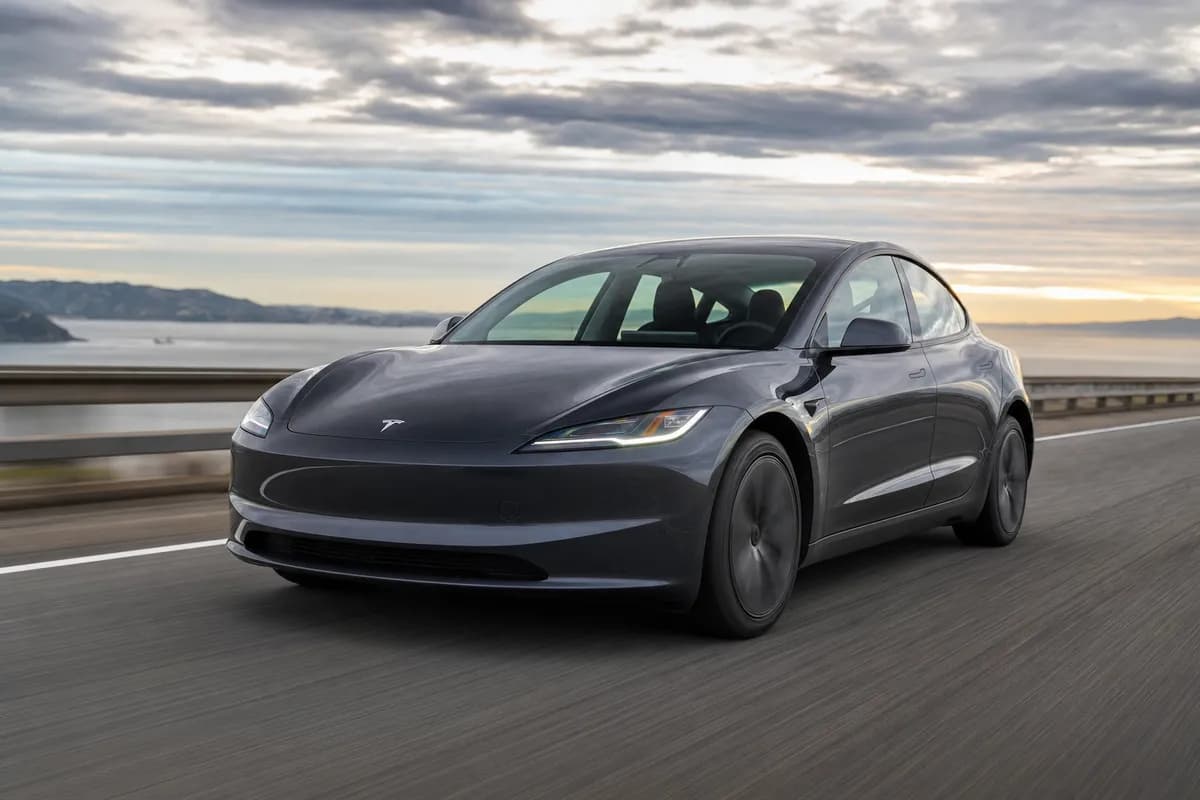
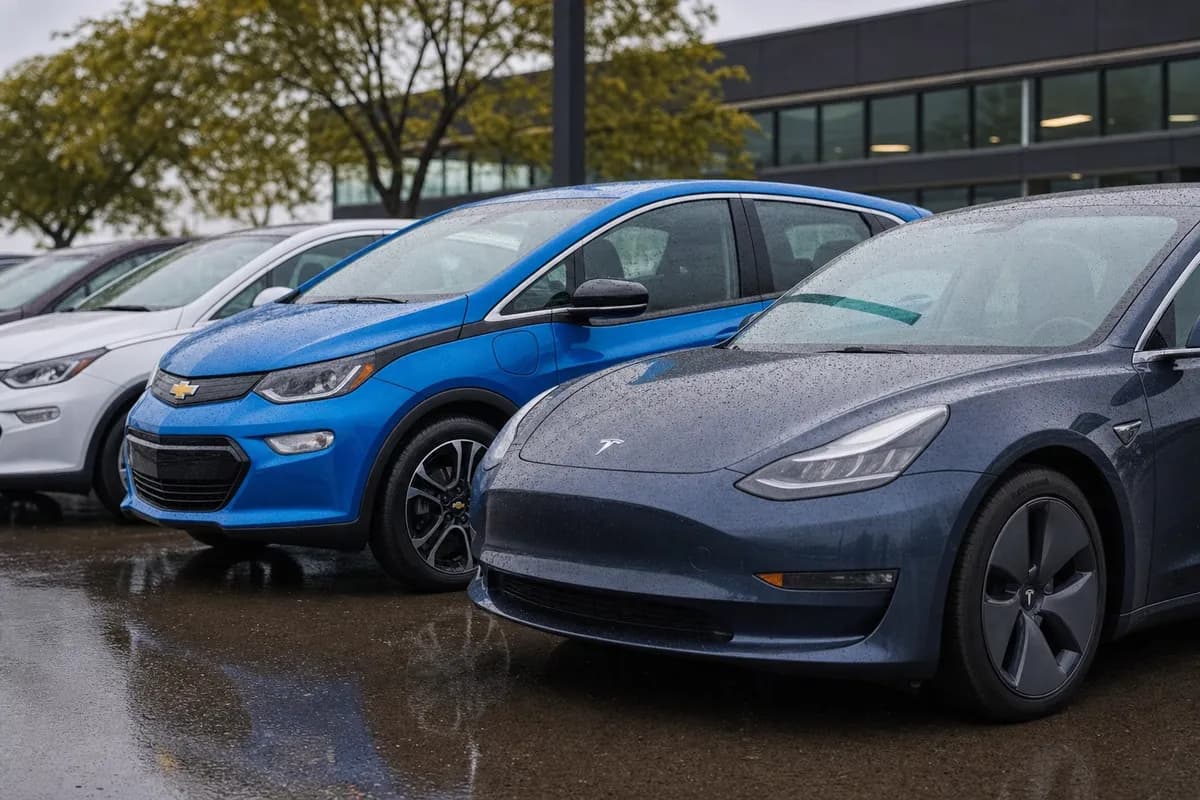
Tesla has initiated one of the largest safety recalls in U.S. automotive history, affecting more than two million vehicles—virtually every car the company has sold domestically.
Tesla has initiated one of the largest safety recalls in U.S. automotive history, affecting more than two million vehicles—virtually every car the company has sold domestically. The recall, prompted by an extensive federal investigation, centers on concerns with Tesla’s Autopilot system. As electric vehicles gain market share and advanced driver-assistance systems become more common, this development signals a turning point for both Tesla owners and the broader EV industry.
Scope of the Recall: Which Vehicles Are Affected?
The National Highway Traffic Safety Administration (NHTSA) announced that the recall covers almost every Tesla model distributed in the United States from 2012 through 2023. Specifically, the following vehicles are included:
- Model S (2012–2023)
- Model X (2016–2023)
- Model 3 (2017–2023)
- Model Y (2020–2023)
This recall encompasses approximately 2.03 million vehicles, representing a sweeping regulatory action that covers nearly Tesla’s entire U.S. fleet.
Background: Autopilot Under Federal Scrutiny
The recall follows a multi-year NHTSA investigation into dozens of crashes involving Tesla vehicles operating with Autopilot activated. NHTSA expressed concern that the driver-assist software could fail to ensure that drivers remain sufficiently engaged, leading to preventable collisions—including fatal ones.
According to NHTSA documents, the probe reviewed over 900 crashes involving Autopilot and determined that, in several cases, Autopilot allowed drivers to misuse the system. Previous warnings and over-the-air updates proved insufficient to address these risks. The agency stated:
“Tesla’s unique design of its Autopilot system may lead to foreseeable misuse by drivers. This recall is intended to better ensure driver engagement and system safety.”
Tesla maintains that Autopilot, when used appropriately, improves safety. However, the company agreed to the recall and corresponding software update without contesting NHTSA’s findings.
The Software Update: What’s Changing?
Unlike traditional recalls that require physical repairs, Tesla will address the safety concerns with an over-the-air (OTA) software update. Key aspects of the update include:
- Enhanced Driver Engagement Monitoring: The update will introduce more prominent visual and audible alerts if the system detects that the driver’s hands are not on the wheel or eyes are not on the road.
- Limitations on Autopilot Use: The software will now restrict Autopilot’s use on certain road types and in environments where its capabilities are limited or where misuse is likely.
- Streamlined System Prompts: Drivers will receive additional prompts to take control in complex situations or when lane-keeping features are less effective.
- Improved Data Logging: The update will capture more robust data regarding Autopilot disengagements and driver behavior during system use.
All affected vehicles will receive the update remotely, with Tesla notifying owners via email and in-car messaging. The process is expected to roll out automatically, requiring no action from owners other than to ensure their vehicle is connected to Wi-Fi.
Implications for Tesla Owners and the EV Industry
This recall raises critical questions for Tesla owners and the entire automotive sector, particularly as advanced driver-assist features become standard across many brands. Key considerations include:
- Trust in Advanced Driver Assistance Systems (ADAS): The recall underscores that even market leaders can face regulatory action if their systems fall short of safety expectations. Owners may need to recalibrate their trust in Autopilot and similar features.
- Changing Role of Software in Safety Recalls: Tesla’s ability to deliver a recall fix via OTA update is unique among automakers, highlighting both the advantages and complexities of software-centric vehicles.
- Broader Industry Impact: Traditional automakers are quickly developing and deploying their own ADAS technologies. NHTSA’s scrutiny of Tesla could prompt preemptive safety upgrades and more conservative marketing from other manufacturers.
- Potential for Stricter Regulation: The NHTSA’s actions may foreshadow stricter federal oversight of autonomous and semi-autonomous systems, affecting not just Tesla but all players in the EV and ADAS market.
Industry analysts note that this recall could become a template for how future software-driven automotive recalls are handled, setting precedents for speed, transparency, and regulatory compliance.
How Tesla’s Recall Compares to Industry Recalls
To put the scale in perspective, only a handful of recalls in U.S. history have affected more vehicles. For example, the Takata airbag recall eventually expanded to roughly 67 million vehicles, but that unfolded over several years and involved multiple manufacturers. Tesla’s recall, by contrast, is not only sweeping but also rapid, owing to the company’s OTA update infrastructure.
Most automakers require physical visits to dealerships for recall repairs, which can be slow and inconvenient. Tesla’s direct-to-consumer software delivery offers a glimpse at how future recalls—especially for EVs—may be managed.
What Owners Should Do Now
Tesla owners with affected vehicles are advised to:
- Watch for Notification: Tesla will alert owners via email, mobile app, and in-car notifications when the update is ready.
- Ensure Connectivity: Keep vehicles connected to Wi-Fi to receive the OTA update promptly.
- Review Autopilot Use: Familiarize yourself with the new prompts and limitations once the update is installed.
- Stay Informed: Monitor official Tesla channels and the NHTSA website for updates regarding the recall and any additional guidance.
Importantly, the recall does not require owners to stop using their vehicles or bring them to a service center. However, drivers should expect noticeable changes to how Autopilot functions and the frequency of system alerts.
Conclusion: A Defining Moment for Vehicle Safety and Regulation
The sweeping Tesla recall marks a pivotal moment for vehicle safety in the digital age. As software becomes central to automotive function and safety, regulatory agencies and automakers alike are learning how to adapt. Tesla’s rapid, software-driven response sets a new standard for addressing safety risks, but also highlights the ongoing challenge of ensuring that advanced driver-assist systems are used responsibly.
For Tesla owners, the update is a mandatory change that will likely alter how they interact with Autopilot. For the industry at large, the recall is a reminder that innovation brings new responsibilities—and that regulatory bodies are watching closely. As EV adoption accelerates and more vehicles rely on complex software, the lessons from Tesla’s recall will reverberate across the entire automotive landscape.
Affiliate disclosure: This article contains affiliate links. RevvedUpCars may earn a small commission on qualifying purchases at no extra cost to you.
Get the latest car reviews in your inbox
Join thousands of car enthusiasts. No spam, unsubscribe any time.