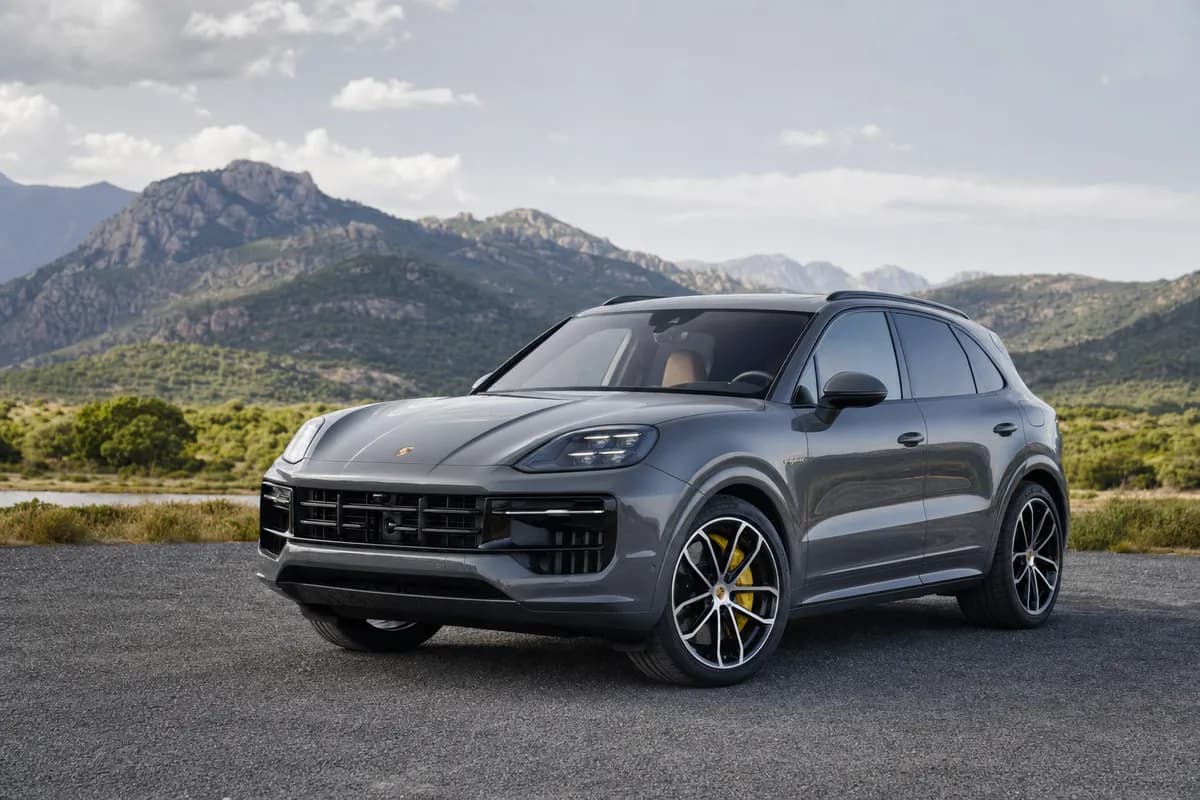
The 2024 Porsche Cayenne Turbo S E-Hybrid is what happens when Stuttgart looks at a 5,700-pound luxury SUV and says, with a straight face, “needs more violence.” Officially, Porsche now calls the 2024 flagship plug-in model the Cayenne Turbo E-Hybrid in many markets, but the…
The 2024 Porsche Cayenne Turbo S E-Hybrid is what happens when Stuttgart looks at a 5,700-pound luxury SUV and says, with a straight face, “needs more violence.” Officially, Porsche now calls the 2024 flagship plug-in model the Cayenne Turbo E-Hybrid in many markets, but the mission is the same as the old Turbo S E-Hybrid: take a twin-turbo V8, strap an electric motor to it, add a battery big enough to handle school runs without waking the engine, then give it enough power to make a BMW X5 M look like it came with a mild apology. This is not a green Cayenne. This is a very fast Cayenne that happens to plug in.
Powertrain: The Electric Bit Is Not Here to Save the Planet
Let’s start with the headline number, because Porsche certainly did: 729 horsepower and 700 lb-ft of torque. That is the combined output from a 4.0-liter twin-turbocharged V8 and an electric motor integrated into the 8-speed Tiptronic S automatic transmission. The V8 alone makes around 591 hp; the electric motor contributes 174 hp. In practice, that means the Cayenne does not accelerate so much as relocate.
Porsche claims 0-60 mph in 3.5 seconds with Sport Chrono and a top speed of 183 mph. Those numbers are obscene for something with rear doors, air suspension, massage seats, and the aerodynamic profile of an expensive bank vault. The previous Cayenne Turbo S E-Hybrid made 670 hp; the 2024 car adds nearly 60 hp and feels angrier everywhere in the rev range.
The electric motor’s contribution is not subtle. It fills in the torque before the turbos are fully awake, so the Cayenne launches with that instant EV shove before the V8 arrives like a bar fight in a tuxedo. In Sport Plus, the response is savage: throttle, whack of torque, deep V8 bellow, and then the horizon starts behaving suspiciously. The 8-speed automatic is not as snappy as Porsche’s PDK dual-clutch gearbox, but for this job it is better: smoother in traffic, tougher under towing loads, and still quick enough when the drive mode selector is twisted into something antisocial.
The battery is a 25.9-kWh pack, substantially larger than the old plug-in Cayenne’s battery, and there is an 11-kW onboard charger. Porsche’s European range figures can look heroic, depending on configuration and testing cycle, but U.S. buyers should expect real electric-only range in the mid-to-high teens, maybe around 15-20 miles if driven normally. That is enough for a short commute, school drop-off, or creeping silently out of a neighborhood before the V8 starts announcing your priorities.
Once the battery is depleted, do not expect Prius miracles. This is still a twin-turbo V8 SUV with a curb weight brushing the wrong side of 5,700 pounds. In mixed driving, high-teens mpg is a realistic expectation when you stop charging it. Plug it in nightly and use the electric range properly, and the numbers become much more flattering. Ignore the cable and you have simply bought a spectacularly complicated V8 Cayenne with a heavy backpack.
The key point: the hybrid system is not a guilt-offset device. It is a torque weapon with a charging port.
On the Road: Big, Heavy, and Somehow Still Porsche
The irritating thing about the Cayenne Turbo S E-Hybrid is that it should not drive this well. Physics has rules. Porsche keeps finding loopholes.
The 2024 Cayenne update brought a heavily revised chassis, including new two-chamber, two-valve adaptive air suspension on higher trims. The system separates compression and rebound control more effectively, which gives the Cayenne a broader personality spread: calmer when cruising, tighter when attacking a road. Add Porsche Active Suspension Management, rear-axle steering, Porsche Dynamic Chassis Control, torque vectoring, and the optional carbon-ceramic brakes, and you have an SUV doing a convincing impression of a supersized Panamera with hiking boots.
Is it as sharp as a 911? Obviously not. Anyone who says that needs fewer press lunches. But for a large luxury SUV, the body control is freakishly good. Turn-in is precise, the steering is clean and weighted properly, and the rear-axle steering helps shrink the wheelbase at low speeds while stabilizing the car at speed. You feel the mass under hard braking and in rapid transitions, but Porsche has tuned the systems so the weight never feels loose or lazy. It is always managed. Expensively managed, yes, but managed.
In Normal mode, it rides with genuine polish. The Cayenne can lope along quietly, the air suspension breathing over broken pavement while the cabin stays composed. In Sport and Sport Plus, it firms up without turning into a chiropractic complaint. That matters because rivals often botch this balance. A BMW X5 M Competition is brutally quick but busier and more aggressive more of the time. A Mercedes-AMG GLE 63 S has thunder and swagger but feels less surgically tied down. A Range Rover Sport SV has huge theater, a 626-hp V8, and wonderful cabin drama, but it cannot match the Cayenne’s precision when the road gets technical.
The closest philosophical rival is probably the BMW XM Label, which also uses a plug-in hybrid V8 and makes a monster 738 hp. On paper, the BMW wins the pub argument. On the road, the Porsche is the cleaner tool. The XM is heavy, extroverted, and occasionally confused about whether it wants to be an M car, a lounge, or a nightclub. The Cayenne knows exactly what it is: the fastest way to move four people and their luggage without pretending mass does not exist.
Braking performance is strong with the standard setup and absurd with Porsche Ceramic Composite Brakes. The pedal feel is also better than many hybrids manage. Blending regenerative braking and friction braking is often where plug-in performance cars reveal their awkwardness, but Porsche’s calibration is tidy. You do not get a mushy science-project pedal. You get something reassuringly German: firm, predictable, and expensive to replace if you get silly at a track day.
Interior and Tech: Less Button Forest, More Digital Theater
The 2024 Cayenne cabin received a major rethink, and the result is more modern without becoming completely joyless. Porsche moved the gear selector to the dashboard, opened up the center console, and added a curved 12.6-inch digital instrument cluster alongside a 12.3-inch central touchscreen. A 10.9-inch passenger display is optional, because apparently even your passenger now needs a screen to confirm you are driving too quickly.
The driving position is excellent. Porsche still understands that performance begins with ergonomics. The wheel is the right size, the seat drops low enough, the pedals line up naturally, and the important controls are where your hands expect them. The new start button is now on the left, as tradition demands, though it is no longer a physical twist key. Progress, allegedly.
Material quality is superb, but then it needs to be. A 2024 Cayenne Turbo E-Hybrid starts around $150,000 before options, and Porsche options behave like raccoons in a pantry: turn your back and suddenly everything is gone. Add rear-axle steering, Porsche Dynamic Chassis Control, ceramic brakes, upgraded leather, Burmester audio, fancy wheels, premium paint, and driver-assistance packages, and a build cresting $180,000 is not remotely difficult. A Coupe with the GT Package can push the number even harder.
Space is good, though the plug-in hardware trims some practicality. Expect cargo volume behind the rear seats in the low-20-cubic-foot range, less than a non-hybrid Cayenne, with more available when the second row folds. Rear-seat room is adult-friendly, and the Cayenne remains easier to live with than ultra-swoopy rivals. It will tow up to 7,716 pounds when properly equipped, which is hilarious in the best way. Imagine towing a race car with something that could embarrass half the race paddock on the way there.
The infotainment system is faster and cleaner than before, though not perfect. Porsche’s interface still has moments where it feels designed by people who enjoy submenus a bit too much. Wireless Apple CarPlay and Android Auto are available, voice control is improved, and the screen response is crisp. Thankfully, Porsche retains enough physical and touch-sensitive shortcut controls that you are not left jabbing through a touchscreen to change every basic function while doing 70 mph. Looking at you, certain German brands.
Against the Rivals: The Porsche Tax Is Real, But So Is the Talent
At this price and power level, the Cayenne Turbo S E-Hybrid is not competing with ordinary luxury SUVs. It is fighting the heavyweight lunatics.
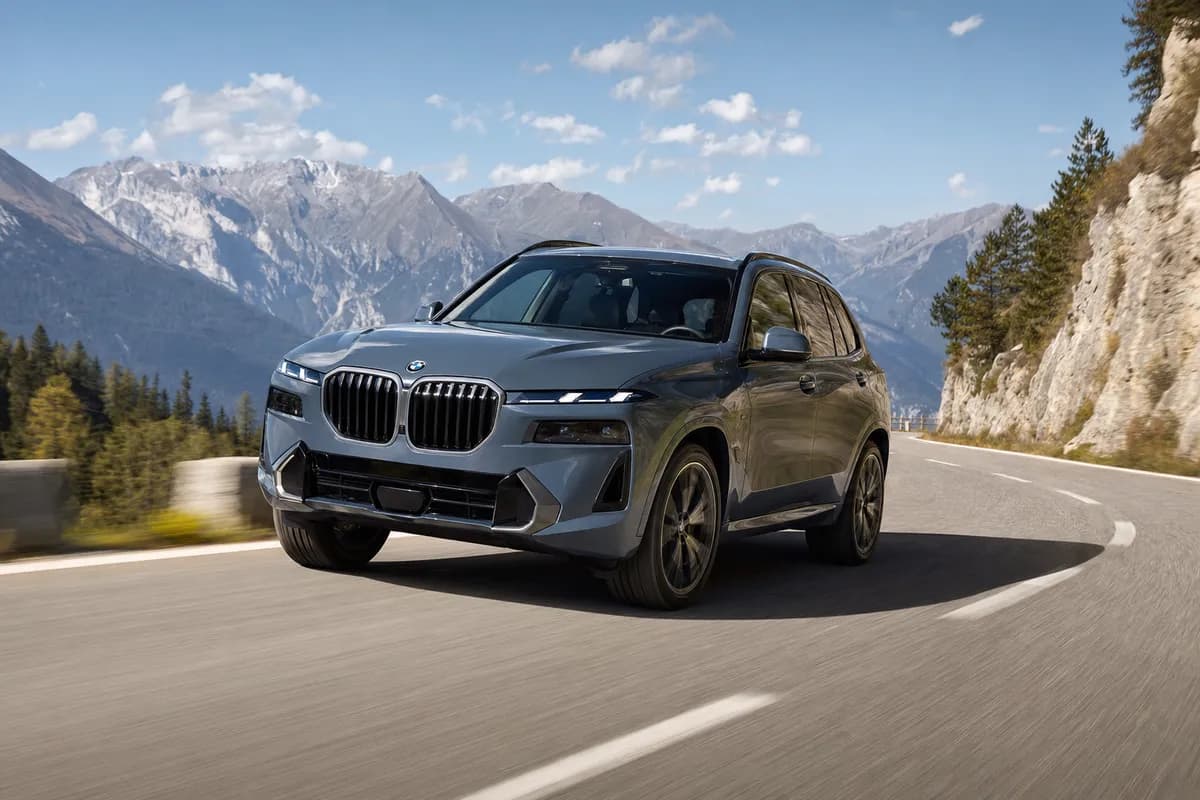
BMW X5 M Competition: 617 hp, 0-60 mph in about 3.7 seconds, sharper-edged and cheaper, but less refined and nowhere near as versatile as a plug-in hybrid.
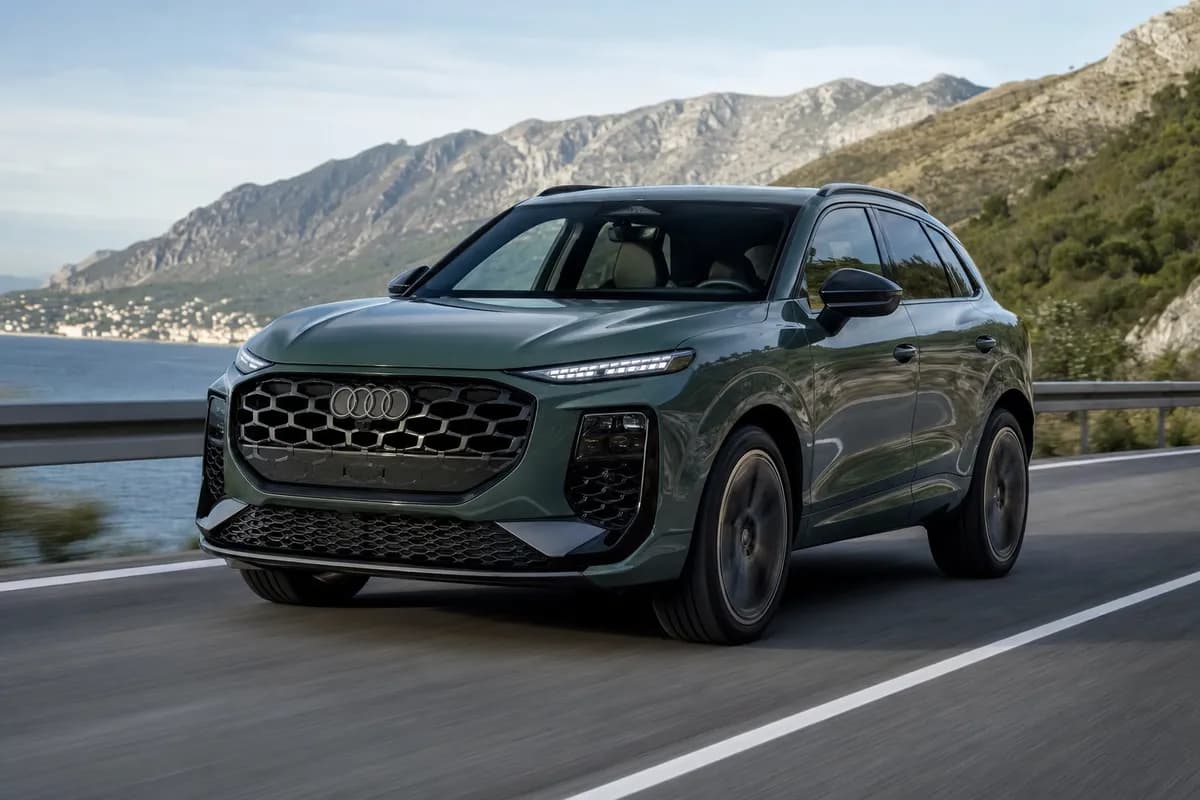
BMW XM Label: 738 hp from a plug-in V8 setup, huge presence, huge weight, and styling that looks like it was designed during a power outage at a laser-tag arena. Fast, but not as cohesive as the Porsche.
Mercedes-AMG GLE 63 S: 603 hp, wonderful V8 character, plush cabin, and strong straight-line speed. It has more muscle-car charm than the Cayenne but less chassis discipline.
Range Rover Sport SV: 626 hp, magnificent interior, serious status, and big-money charisma. Fantastic to be seen in; less convincing when chased down a mountain road by the Porsche.
Aston Martin DBX707: 697 hp, more exotic, more theatrical, and genuinely brilliant. But it is not a plug-in hybrid, costs more, and lacks the Cayenne’s everyday bandwidth.
Lamborghini Urus S: 657 hp, louder, flashier, and more outrageous. Also more expensive and less subtle than arriving at dinner by helicopter.
The Porsche’s advantage is not just speed. Plenty of SUVs are fast now. The Cayenne’s trick is integration. The powertrain, chassis, steering, brakes, and suspension all speak the same language. In the BMW XM, the hybrid system sometimes feels like a headline looking for a chassis. In the Cayenne, the hybrid system feels like an extension of the throttle pedal.
There is also a restraint to the Porsche that some buyers will appreciate. Yes, it is aggressive. Yes, the quad exhausts and big wheels make the point. But it does not need to wear a costume to prove it is expensive. It is the quiet assassin in a room full of influencers.
That said, value is not part of the Cayenne Turbo S E-Hybrid’s résumé. The standard equipment list is better than it used to be, but the options still sting. Porsche will happily charge extra for things that feel morally included at this price. If you are shopping with a spreadsheet, the BMW X5 M or Mercedes-AMG GLE 63 S will make more financial sense. If you are shopping for the best-driving luxury performance SUV with a plug, the Porsche starts pulling away.
Verdict: The Best Fast SUV for Adults With Bad Intentions
The 2024 Porsche Cayenne Turbo S E-Hybrid is not the most efficient plug-in hybrid SUV, not the cheapest super-SUV, not the loudest, and not the most flamboyant. Good. Those are not the jobs it was built to do.
Its job is to deliver supercar-grade acceleration, luxury-car comfort, usable electric running, serious towing ability, and Porsche-grade handling in one deeply expensive machine. It does that with unnerving competence. The V8 hybrid powertrain is magnificent: immediate, muscular, and more characterful than the spec sheet suggests. The chassis is the real magic act, making a huge SUV feel controlled, agile, and genuinely enjoyable when driven hard.
There are caveats. The electric range is useful but not transformative. The weight is always there, even if expertly hidden. The price climbs like a homesick rocket once you start ticking options. And if your idea of performance is raw feedback and low mass, buy a 911 Carrera T and a used Macan for errands. You will have more fun and probably still spend less.
But judged as a do-everything flagship performance SUV, the Cayenne Turbo S E-Hybrid is brutally convincing. The BMW XM has more shock value. The Aston DBX707 has more glamour. The Lamborghini Urus has more theater. The Porsche has the best answers when the road gets interesting.
Final verdict: Expensive, heavy, and borderline unnecessary — yet engineered so brilliantly that it makes most rival super-SUVs feel like they are trying too hard. If you want the sharpest plug-in hybrid performance SUV on sale, this is the one to buy.
Affiliate disclosure: This article contains affiliate links. RevvedUpCars may earn a small commission on qualifying purchases at no extra cost to you.