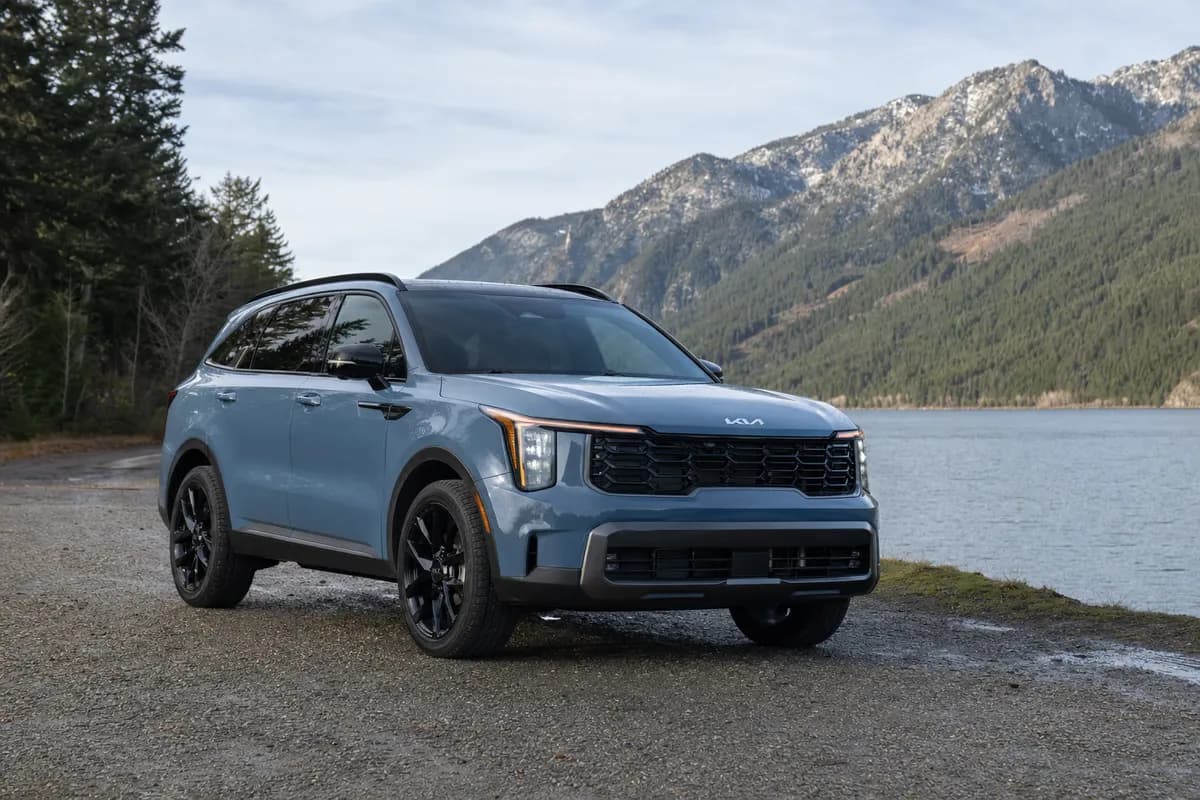
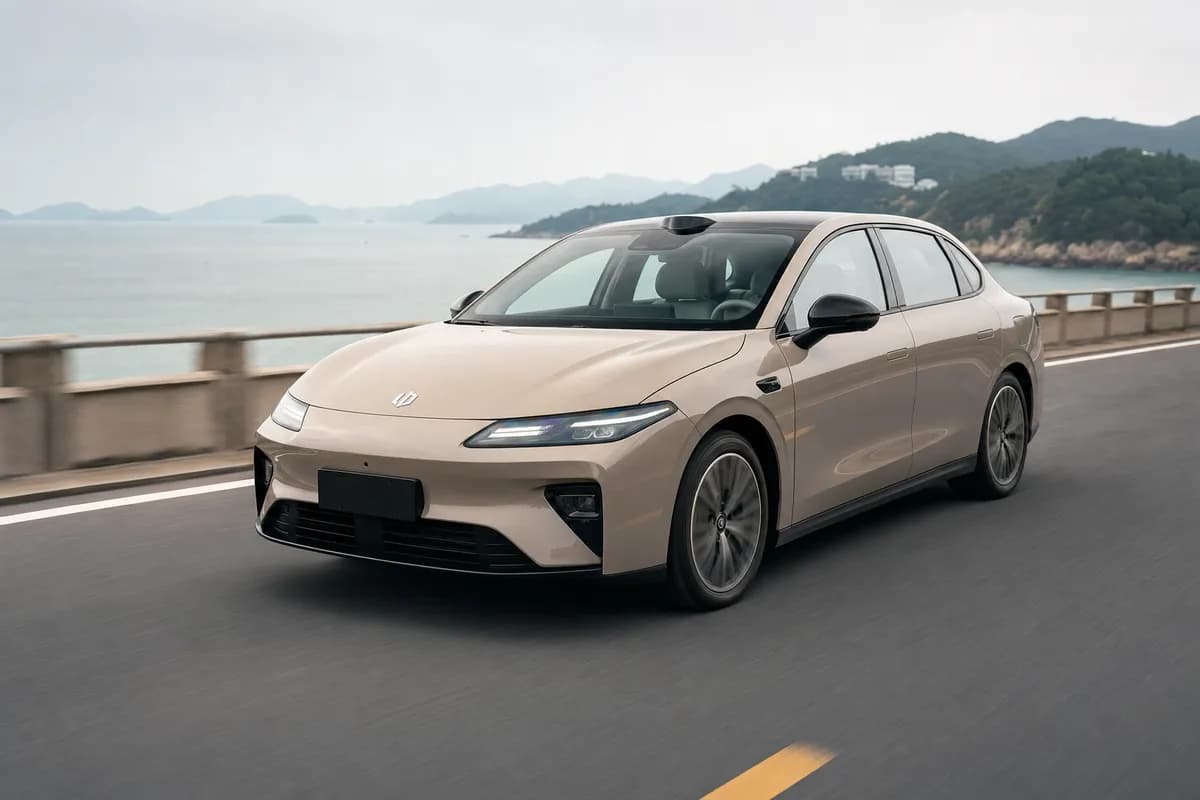
The 2024 Kia Sorento PHEV is what happens when a sensible family crossover gets a charging port, a useful electric range, and just enough polish to make the school run feel less like automotive oatmeal.
The 2024 Kia Sorento PHEV is what happens when a sensible family crossover gets a charging port, a useful electric range, and just enough polish to make the school run feel less like automotive oatmeal. It is not the biggest three-row SUV, not the quickest plug-in hybrid, and certainly not the cheapest Sorento you can buy. But it may be the smartest version of Kia’s midsize-ish family hauler: 32 miles of EPA-rated electric range, standard all-wheel drive, six-passenger seating, and a cabin that feels a lot richer than the badge snobs still want to admit.
There’s a catch, of course. There’s always a catch. For 2024, the Sorento Plug-In Hybrid is offered in one very loaded trim: SX Prestige AWD. That means you get nearly all the toys, but you also start around the $50,000 mark before taxes and fees. That is serious money for a vehicle that is smaller than a Toyota Grand Highlander, less luxurious than a Mazda CX-90 PHEV, and less van-like-useful than a Chrysler Pacifica Plug-In Hybrid. Still, if your life is mostly short commutes, kid hauling, suburban errands, and the occasional road trip, the Sorento PHEV makes a convincing case that “family-friendly efficiency” does not have to mean “joyless penalty box.”
Powertrain and Efficiency: The Plug-In Sweet Spot
The 2024 Kia Sorento PHEV uses a 1.6-liter turbocharged four-cylinder engine paired with an electric motor and a 13.8-kWh lithium-ion battery. Total system output is 261 horsepower and 258 lb-ft of torque, routed through a conventional six-speed automatic transmission to standard all-wheel drive.
That last bit matters. Many hybrids use a continuously variable transmission that can make even decent acceleration sound like a vacuum cleaner having an existential crisis. The Sorento’s six-speed automatic gives the drivetrain a more natural feel. It shifts like a normal car because, thankfully, it is one. The turbo four does pipe up under hard acceleration, but around town the electric motor does the heavy lifting with the kind of smooth, silent shove that makes stop-and-go traffic less miserable.
EPA ratings are the headline here:
- 32 miles of all-electric range
- 79 MPGe combined when using electric and gasoline operation
- 34 mpg combined once the battery is depleted
- Approximately 460 miles of total driving range
Those numbers put the Sorento PHEV in a very useful middle ground. The Mitsubishi Outlander PHEV offers more EV range at 38 miles, but its third row is more of a padded rumor than an actual adult seating area. The Chrysler Pacifica Plug-In Hybrid also manages 32 electric miles and is vastly better at carrying families and cargo, but it is front-wheel drive only and drives, unsurprisingly, like a minivan. The Mazda CX-90 PHEV brings more power at 323 hp and a richer rear-drive-based platform, but its EPA electric range is 26 miles and its pricing can climb into luxury-brand territory with frightening ease.
The Kia’s 32-mile electric range is enough to cover a huge chunk of American daily driving. Charge at home overnight, and many owners will use very little gasoline during the workweek. A Level 2 charger can refill the battery in about three and a half hours, while a standard household outlet is workable but slow. This is not a DC fast-charging EV, nor does it pretend to be. It is a plug-in hybrid for people who want electric commuting without planning family vacations around charger availability.
In real-world driving, expect the Sorento PHEV to feel strongest below 50 mph. That is where the electric torque fills in the gaps and makes the small turbo engine feel less strained. On the highway, once the battery is depleted, the Sorento behaves more like a conventional hybrid SUV. Thirty-four mpg combined is solid for a three-row AWD crossover, though Toyota’s Highlander Hybrid still does better at up to 36 mpg combined without needing a plug. But the Toyota cannot glide silently through the first 32 miles of your day without burning fuel. That is the Sorento’s trump card.
Driving Impressions: Calm, Quick Enough, and Not Pretending to Be Sporty
Let’s dispatch the fantasy first: the 2024 Sorento PHEV is not sporty. It is not an SUV for apex-hunting parents who wear driving gloves to Costco. It weighs roughly 4,500 pounds, rides on efficiency-minded tires, and prioritizes comfort over cornering drama. Good. That is exactly what it should do.
Acceleration is perfectly adequate. Independent testing has placed the Sorento PHEV in the mid-seven-second range from 0 to 60 mph, which is quick enough to merge without theatrics and faster than most people need in a family crossover. It does not have the muscular punch of a Mazda CX-90 PHEV, and it will not embarrass performance SUVs at traffic lights, but the electric motor gives it a pleasing immediacy in town. The first few yards from a stop are smooth and confident, not wheezy.
The steering is light, the brake pedal is mostly well blended between regenerative and friction braking, and the ride quality is nicely judged. Kia has become annoyingly good at suspension tuning lately, and the Sorento benefits from that. It absorbs potholes without floating, keeps body roll in check, and generally behaves with the polished calm of something wearing a more expensive badge.
There are drive modes, but this is not a vehicle transformed by them. Eco is the natural setting because, frankly, if you bought a plug-in hybrid and immediately buried it in Sport mode, you may also be the sort of person who buys running shoes and uses them only to walk to the fridge. Sport sharpens throttle response and holds gears longer, but it also makes the little 1.6-liter engine more vocal. Comfort is the best everyday choice if you want the car to decide how to juggle gas and electric power without turning the cabin into a mechanical debate club.
All-wheel drive is standard, which gives the Sorento PHEV a practical advantage over the Chrysler Pacifica Plug-In Hybrid and some front-drive hybrid rivals. It is not a rock crawler, and with modest ground clearance it should not be treated like one, but for rain, snow, gravel driveways, and winter school runs, it adds the kind of reassurance families actually use.
Towing capacity is rated at 2,000 pounds, enough for a small utility trailer, a pair of jet skis, or a very modest camper. If you need to tow more, shop elsewhere. The non-plug-in Kia Telluride tows up to 5,000 pounds and has more space, though it drinks far more fuel and offers no electric-only commuting.
Interior, Tech, and Practicality: Premium Where It Counts
The Sorento PHEV’s cabin is one of its strongest arguments. In SX Prestige form, it feels genuinely upscale, with leather upholstery, ventilated front seats, heated second-row captain’s chairs, a panoramic sunroof, a heated steering wheel, and a Bose audio system. The design is clean, the materials are mostly convincing, and the switchgear does not feel like it came from the bargain bin behind the factory.
The seating layout is six-passenger only, using second-row captain’s chairs and a two-seat third row. That makes access to the back easier and gives the second row a more comfortable, premium feel. Families with two kids will love it. Families with three kids may curse it, because there is no seven-seat bench option on the PHEV for 2024.
The third row is usable in the way compact-ish three-row SUVs usually are: fine for children, acceptable for flexible adults on short trips, and not somewhere you would send your in-laws unless the inheritance situation has soured. The Sorento is smaller than a Telluride, Grand Highlander, or CX-90, and you feel that most clearly in the rearmost seats and cargo area.
Cargo space checks in at:
- 12.6 cubic feet behind the third row
- 45.0 cubic feet behind the second row
- 75.5 cubic feet maximum with rear seats folded
Those numbers are respectable but not class-leading. A Toyota Grand Highlander is much roomier. A Chrysler Pacifica is in another universe for cargo and kid logistics. Even Kia’s own Telluride is a better choice if your family travels with strollers, sports bags, coolers, pets, and the apparently mandatory 14 water bottles per child.
But the Sorento’s smaller footprint is not a flaw for everyone. It is easier to park, easier to thread through crowded suburbs, and less cumbersome than a full-size family bus. If you only use the third row occasionally, this packaging makes sense. If you use it every day, buy something bigger and stop pretending.
Technology is strong, though not flawless. The 2024 Sorento PHEV SX Prestige includes a 10.25-inch touchscreen with navigation, Apple CarPlay, Android Auto, multiple USB ports, wireless phone charging, and a digital instrument cluster. The infotainment system is crisp and logical, and Kia’s menu structure is far less maddening than some luxury-brand systems that seem designed by a committee of raccoons.
The irritation? Wireless Apple CarPlay and Android Auto are not included with the larger navigation screen; you still need a cable. That was silly in 2021 and is borderline insulting in a $50,000 family SUV in 2024. The system works well once plugged in, but the cable requirement feels like a leftover compromise from a previous tech generation.
Safety, Value, and the Competition: Good Kit, Tough Price
Kia does not skimp on safety equipment here. The 2024 Sorento PHEV comes with a deep roster of driver-assistance features, including forward collision-avoidance assist, blind-spot monitoring, rear cross-traffic alert, lane-keeping assist, lane-following assist, adaptive cruise control, parking sensors, a surround-view monitor, and Kia’s Blind-Spot View Monitor, which displays a camera feed in the gauge cluster when you signal.
That last feature is still one of the best mainstream safety tricks on the market. It is simple, intuitive, and genuinely useful. More automakers should steal it immediately.
Pricing is where the Sorento PHEV starts sweating. The 2024 model is essentially a one-trim proposition in the U.S., with the SX Prestige AWD starting around $50,000 before taxes and options, and roughly $51,000-plus once destination is included. That is not cheap. In fact, it lands uncomfortably close to larger and more powerful alternatives.
Here is how the field stacks up:
- Toyota Highlander Hybrid: More efficient after the battery is depleted, roomier than the Sorento, and backed by Toyota’s hybrid reputation. But no plug-in version and no electric-only commute.
- Toyota Grand Highlander Hybrid: Much larger and more family-friendly, with excellent packaging. But again, no plug-in option, and desirable trims get expensive quickly.
- Mazda CX-90 PHEV: More powerful, more premium-feeling, and better to drive. But its third row is not huge, its EV range is lower at 26 miles, and pricing can soar.
- Mitsubishi Outlander PHEV: Longer EV range at 38 miles and a lower starting price. But it is smaller, less refined, and its third row is mostly decorative.
- Chrysler Pacifica Plug-In Hybrid: The plug-in family-hauling king if you value space above all else. But it is front-wheel drive only, less SUV-styled, and Chrysler’s long-term reliability record is not exactly a warm blanket.
- Kia Telluride: Bigger, better for road trips, and more luxurious in top trims. But it is gas-only and far thirstier.
The Sorento PHEV’s value depends almost entirely on your charging habits. If you can charge at home and your daily driving fits inside that 32-mile electric range, the fuel savings and convenience are real. If you cannot charge regularly, you are carrying around an expensive battery and should probably buy the regular Sorento Hybrid instead. The non-plug-in Sorento Hybrid is cheaper, efficient, and still pleasant. It just lacks the electric-only magic trick.
Also worth noting: federal tax credit eligibility for plug-in hybrids has become a moving target due to battery sourcing and assembly rules. The 2024 Sorento PHEV may not qualify for the full federal EV credit when purchased new, depending on current regulations and transaction type, though lease incentives can sometimes change the math. Translation: do not let a salesperson hand-wave this. Verify incentives before signing, preferably while holding a calculator and wearing your most skeptical expression.
Verdict: A Smart Family SUV If You Actually Plug It In
The 2024 Kia Sorento PHEV is not the roomiest three-row SUV, not the cheapest hybrid, and not the plug-in with the longest electric range. But it is one of the most complete family plug-in hybrids you can buy if your needs line up with its strengths. It is comfortable, efficient, nicely equipped, easy to drive, and just premium enough inside to make the price sting less.
Its best use case is crystal clear: a family that needs occasional third-row seating, wants all-wheel drive, has home charging, and does most of its driving within 30 miles of home. In that scenario, the Sorento PHEV can behave like an EV during the week and a normal hybrid SUV on the weekend. That is exactly the point of a good plug-in hybrid.
But if you need a truly roomy third row, buy a Toyota Grand Highlander Hybrid, Kia Telluride, or Chrysler Pacifica Plug-In Hybrid. If you want sharper driving dynamics and a more premium badge-adjacent experience, the Mazda CX-90 PHEV is more satisfying from behind the wheel. And if you cannot charge at home, skip the plug and buy the Sorento Hybrid instead.
RevvedUpCars verdict: The 2024 Kia Sorento PHEV is a clever, polished, genuinely useful plug-in family crossover with one major requirement: you need to plug it in. Do that, and it is efficient, quiet, and impressively easy to live with. Don’t, and you’ve just bought an expensive hybrid with a charging door for decoration.
Score: 8.1/10. Smart, efficient, and well-equipped, the Sorento PHEV is one of the better plug-in family SUVs for suburban life. Just make sure your family fits before your wallet commits.
Affiliate disclosure: This article contains affiliate links. RevvedUpCars may earn a small commission on qualifying purchases at no extra cost to you.