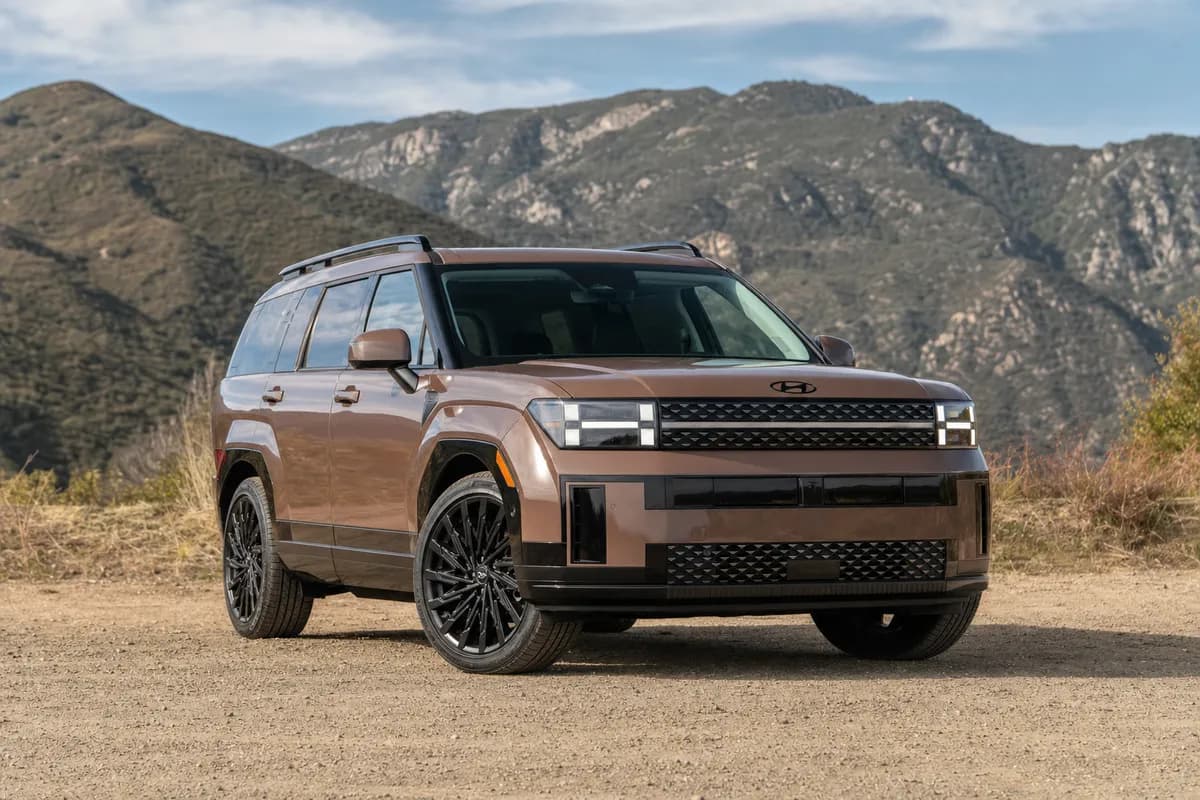
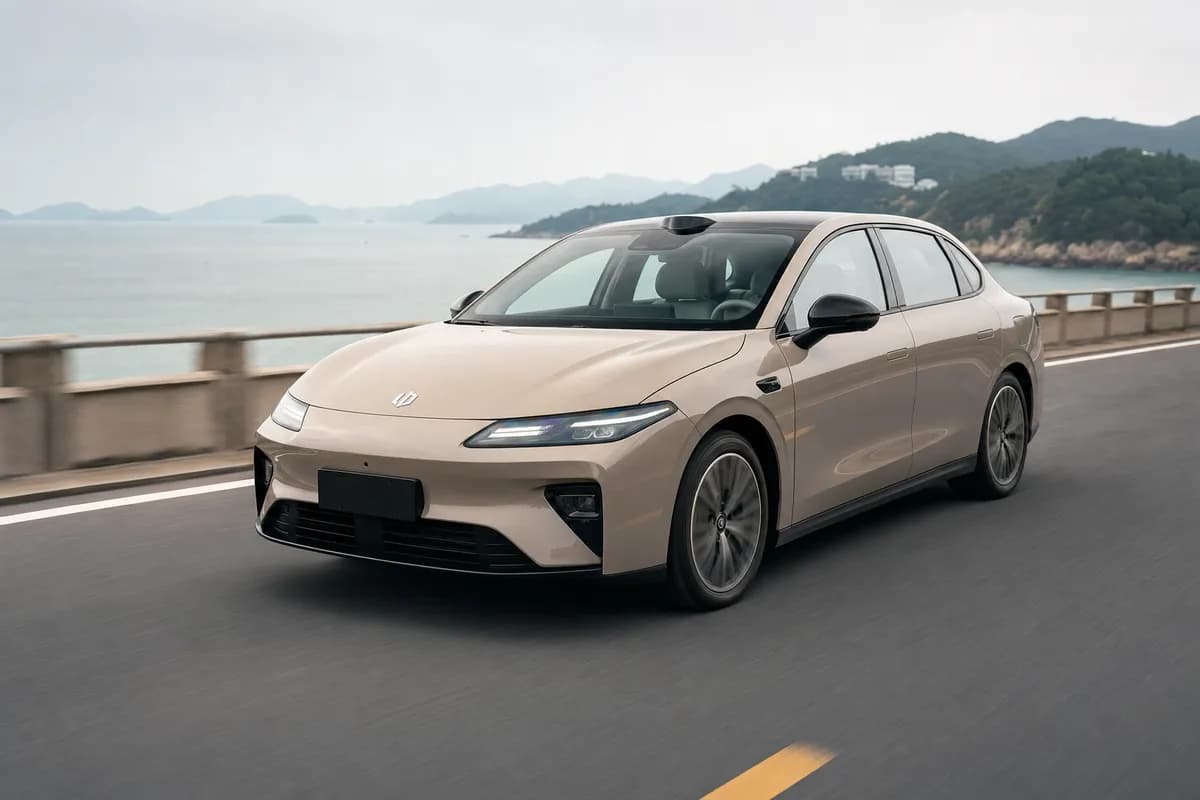
The 2024 Hyundai Santa Fe Plug-in Hybrid is the sort of family SUV that doesn’t shout about saving fuel; it just quietly kneecaps your gas bill while coddling you in a cabin that feels one badge class above its price.
The 2024 Hyundai Santa Fe Plug-in Hybrid is the sort of family SUV that doesn’t shout about saving fuel; it just quietly kneecaps your gas bill while coddling you in a cabin that feels one badge class above its price. It is not the quickest plug-in SUV, not the sharpest, and not the newest-looking thing in Hyundai’s showroom if you’re staring at the boxy next-generation Santa Fe. But as an everyday commuter, school-run hauler, Costco mule, and weekend escape pod, the Santa Fe PHEV hits a very sweet spot: about 30 miles of electric range, standard all-wheel drive, real comfort, and enough power to avoid feeling like a rolling apology.
What the 2024 Hyundai Santa Fe Plug-in Hybrid Actually Is
Let’s clear the fog first. The Santa Fe Plug-in Hybrid uses Hyundai’s familiar electrified powertrain: a 1.6-liter turbocharged four-cylinder engine paired with an electric motor, a 13.8-kWh lithium-ion battery, a six-speed automatic transmission, and standard all-wheel drive. Total system output is 261 horsepower and 258 lb-ft of torque. That is healthy, not heroic.
The key figure is the electric range. The Santa Fe Plug-in Hybrid is rated at around 30 miles of EPA electric driving range, with a combined efficiency rating of approximately 76 MPGe when using battery and gasoline power, and around 33 mpg combined once the battery is depleted. Those numbers make it ideal for the driver with a predictable daily routine: 8 miles to work, 5 miles to daycare, 3 miles to the supermarket, then home. Charge nightly and the gas engine may become an occasional guest star.
Where some plug-in hybrids feel like gasoline vehicles with a battery bolted on as an afterthought, the Santa Fe PHEV feels properly integrated. The six-speed automatic is a big part of that. Toyota’s hybrid systems are brilliant, but their e-CVT behavior can drone when pushed. Hyundai’s conventional automatic gives the Santa Fe a more familiar rhythm: it shifts gears, pulls cleanly, and avoids the elastic-band sensation that still annoys some drivers in hybrid Toyotas.
There is one caveat: availability varies by market, and Hyundai’s Santa Fe lineup has been in transition. If you are shopping in the U.S., confirm local inventory carefully, because the plug-in version has not been as widely available as the standard hybrid or the gasoline model. That said, if you find one, especially a well-equipped Limited, it deserves a serious look.
- Powertrain: 1.6-liter turbo four-cylinder plus electric motor
- Total output: 261 hp and 258 lb-ft
- Transmission: 6-speed automatic
- Drivetrain: Standard all-wheel drive
- Battery: 13.8 kWh lithium-ion
- Electric range: About 30 miles EPA
- Efficiency: About 76 MPGe / 33 mpg combined on gasoline
- Towing capacity: Up to 2,000 pounds when properly equipped
Efficiency: The Santa Fe PHEV’s Best Party Trick
The Santa Fe Plug-in Hybrid works best when you treat it like an electric car during the week and a hybrid on weekends. That is the whole plug-in hybrid bargain. If you have home charging, particularly a Level 2 charger, this SUV becomes impressively cheap to run. A full recharge on a 240-volt Level 2 setup takes roughly four hours. On a normal household outlet, you are looking at an overnight refill, which is less glamorous but still perfectly workable for many owners.
In electric mode, the Santa Fe is smooth and serene at urban speeds. It pulls away from lights with that instant electric shove that makes even mundane errands feel slightly futuristic. No engine flare, no vibration, no theatrical hybrid weirdness. Just silent torque and the smug satisfaction of passing gas stations like they owe you money.
Once the battery is depleted, the Santa Fe behaves like a conventional hybrid. The turbocharged 1.6-liter engine wakes up, the automatic transmission gets on with the job, and fuel economy settles into the low-30-mpg range in mixed driving. That is good for a roomy all-wheel-drive midsize SUV, though it is not class-leading if you never plug in. And that is the important bit: if you are not going to charge it, do not buy the plug-in. Buy the regular Santa Fe Hybrid instead and spare yourself the cost and weight of a battery you are too lazy to use.
Compared with rivals, the Hyundai sits in the practical middle. The Toyota RAV4 Prime is the performance king here, with 302 horsepower, about 42 miles of electric range, and a 0-60 mph time around 5.7 seconds. It is genuinely quick, but it is also smaller, often pricier in the real world, and not as plush inside. The Kia Sorento Plug-in Hybrid uses a very similar 261-hp setup and offers roughly 32 miles of electric range, but gives you three rows in a tighter package. The Mitsubishi Outlander PHEV offers around 38 miles of electric range and a useful all-wheel-drive system, but its cabin and driving polish do not quite match Hyundai’s best work. The Volvo XC60 Recharge is much faster and much more expensive, which is a lovely arrangement if your accountant has lost the will to live.
The Santa Fe PHEV is not the spreadsheet champion in every column, but it is remarkably easy to live with. For most families, that matters more than winning the EV-range pub quiz.
On the Road: Smooth, Quiet, and Absolutely Not a Sports SUV
Press the accelerator hard and the Santa Fe Plug-in Hybrid moves with respectable urgency. Independent tests of this powertrain typically put 0-60 mph in the mid-7-second range, which is plenty for merging, passing, and making sure the driver of a wheezing compact crossover does not trap you behind a semi. It is not RAV4 Prime fast, and it does not pretend to be. Hyundai has tuned this thing for calm, not combat.
The power delivery is strongest around town, where the electric motor fills in the low-speed torque and masks turbo lag. At highway speeds, the small turbo engine becomes more noticeable, especially when climbing grades or executing a full-throttle pass. It never sounds expensive. It sounds busy. Not unpleasant, just a bit strained when asked to hustle 4,300-ish pounds of family SUV, battery, motor, all-wheel-drive hardware, snacks, children, and the emotional baggage of modern life.
The six-speed automatic deserves credit. It is not lightning-quick, but it is smoother and more natural than many hybrid transmissions. Gear changes are clean, and the handoff between electric and gasoline power is generally seamless. Brake feel is also better than average for a plug-in hybrid. Regenerative braking is present, of course, but the pedal does not have the wooden, disconnected weirdness that makes some electrified cars feel like arcade cabinets with seatbelts.
Handling is where the Santa Fe tells you, politely but firmly, to calm down. Steering is light, accurate enough, and mostly numb. Body roll is present if you attack a twisty road with enthusiasm. The suspension prioritizes compliance over cornering theatrics, which is exactly the right call. This is not a Mazda CX-50 with a plug. It is a comfortable family SUV that would rather flatten potholes than apex corners.
And it is very good at that. The ride has a relaxed, expensive-feeling softness without turning floaty. Broken pavement is absorbed cleanly, highway expansion joints are muted, and the cabin stays impressively quiet. Tire roar is well controlled, wind noise is modest, and in EV mode the Santa Fe feels almost luxury-lite. Not Genesis quiet, but certainly more refined than a RAV4 Prime, which can feel busier and more utilitarian.
The Santa Fe PHEV is not trying to make you feel like a rally driver. It is trying to make your commute cheaper, quieter, and less irritating. That is a nobler mission than most performance badges would like to admit.
Interior Comfort and Practicality: Hyundai’s Strongest Hand
Hyundai has become annoyingly good at interiors. Annoying, at least, if you are a mainstream rival still charging luxury-adjacent money for cabins full of shiny black plastic and regret. The Santa Fe Plug-in Hybrid’s cabin is spacious, cleanly designed, and genuinely comfortable. In Limited trim, the leather upholstery, heated and ventilated front seats, panoramic sunroof, heated rear seats, and premium audio system push the experience toward near-luxury territory.
The front seats are supportive without being hard, with enough adjustability for long-distance comfort. Rear-seat space is generous, especially in legroom, and adults will fit without performing yoga. This is one of the Santa Fe’s biggest advantages over smaller plug-in SUVs like the RAV4 Prime. The Toyota wins the drag race; the Hyundai wins the “can four adults ride to dinner without resentment?” test.
Cargo space is also useful. The Santa Fe offers about 36 cubic feet behind the second row and roughly 72 cubic feet with the rear seats folded, depending on configuration. That is family-grade capacity: strollers, golf clubs, luggage, flat-pack furniture, the suspiciously large haul from a “quick” Target run. The battery packaging does not ruin the cargo area, which is not always a given in plug-in hybrids.
The infotainment system is straightforward, with a responsive touchscreen, clear menus, and smartphone integration. Hyundai’s interface is not the prettiest in the business, but it is logical, and logic is underrated. Physical controls for climate functions are a blessing. Touch-sensitive everything may look sleek in a design studio, but try adjusting fan speed on a bumpy road while your child is melting down in the back. Buttons are civilization.
Safety tech is abundant, as expected from Hyundai. Depending on trim, you get forward collision avoidance, blind-spot collision avoidance, rear cross-traffic alert, lane-keeping assist, adaptive cruise control, safe exit assist, and Hyundai’s Highway Driving Assist. The systems are generally well calibrated. Lane centering is smooth rather than bossy, and adaptive cruise behaves like it has met traffic before, which is more than I can say for some luxury systems.
The weak spots? The cabin design is sensible rather than exciting, and the outgoing Santa Fe shape lacks the visual drama of Hyundai’s newer, boxier design language. Some materials below the beltline are merely average, and the plug-in’s extra weight slightly dulls the driving experience. But as a comfort-first machine, the Santa Fe PHEV gets the fundamentals right.
Value, Rivals, and Final Verdict
The 2024 Hyundai Santa Fe Plug-in Hybrid lives in a tricky part of the market. Plug-in hybrids are more expensive than regular hybrids, federal and local incentives vary, and availability can be patchy. Pricing has generally landed in the low-to-high $40,000 range depending on trim and market, which puts it up against some very credible machinery.
Key Rivals
- Toyota RAV4 Prime: Faster, more efficient, longer electric range, and extremely desirable. Also smaller, firmer, and often harder to buy at a sane price.
- Kia Sorento Plug-in Hybrid: Mechanically similar, with three-row flexibility. The third row is small, but useful in emergencies or for children you still like.
- Mitsubishi Outlander PHEV: Strong EV range and standard all-wheel drive, with a lower-key personality. Good value, but less polished than the Hyundai.
- Ford Escape Plug-in Hybrid: Efficient and practical, but front-wheel drive only and less premium-feeling inside.
- Volvo XC60 Recharge: Much more powerful and luxurious, but also much more expensive. Different tax bracket, different conversation.
The Hyundai’s case is not built on one knockout number. It does not have the RAV4 Prime’s 302-hp punch. It does not have the Outlander PHEV’s longer electric range. It does not have the Volvo’s champagne thrust. What it has is balance. It is quiet, comfortable, efficient, roomy, easy to drive, and loaded with equipment. It feels like a car designed by people who understand that most SUV owners are not chasing lap times. They are chasing lower running costs, fewer fuel stops, less fatigue, and enough space to keep domestic peace.
Would I buy it over a Toyota RAV4 Prime? If I wanted maximum performance and EV range, no. The Toyota is the sharper technical achievement. But if I valued cabin space, ride comfort, and a more relaxed personality, the Hyundai makes a very strong argument. Would I buy it over the Kia Sorento PHEV? That depends on whether you need the Kia’s small third row. If you do, buy the Kia. If you do not, the Santa Fe feels more cohesive as a two-row family cruiser.
The most important buying advice is simple: plug it in. A Santa Fe PHEV driven without charging is just an expensive hybrid carrying around extra hardware. But used properly, it can cover most daily driving on electricity while still giving you gasoline range for road trips. That flexibility is exactly why plug-in hybrids still matter in a world rushing toward full EVs.
Verdict
The 2024 Hyundai Santa Fe Plug-in Hybrid is a comfortable, efficient, and genuinely practical family SUV with just enough electric range to transform daily driving. It is not exciting, and it is not the class athlete, but it is one of the more mature plug-in hybrids in the mainstream SUV segment. The ride is calm, the cabin is spacious, the powertrain is smooth, and the efficiency payoff is real if you charge regularly.
Skip it if you want speed, sporty handling, or the longest electric range in the class. Buy it if you want a refined all-wheel-drive SUV that can do weekday errands without burning gas and still road-trip without charging anxiety. The Santa Fe Plug-in Hybrid is not flashy. It is better than that: it is useful.
Affiliate disclosure: This article contains affiliate links. RevvedUpCars may earn a small commission on qualifying purchases at no extra cost to you.