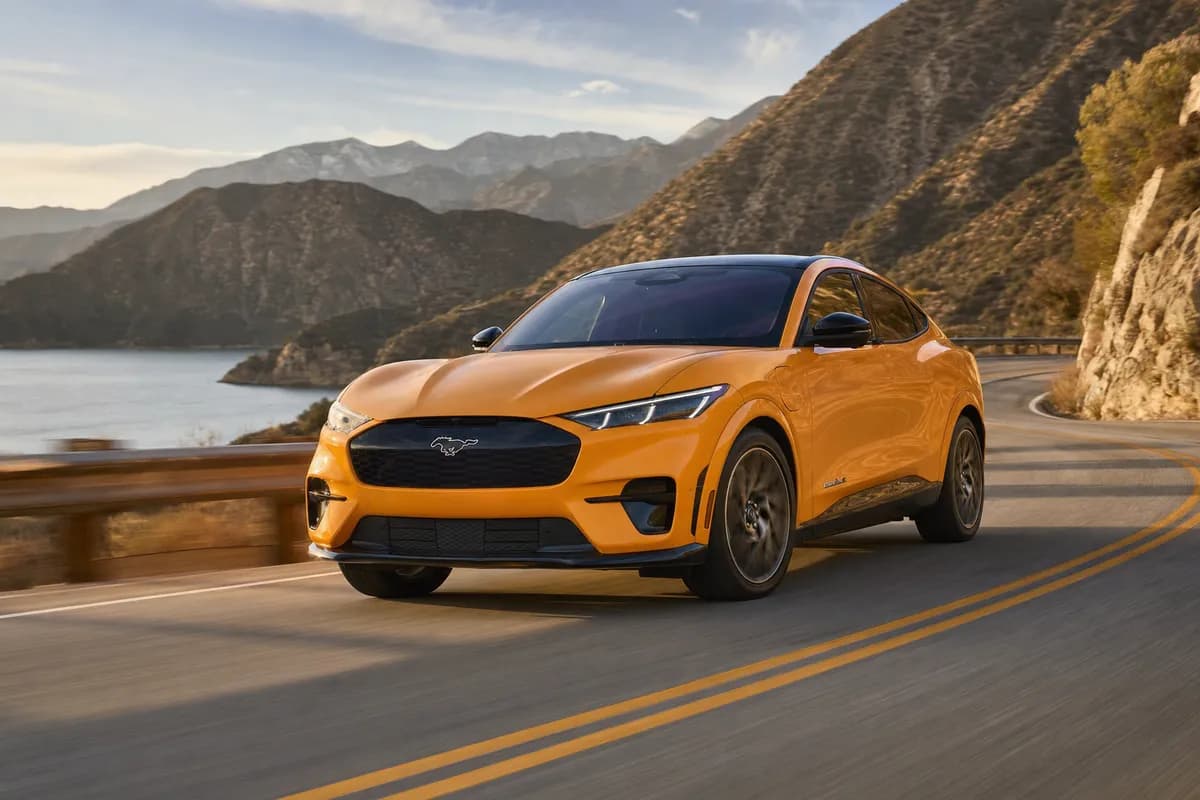
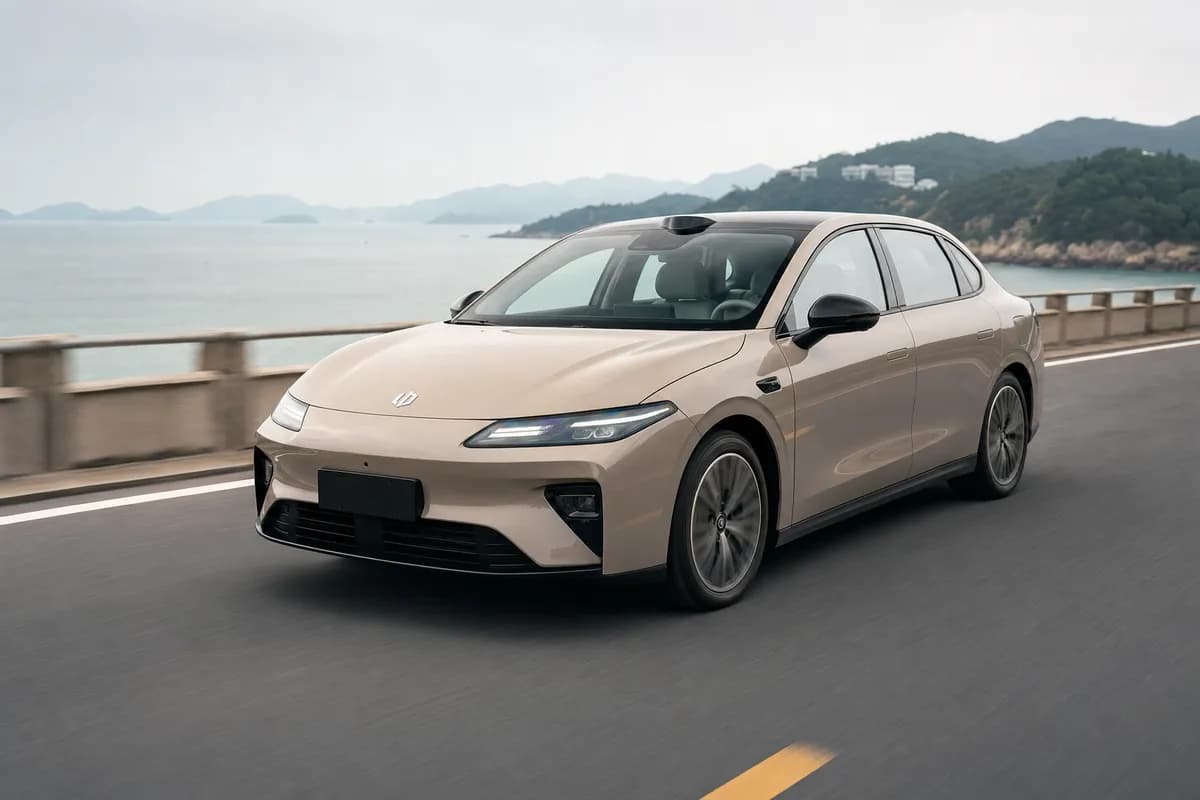
The 2024 Ford Mustang Mach-E GT Performance does not creep into the conversation. It kicks the door open, dumps 700 lb-ft of torque on the carpet, and asks why everyone is still pretending electric crossovers need to be sensible little appliances.
The 2024 Ford Mustang Mach-E GT Performance does not creep into the conversation. It kicks the door open, dumps 700 lb-ft of torque on the carpet, and asks why everyone is still pretending electric crossovers need to be sensible little appliances. This is still the most controversial “Mustang” in the family photo, but after a first drive in the latest GT with the Performance Upgrade, I’ll say the quiet part loudly: this is the Mach-E Ford should have been building from the start. It’s sharper, quicker, better damped, and less apologetic. It is not perfect. But it finally feels like an electric performance Ford rather than a committee-approved EV wearing a pony badge for marketing cardio.
The Important Bit: What Changed for 2024?
Ford has been busy sanding down the early Mach-E’s rough edges, and the 2024 Mustang Mach-E GT benefits from the kind of update that matters more than a new bumper or a “now with more blue stitching” press release. The headline is the available Performance Upgrade, a software-enabled package that lifts torque to a properly silly 700 lb-ft while keeping output at 480 hp. Ford quotes 0-60 mph in 3.3 seconds and an 11.8-second quarter mile. That makes it the quickest production Mach-E yet.
For context, the Tesla Model Y Performance is commonly quoted at 3.5 seconds to 60 mph with rollout subtracted and carries an EPA range rating of around 279 miles. The 2024 Mach-E GT is EPA-rated at 280 miles. So yes, Ford has reached the deeply satisfying point where the spec sheet can stare down Tesla without immediately blinking.
The 2024 GT also gets hardware that used to feel like optional garnish but now comes baked into the recipe: MagneRide adaptive damping, Ford Performance front seats, and Brembo-branded front brake calipers. The extended-range battery pack remains the one you want, with a usable capacity around 91 kWh. Ford also improved DC fast-charging performance: extended-range models now claim a 10-80% charge in 36.2 minutes, which is 8.8 minutes quicker than before. That still won’t scare Hyundai and Kia’s 800-volt E-GMP cars at a charger, but at least the Mach-E is no longer bringing a spoon to a knife fight.
- Power: 480 hp
- Torque with Performance Upgrade: 700 lb-ft
- Drivetrain: Dual-motor all-wheel drive
- EPA range: 280 miles for the GT
- Ford-estimated 0-60 mph: 3.3 seconds
- Ford-estimated quarter mile: 11.8 seconds
- DC fast charging, 10-80%: 36.2 minutes for extended-range models
The Performance Upgrade itself is the key here. This is not a new motor or a race-bred battery transplant. It is Ford unlocking more from the existing dual-motor setup and letting the GT behave like it has been drinking espresso through a fire hose. Cynics will grumble about paying for software. Fair. But if the result is 700 lb-ft and a 3.3-second sprint to 60, that cynicism gets quieter somewhere around the second vertebra compression.
First Drive: The GT Finally Has the Bite to Match the Badge
Electric performance cars all do the same party trick: brutal launch, smug silence, passengers making involuntary barnyard noises. The Mach-E GT Performance is very good at this. Select Unbridle mode, aim the nose, flatten the right pedal, and the Ford hurls itself forward with a violence that feels less like acceleration and more like being deleted from your previous location.
The old Mach-E GT was quick, but it sometimes felt like it was protecting itself from its own ambitions. Early cars had a frustrating tendency to taper power under sustained hard use, and while that behavior made sense from a thermal-management perspective, it was about as fun as a chaperone at a bachelor party. The 2024 car feels more alert and more willing. The added torque is obvious from low speeds, where the front and rear motors coordinate with impressive smoothness. There’s no dramatic wheelspin, no torque-steer circus, and no cheap theatrics. Just a big, clean shove.
That shove matters because the competition has become feral. The Kia EV6 GT makes 576 hp and runs 0-60 mph in about 3.4 seconds, though its EPA range is just 218 miles. The Hyundai Ioniq 5 N is the hooligan of the class, with up to 641 hp in N Grin Boost and an EPA range of only 221 miles. The Tesla Model Y Performance remains the efficiency-and-acceleration benchmark, but its cabin still has all the warmth of a Scandinavian dentist’s waiting room. The Ford lands between them: not as unhinged as the Hyundai, more emotional than the Tesla, and more mature than the Kia when the road stops being straight.
The steering is quick and weighty enough to feel intentional, though not exactly chatty. Nobody is going to mistake this for a hydraulic rack in an S550 Mustang GT. Still, turn-in is crisp for a crossover weighing well over two tons, and the Mach-E’s low-mounted battery keeps the body from flopping around like a Labrador in a canoe. The front end bites confidently, the rear motor helps rotate the car under power, and the AWD system does a tidy job of making you feel talented without obviously babysitting you.
The best part is the damping. MagneRide is not a gimmick here; it is the reason the GT Performance works. Big-battery EVs tend to bully their suspensions. They crush expansion joints, thump over broken pavement, and then pretend mass is just a mindset. The Mach-E GT is firm, absolutely, but the adaptive dampers keep the body controlled without turning the ride into a chiropractic subscription. On fast sweepers, it settles quickly. Over mid-corner bumps, it resists the float-and-slam routine that plagues cheaper EV crossovers.
The Mach-E GT Performance does not feel light. It feels managed. There’s a difference, and Ford has finally learned it.
Braking is strong, but the pedal still has that slightly synthetic EV blending sensation when transitioning between regenerative and friction braking. It’s not bad; it’s just not as natural as the best performance hybrids or traditional sports sedans. One-pedal driving is available and well calibrated for urban use, but on a back road I preferred switching it off and using the brake pedal like an adult with trust issues.
Cabin, Tech, and Daily Use: Less Drama, More Discipline
Inside, the Mach-E remains a clean, roomy, tech-forward crossover that occasionally forgets it is supposed to be a Mustang and remembers it is supposed to be a family car. That’s not an insult. The driving position is good, visibility is better than many swoopy EVs, and the GT’s Ford Performance seats offer meaningful bolstering without feeling like they were designed by someone angry at human hips.
The cabin design is still dominated by the big vertical center touchscreen. Ford’s SYNC 4A system is generally quick, logical, and easier to live with than Tesla’s “everything through the screen, including your emotional support” philosophy. Wireless Apple CarPlay and Android Auto remain major wins. Ford also keeps a physical volume knob integrated into the screen, which sounds like a small thing until you drive a car that makes you tap through three menus to turn down a podcast host shouting about mushroom coffee.
Material quality is good, not German-luxury great. A Genesis GV60 feels richer, and a Porsche Macan Electric will absolutely charge more money to make you feel more important. But the Ford’s cabin is honest, functional, and nicely assembled. Rear-seat space is adult-friendly, the flat floor helps, and cargo capacity is practical. You get a front trunk, though it’s more useful for charging cables and takeout than any grand touring fantasy.
BlueCruise is another major plus if your commute includes compatible mapped highways. Ford’s hands-free driver-assistance system has matured into one of the better systems on sale, and it feels less needy than many lane-centering setups. It is not autonomy, despite what the LinkedIn futurists keep trying to manifest. But for long interstate slogs, it reduces fatigue in a genuinely meaningful way.
Noise refinement is solid, though the GT’s big wheels and performance rubber introduce more road roar than you’ll hear in a Premium trim. That’s the trade. You wanted the spicy one; spicy things make noise. At highway speeds, wind noise is well contained, and the cabin avoids the hollow resonance that can make some EVs feel like rolling Bluetooth speakers.
Efficiency and Charging Reality
The 280-mile EPA rating is competitive, but how close you get depends on how often you treat the accelerator like a detonator. In calm mixed driving, the GT is capable of respectable efficiency for its output and size. Drive it hard, especially in cold weather, and the range drops with the enthusiasm of a crypto stock after a regulatory hearing.
The bigger issue is charging speed. A 36.2-minute 10-80% fast-charge claim is much improved, but the Hyundai Ioniq 5 and Kia EV6 family can still do the same basic job in around 18 minutes under ideal conditions thanks to their 800-volt architecture. That is not trivia if you road-trip often. It is the difference between a bathroom break and a small lunch.
Ford’s access to Tesla Superchargers via adapter is a huge practical advantage, even before future native NACS ports arrive. Charging-network access matters more than peak charging numbers on a brochure. A theoretical 240-kW charger that is broken, blocked, or sulking in a Walmart parking lot is not your friend. Tesla’s network changes the ownership math for the Mach-E in a very real way.
How It Stacks Up: Tesla, Kia, Hyundai, and the Mustang Problem
The Mach-E GT Performance lives in a nasty little corner of the market where every rival has a sharp weapon. The Tesla Model Y Performance is cheaper in many configurations, brutally efficient, and backed by the best charging ecosystem. The Kia EV6 GT is quicker-feeling at the top end and more playful. The Hyundai Ioniq 5 N is the enthusiast’s lunatic option, complete with simulated shifts, track hardware, and the kind of engineered immaturity I deeply respect. The Genesis GV60 Performance is the plush choice. The Porsche Macan Electric is the status play, especially in Turbo form with up to 630 hp and a claimed 3.1-second 0-60 mph time.
So why buy the Ford?
Because it blends the most important parts better than the spec-sheet warriors admit. It has more range than the Korean performance twins. It has more personality than the Tesla. It is far less expensive than the Porsche. And unlike the Hyundai Ioniq 5 N, which feels like it was developed by brilliant maniacs with track helmets permanently attached to their heads, the Mach-E GT Performance is easy to live with every day.
There is, however, the Mustang name. Let’s deal with it. No, this is not a traditional Mustang. It has four doors, all-wheel drive, a battery pack, and no V8 soundtrack bouncing off a tunnel wall like Detroit thunder. If your definition of Mustang begins and ends with a long hood and rear-drive burnout theater, this car will never pass the purity test. Fine. Go buy the coupe. It’s excellent.
But if Mustang means attainable American performance with a bit of attitude, then the Mach-E GT Performance finally earns more of the badge than it borrows. It looks aggressive without being cartoonish, it accelerates like a muscle car from the year 2030, and it has enough chassis polish to make a fast road genuinely entertaining. That matters.
Verdict: The Mach-E GT Performance Is the One to Buy
The 2024 Ford Mustang Mach-E GT with the Performance Upgrade is not just a quicker Mach-E. It is a better-defined one. The added torque gives it the punch the GT badge always promised, MagneRide gives it the composure a heavy EV desperately needs, and the improved charging plus Tesla-network access make it easier to recommend as an actual ownership proposition rather than a weekend toy for people with three other cars.
It still has weaknesses. The brake pedal could feel more natural. The charging curve is improved but not class-leading. The cabin is good rather than special. And if you are chasing maximum track-day lunacy, the Hyundai Ioniq 5 N will make the Ford seem a little too responsible, like it brought a tire-pressure gauge to a knife fight.
But for most buyers looking at a fast electric crossover, the Mach-E GT Performance hits the sweet spot. It is quick enough to embarrass sports cars, comfortable enough for daily duty, practical enough for family life, and interesting enough that you won’t feel like you bought an appliance with launch control.
Final verdict: skip the lesser trims if performance matters and get the GT with the Performance Upgrade. The 2024 Ford Mustang Mach-E GT Performance is the first Mach-E that feels properly worthy of a performance badge. Not because it imitates a V8 Mustang, but because it finally stops apologizing for being something different.
Affiliate disclosure: This article contains affiliate links. RevvedUpCars may earn a small commission on qualifying purchases at no extra cost to you.