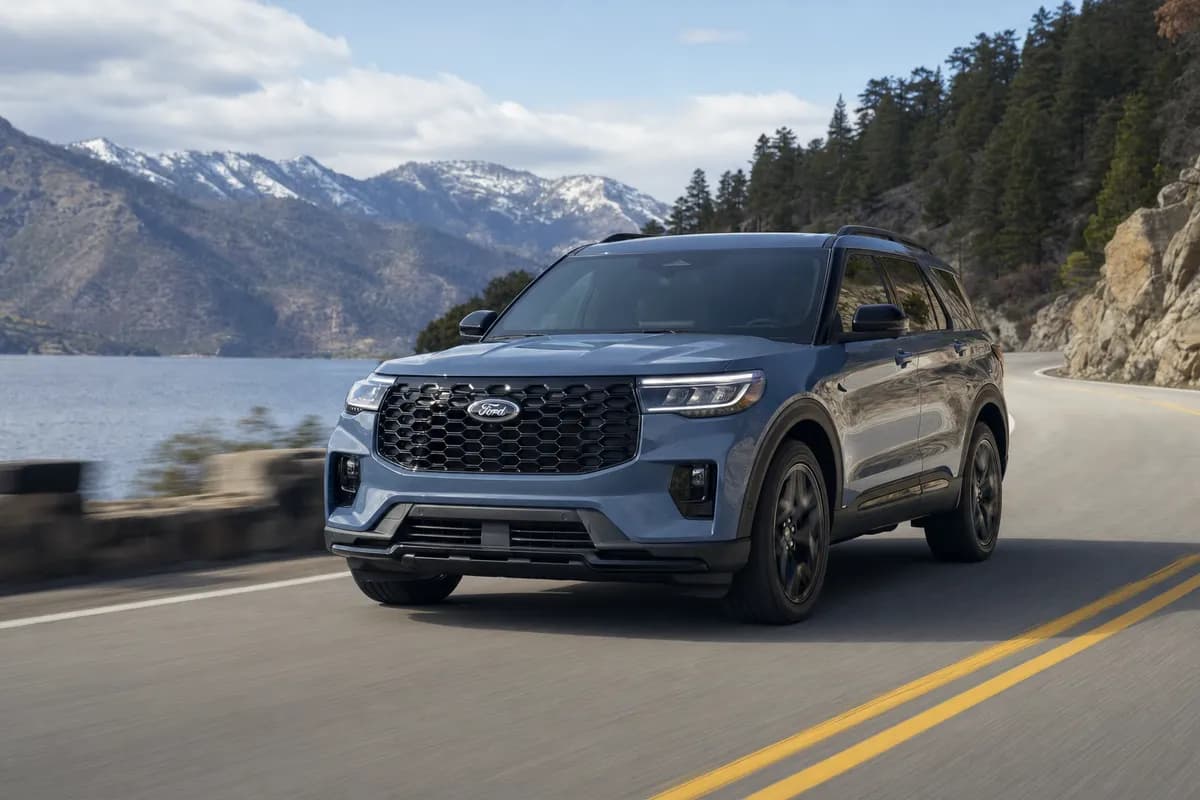
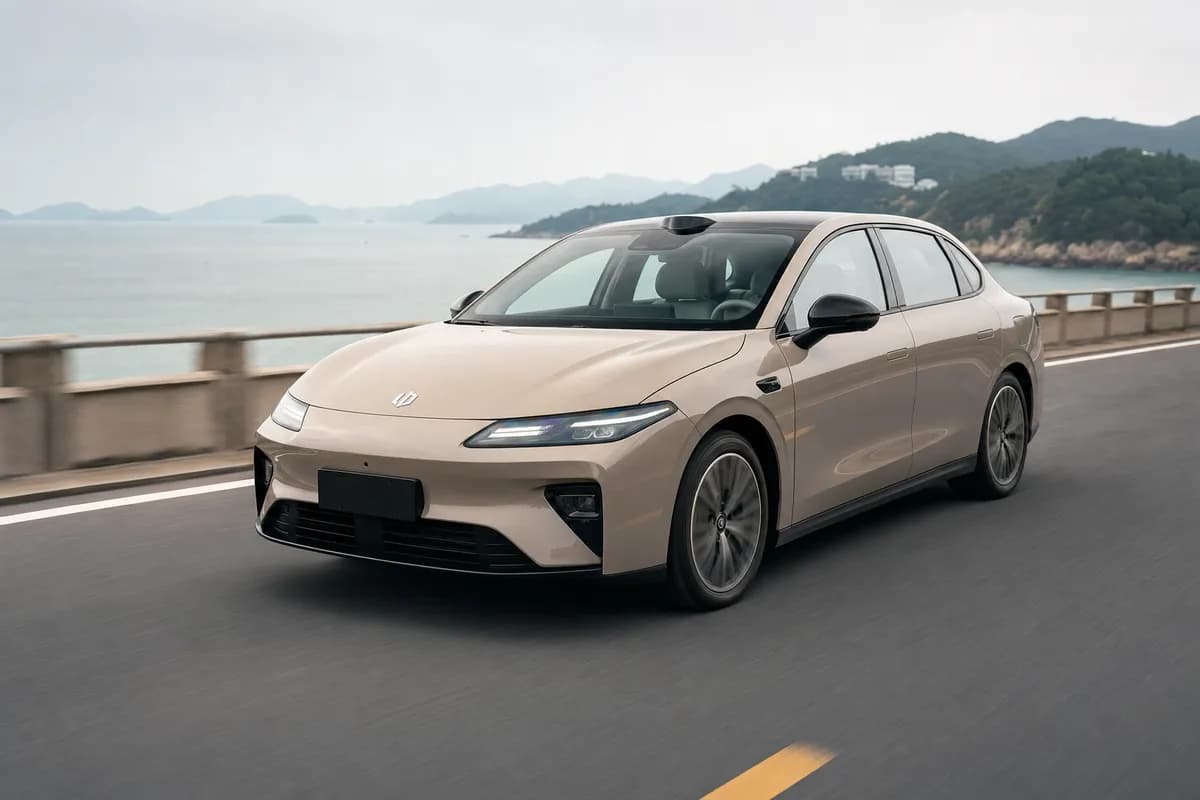
The 2025 Ford Explorer Hybrid is the three-row SUV Ford should be selling right now: rear-drive-based, tow-capable, reasonably quick, and less thirsty than the turbocharged Explorer sitting on dealer lots. There’s just one problem.
The 2025 Ford Explorer Hybrid is the three-row SUV Ford should be selling right now: rear-drive-based, tow-capable, reasonably quick, and less thirsty than the turbocharged Explorer sitting on dealer lots. There’s just one problem. Ford does not offer a 2025 Explorer Hybrid in the U.S. retail lineup. That makes this review less of a victory lap and more of an autopsy with buying advice attached. The hybrid Explorer formula was genuinely useful, but Ford has walked away from it just as Toyota, Hyundai, and Kia are busy proving that electrified family haulers are exactly what buyers want.
The Awkward Truth: The 2025 Explorer Hybrid Isn’t on the Menu
Let’s get the housekeeping out of the way before anyone starts cross-shopping phantom window stickers. For 2025, the refreshed Ford Explorer lineup consists of Active, ST-Line, Platinum, and ST trims. The engines are familiar: a 2.3-liter EcoBoost turbo-four and a 3.0-liter EcoBoost twin-turbo V6. The hybrid powertrain that previously appeared in the sixth-generation Explorer is gone from the consumer configurator.
That old hybrid system paired a 3.3-liter naturally aspirated V6 with an electric motor and a 10-speed automatic transmission, producing a combined 318 horsepower and 322 lb-ft of torque. It was available primarily in Limited trim for civilians and remained familiar in law-enforcement-oriented configurations. It could tow up to 5,000 pounds, just like the gas Explorer, and unlike some soft-shoed hybrids, it didn’t feel allergic to hills, trailers, or full passenger loads.
So if a dealer advertises a “2025 Ford Explorer Hybrid,” either it’s mislabeled, a carryover fleet oddity, or someone got creative with the keyboard. The proper question is not whether the 2025 Explorer Hybrid is good. The proper question is whether Ford was daft to drop it. Spoiler: yes, mostly.
Quick verdict: As a concept, the Explorer Hybrid made sense: strong output, proper towing, and better fuel economy than the V6. As a 2025 purchase, it doesn’t exist. If you want an electrified three-row SUV today, Toyota and Hyundai are eating Ford’s lunch with fewer napkins.
What Ford Sells Instead for 2025
The 2025 Explorer is not a bad SUV. Far from it. Ford has sharpened the styling, cleaned up the cabin tech, and simplified the trim walk. The problem is that the powertrain strategy now leans hard into turbocharged gasoline engines at a time when family buyers are increasingly looking for hybrid efficiency without going full EV.
The standard engine is Ford’s 2.3-liter EcoBoost inline-four, rated at 300 horsepower and 310 lb-ft of torque. It is paired with a 10-speed automatic and either rear-wheel drive or available four-wheel drive. This engine is punchier than the cylinder count suggests, and in everyday driving it moves the Explorer with enough authority that most families will never feel shortchanged. EPA figures land around 20 mpg city, 29 mpg highway, and 24 mpg combined for rear-drive versions, with four-wheel-drive models typically sitting near 20/27/23 mpg.
Step up to the Explorer ST and you get the muscle: a 3.0-liter twin-turbo V6 producing 400 horsepower and 415 lb-ft of torque. This is the rowdy one, the Explorer that can shove itself to 60 mph in roughly the low-five-second range when properly launched. It is also the one that makes your fuel card whimper. Expect EPA ratings around 18 mpg city, 25 mpg highway, and 21 mpg combined in rear-drive form, with four-wheel drive slightly worse.
Both engines tow up to 5,000 pounds when properly equipped. That matters because it’s one area where the old hybrid Explorer avoided the usual hybrid penalty. It was not a fragile eco-special afraid of a small camper. It could do family-SUV work while burning less fuel than the V6. That was the whole point.
2025 Explorer Strengths
- Strong base engine: The 2.3 EcoBoost’s 300 hp is more than you get from many base three-row rivals.
- Real performance option: The Explorer ST is genuinely quick and more entertaining than a Toyota Highlander.
- Rear-drive-based platform: Better balance and towing poise than many front-drive-based crossovers.
- Useful towing capacity: A 5,000-pound max rating across much of the lineup keeps it practical.
2025 Explorer Weaknesses
- No hybrid: A glaring omission in a segment full of efficiency-conscious families.
- Third row is just okay: Usable, but not as generous as a Chevrolet Traverse or Toyota Grand Highlander.
- Fuel economy ceiling is low: The 2.3 is efficient for its power, but it cannot match a true hybrid.
- ST thirst: Fast, fun, and about as subtle at the pump as a speedboat.
How the Old Explorer Hybrid Actually Drove
The previous Explorer Hybrid was not the smoothest hybrid in the business, and anyone pretending otherwise is selling you brochures instead of truth. Toyota has spent decades sanding the edges off hybrid transitions. Ford’s system, by comparison, felt more mechanical. The 10-speed automatic sometimes reminded you it had many opinions and not all of them were timely.
But the powertrain had real muscle. With 318 hp, the Explorer Hybrid had more combined output than the 2.3 EcoBoost, and the electric assist helped fill low-speed torque gaps. Independent testing generally put the Explorer Hybrid’s 0-60 mph time in the mid-to-high seven-second range. That is not quick by modern turbo-SUV standards, but it is perfectly adequate for a three-row family machine carrying kids, luggage, sports gear, and the emotional weight of a Saturday Costco run.
The hybrid’s best trait was not outright acceleration. It was effortlessness. Around town, the electric motor softened the initial shove away from lights. On the highway, the V6 gave it a relaxed stride that the turbo-four sometimes has to work harder to match. The system was also less strained under load than many smaller-displacement hybrid setups.
Where it stumbled was refinement. Brake pedal feel could be inconsistent as the system blended regenerative and friction braking. The transmission occasionally hunted. And because Ford used a relatively modest hybrid strategy rather than a large battery with long electric-only range, it never delivered the dramatic city fuel economy numbers you see from Toyota’s best systems.
Still, the package made sense. The Explorer Hybrid had the bones of a proper American three-row: long wheelbase, rear-drive architecture, decent towing, and enough power to avoid being bullied by mountain grades. It was not a Prius in hiking boots. It was a family SUV with a useful electrical assist, and that distinction matters.
Fuel Economy: Good, But Not Good Enough Against Toyota
Here’s where Ford’s hybrid story gets complicated. The old Explorer Hybrid improved efficiency over the V6, but it did not rewrite the class. Depending on configuration, EPA ratings were roughly 27-28 mpg combined for rear-wheel-drive models and about 25 mpg combined with four-wheel drive. That was respectable for a 318-hp three-row SUV capable of towing 5,000 pounds.
But then Toyota walks in wearing sensible shoes and carrying a spreadsheet like a weapon. The Toyota Highlander Hybrid uses a 2.5-liter four-cylinder hybrid system producing 243 hp, and front-drive versions are EPA-rated up to 36 mpg city, 35 mpg highway, and 36 mpg combined. All-wheel-drive models are close behind. It is slower and less muscular than the Explorer Hybrid, but in the real world it can save a meaningful amount of fuel every week.
The bigger Toyota Grand Highlander Hybrid makes the comparison even nastier for Ford. In standard hybrid form it prioritizes efficiency, while the Grand Highlander Hybrid Max produces 362 hp and 400 lb-ft of torque, with EPA ratings around the mid-to-high 20s combined depending on trim and drivetrain. That is the balancing act Ford should have chased: stronger than the old Explorer Hybrid, more refined, more spacious, and still properly efficient.
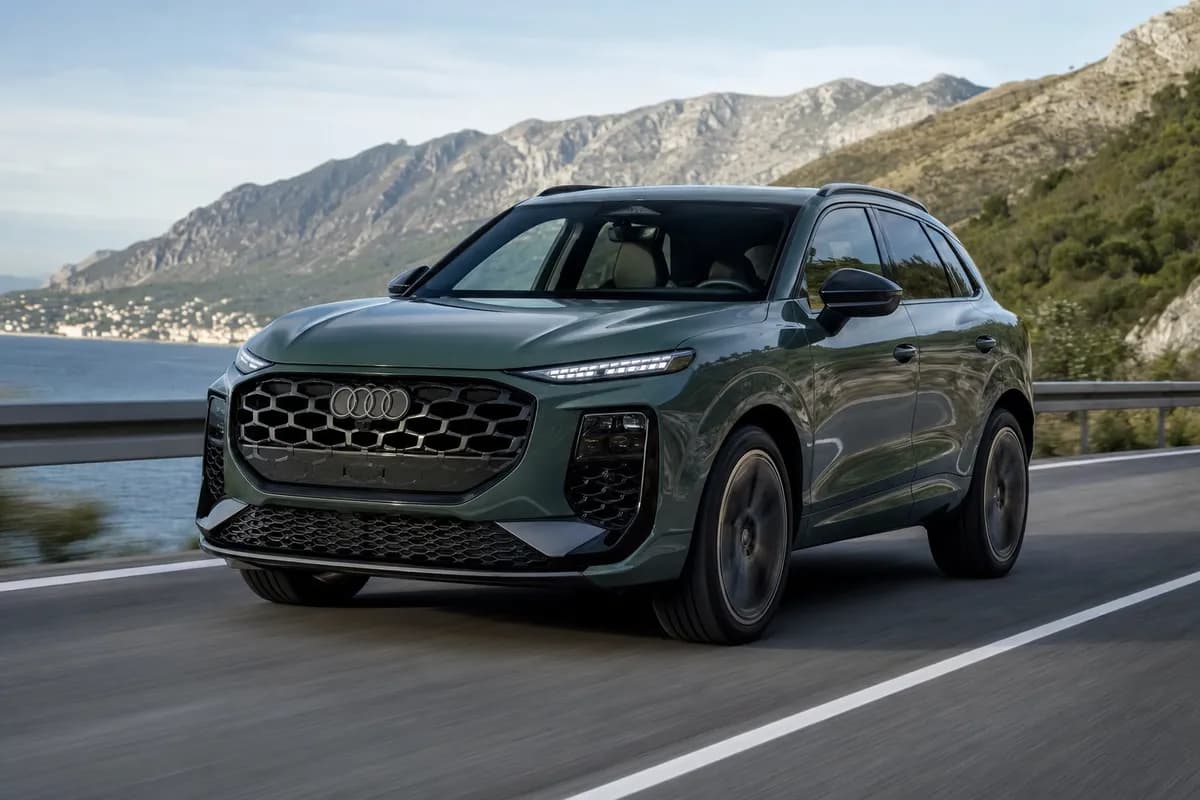
Hyundai and Kia also deserve mention. The Hyundai Santa Fe Hybrid is smaller than the Explorer but offers strong efficiency, a clever cabin, and a far fresher hybrid playbook. The Kia Sorento Hybrid is not as roomy as the Explorer either, but it can return excellent fuel economy and costs less. If you need maximum space, the Toyota Sienna minivan delivers 36 mpg combined and makes most three-row SUVs look like they’re playing cargo-space cosplay.
Against that crowd, the Explorer Hybrid’s advantage was power and towing confidence. Its weakness was that its fuel economy gain was useful rather than spectacular. Ford had the right idea, but Toyota executed the efficiency half of the equation better.
Interior, Practicality, and Family Use
The 2025 Explorer’s updated interior is a meaningful improvement over earlier sixth-generation models. The dashboard looks cleaner, the screens are more modern, and the infotainment experience is less like negotiating with a rental-car kiosk. Ford’s latest digital interface gives the cabin a much-needed lift, especially in ST-Line, Platinum, and ST trims.
Space remains competitive but not class-leading. The first two rows are comfortable, and captain’s chairs make the second row easy to live with. The third row is fine for kids and tolerable for adults on shorter trips, but a Chevrolet Traverse, Volkswagen Atlas, or Toyota Grand Highlander gives passengers more room to sprawl. Cargo capacity is useful, though again not dominant.
The old hybrid system did not dramatically compromise packaging, which was one of its better tricks. Some hybrids lose cargo space to battery placement or saddle buyers with awkward load floors. The Explorer Hybrid remained practical enough for normal family duty. You could fold seats, haul gear, tow a small boat, and still beat the V6 at the pump. That is exactly the kind of invisible engineering families appreciate, because nobody wants to explain to a golden retriever why the battery pack stole its spot.
Where the current 2025 Explorer claws back points is technology. Available features include large digital displays, wireless smartphone integration, advanced driver-assistance systems, and Ford’s hands-free highway driving tech on properly equipped models. The newer cabin makes the old hybrid feel dated in screen theater, but that does not erase the missing efficiency option.
Verdict: Ford Dropped the Right Idea at the Wrong Time
The 2025 Ford Explorer Hybrid, as a new retail vehicle, is a ghost. You cannot walk into a Ford dealer and order one the way you can a Toyota Highlander Hybrid or Grand Highlander Hybrid. That is a shame, because the old Explorer Hybrid formula had real merit: 318 hp, available all-wheel drive, 5,000 pounds of towing, and fuel economy that beat the thirstier V6 without turning the SUV into a rolling apology.
Was it perfect? No. The hybrid system lacked Toyota’s polish, the fuel savings were good rather than brilliant, and the driving experience sometimes felt more industrial than elegant. But it struck a useful middle ground between the sensible 2.3 EcoBoost and the hilarious but thirsty Explorer ST. In other words, it balanced power and efficiency better than Ford’s current 2025 lineup does.
If you want a new 2025 Explorer, buy the 2.3 EcoBoost ST-Line if you care about value, style, and reasonable fuel economy. Buy the Explorer ST if you want a family hauler with a mischievous streak and you’re not afraid of premium fuel bills. But if your priority is hybrid efficiency in a three-row SUV, don’t wait around for a badge Ford isn’t currently offering.
Best alternatives: Choose the Toyota Highlander Hybrid if fuel economy is king, the Toyota Grand Highlander Hybrid if you need more space, or the Grand Highlander Hybrid Max if you want the closest spiritual successor to a powerful Explorer Hybrid. Consider a used 2020-2023 Ford Explorer Hybrid only if you value towing capability and rear-drive dynamics more than class-leading mpg.
Final call: The 2025 Ford Explorer is a stronger, cleaner, better-equipped SUV than before. But without a hybrid, it leaves a big efficiency-shaped hole in the lineup. Ford had a credible answer and parked it. Toyota, predictably, kept driving.
Affiliate disclosure: This article contains affiliate links. RevvedUpCars may earn a small commission on qualifying purchases at no extra cost to you.