Discover expert tips to compare car insurance companies and save money. Learn how to choose the best car insurance 2026 for your DIY budget.
Your renewal notice shows up, and boom — your rate jumped $420 for the year. No accidents. No tickets. Just… because. If you’re hunting for the best car insurance 2026 has to offer, you’re not alone — and you’re right to question it.
I’ve seen folks spend months comparing spark plugs but renew insurance in 30 seconds. That’s backwards. Insurance is one of the biggest ongoing costs of owning a vehicle — right up there with fuel and maintenance — and picking the wrong company can cost you thousands over a few years.
In this guide, I’ll show you how to compare car insurance companies the smart way, what coverage you actually need (and what’s fluff), and how to save on auto insurance without gutting your protection. No industry jargon. Just straight talk from a guy who’s seen what happens after the crash.
What You'll Need
- Tools: Laptop or phone, 30–45 minutes, your current policy declaration page
- Information: VIN number, driver’s license numbers, annual mileage estimate
- Time: 30 minutes to compare quotes properly
- Difficulty: 🔧🔧 (2/5 — paperwork, not wrench work)
- Average Annual Cost 2026: $1,900–$2,600 full coverage (varies by state) — Potential Savings: $400–$900 per year by switching
Why This Matters (Best Car Insurance 2026 Reality Check)
Here’s what most people don’t realize: insurance companies constantly adjust pricing models. New ZIP code data, theft rates, repair costs, even tariffs affecting parts prices — it all trickles down to you. If you haven’t shopped around in 12–18 months, odds are you’re overpaying.
In 2026, repair costs are higher than ever. Modern cars pack radar sensors, cameras, and software everywhere. A simple bumper hit on a 2025 Toyota Camry can run $2,500–$4,000 because of recalibration. That’s why premiums climbed.
And if you just bought a car, read our Car Prices 2026 buyer’s market guide — because what you paid for the vehicle directly affects what you’ll pay to insure it.
Bottom line: choosing the best car insurance 2026 offers isn’t about the cheapest ad on TV. It’s about value when things go wrong.
Before You Start
⚠️ WARNING: Never cancel your current policy before your new one is active. Even a one-day lapse can raise your rates for years.
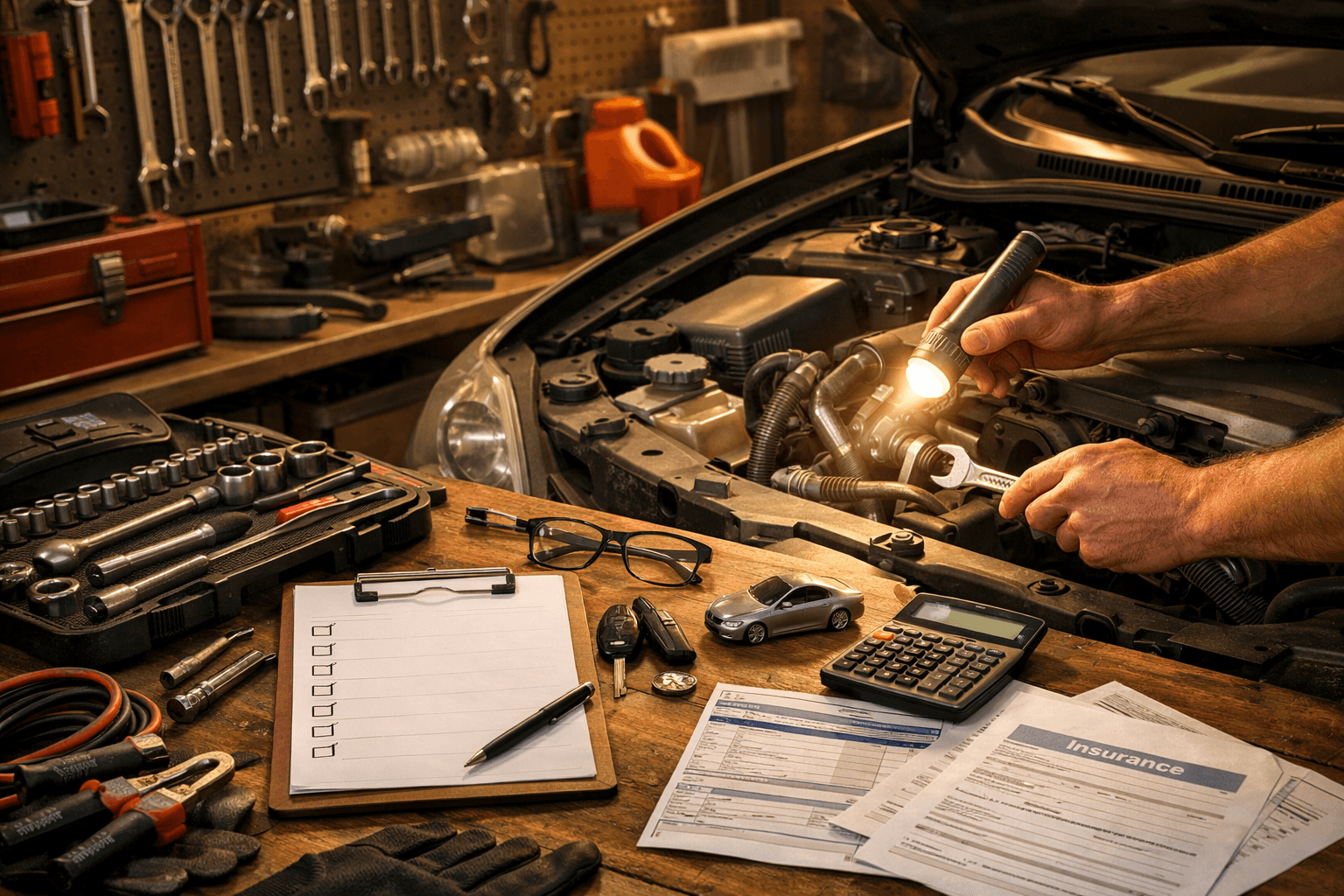
Grab your current declarations page. That’s your blueprint. You want to compare apples to apples — same liability limits, same deductibles, same extras.
Know your coverage types:
- Liability – Covers damage you cause.
- Collision – Covers your car in a crash.
- Comprehensive – Theft, hail, deer strikes.
- Uninsured/Underinsured – Critical in many states.
If you’re unsure about state minimums, check NHTSA.gov for safety and legal requirements in your area.
And one more thing — if your car is worth under $4,000, collision coverage may not make financial sense. I’ve had customers paying $600/year to protect a $2,500 car. That math doesn’t work.
Step-by-Step Guide
-
Decide Your Coverage Limits
I recommend at least 100/300/100 liability if you can swing it. That’s $100k per person, $300k per accident, $100k property damage. Medical bills rack up fast.
Pro Tip: Raising liability usually costs way less than you think — sometimes $8–$15 per month more.
-
Set Your Deductible Strategically
$500 is standard. $1,000 lowers premiums. Just make sure you actually have that $1,000 in savings. Don’t pick a deductible you can’t afford.
Think of it like a tool budget — don’t buy the lift if you can’t afford the jack stands.
-
Compare at Least 3–5 Companies
Big names (State Farm, GEICO, Progressive), one regional insurer, and one credit-union-backed option.
When you compare car insurance companies, look at claim satisfaction ratings — not just price.
-
Check Financial Strength Ratings
Use agencies like AM Best. A cheap policy means nothing if the company drags claims out for months.
-
Ask About Discounts — Don’t Wait for Them to Offer
Multi-policy, defensive driving course, low mileage, good student, telematics programs.
Pro Tip: If you work from home and drive under 7,500 miles per year, say it. That alone can knock off 10–15%.
-
Review Claims Process Reviews
Check Consumer Reports ratings at Consumer Reports. Fast claims handling matters more than saving $9 a month.
-
Re-Shop Every 12–18 Months
Set a calendar reminder. Loyalty rarely pays in insurance.
If you’re financing a vehicle, lenders require full coverage. Before buying, check our Budget for New Cars 2026 guide so insurance doesn’t blow up your monthly payment plan.
Common Mistakes to Avoid
- Chasing the absolute cheapest rate. I’ve seen this backfire when claims get denied or delayed for months.
- Dropping uninsured motorist coverage. In some states, 1 in 7 drivers is uninsured. That’s a gamble.
- Ignoring gap insurance on new cars. New cars depreciate fast. Read our How to Buy or Sell Car 2026 guide to understand depreciation traps.
- Not updating mileage. If you drive less now, tell them.
- Letting policies auto-renew for years. I’ve seen customers overpay $3,000 over five years doing this.
I’ve seen this in the shop a hundred times: someone saves $200 a year, then gets stuck fighting a claim for six months after a rear-end collision. Cheap isn’t always value.
When to Call a Professional
If you own multiple vehicles, rental properties, or have teen drivers, talk to an independent insurance broker. They don’t cost you extra — they’re paid by carriers.
A fair broker should:
- Explain coverage in plain English
- Show you multiple quotes side-by-side
- Discuss umbrella policies if you have assets to protect
Red flag? Anyone who says, “State minimum is fine for everyone.” That’s lazy advice.
If you’ve modified your vehicle — lift kits, engine tuning, camper conversions — disclose it. Especially if you followed our SUV camper conversion DIY guide. Hidden mods can void claims.
Recommended Products
- Dash Cam (Vantrue N4 or similar) – $200–$260: Can protect you in disputed accidents.
- Steering Wheel Lock (The Club) – $40: Theft deterrent may qualify for discounts.
- OBD2 Telematics Device (Insurer-provided): Can save 10–30% if you’re a smooth driver.
- Defensive Driving Course – $25–$60 online: Often reduces premiums 5–15%.
What I use in my own garage? Dash cam in every vehicle. I trust my wrenching. I don’t trust distracted drivers.
Do This
- Compare quotes every 12–18 months
- Raise liability limits if budget allows
- Ask about every possible discount
- Read claim satisfaction reviews
Don't Do This
- Cancel old policy before new one starts
- Choose based on ads alone
- Ignore uninsured motorist coverage
- Hide modifications from insurer
DIY Difficulty: 🔧 2/5
Money Saved: $400–$900 per year
Finding the best car insurance 2026 offers takes about 30 focused minutes — and it can save you enough to fund your next brake job, set of tires, or weekend road trip.
You don’t need to be an expert to compare car insurance companies effectively. You just need to slow down, read the fine print, and treat it like any other major car decision. The goal isn’t just to save on auto insurance — it’s to protect your ride and your bank account when life throws a curveball.
Got a question about coverage limits or whether full coverage makes sense for your situation? Drop it in the comments. Stay safe out there — and remember, a $20 repair manual saves a $2,000 repair bill.
Disclosure: This article may contain affiliate links. If you make a purchase through these links, we may earn a small commission at no extra cost to you. This helps support RevvedUpCars.com and keeps Mike's toolbox stocked.
Learn more.
Get the latest car reviews in your inbox
Join thousands of car enthusiasts. No spam, unsubscribe any time.




Comments
Leave a comment