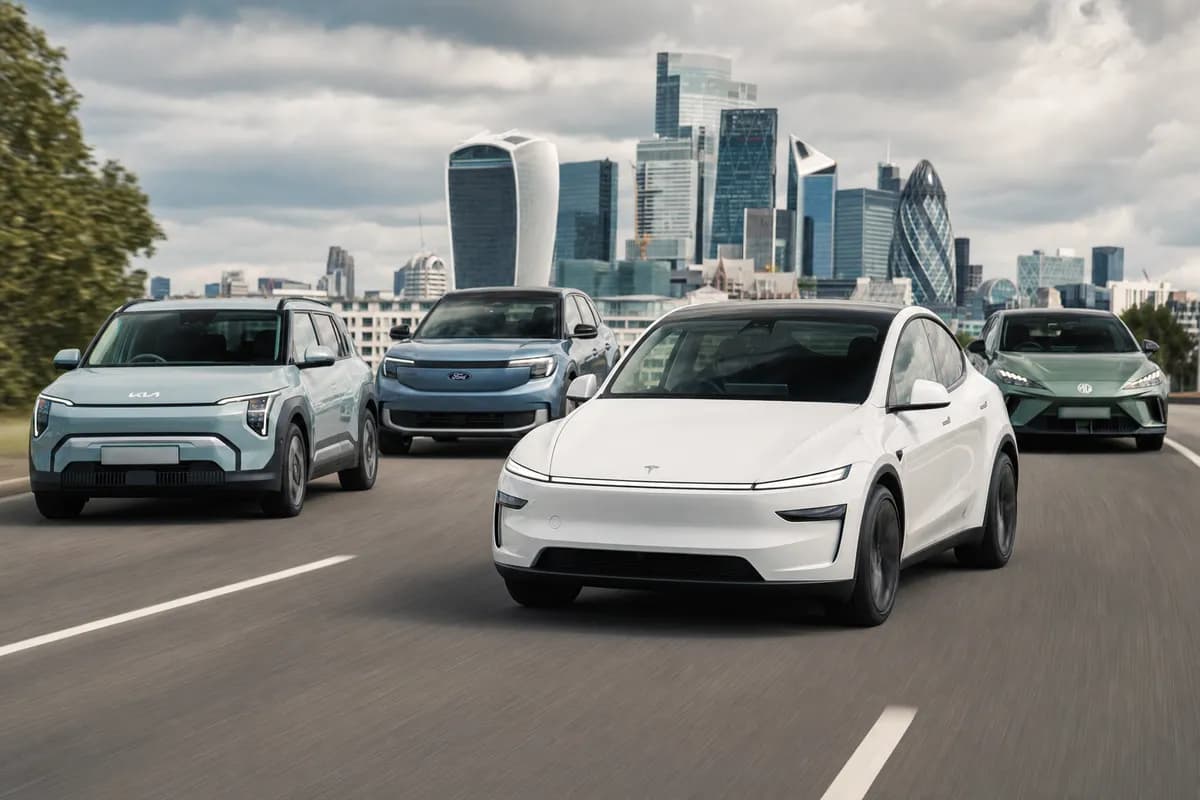
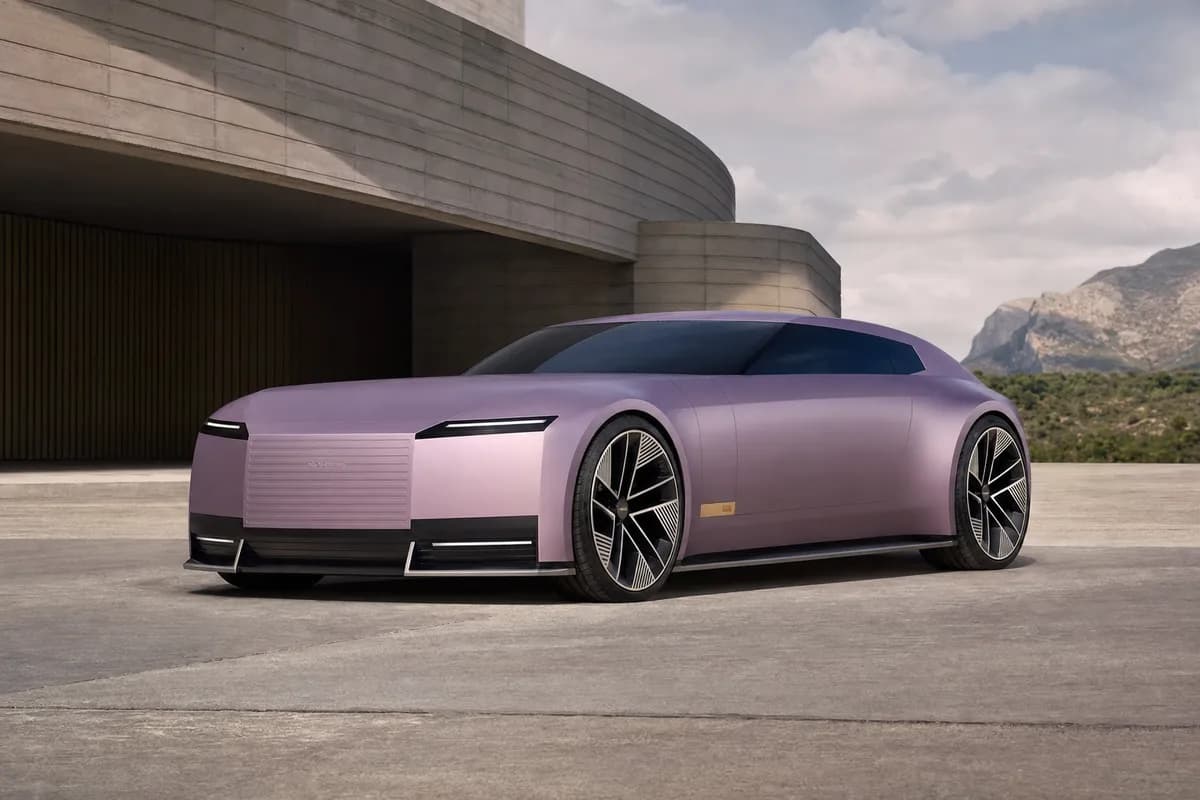
EV insurance 2026 is rising fast—Tesla, Hyundai, Kia, Rivian, and Ford owners are paying more and repair bills are a key reason for buyers.
Electric-vehicle sales are still climbing in 2026, but so is a cost many buyers underestimated. EV insurance 2026 is turning into a real budget problem, with premiums rising faster than many monthly charging bills.
The reason is simple: modern EVs are expensive to fix, slow to repair, and packed with parts insurers increasingly view as high risk. That is hitting owners of Tesla, Hyundai, Kia, Rivian, and Ford models especially hard as claims costs climb across the market.
EV sales are up, but insurance is rising even faster
The U.S. EV market entered 2026 with stronger volume, broader model choice, and heavier discounting from several brands. That helped bring more buyers into battery-electric vehicles, but it also expanded the pool of costly claims tied to advanced driver-assistance hardware, large battery packs, specialized body structures, and limited certified repair capacity.
Insurers have been repricing that risk. Industry rate filings and consumer quote data across major carriers show EV premiums rising faster than those for comparable gasoline vehicles in many states, with some of the biggest jumps tied to brands with high parts prices, high claim severity, or long repair times.
For consumers, the issue is no longer theoretical. A lower fuel bill can still help offset ownership costs, but in many cases it is being eaten away by higher premiums, steeper deductibles, and longer waits for collision repairs.
Why Tesla, Hyundai, Kia, Rivian, and Ford owners are seeing the biggest increases
Tesla insurance costs remain a benchmark for how quickly EV coverage can get expensive. Models such as the Model Y and Model 3 still sell in big numbers, but their repair economics remain challenging after crashes, especially when cameras, sensors, glass, lighting units, structural castings, or battery-adjacent components are involved.
Tesla has improved parts distribution in some markets, but insurers still point to elevated claim severity and inconsistent repair timelines. Even relatively minor damage can trigger costly calibrations or part replacements, which pushes average payout totals higher than many mainstream crossovers and sedans.
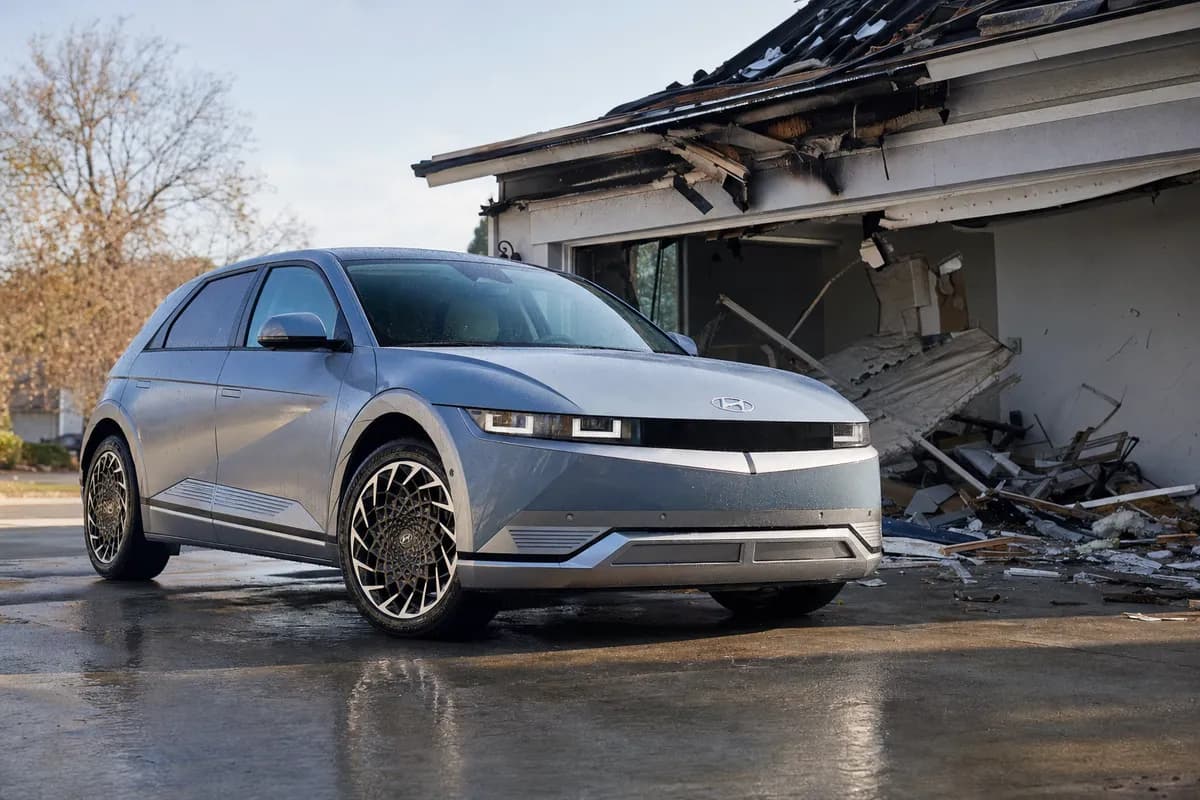
Hyundai Kia EV insurance is becoming a bigger story in 2026 because volume is growing fast. The Hyundai Ioniq 5, Ioniq 6, Kia EV6, and larger Kia EV9 have widened the customer base for affordable and family-focused EVs, but replacement parts, body repair complexity, and sensor-heavy front and rear fascias are lifting premiums beyond what some buyers expected from non-luxury badges.
That mismatch matters. Many consumers cross-shop an Ioniq 5 or EV6 against a gas SUV thinking insurance will be roughly similar, only to find quote differences of hundreds of dollars per year depending on trim, driver profile, and ZIP code.
Rivian Ford EV repair costs are another pressure point. Rivian’s R1T and R1S continue to post high repair bills because of expensive exterior panels, advanced electronics, and a repair network that remains more limited than mainstream brands. Ford’s F-150 Lightning and Mustang Mach-E, while broader in service reach, still carry higher-than-average claim costs when battery-protection structures, ADAS hardware, or specialized components are damaged.
Large, heavy EVs are particularly challenging. More curb weight can mean more damage in a collision, and bigger tires, larger brakes, and truck-sized body parts all raise replacement costs.
The main drivers behind higher EV premiums
- Battery-related repair risk: Even when a battery pack is not destroyed, inspections and safety procedures add labor and cost.
- Advanced sensors and cameras: Bumpers, mirrors, windshields, and liftgates often house expensive hardware that must be recalibrated.
- Longer repair times: Limited parts supply and fewer EV-certified collision shops increase rental and claim costs.
- Heavier vehicle mass: Heavier vehicles can generate larger damage totals in multi-vehicle crashes.
- Expensive materials: Aluminum, cast structures, panoramic glass, and model-specific components are costly to replace.
Which 2026–2027 electric models are costing the most to insure
Insurance pricing varies by state, age, driving history, and credit-based rating where permitted. Still, quote trends in early 2026 show a clear pattern: premium EVs, performance trims, and full-size electric trucks and SUVs are usually the costliest models to cover.
The most expensive names are not surprising. Tesla’s higher-performance variants remain expensive to insure, Rivian’s large vehicles continue to post high claim severity, and luxury EVs from premium brands often combine high sticker prices with high repair complexity.
EVs that commonly land at the high end of insurance quotes in 2026
- Tesla Model Y Performance / Model 3 Performance — high parts and calibration costs, plus expensive glass and body repairs.
- Tesla Cybertruck — still a difficult risk for insurers due to unique body construction, uncertain repair patterns, and high replacement values.
- Rivian R1T / R1S — strong claim severity tied to costly panels, electronics, and limited repair network depth.
- Ford F-150 Lightning — truck-size repair costs combined with EV-specific structural and battery-protection concerns.
- Kia EV9 — large family EV with expensive lighting, sensors, and body components.
- Hyundai Ioniq 5 N — performance variant pricing pushes up both replacement value and claim exposure.
- BMW iX, Mercedes-Benz EQE SUV, Audi Q8 e-tron — luxury-badge repair economics still translate into higher premiums.
By contrast, some lower-trim mainstream EVs still look relatively manageable. Chevrolet Equinox EV, Nissan Leaf, and certain Volkswagen ID.4 trims often generate more moderate quotes, though “moderate” in the EV world can still mean higher than a comparable gasoline compact crossover.
That is the bigger ownership story heading into the next model year. 2027 electric car ownership costs will be judged less by range and more by the full monthly picture: payment, charging, depreciation, tires, and now insurance.
Repair bills are shaping the market as much as sticker prices
Insurers are reacting to more than vehicle value. They are looking at total loss frequency, labor hours, battery inspection protocols, sublet calibration work, and how long a vehicle sits waiting for parts. Every extra day in a shop adds cost, and every complicated repair adds uncertainty.
That helps explain why some EVs with competitive MSRPs still produce shockingly high quotes. A $45,000 electric crossover can be treated by insurers more like a premium product if its bumpers hide multiple sensors, its headlights are costly, and its certified repair footprint is thin.
Buyers should also watch for second-order costs. Premiums are rising, but so are deductibles in some policies, and some carriers are becoming more selective about new EV business in high-claim regions. Others are pricing aggressively for now, then raising rates sharply at renewal.
What EV shoppers should do before buying
- Get insurance quotes before placing a deposit. Do not assume a mainstream badge means mainstream premiums.
- Quote multiple trims. Performance versions often jump sharply in cost.
- Ask about OEM parts and calibration coverage. Fine print matters more with EVs.
- Check repair network depth in your area. Fewer certified shops can mean longer downtime.
- Price the whole ownership stack. Include tires, registration fees, charging, and depreciation with insurance.
A cheap lease payment can hide an expensive insurance bill. For many 2026 buyers, that is where the EV math starts to break.
Verdict: EV ownership is still viable, but the insurance gap is getting harder to ignore
Electric cars still make financial sense for many drivers, especially those with home charging, strong incentives, or high fuel use. But the easy assumption that an EV automatically lowers total running costs is no longer safe.
The market’s biggest volume winners now face a new reality. EV insurance 2026 has become a key ownership metric, and Tesla insurance costs, Hyundai Kia EV insurance, and Rivian Ford EV repair costs are at the center of that shift.
For shoppers considering a 2026 or 2027 model, the smartest move is simple: treat insurance like part of the purchase price. In today’s market, it effectively is.
Affiliate disclosure: This article contains affiliate links. RevvedUpCars may earn a small commission on qualifying purchases at no extra cost to you.