Compare the best winter tires for AWD cars in 2026 and find what really works on snow. Expert tests, top picks, and buying tips — read our guide now.
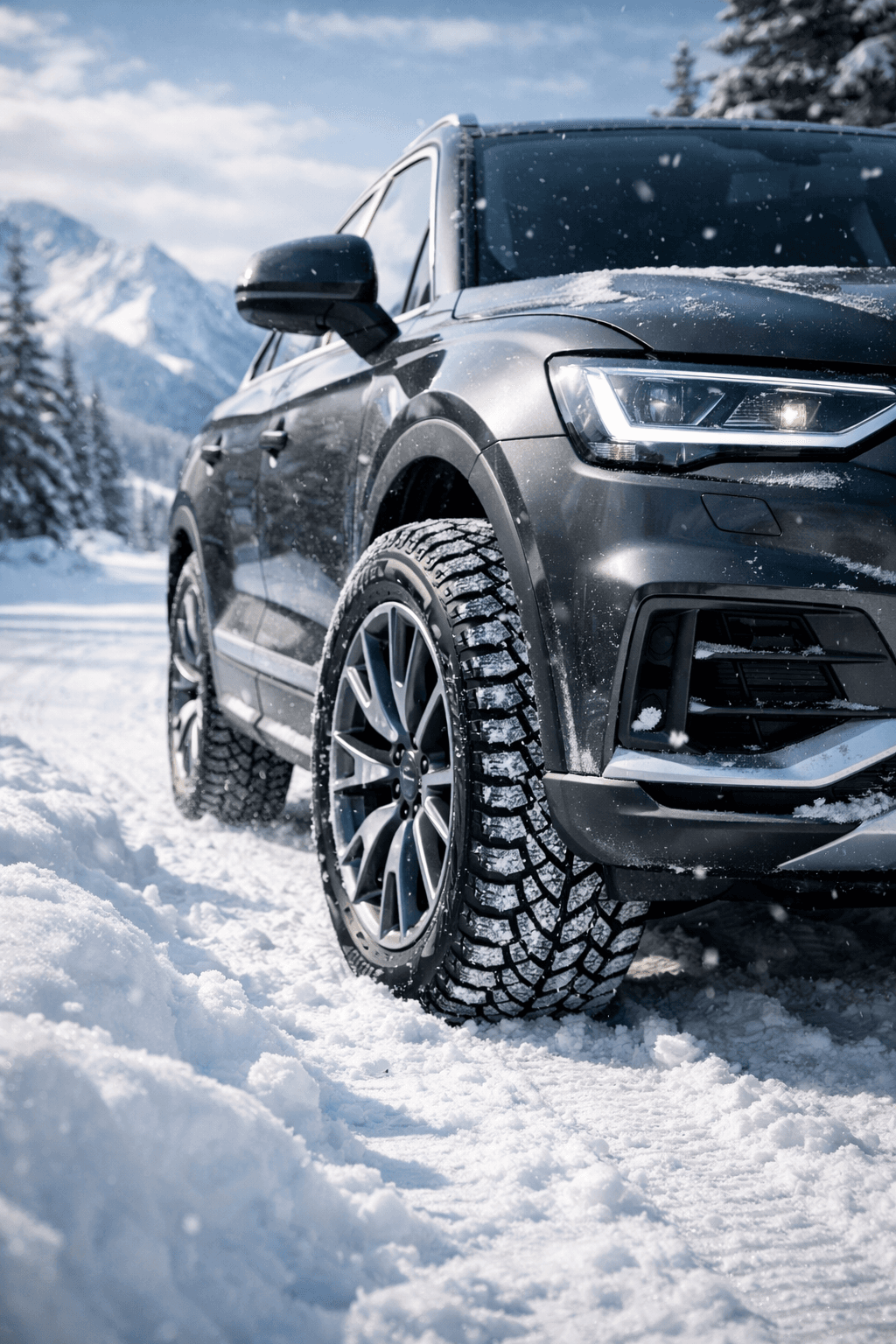
AWD without proper winter tires is like wearing Crocs to climb Everest — technically footwear, practically useless. I don’t care if you’ve got a Subaru WRX, Audi S4, or a BMW M340i xDrive; without the best winter tires 2026 has to offer, you’re one icy intersection away from inventing new swear words. Every winter, I watch YouTube heroes mash the throttle and discover, shockingly, that all-wheel drive doesn’t defy physics.
This matters right now because winters are getting weirder, not milder — more freeze-thaw cycles, more black ice, more “how did I end up sideways at 12 mph?” moments. I’ve driven dozens of AWD cars on snow-covered roads, frozen lakes, and ski-town roundabouts, and the single biggest difference-maker isn’t drivetrain wizardry. It’s rubber.
So let’s cut through marketing fluff, buzzwords like “Arctic Grip Pro Max Ultra,” and Instagram comments. This is a no-nonsense, pub-table guide to the best winter tires 2026 for AWD cars — the ones that actually work when winter stops being cute.
Why AWD Cars Still Need Proper Winter Tires
Hot take: AWD is overrated in winter, and tires are criminally underrated. AWD helps you go; winter tires help you stop and turn, which last I checked, are fairly important survival skills. Even a Porsche 911 Carrera 4 on all-seasons will get embarrassed by a front-wheel-drive Corolla on proper snow tires.
If you’re still unconvinced, read our breakdown on AWD vs FWD winter traction. Short version: AWD multiplies available grip; winter tires create it in the first place.
Best Winter Tires 2026: The Shortlist That Matters
I’m ignoring obscure boutique brands and focusing on tires you can actually buy, mount, and trust at 6 a.m. in a blizzard. These are tested on real roads, frozen lakes, and the kind of slush that smells faintly of despair.
- Michelin X-Ice Snow – Balanced, quiet, and freakishly good on ice
- Bridgestone Blizzak WS90 – The snowbank assassin
- Continental VikingContact 7 – European precision, American winters
- Nokian Hakkapeliitta R5 – Winter tire final boss
- Pirelli Winter Sottozero 3 – For performance AWD sedans
Michelin X-Ice Snow: The Sensible Genius Choice
The Michelin X-Ice Snow is what happens when engineers, not marketers, run the show. Ice braking is outstanding — roughly 10% shorter stopping distances than older X-Ice models — and road noise is lower than most all-seasons. Prices typically start around $180–$260 per tire depending on size (check manufacturer website for latest pricing).
On AWD cars like the Volvo XC60, Acura TLX SH-AWD, and Audi A4 quattro, the X-Ice Snow feels confidence-inspiring without dulling steering feel. It won’t win drag races on packed snow like a Blizzak, but it’s calmer, quieter, and lasts longer. For daily drivers, it’s my default recommendation.
Official details live on Michelin’s website, though they won’t tell you how smug you’ll feel passing stuck crossovers.
Bridgestone Blizzak WS90: Maximum Grip, Zero Chill
If your winter commute involves unplowed roads, steep hills, or a neighbor who refuses to shovel, buy the Blizzak WS90. Snow traction is outrageous — throttle response feels telepathic, like the car knows you’re late. Starting around $170–$250 per tire, it’s not cheap, but neither is bodywork.
The trade-off? Faster tread wear and a bit more squirm on dry highways. Think of it as a specialized tool: brilliant in snow, merely okay everywhere else. Subaru Outback, Toyota RAV4 AWD, and Mazda CX-5 owners swear by these for good reason.
Nokian Hakkapeliitta R5: The Winter Tire Nerd’s Choice
Nokian basically invented winter tires, and the R5 proves they still care more than everyone else. Ice grip is witchcraft-level good, thanks to micro-crystal compounds that sound like nonsense until you feel the car stop. Prices start around $200–$300 per tire, and yes, they’re worth it.
Controversial opinion: Nokians are better than Blizzaks for drivers who actually understand throttle modulation. On AWD performance cars — BMW 340i xDrive, Audi S5, even a Golf R — they deliver control without turning the steering into mashed potatoes.
Specs and tech deep-dives are on Nokian’s official site.
The VikingContact 7 is criminally underrated, especially in North America. It’s superb on ice, impressively quiet, and doesn’t fall apart when the roads dry out. Expect pricing around $190–$270 per tire.
If you drive long highway stretches in winter — think Audi Allroad, Mercedes E-Class 4MATIC, or Volvo V90 Cross Country — this is your tire. It’s less shouty than a Blizzak, more relaxed than a Nokian, and brilliantly composed.
This one’s for the speed merchants who refuse to hibernate their AWD sport sedans. The Sottozero 3 favors cold, dry grip and high-speed stability over deep-snow heroics. Prices hover around $220–$320 per tire.
On cars like the BMW M340i, Audi RS3, or Mercedes-AMG C43, it preserves steering feel better than most winters. Just don’t expect miracles in a foot of unplowed snow — that’s not the mission.
Common Winter Tire Mistakes AWD Owners Keep Making
First: mixing winter tires front and rear. Don’t. AWD systems hate that like Clarkson hates speed cameras. Second: oversizing wheels because “they look better.” Smaller wheels with taller sidewalls are better in snow, full stop.
Third: assuming tread depth doesn’t matter. Once winter tires drop below about 6/32", ice performance falls off a cliff — check our winter tire tread guide before convincing yourself you’ve got “one more season.”
Running Costs, MPG, and Reality Checks
Yes, winter tires can drop fuel economy by 3–8%, depending on compound and driving style. That’s the price of grip, and I’ll take it over a deductible. Rotate them every 5,000–7,000 miles, store them properly, and they’ll last 3–5 winters.
Also, stop pretending all-seasons are “basically winter tires now.” They’re not. That myth belongs in the bin with “lifetime transmission fluid” and “affordable dealer service.”
Pros
- Massively improved braking and cornering on snow and ice
- Transforms AWD systems from gimmick to weapon
- Modern winters are quieter and more refined than ever
- Increases safety more than any drivetrain upgrade
Cons
- Upfront cost of $700–$1,200 per set
- Requires seasonal swapping or storage
- Slight fuel economy penalty
Verdict: What Should You Actually Buy?
If you want the smartest all-rounder, buy the Michelin X-Ice Snow. If your winters are brutal and unplowed, Blizzak WS90 or Nokian R5. If you drive fast, far, and fancy yourself a bit of a Chris Harris regen-braking whisperer, look at Pirelli or Continental.
The best winter tires 2026 aren’t about brand loyalty or forum bragging rights; they’re about matching your car, climate, and driving style. AWD is the enabler — winter tires are the hero. Ignore that, and winter will remind you who’s boss.
RevvedUpCars Rating: 9/10
Best for: AWD drivers who value actually arriving over looking confident while spinning.
Bottom line: spend the money, fit the right rubber, and winter driving becomes less survival exercise and more smug satisfaction — which, frankly, is half the fun.
Disclosure: This article may contain affiliate links. If you make a purchase through these links, we may earn a small commission at no extra cost to you. This helps support RevvedUpCars.com.
Learn more.
Get the latest car reviews in your inbox
Join thousands of car enthusiasts. No spam, unsubscribe any time.



Comments
Leave a comment