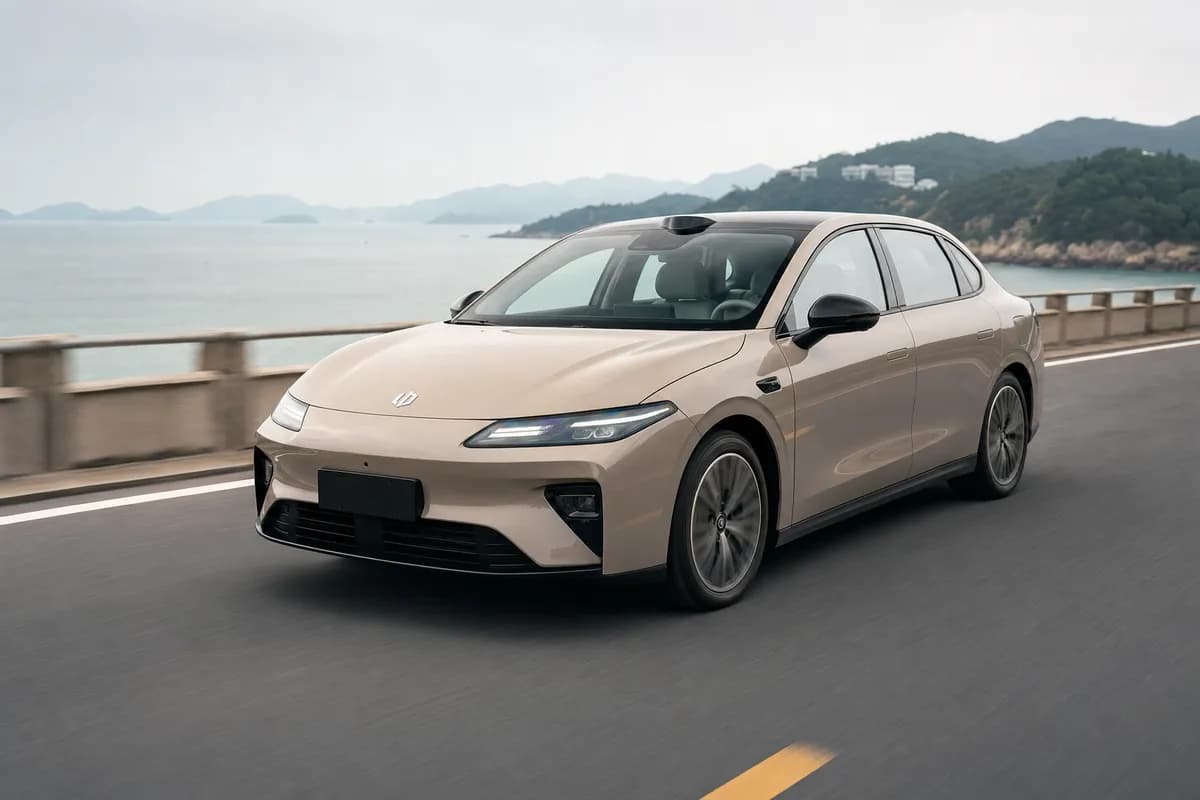
The 2024 Audi Q8 e-tron does not arrive with fireworks, falcon doors, or a dashboard that looks like a gaming PC swallowed a nightclub. Good. Audi’s revised electric SUV is doing something rarer: behaving like a proper luxury car that happens to be electric, rather than an EV…
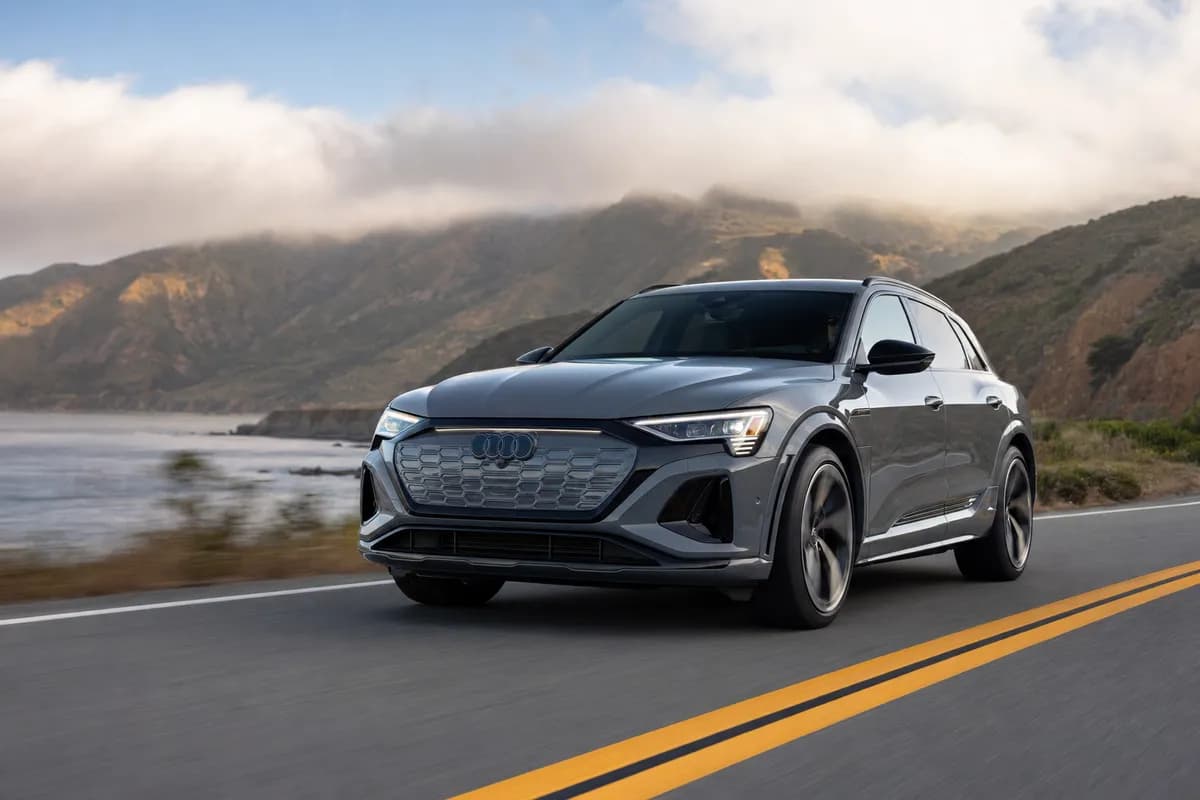
The 2024 Audi Q8 e-tron does not arrive with fireworks, falcon doors, or a dashboard that looks like a gaming PC swallowed a nightclub. Good. Audi’s revised electric SUV is doing something rarer: behaving like a proper luxury car that happens to be electric, rather than an EV trying to distract you from its compromises. After a first drive, the headline is simple: the Q8 e-tron is quieter, longer-legged, sharper at the edges, and still deeply Audi in the best and occasionally most stubborn ways.
This is not an all-new vehicle. Underneath, the Q8 e-tron is the heavily updated version of the original Audi e-tron SUV, now renamed to sit more clearly at the top of Audi’s electric SUV family. But calling it a facelift sells it short. The battery is larger, the motors are revised, the aerodynamics are cleaner, the steering is quicker, and the range finally looks respectable on a window sticker instead of apologetic. In the EV arms race, the Q8 e-tron still is not the spec-sheet assassin that a Tesla Model X or BMW iX can be. It is, however, the one I would rather drive home in after a miserable airport run at 11 p.m. in the rain.
What Changed: More Range, Better Aero, Same Cool-Headed Audi Vibe
The old Audi e-tron was a lovely thing with one enormous problem: range. It was beautifully built, whisper-quiet, and felt expensive in a way many EVs only pretend to, but its EPA range hovered around 222 miles in later form. That was fine in 2019. By 2024, it was bringing a butter knife to a laser fight.
Audi has addressed that with a larger battery pack and efficiency improvements. The 2024 Q8 e-tron uses a 114-kWh gross battery, with about 106 kWh usable, up from the old 95-kWh gross pack. EPA range now reaches up to 285 miles for the standard Q8 e-tron SUV and up to 296 miles for the sleeker Q8 Sportback e-tron when properly equipped. The SQ8 e-tron, with its triple-motor setup and wider performance tires, drops to around 253 miles, because physics remains undefeated and deeply annoying.
Charging improves too, though Audi still is not leading the class here. The Q8 e-tron peaks at 170 kW on a DC fast charger, enough for a 10-to-80-percent charge in about 31 minutes under ideal conditions. That is solid, not spectacular. A Hyundai Ioniq 5 can suck electrons at up to 235 kW and make Audi look like it is sipping tea with both hands. But the Q8 e-tron’s charge curve is usefully stable, and in real ownership that matters more than one heroic peak number achieved for 47 seconds while the moon is in the correct phase.
Audi also worked on the slippery stuff. The Q8 e-tron SUV posts a drag coefficient as low as 0.27, while the Sportback can manage 0.24. Active grille shutters, redesigned wheel spoilers, revised underbody elements, and smoother bodywork all contribute. The styling changes are subtle: new grille texture, cleaner lighting signatures, updated badging, and a more confident front end. It still looks like an Audi SUV, which means handsome, restrained, and unlikely to scare the neighbors into starting a WhatsApp group.
On the Road: Quietly Fast, Surprisingly Fluid, Never Desperate
The standard 2024 Audi Q8 e-tron uses two electric motors and quattro all-wheel drive. In boost mode, it produces 402 horsepower and 490 lb-ft of torque. Audi quotes 0-60 mph in 5.4 seconds. In the current EV world, that number sounds almost modest. A BMW iX xDrive50 makes 516 hp and runs to 60 mph in about 4.4 seconds. A Tesla Model X Long Range is quicker still. Even a Genesis Electrified GV70, a smaller but punchy rival, offers 483 hp and a claimed 0-60 mph time around 4.2 seconds in boost mode.
But here is the thing: the Q8 e-tron does not feel slow. It feels polished. The throttle calibration is measured, not twitchy. The initial torque hit is strong without being childish. There is no fake drama, no synthetic spaceship shriek, no attempt to turn every merge into a launch-control audition. You squeeze the accelerator and the car simply gathers speed with the kind of calm authority that makes passengers stop talking for a moment and then pretend they were not impressed.
The chassis is where the Q8 e-tron makes its case. Standard adaptive air suspension gives the SUV a breadth of ability that cheaper EVs struggle to match. In Comfort mode, it smothers broken pavement with the relaxed composure of a proper luxury barge. In Dynamic, it hunkers down, tightens its body control, and stops feeling like a 5,800-pound electric lounge. No, it does not become a sports car. If you want to pretend mass is irrelevant, go read a brochure. But the Q8 e-tron manages its weight honestly and skillfully.
Audi also revised the steering ratio for 2024, and the improvement is obvious. The old e-tron could feel a little remote, like the front tires were sending postcards rather than information. The new Q8 e-tron turns in with more confidence and less arm-twirling. It is still light, still very Audi, but more alert at the first few degrees of lock. On a flowing road, the big EV settles into a rhythm nicely: brake, rotate, lean on the rear-biased quattro system, and let the torque tow you out.
Regenerative braking is adjustable via steering-wheel paddles, which is the correct answer. Some EVs bury regen settings in touchscreen purgatory, presumably as punishment for having fingers. Audi lets you click between levels quickly, and the system blends regenerative and friction braking well. It still does not offer the most aggressive one-pedal driving in the business, which may irritate Tesla converts. Personally, I like Audi’s approach. The brake pedal feels natural, and natural is underrated in EVs.
SQ8 e-tron: The One With the Big Shoulders
If the regular Q8 e-tron is the executive suite, the SQ8 e-tron is the corner office after two espressos. It gets three motors: one at the front axle and two at the rear. Output rises to 496 hp and a thumping 718 lb-ft of torque. Audi claims 0-60 mph in 4.5 seconds, which is quick enough to rearrange your expectations but not so unhinged that your passengers file a formal complaint.
The triple-motor layout is not just for pub bragging. The two rear motors allow genuine electric torque vectoring across the rear axle. In plain English, the SQ8 can push more torque to the outside rear wheel in a corner, helping rotate the SUV and making it feel smaller than it is. You notice it most when accelerating out of a bend. The standard Q8 e-tron exits cleanly. The SQ8 exits with a little more attitude, as if it has been reminded that “S” badges used to mean something.
The SQ8 also wears wider tires and has a more aggressive stance. It grips harder, resists understeer better, and feels more playful under power. The trade-off is range and ride comfort. On rougher pavement, the SQ8’s added firmness and wheel/tire package make themselves known. It is not harsh, but it is busier. And with an EPA range around 253 miles, the SQ8 asks you to accept a meaningful efficiency penalty for performance that, while enjoyable, still does not trouble the truly rapid EV crowd.
That is the SQ8’s dilemma. A BMW iX M60 offers 610 hp and can hit 60 mph in roughly 3.6 seconds. A Tesla Model X Plaid is frankly deranged, with 1,020 hp and a claimed 0-60 mph time in the low two-second range. Compared with those, the SQ8 e-tron is less drag-strip weapon and more luxury performance SUV with manners. I prefer the Audi’s steering feel and cabin quality to the Tesla’s, and I would take its exterior design over the BMW iX’s face, which still looks like it was designed during a difficult video call. But if you buy performance purely by stopwatch, the SQ8 is not the knockout punch.
Cabin and Tech: Proper Luxury, Minimal Nonsense
The Q8 e-tron’s cabin is where Audi reminds everyone it still knows how to make expensive things feel expensive. Materials are excellent, panel gaps are tight, and the whole interior has the dense, bank-vault quality that helped build Audi’s reputation in the first place. The seats are supportive without being overstuffed, the driving position is spot-on, and visibility is better than the Sportback roofline might suggest.
The dashboard layout will be familiar to anyone who has driven a modern high-end Audi. You get the excellent Virtual Cockpit digital instrument cluster, a central upper infotainment screen, and a lower touchscreen for climate controls and shortcuts. I still prefer physical climate knobs because I am correct, but Audi’s haptic touchscreens are at least crisp, responsive, and logically arranged. They are not perfect, but they are not the finger-smudged chaos you find in some rivals.
Rear-seat space is generous in the SUV and still decent in the Sportback. The standard Q8 e-tron offers about 28.5 cubic feet of cargo space behind the second row and up to 56.4 cubic feet with the seats folded. The Sportback sacrifices some vertical cargo room for its sleeker roofline, dropping to about 27.2 cubic feet behind the rear seats and 54.5 cubic feet maximum. If you regularly carry dogs, bikes, strollers, or the emotional baggage of suburban life, buy the SUV. If you want the prettier profile and can live with less practicality, the Sportback makes sense.
Noise isolation is superb. This is one of the Q8 e-tron’s quiet triumphs. Wind noise is low, tire roar is well suppressed, and the absence of engine noise does not expose a cabin full of squeaks and buzzes. At highway speeds, the Audi feels serene in a way the Tesla Model X simply does not. The BMW iX is also impressively refined, but the Audi’s cabin ambience is more conventional and easier to love if you do not want your luxury SUV to look like a Scandinavian furniture experiment.
On the tech front, Audi includes the expected driver-assistance hardware: adaptive cruise control, lane guidance, traffic-sign recognition, parking aids, and available head-up display. The systems work smoothly and generally avoid the hyperactive lane-centering wiggle that makes some cars feel like they are being driven by a nervous intern. It is not a hands-free flagship system like GM’s Super Cruise, but it is polished and trustworthy.
Range, Rivals, and the Buying Math
The 2024 Audi Q8 e-tron starts at around $74,400 for the SUV in Premium trim before destination, while the Sportback begins higher, around $77,800. The SQ8 e-tron moves into the high-$80,000 range before options, and as with any German luxury SUV, a few confident clicks on the configurator can turn your sensible decision into a financial weather event.
Against the competition, the Q8 e-tron is not the cheapest, quickest, or longest-range option. The Tesla Model X Long Range offers more range, around 335 miles, and stronger acceleration. It also brings Tesla’s charging network advantage, which remains a major real-world benefit despite the industry’s move toward NACS access. But the Tesla’s cabin quality and ride sophistication are not in Audi’s league, and the yoke steering gimmick deserves to be fired into the sun.
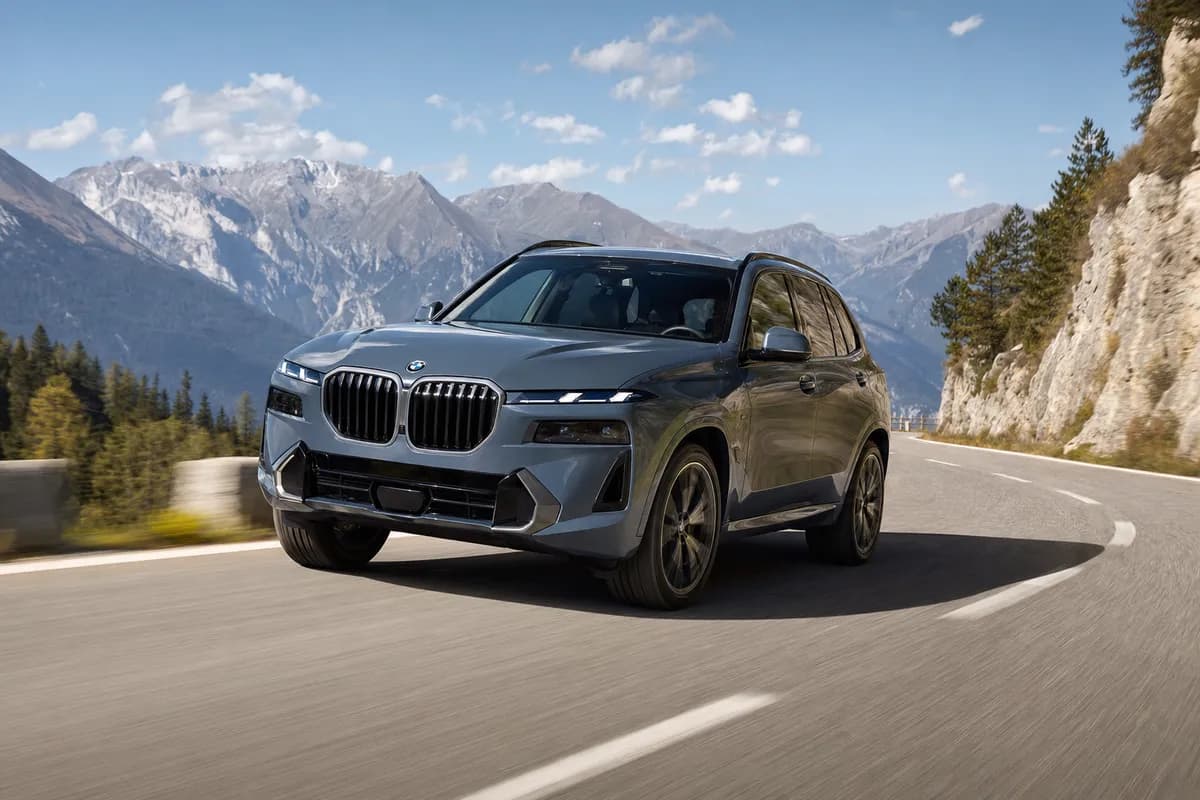
The BMW iX xDrive50 is probably the Q8 e-tron’s most dangerous rival. It offers more power, more range, and faster acceleration. Its EPA range can exceed 300 miles depending on wheels, and its 195-kW charging peak edges the Audi. The iX also rides beautifully and has a superb interior, once you get past the exterior styling, which continues to test the limits of friendship.
The Mercedes-Benz EQE SUV counters with a plush ride, a tech-heavy cabin, and the usual three-pointed-star theatre. But the Audi feels more cohesive from behind the wheel. The Genesis Electrified GV70 is cheaper, quicker, and stylish, but it is smaller and offers only around 236 miles of EPA range. Volvo’s EX90 will eventually make this fight more interesting, but availability and execution remain the questions.
So where does the Audi win? Refinement. Build quality. Ride-and-handling balance. A cabin that feels premium without turning into a touchscreen escape room. The Q8 e-tron is not chasing the EV crowd with party tricks. It is aimed at luxury SUV buyers who want electric propulsion without sacrificing the familiar virtues that made them buy German metal in the first place.
Verdict: Not the Flashiest EV, Just One of the Best Luxury SUVs That Happens to Be Electric
The 2024 Audi Q8 e-tron is not a revolution. It is something more useful: a smart, meaningful correction. Audi fixed the old e-tron’s biggest weakness by giving it a larger battery and substantially better range, then sharpened the steering, improved the aero, and kept the cabin as rich and relaxing as ever. The result is an electric SUV that feels less like an early experiment and more like a finished luxury product.
If you want maximum range per dollar, buy something else. If you want absurd acceleration, Tesla and BMW will happily sell you more violence. If you want the boldest interior design, Mercedes and BMW are shouting louder. But if you want a premium electric SUV that is quiet, composed, beautifully built, genuinely comfortable, and satisfying to drive without behaving like it has watched too many superhero films, the Q8 e-tron lands a very clean punch.
RevvedUpCars verdict: The 2024 Audi Q8 e-tron is not the EV for spec-sheet warriors. It is the EV for grown-ups who value refinement, confidence, and luxury that does not need to explain itself. The BMW iX is quicker and rangier, the Tesla Model X is faster and more efficient, but the Audi is the one that feels most like a proper premium SUV. Finally, the e-tron has the range to match its manners.
Buy the standard Q8 e-tron SUV if you want the best blend of comfort, practicality, and range. Choose the Sportback if style matters more than cargo height. Stretch to the SQ8 e-tron only if you genuinely care about the sharper handling and rear torque vectoring, because the standard car is already quick enough and travels farther on a charge. Either way, Audi’s big electric SUV has matured into exactly what it should have been from the start: calm, capable, and quietly compelling.
Affiliate disclosure: This article contains affiliate links. RevvedUpCars may earn a small commission on qualifying purchases at no extra cost to you.