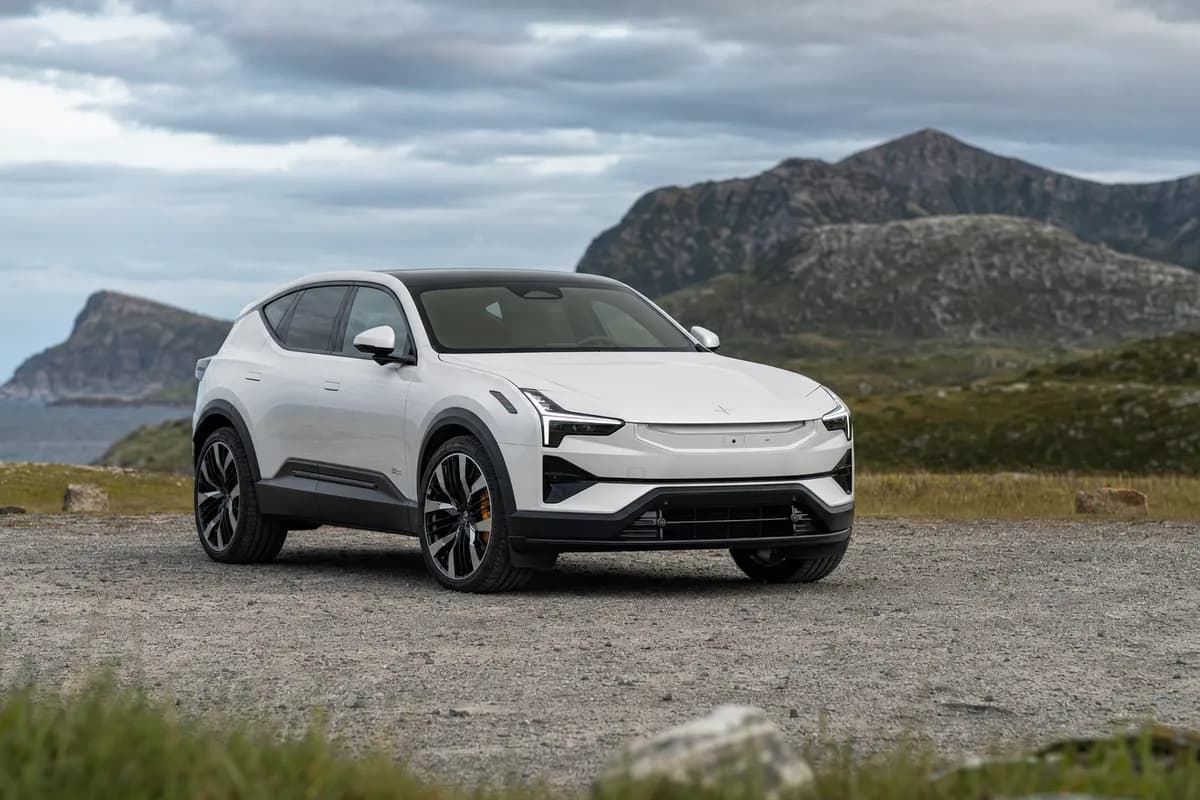
The 2024 Polestar 3 is what happens when Volvo’s safety-obsessed brain trust gets locked in a room with an EV start-up’s clean-sheet ambition and a Scandinavian furniture designer who refuses to tolerate visual clutter.
The 2024 Polestar 3 is what happens when Volvo’s safety-obsessed brain trust gets locked in a room with an EV start-up’s clean-sheet ambition and a Scandinavian furniture designer who refuses to tolerate visual clutter. It is not cheap, not small, and not trying to be another jellybean-shaped electric appliance. This is Polestar’s first proper SUV, and after a first drive, the verdict is pleasingly blunt: the Polestar 3 is one of the most convincing luxury electric SUVs yet, not because it shouts the loudest, but because it feels engineered by adults.
A Big Electric SUV That Doesn’t Drive Like a Refrigerator
Let’s get the obvious bit out of the way: the Polestar 3 is large. At roughly 192.9 inches long, with a 117.5-inch wheelbase, it lands in the same premium electric SUV jungle as the BMW iX, Audi Q8 e-tron, Mercedes-Benz EQE SUV, and Tesla Model X. But unlike some rivals that seem to have been styled by people afraid of straight lines, the Polestar 3 has real presence.
The shape is low, wide, and clean, with a roofline that leans more grand tourer than family bus. The front “SmartZone” replaces a traditional grille with cameras, radar, and sensors, while the aero wing integrated into the hood is a neat bit of theatre that actually serves a purpose. Polestar claims a drag coefficient of 0.29, which is respectable for a vehicle shaped like a luxury bunker.
Underneath, the Polestar 3 rides on Volvo’s SPA2 platform, shared in philosophy with the Volvo EX90 but tuned with a sharper brief. Every launch version gets dual motors, all-wheel drive, adaptive air suspension, and active dampers. The standard Long Range Dual Motor model produces 489 horsepower and 620 lb-ft of torque. Add the Performance Pack and output climbs to 517 horsepower and 671 lb-ft.
Those numbers matter because the Polestar 3 is not a featherweight. Depending on specification, it weighs well over 5,600 pounds. That is not “lightly porky.” That is “ate the other crossover” heavy. Yet on the road, the Polestar does a remarkably convincing job of hiding its mass. The steering is precise without pretending to be a Cayman, the body control is excellent, and the torque-vectoring rear axle gives the car a surprisingly eager attitude when you lean on it.
The 0-60 mph sprint takes a claimed 4.9 seconds in the standard dual-motor car, or 4.6 seconds with the Performance Pack. That is not Tesla Model X Plaid lunacy, but frankly, not every SUV needs to launch hard enough to rearrange your retinas. The Polestar’s acceleration is smooth, immediate, and muscular, with enough punch to embarrass most gas-powered luxury SUVs without turning every on-ramp into a YouTube liability waiver.
Performance Pack: Worth It, But Not Mandatory
Our first drive centered on a Polestar 3 fitted with the Performance Pack, which adds the higher-output motor calibration, 22-inch forged wheels, Pirelli P Zero tires, gold brake calipers, gold valve caps, and gold seatbelts. Yes, gold seatbelts. Because apparently even minimalist Swedes enjoy a little jewelry.
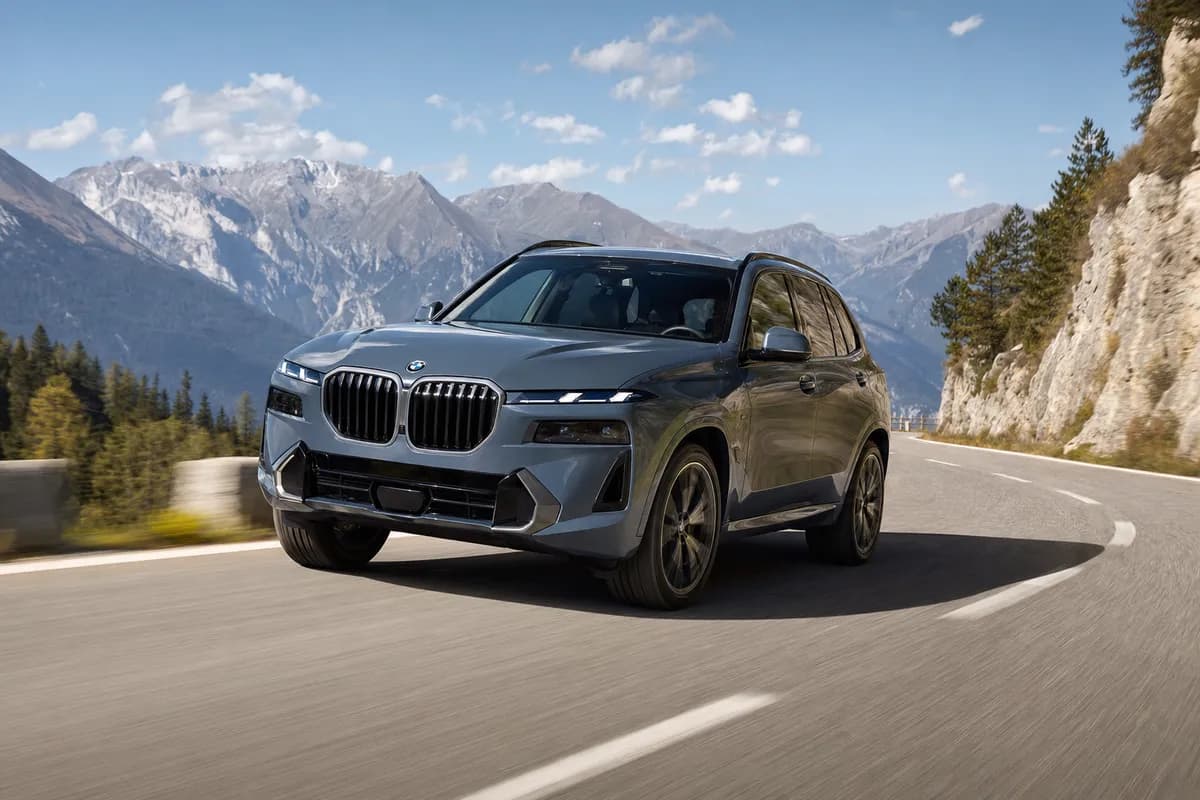
The Performance Pack also brings a more assertive chassis tune. On fast, flowing roads, it gives the Polestar 3 a firm but controlled feel, with the air suspension keeping the body impressively flat. There’s less float here than in a Mercedes EQE SUV and more composure than in an Audi Q8 e-tron. The BMW iX still feels like the dynamic benchmark among the big luxury EVs, but the Polestar is closer than Munich would probably like to admit.
The steering deserves particular praise. It is not overflowing with feedback, because modern electric power steering rarely is, but it is linear, well weighted, and accurate. You can place the Polestar 3 confidently on a narrow road, which is no small achievement in something this wide. The brake pedal is also better than the EV norm, blending regenerative and friction braking without the weird mushy handoff that afflicts too many battery-powered SUVs.
There are adjustable drive settings, including steering weight, suspension firmness, and one-pedal driving intensity. In typical Polestar fashion, the menus are simple and the differences are meaningful. The firmest suspension mode is tolerable on smooth pavement but a bit too busy over broken surfaces with the 22-inch wheels. Leave it in the middle setting and the car hits the sweet spot: controlled, calm, and still agile enough to feel premium rather than ponderous.
Would I buy the Performance Pack? If you enjoy driving, yes. The extra torque and sharper tire package make the car feel more alive. But the standard dual-motor version is likely the smarter buy for most people, especially since it offers more range and should ride better on smaller wheels. The Performance Pack is the enthusiast choice; the standard car is the grown-up choice. Annoyingly, both are correct.
Range, Charging, and the Numbers That Actually Matter
The Polestar 3 uses a 111-kWh battery pack, with about 107 kWh usable. EPA-rated range is up to 315 miles for the Long Range Dual Motor model, while the Performance Pack version drops to around 279 miles. That puts the Polestar in the thick of the segment, though not at the very top.
- Polestar 3 Long Range Dual Motor: up to 315 miles EPA, 489 hp
- Polestar 3 Performance Pack: around 279 miles EPA, 517 hp
- BMW iX xDrive50: up to 324 miles EPA, 516 hp
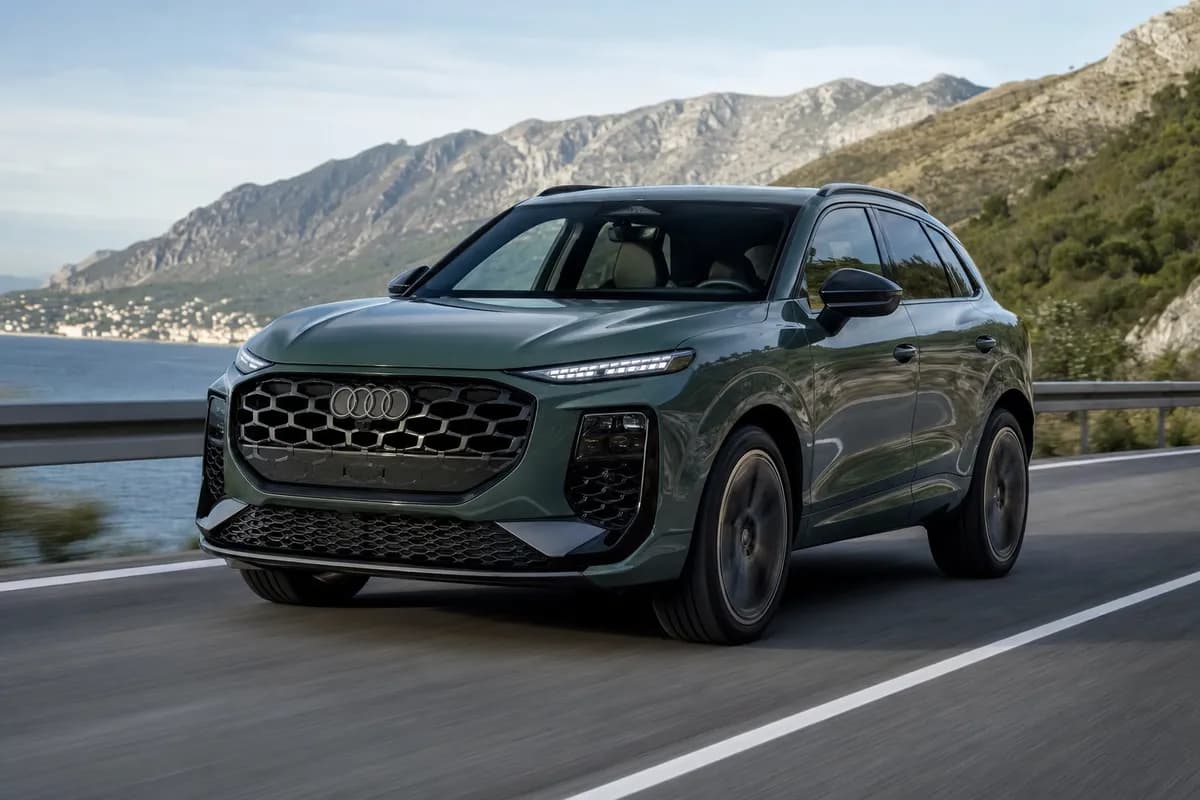
- Audi Q8 e-tron: up to 285 miles EPA, 402 hp
- Mercedes-Benz EQE 500 SUV: around 269 miles EPA, 402 hp
- Tesla Model X Dual Motor: up to 335 miles EPA, 670 hp
So no, the Polestar 3 does not rewrite the range rulebook. Tesla still wins the spreadsheet war, and BMW’s iX remains annoyingly efficient for something that looks like a concept car escaped the zoo. But the Polestar’s numbers are competitive, especially considering its standard performance and battery size.
DC fast charging peaks at 250 kW, with a claimed 10-to-80 percent charge time of about 30 minutes under ideal conditions. That is solid, though not class-leading. The Hyundai Ioniq 5 and Kia EV6, which cost far less, still make many luxury EVs look lazy at a charging station thanks to their 800-volt architecture. The Polestar uses a 400-volt system, and while 250 kW is good, it is not magic.
On our drive, consumption varied heavily with speed and terrain, as it always does in big EVs. Driven briskly, expect the Performance Pack car to land closer to the mid-to-high 2 miles-per-kWh range. Driven gently, the long-range model should be able to stretch its legs respectably. The important point is that the Polestar 3 feels like a real 250-to-300-mile SUV, not a theoretical lab queen that requires monk-like restraint and a tailwind.
Towing capacity is rated at up to 3,500 pounds, which trails some gas SUVs but matches the realistic use case for many EV buyers: bikes, a small trailer, or weekend toys. Just remember that towing with an EV burns range like a bonfire eats kindling. Physics remains undefeated, even in Sweden.
Interior: Minimalist, Not Miserable
Polestar’s cabin design language is familiar by now: spare, architectural, and almost aggressively uncluttered. The Polestar 3 continues that theme, but with a richer, more luxurious execution than the Polestar 2. Materials include wool blends, Nappa leather options, recycled textiles, and soft-touch surfaces that feel expensive without descending into old-world wood-and-chrome cosplay.
The seating position is excellent. You sit lower than expected for a big SUV, which helps the Polestar 3 feel more like a raised wagon than a command-post crossover. Front seats are supportive over long distances, rear space is generous, and the flat floor makes the second row genuinely useful for adults. This is a five-seater only, and that is a good thing. If you need three rows, buy a Volvo EX90. If you want a better-driving, sleeker electric SUV, stay here.
Cargo space is acceptable rather than enormous. There is roughly 17 cubic feet behind the rear seats, expanding to about 49.8 cubic feet with them folded, plus a small front trunk. The Audi Q8 e-tron is more practical, and the Tesla Model X offers more cargo flexibility. The Polestar counters with a cabin that feels calmer, more carefully curated, and less like it was assembled around a giant tablet as a prank.
The infotainment system runs Android Automotive OS through a 14.5-inch central touchscreen, with Google Maps, Google Assistant, and app integration built in. There is also a 9-inch driver display, which immediately makes the Polestar more sensible than any car that forces you to look sideways for your speed. Tesla, I am looking at you.
The interface is mostly intuitive, fast enough, and visually clean. But Polestar, like Volvo, has pushed too many controls into the screen. Mirror adjustments, climate details, and drive settings are all digital-first. It looks tidy in a showroom, but physical controls still win when you are bouncing down a road trying to change temperature by two degrees without poking the wrong Scandinavian rectangle.
Available equipment includes a 25-speaker Bowers & Wilkins audio system with 1,610 watts, Dolby Atmos capability, soft-close doors, a panoramic glass roof, heated rear seats, and advanced driver assistance features. The audio system is magnificent: detailed, powerful, and capable of making mediocre playlists sound like a personal failure rather than a hardware limitation.
Safety and Tech: Volvo DNA, Polestar Attitude
The Polestar 3 leans heavily on Volvo’s safety heritage, which is not a bad family trait to inherit. Standard hardware includes multiple cameras, radar units, ultrasonic sensors, interior radar to help detect occupants, and driver-monitoring systems. Polestar says the SUV uses NVIDIA computing power to process safety and driver-assistance data, while future-ready versions can be equipped with Luminar lidar as part of the Pilot Pack with lidar.
That lidar option is important, not because it turns the car into a robot chauffeur tomorrow, but because it shows where Polestar wants this vehicle to sit: at the intersection of luxury, electrification, and high-level assisted driving. Just don’t confuse future capability with present-day autonomy. The Polestar 3 is not a self-driving car. It is a very smart car that still expects you to do the driving. Radical concept, I know.
The driver-assistance systems behave with the kind of restraint many rivals lack. Lane centering is smooth, adaptive cruise control is predictable, and the car does not constantly nag like an over-caffeinated compliance officer. BMW’s latest systems are still more polished in some scenarios, and Mercedes has deeper luxury-tech theatre, but Polestar’s approach feels clean and confidence-inspiring.
Pricing is where things get serious. The 2024 Polestar 3 Long Range Dual Motor starts in the low-to-mid $70,000 range before destination and options, while Performance Pack cars push toward or beyond $80,000 depending on specification. That puts it squarely against the BMW iX, Mercedes EQE SUV, Audi Q8 e-tron, and well-equipped versions of the Tesla Model X.
Is that expensive? Absolutely. But the Polestar 3 does not feel like a dressed-up mainstream EV. It feels like a proper luxury product with distinct character, strong performance, and a design identity that does not require explanation from a brand ambassador wearing white sneakers.
Verdict: The Best Polestar Yet, and a Real Threat to BMW and Audi
The 2024 Polestar 3 is not perfect. It is heavy. It is expensive. Some basic controls are buried in the touchscreen because apparently buttons have become morally suspicious. The Performance Pack cuts into range, and the cargo area is not as vast as some family buyers will want.
But none of that sinks the car, because the fundamentals are excellent. The Polestar 3 looks sharp, drives with genuine polish, accelerates with authority, charges quickly enough, and has a cabin that feels modern without being cold. More importantly, it has a point of view. Too many luxury EVs feel like compliance projects wrapped in ambient lighting. The Polestar 3 feels like a car built by people who actually cared how it would drive after the launch presentation ended.
Against the Audi Q8 e-tron, the Polestar is more exciting and more modern. Against the Mercedes EQE SUV, it is less plush but far better looking and more engaging. Against the Tesla Model X, it lacks outright range and charging-network simplicity, but counters with superior cabin quality and far less Silicon Valley smugness. The BMW iX remains the dynamic rival to beat, but the Polestar 3 runs it close while looking dramatically better from almost every angle.
Final verdict: The 2024 Polestar 3 is the brand’s most complete car yet and one of the most compelling luxury electric SUVs on sale. Buy it if you want a fast, refined, design-led EV that feels premium without acting desperate for attention. Skip it only if you need maximum cargo space, three rows, or the longest possible range per dollar.
The future of Scandinavian electric SUVs, then? If the Polestar 3 is the preview, the future looks clean, quick, and quietly ruthless.
Affiliate disclosure: This article contains affiliate links. RevvedUpCars may earn a small commission on qualifying purchases at no extra cost to you.