Learn how the Walser Automotive case exposes dealer fraud and tax evasion risks for car buyers. Protect yourself with tips on spotting red flags—read now.
Here’s a sobering thought: the riskiest part of buying a new car in 2026 isn’t the turbo lag or the CVT—it’s the person shaking your hand across the desk. The Walser Automotive case ripped the curtain back on dealer fraud in a way we usually only hear about in late-night legal podcasts, not family dealerships with balloon arches. If you think this doesn’t affect you because you’re shopping for a sensible 2025 Toyota RAV4 or a 2026 Honda CR-V, buckle up.
I’ve driven dozens of SUVs, haggled in more F&I offices than I care to remember, and this case matters because it shows how thin the line is between “aggressive sales tactics” and outright illegality. Allegations of tax evasion, falsified documents, and creative accounting aren’t abstract crimes—they can land squarely on your loan, your registration, and your tax bill. That’s why dealer fraud isn’t just a courtroom drama; it’s a car-buying risk with a VIN number attached.
And before anyone shouts “bad apples,” remember this: Walser isn’t some fly-by-night used lot selling flood cars. This is a large, polished dealer group, the kind that sponsors local sports teams and advertises “transparent pricing” with a straight face. If it can happen there, it can happen anywhere.
What Actually Happened in the Walser Automotive Case
The Walser case centers on allegations of tax evasion auto dealers nightmares are made of—misreporting sales data, manipulating fees, and allegedly stiffing state tax authorities. While courts will decide guilt, the sheer scope is the story: multi-year practices, not a rogue employee with a calculator from 1997. That should make every buyer ask how often paperwork “mistakes” just happen to benefit the dealership.
This isn’t unique to Walser, either. We’ve seen echoes of this with other dealer groups across the U.S., from inflated documentation fees to quietly rolling negative equity into new loans. Compared to competitors like AutoNation, Lithia Motors, or Penske Automotive Group, Walser’s case is louder—but the underlying temptations are industry-wide.
Why Dealer Fraud Should Scare Buyers More Than a Bad CVT
A bad transmission will whine, slip, and eventually die, usually under warranty. Dealer fraud, on the other hand, is silent and sticks around like a bad finance rate you didn’t notice until month 18. If taxes weren’t paid correctly or fees were misrepresented, guess whose name is on the registration? Yours.
I’ll give you a controversial hot take: modern cars are more reliable than modern dealerships are honest. A 2026 Mazda CX-5 will probably hit 150,000 miles without drama, but a single falsified document can haunt you when you try to sell or trade. That’s not paranoia; that’s pattern recognition.
The Real Risks Hiding in Your Purchase Contract
The contract is where things go from Clarkson-funny to Chris Harris-serious. Watch for “estimated” tax lines, vague admin fees, and accessories that magically reappear after you declined them. If numbers don’t match state calculators, that’s not a rounding error—that’s a red flag waving harder than a YouTuber thumbnail.
Buyers cross-shopping a 2025 Ford F-150, a 2026 Chevy Silverado, or a Ram 1500 are especially vulnerable because high prices—starting around $45,000 and sailing past $70,000—mean more room to hide nonsense. Larger transactions equal larger temptations, especially when F&I managers are paid on margin.
How This Ties Into Bigger Car Buying Risks in 2026
This case lands during a perfect storm: higher interest rates, longer loan terms, and buyers stretching to afford vehicles they couldn’t touch five years ago. If you’re already debating whether a new car is worth it in 2026, the Walser situation tilts the scale further toward caution. Complexity is the enemy of transparency.
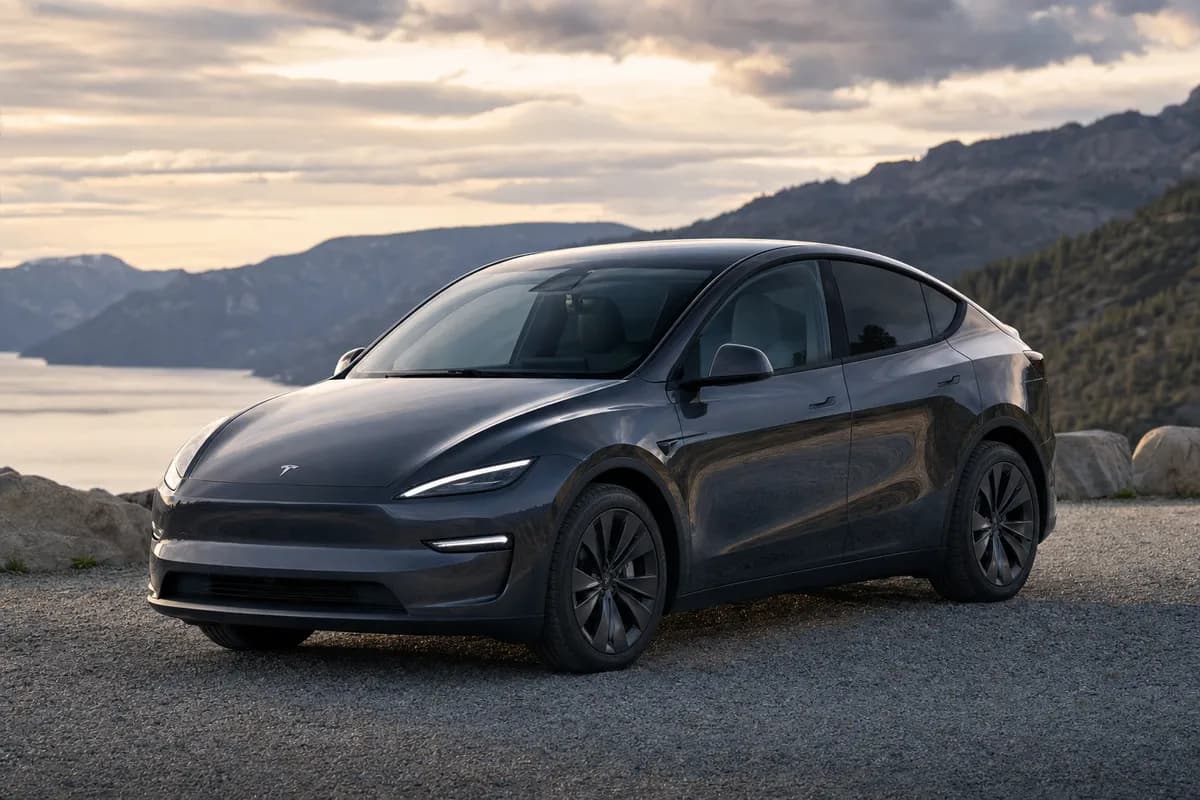
Add EVs and PHEVs into the mix—think Tesla Model Y, Hyundai Ioniq 5, or Toyota RAV4 Prime—and paperwork gets even messier with credits, rebates, and state incentives. That’s fertile ground for “accidental” miscalculations that just happen to favor the dealer.
What Smart Buyers Should Do Differently Right Now
First, verify taxes and fees independently using your state’s calculator, not the dealer’s printer. Second, read the purchase agreement like it’s a Nürburgring pace note—slow, deliberate, and suspicious of blind crests. If a dealer pushes back, walk; there are plenty of alternatives selling the same 2026 Camry.
I also recommend checking a dealer’s complaint history and pairing that research with broader ownership advice like our guide on lowering your car payment in 2026. Knowledge doesn’t just save money; it exposes nonsense before you sign.
Regulators, Oversight, and Why Enforcement Matters
Cases like this only surface because state authorities eventually notice patterns that don’t add up. The National Highway Traffic Safety Administration isn’t policing dealer taxes, but it’s still worth knowing where to check vehicle records and recalls via NHTSA.gov. Transparency tools exist; buyers just need to use them.
Fuel economy and emissions claims should also be verified independently through FuelEconomy.gov. If a dealer will bend numbers on MPG, don’t assume they’re saints with your sales tax.
Is This a One-Off Scandal or an Industry Wake-Up Call?
Here’s my blunt opinion: this isn’t an outlier; it’s a stress fracture. As margins tighten and inventory fluctuates, some dealers will push ethical boundaries harder than a GR Corolla on cold tires. The Walser case just happens to be the one caught under bright lights.
That’s why dealer fraud needs to be part of every buyer’s mental checklist, right alongside reliability scores and crash ratings. Ignore it, and you’re trusting vibes over verification.
Pros
- Greater awareness of dealer fraud among buyers
- Potential for tighter oversight and enforcement
- Encourages smarter, more informed car shopping
- Highlights value of independent verification tools
Cons
- Erodes trust in legitimate dealerships
- Adds stress and complexity to buying process
- Legal outcomes can take years to clarify
RevvedUpCars Rating: 7/10
Best for: Buyers who want the unvarnished truth about modern car buying risks.
The Walser Automotive case is a reminder that the most important option on any car isn’t AWD or adaptive cruise—it’s transparency. Treat every deal like a performance car on a damp track: respect it, question it, and never assume grip where none is guaranteed. In 2026, surviving dealer fraud is just another skill good car buyers need to master.
Disclosure: This article may contain affiliate links. If you make a purchase through these links, we may earn a small commission at no extra cost to you. This helps support RevvedUpCars.com.
Learn more.
Get the latest car reviews in your inbox
Join thousands of car enthusiasts. No spam, unsubscribe any time.




Comments
Leave a comment