Electric cars are about to lose one of their simplest financial advantages in the UK: free road tax. From 1 April 2025, battery-electric vehicles will be brought into the Vehicle Excise Duty system, meaning most EV owners will pay the same annual “road tax” as petrol and diesel…
Electric cars are about to lose one of their simplest financial advantages in the UK: free road tax. From 1 April 2025, battery-electric vehicles will be brought into the Vehicle Excise Duty system, meaning most EV owners will pay the same annual “road tax” as petrol and diesel drivers. The change will not end the economic case for going electric, but it will alter the ownership sums — particularly for buyers of £40,000-plus models that will also be pulled into the Expensive Car Supplement.
What is changing for electric vehicle road tax?
The UK Government is ending the zero-rate Vehicle Excise Duty exemption for electric cars, vans and motorcycles from 1 April 2025. VED is the official name for what most drivers still call road tax, although it is not directly ring-fenced for road spending.
Until now, fully electric cars have paid £0 in VED. That has been a useful, visible saving for EV drivers and a simple incentive at the point of purchase. From April 2025, that advantage largely disappears.
For electric cars, the key changes are:
- New electric cars registered from 1 April 2025 will pay the lowest first-year VED rate, set at £10 for 2025/26.
- From the second year onwards, those cars will pay the standard annual VED rate, currently £195 for 2025/26.
- Existing electric cars first registered between 1 April 2017 and 31 March 2025 will also move to the standard annual rate, currently £195.
- Electric cars first registered before 1 April 2017, which previously sat in the zero-emission Band A category, will move to the Band B rate, currently £20 a year.
- Electric vans will move into the standard light goods vehicle VED rate, while electric motorcycles and tricycles will also pay VED at the relevant lower-rate categories.
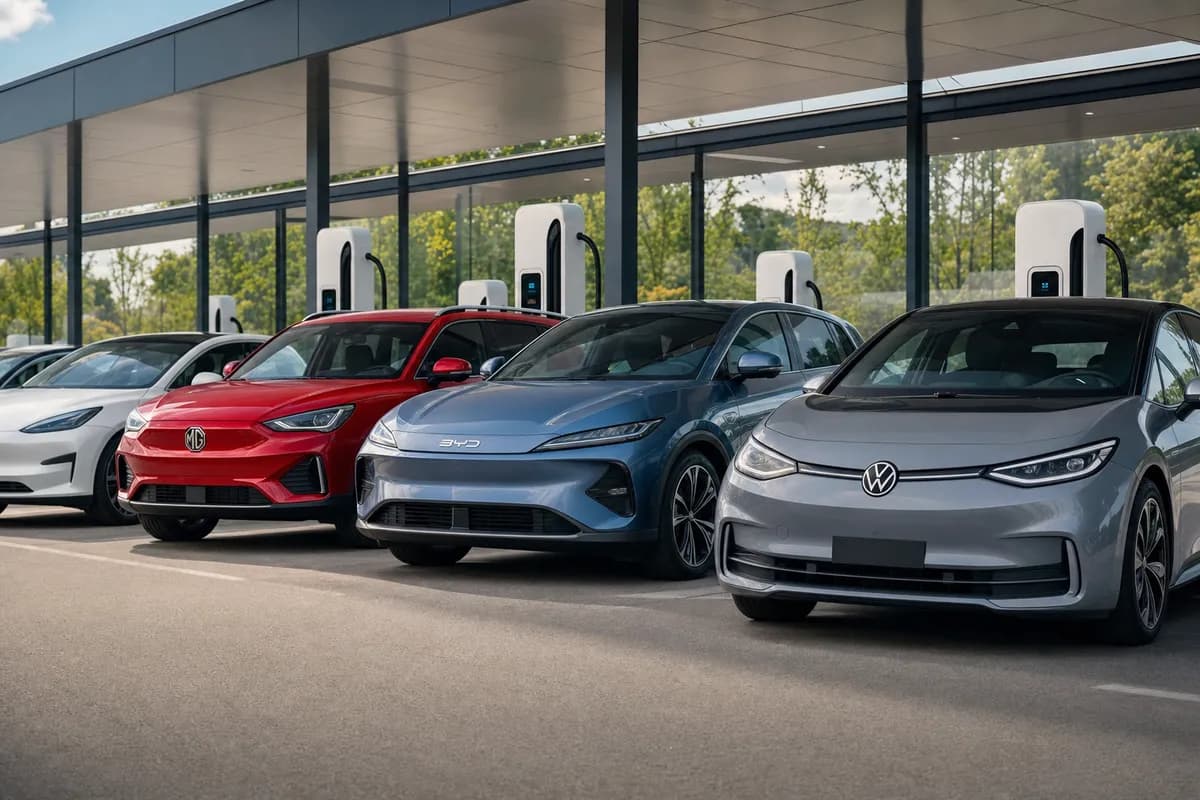
The most important point for private car buyers is simple: a mainstream EV such as an MG4, Volkswagen ID.3, Hyundai Kona Electric or Tesla Model 3 will no longer be VED-free after April 2025. For most owners, the new annual bill will be £195, subject to future Budget changes.
That is not a huge sum in the context of total car ownership, but it does matter. EVs are still typically more expensive to buy than equivalent petrol models, despite sharply improving affordability and heavy discounting in parts of the new-car market. Removing a guaranteed annual saving narrows the running-cost gap.
The £40,000 problem: why premium EVs are hit harder
The bigger issue is not the standard £195 annual VED charge. It is the Expensive Car Supplement, sometimes called the luxury car tax. From 1 April 2025, electric cars will no longer be exempt from it.
Under current rules, cars with a list price above £40,000 pay an additional supplement for five years, starting from the second time the vehicle is taxed. For 2025/26, that supplement is £425. Add the standard £195 VED rate and an affected EV owner is looking at £620 a year for five years.
This is where the policy bites hardest, because many electric cars still sit above the £40,000 threshold. The list price is also crucial: it is based on the vehicle’s official price when new, including options, not what the buyer actually pays after discounting. A dealer contribution or finance offer does not necessarily keep a car out of the supplement if the official list price is over the threshold.
Models that can be caught by the supplement include popular and mainstream EVs, not just luxury cars. Depending on trim and options, examples include:
- Tesla Model Y, one of the UK’s best-selling electric cars, with many versions priced above £40,000.
- Kia EV6 and Hyundai Ioniq 5, both family-sized EVs often positioned above the threshold in higher trims.
- Volkswagen ID.4, Skoda Enyaq and Ford Mustang Mach-E, which can easily exceed £40,000 depending on battery size and specification.
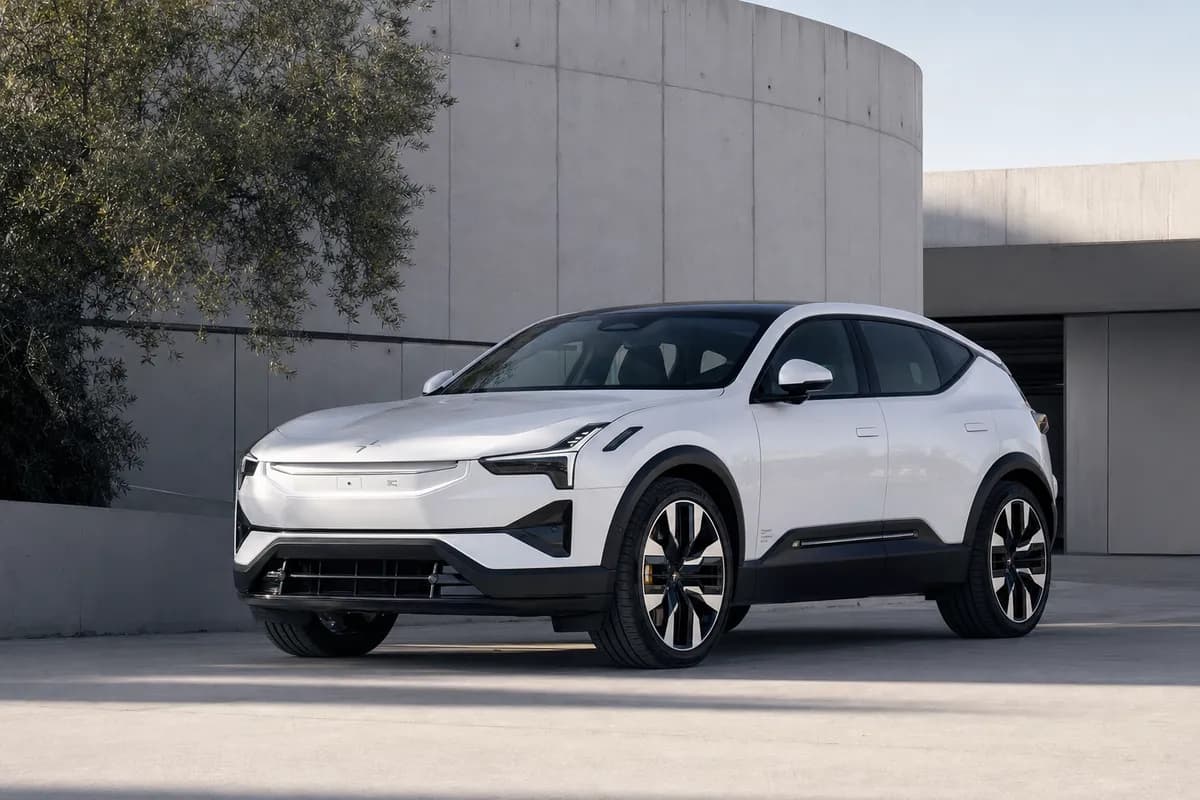
- BMW i4, Mercedes EQA/EQB, Audi Q4 e-tron and Polestar 2, all firmly in supplement territory for many versions.
The effect is stark. An EV under the £40,000 threshold might cost £195 a year in VED after the first year. An EV over the threshold could cost £620 a year for five years. Over that five-year period, the supplement alone adds £2,125, before the standard VED charge is included.
That creates a new consideration for buyers choosing between trims. A larger battery, panoramic roof, premium paint or technology pack may push a car over the threshold. In some cases, the real-world value of an option may be outweighed by the additional VED exposure it triggers.
The £40,000 threshold has also become more controversial because it has not kept pace with the EV market. Battery packs remain expensive, and many family-sized electric SUVs naturally sit above the line. A £42,000 electric family car is not a luxury product in the same way a high-end executive saloon might have been when the supplement was conceived.
How the numbers compare with petrol and hybrid cars
From April 2025, the VED system becomes less favourable to electric cars, but not identical in every respect. New petrol and diesel cars still face first-year VED rates based on CO2 emissions. Those first-year rates can be substantial for higher-emitting vehicles, while electric cars registered from April 2025 pay only the lowest first-year rate.
For example, a new electric car registered after 1 April 2025 will pay £10 in first-year VED. A petrol SUV emitting around 150g/km of CO2 will pay far more in its first year. A high-performance petrol car with emissions above 255g/km can attract a first-year VED bill running into thousands of pounds.
After the first year, however, the annual standard rate becomes broadly aligned. An electric Volkswagen ID.3 and a petrol Volkswagen Golf will both move into the standard VED system. If neither is above the £40,000 threshold, the annual road tax difference largely disappears.
That changes the ownership comparison. For the past several years, EV buyers could count on three clear running-cost advantages: lower home charging costs than petrol or diesel, reduced servicing requirements and zero VED. From April 2025, two of those remain, but the third is weakened.
A typical EV can still be cheaper to run if charged mainly at home. Taking a family EV averaging around 3.5 miles per kWh and a home electricity rate of 24p per kWh, 10,000 miles of driving would cost roughly £685 in electricity. A petrol car averaging 45mpg with petrol at £1.45 per litre would cost around £1,465 for the same mileage. That is an approximate saving of £780 a year before servicing and tax are considered.
But the advantage shrinks for drivers who rely heavily on public rapid charging. At 79p per kWh, the same EV could cost around £2,260 to cover 10,000 miles — more than the petrol example. In that scenario, the new £195 VED charge makes the ownership case even more dependent on access to cheap charging.
Hybrids also lose some preferential treatment. The alternative fuel vehicle discount is being removed, meaning hybrid and plug-in hybrid cars no longer benefit from the small VED reduction they previously received. Plug-in hybrids will continue to be taxed according to CO2 emissions in the first year, then move to the standard rate, with the Expensive Car Supplement applying where relevant.
What it means for private buyers, fleets and used EVs
For private buyers, the road tax change adds a new line to the running-cost calculation. It is unlikely to stop someone buying an EV on its own, but it may influence which EV they choose, when they register it and how much they spend on options.
The timing point is important. An electric car registered before 1 April 2025 will avoid the first-year £10 charge, but it will not avoid VED indefinitely. If it was first registered from April 2017 onwards, it will still move to the standard annual rate from April 2025. For cars above £40,000, the Expensive Car Supplement position depends on the registration date: EVs registered before 1 April 2025 are not brought into the supplement in the same way as new EVs registered after that date.
That gives some buyers a reason to complete a purchase before the deadline, particularly if they are considering a new EV with a list price above £40,000. The saving could be meaningful over the first several years of ownership.
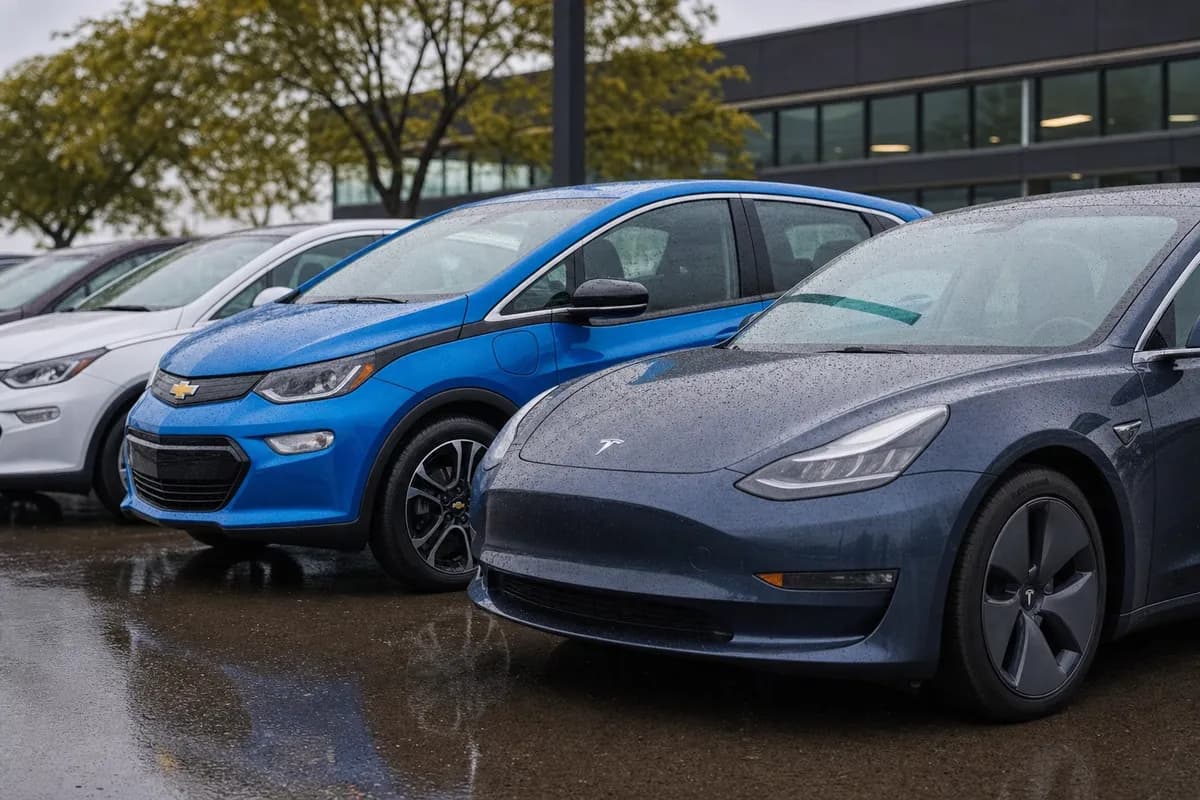
For the used market, the effect is more nuanced. A three-year-old Nissan Leaf, Renault Zoe, MG ZS EV or Tesla Model 3 registered before April 2025 will no longer be tax-free, but the annual VED charge will be relatively modest. Used EV prices have already fallen sharply since 2022, improving affordability for buyers who can charge at home. A £195 annual tax bill is unlikely to undo that shift.
However, used buyers will need to check the original list price and registration date carefully. The question is no longer just battery health, service history and charging capability. VED status becomes part of the due diligence, especially for nearly new premium EVs.
Fleets and company car drivers are affected differently. VED is a cost, but it is not the main tax lever in the fleet market. Benefit-in-kind tax remains the bigger incentive, and EVs still retain a major advantage. The company car tax rate for zero-emission cars is rising gradually, but it remains far below the rate applied to petrol, diesel and many plug-in hybrid models.
That means the road tax change is unlikely to derail fleet electrification. Businesses are more focused on total cost of ownership, salary sacrifice savings, corporate emissions targets and access to low-emission zones. EVs still perform strongly in those areas, especially where workplace or depot charging is available.
For van operators, the change is less welcome. Electric vans already face payload, charging and upfront-cost challenges. Adding standard VED reduces one of the smaller but useful savings. Even so, for urban delivery fleets with predictable routes and depot charging, electric vans can still make financial sense through lower energy and maintenance costs.
Verdict: EVs still make sense, but the easy tax win is ending
The introduction of road tax for electric vehicles is a sign that the UK EV market is moving out of its early incentive phase. As electric cars take a larger share of registrations, the Treasury is no longer willing to leave them outside the VED system.
For most EV owners, the immediate impact is manageable. A £195 annual bill is not enough to wipe out the savings available from home charging, lower maintenance and favourable company car tax. A driver covering high mileage in an efficient EV, particularly one charged overnight at home, can still come out well ahead of an equivalent petrol or diesel car.
The bigger concern is the Expensive Car Supplement. Applying the £40,000 threshold to EVs risks catching ordinary family cars, not just luxury models. It could distort buying decisions, penalise larger-battery versions and make some electric SUVs and crossovers look less attractive on total cost of ownership.
For buyers, the practical advice is clear:
- Check the official list price, including options, before ordering an EV near £40,000.
- Understand the registration date, especially for cars bought around the April 2025 changeover.
- Calculate charging costs realistically, using your likely mix of home, workplace and public charging.
- Compare total ownership costs, not just monthly finance payments or headline range.
Electric vehicles are not becoming poor value because of VED. But they are becoming more like every other car in the tax system. The strongest EV ownership case will now belong to buyers who choose carefully, avoid unnecessary exposure to the £40,000 supplement where possible, and have access to affordable charging. The tax-free era is ending; the cost-conscious EV era is beginning.
Affiliate disclosure: This article contains affiliate links. RevvedUpCars may earn a small commission on qualifying purchases at no extra cost to you.