Tesla’s latest Gigafactory announcement is not just another factory plan. It is a signal that the company is preparing for the next phase of electric-vehicle growth: lower-cost models, deeper supply-chain control, and manufacturing scale that legacy automakers are still trying…
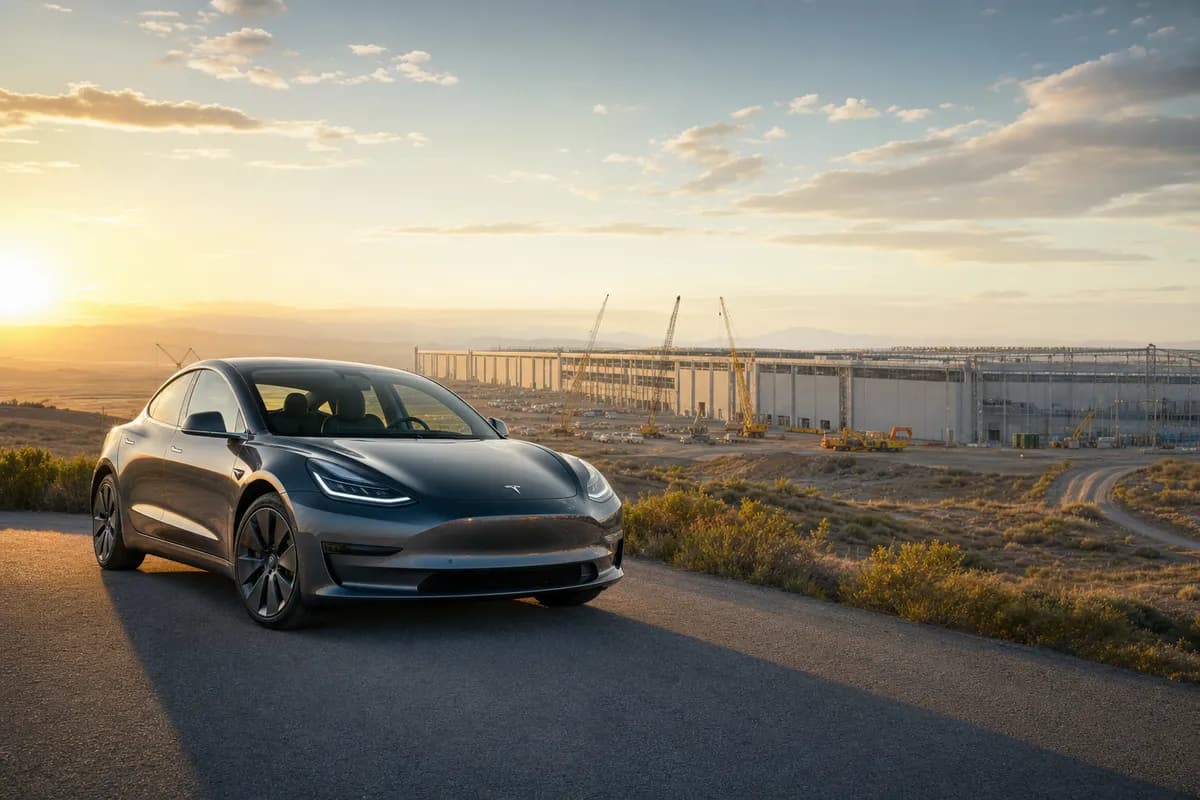
Tesla’s latest Gigafactory announcement is not just another factory plan. It is a signal that the company is preparing for the next phase of electric-vehicle growth: lower-cost models, deeper supply-chain control, and manufacturing scale that legacy automakers are still trying to match. The new site, planned for Nuevo León, Mexico, near Monterrey, is expected to support Tesla’s next-generation vehicle platform and could become one of the most important pieces of the company’s global production network.
A New Factory Built Around Tesla’s Next Phase
Tesla’s new Gigafactory is expected to focus on vehicles based on the company’s next-generation platform, widely understood to be the foundation for a more affordable Tesla positioned below the Model 3 and Model Y. Tesla has not confirmed a final production start date, annual capacity figure, or complete product lineup for the plant, but the strategic direction is clear: the company needs a lower-cost vehicle if it wants to keep growing beyond the premium and upper-mainstream EV segments.
That matters because Tesla’s current volume is heavily dependent on two vehicles: the Model Y crossover and Model 3 sedan. The Model Y has become Tesla’s global workhorse and one of the world’s best-selling vehicles, electric or otherwise. But relying on one core vehicle family creates pressure. Competitors are bringing cheaper EVs to market, particularly in China, while buyers in North America and Europe remain highly sensitive to interest rates, charging access, and upfront price.
A new factory in Mexico gives Tesla a potential bridge between its existing manufacturing base and a more affordable product strategy. Nuevo León is geographically well placed for North American production. It sits close to the U.S. market, has established industrial infrastructure, and is tied into the cross-border supplier network that already supports automakers in Mexico and the southern United States.
That proximity matters. Tesla’s Austin factory builds the Model Y and Cybertruck, while Fremont continues to produce the Model S, Model X, Model 3, and Model Y. A Mexican Gigafactory could complement those plants rather than simply duplicate them. If Tesla uses the site for a smaller, simpler, higher-volume vehicle, it would free its U.S. plants to focus on existing models, higher-margin products, and newer programs such as Cybertruck, Semi, and future energy-storage expansion.
Why Mexico Makes Sense for Tesla
Mexico has become a critical manufacturing base for the auto industry. General Motors, Ford, Stellantis, Volkswagen, BMW, Toyota, Nissan, and Kia already build vehicles there. The country offers lower labor costs than the U.S., an experienced manufacturing workforce, and access to North American trade under the United States-Mexico-Canada Agreement.
For Tesla, those advantages are especially relevant because the company’s next major challenge is cost. The Model 3 and Model Y were designed to push EVs into the mainstream, but they are still not inexpensive vehicles for many households. A lower-priced Tesla would require savings in vehicle architecture, battery cost, factory layout, supplier sourcing, logistics, and labor efficiency.
Mexico can help on several fronts:
- Lower production costs: Labor and some operating expenses are typically lower than in the U.S., which could support a more affordable vehicle.
- Supplier access: Northern Mexico is already integrated into the North American automotive supply chain, reducing the need to build everything from scratch.
- Export flexibility: A plant in Mexico can serve the U.S., Canada, Latin America, and potentially other markets depending on trade rules and production allocation.
- Industrial infrastructure: Nuevo León has experience supporting advanced manufacturing, including stamping, castings, electronics, and vehicle components.
The location also gives Tesla a strategic counterweight to its Shanghai plant, which has been central to the company’s global growth. Gigafactory Shanghai is Tesla’s largest export hub and has helped the company reduce costs dramatically. But geopolitical tension, tariffs, and intensifying competition from Chinese automakers have made regional production more important. A Mexican plant would strengthen Tesla’s North American footprint while reducing reliance on any single market.
Still, the benefits are not automatic. Tesla will need to secure water, energy, road, rail, and supplier capacity at scale. Large factories place serious pressure on local infrastructure, and EV production is energy-intensive. Battery-pack assembly, paint shops, casting operations, and high-volume logistics all require careful planning. If Tesla wants this facility to be more than a headline, it must prove it can build quickly without creating bottlenecks that delay production ramp-up.
The Gigafactory Model: Tesla’s Real Competitive Weapon
Tesla’s advantage has never been only the car. It has been the system around the car: software, battery integration, direct sales, charging, and manufacturing. The Gigafactory model is central to that system.
The term “Gigafactory” originally referred to battery scale, measured in gigawatt-hours of cell production. Today, Tesla uses the term more broadly for large integrated manufacturing sites that can combine vehicle assembly, battery-pack production, drive-unit manufacturing, casting, and software-driven production systems.
That integration has helped Tesla reduce complexity. The Model Y, for example, uses large structural castings in some configurations, replacing many smaller stamped and welded parts. Tesla has also pushed toward structural battery-pack designs and simplified wiring architectures. These choices are not always easy to execute, but when they work, they can reduce parts count, manufacturing time, and assembly cost.
The new Gigafactory is expected to take that logic further. Tesla has previously discussed a new manufacturing approach designed to make production more efficient by assembling vehicle substructures in parallel rather than moving a mostly complete vehicle down a traditional line at every stage. The company has described the goal as a major reduction in factory footprint and production cost for its next-generation platform.
That is the core reason this factory matters. If Tesla simply builds another Model Y plant, the impact is incremental. If it uses the site to industrialize a smaller, cheaper EV at scale, the impact could be much larger.
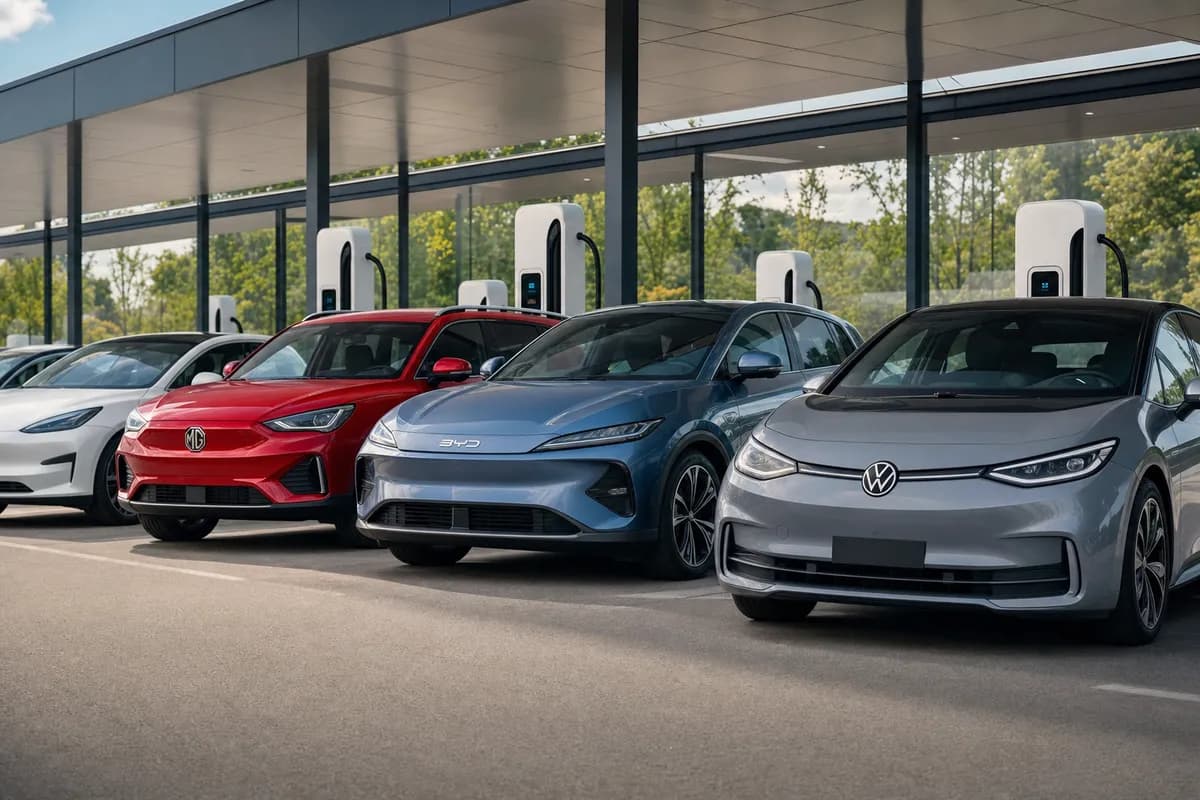
The comparison with rivals is important. BYD has become a global EV force by combining battery manufacturing, vehicle production, and aggressive pricing. Hyundai and Kia have moved quickly with dedicated EV platforms such as E-GMP, which underpins models including the Hyundai Ioniq 5, Ioniq 6, Kia EV6, and Kia EV9. Volkswagen has pushed its MEB platform across the ID. family, while General Motors has attempted to scale Ultium-based models including the Chevrolet Equinox EV, Blazer EV, Silverado EV, GMC Hummer EV, and Cadillac Lyriq.
Tesla’s challenge is different. It already has EV scale and brand recognition. What it needs now is another cost breakthrough. A new Gigafactory tied to a lower-cost platform is Tesla’s clearest route to that goal.
What It Could Mean for Buyers
For consumers, the most important question is simple: will this factory make EVs cheaper? The answer is likely yes over time, but not immediately.
New factories are expensive, and Tesla typically ramps production gradually. Early vehicles from a new plant can be costly to build as workers are trained, suppliers stabilize, and production lines are tuned. Gigafactory Berlin and Gigafactory Texas both took time to reach meaningful Model Y output. The Cybertruck ramp in Texas has also shown how difficult it can be to industrialize a new vehicle design, especially one using unusual materials and manufacturing methods.
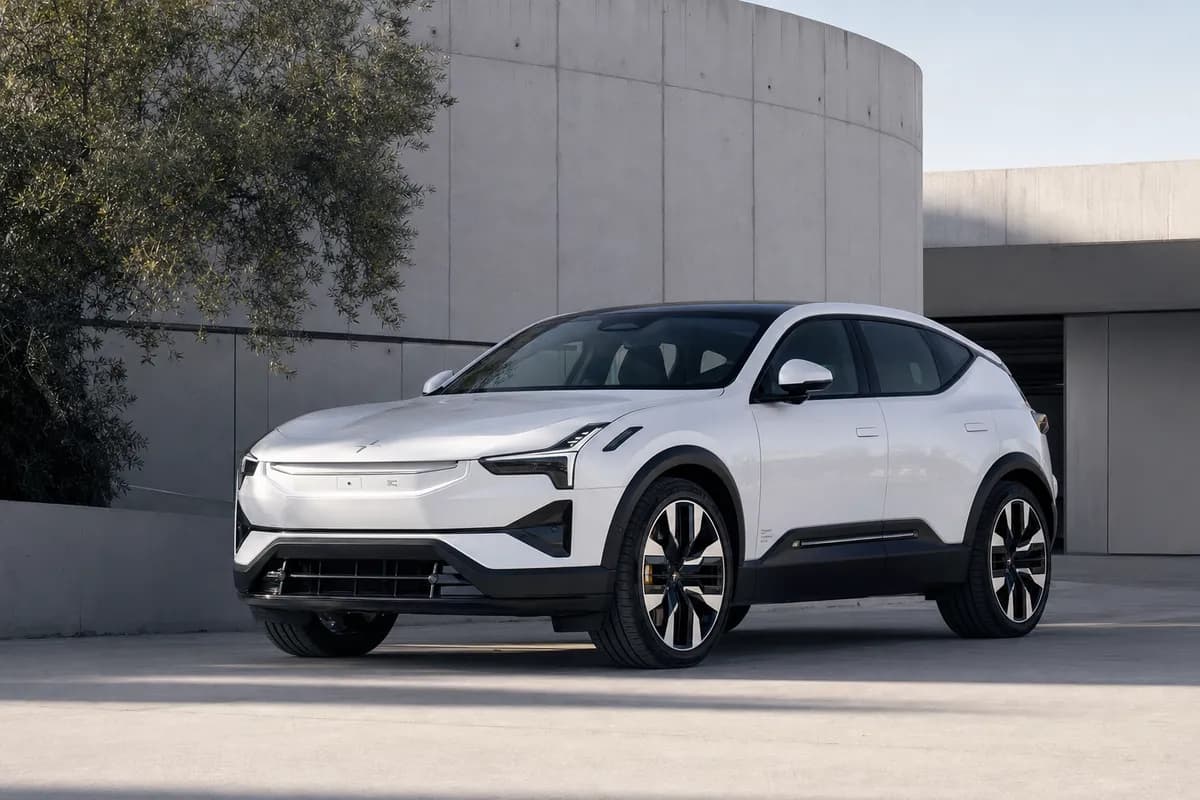
A lower-cost Tesla built in Mexico could eventually put direct pressure on several key models and segments. In the U.S., it would likely compete with the Chevrolet Equinox EV, Hyundai Kona Electric, Kia Niro EV, Volvo EX30, Nissan Leaf successor models, and upcoming compact EVs from both legacy and startup brands. Globally, it would face even tougher competition from BYD, MG, Geely, Renault, and other automakers already targeting affordable EV buyers.
Tesla’s current entry point in the U.S. is generally the Model 3, while the Model Y remains its most important family vehicle. A smaller Tesla would need to avoid cannibalizing those models too aggressively while still attracting new buyers. That is a difficult balance. If the car is too close to the Model 3 in price, it will not expand the market enough. If it is significantly cheaper, Tesla must protect margins through manufacturing efficiency, battery cost reductions, and software revenue.
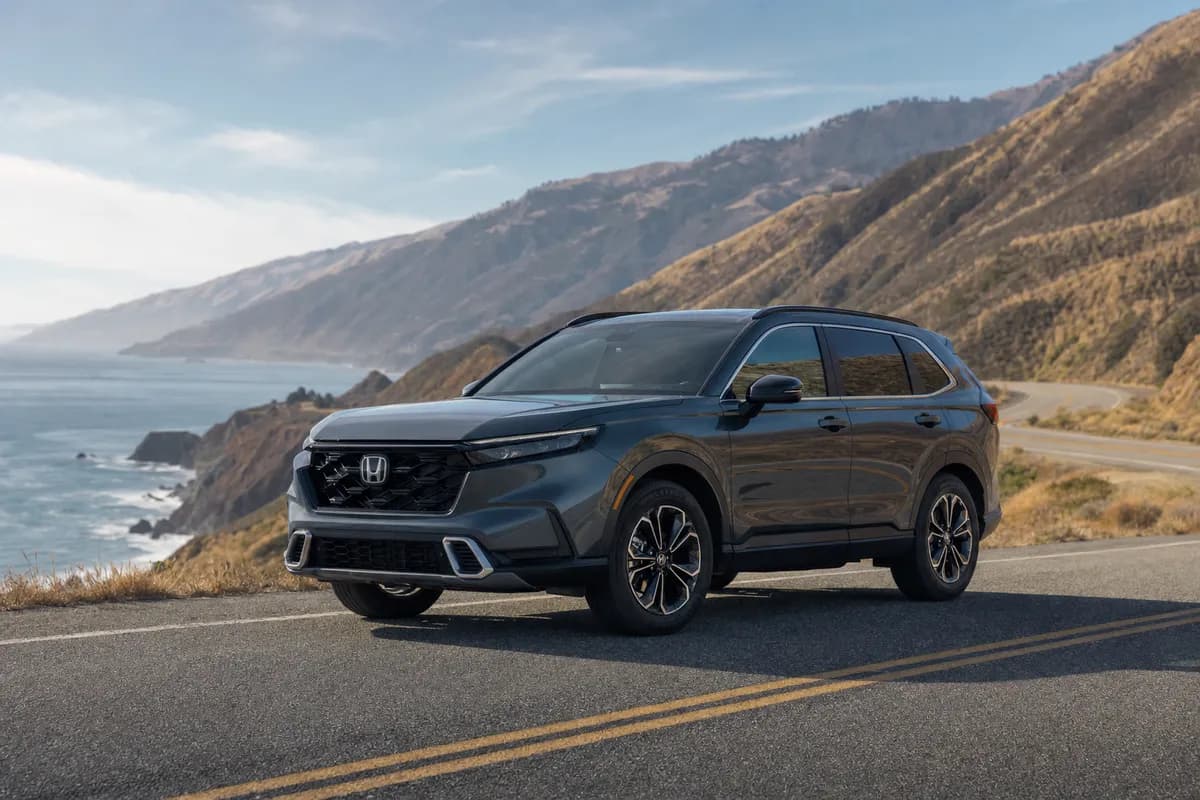
Battery chemistry will be a major factor. Tesla already uses lithium iron phosphate batteries in some markets and configurations, particularly for standard-range vehicles. LFP batteries are typically cheaper and more durable than nickel-rich chemistries, though they usually offer lower energy density. For an affordable compact Tesla, LFP could make sense, especially if the vehicle is designed around efficiency rather than maximum range.
Range expectations will also matter. Many buyers do not need 350 miles of rated range, but they do need reliable charging, predictable winter performance, and a price that makes sense against gasoline and hybrid alternatives. A compact Tesla with roughly 250 miles of real-world-friendly range, access to the Supercharger network, and a price meaningfully below the Model 3 would be a serious market force.
The promise of the new Gigafactory is not just more Teslas. It is the possibility of a Tesla that reaches buyers who have so far been priced out of the brand.
The Risks Behind the Announcement
Tesla’s factory announcements always attract attention, but the company’s execution record is mixed. It has achieved things many automakers doubted, including rapid EV scale, industry-leading charging infrastructure, and high-volume production at Shanghai. But it has also faced delays, quality challenges, shifting timelines, and product priorities that change quickly.
The Mexico project has several key risks:
- Timing: Tesla has not locked in a clear public production schedule. A delayed start would push back the affordable-model strategy.
- Capital discipline: A new Gigafactory requires billions of dollars before it generates meaningful revenue.
- Demand uncertainty: EV growth remains strong long-term, but near-term demand can be affected by interest rates, incentives, charging access, and consumer confidence.
- Competition: BYD and other Chinese automakers are moving quickly with lower-cost EVs, especially outside the U.S.
- Policy risk: Trade rules, tariffs, battery-sourcing requirements, and political shifts could affect how vehicles built in Mexico qualify for incentives.
There is also the question of Tesla’s product focus. The company has invested heavily in Cybertruck, autonomous-driving software, robotics, battery production, energy storage, and artificial intelligence. A compact, affordable EV requires disciplined execution and a willingness to prioritize mass-market practicality over spectacle. That is not always where Tesla’s public narrative has been focused.
Investors will watch whether the new factory improves Tesla’s cost structure or simply adds capacity in a market that is becoming more competitive. More production is only valuable if the vehicles can be sold profitably. Tesla has already used price cuts to defend volume, particularly for the Model 3 and Model Y. A cheaper vehicle could expand the addressable market, but it must be engineered from the start for lower margins and higher scale.
Verdict: Important, But Only If Tesla Delivers the Affordable EV
Tesla’s new Gigafactory announcement is a major strategic move, but its importance depends on execution. Another large factory would increase Tesla’s global footprint. A factory that successfully launches a next-generation, lower-cost EV would do something much more significant: it would reshape the competitive baseline for electric cars.
The auto industry is moving from the early EV adoption phase into a harder, more price-sensitive stage. Buyers want range, charging access, reliability, and value. Automakers need scale, battery security, and lower costs. Tesla has advantages in all of those areas, but it no longer has the EV market to itself.
A Gigafactory in Mexico could become the manufacturing base Tesla needs for its next big growth wave. It offers access to North American markets, an established supplier region, and a cost structure better suited to a more affordable model. But the factory alone is not transformative. The product is.
If Tesla can build a compact EV with strong efficiency, usable range, Supercharger access, and a price that pulls new buyers into the market, this Gigafactory will be remembered as a turning point. If timelines slip or the vehicle arrives too expensive, it will be another ambitious plant in an increasingly crowded EV race.
The verdict: Tesla’s new Gigafactory has the potential to transform the future of electric cars, but only if it delivers what the market now needs most — not another high-profile EV, but a genuinely attainable one.
Affiliate disclosure: This article contains affiliate links. RevvedUpCars may earn a small commission on qualifying purchases at no extra cost to you.