Stellantis' Poissy plant shift to recycling signals a wider auto recycling strategy and circular-economy trend in manufacturing. Read our analysis.
In this article
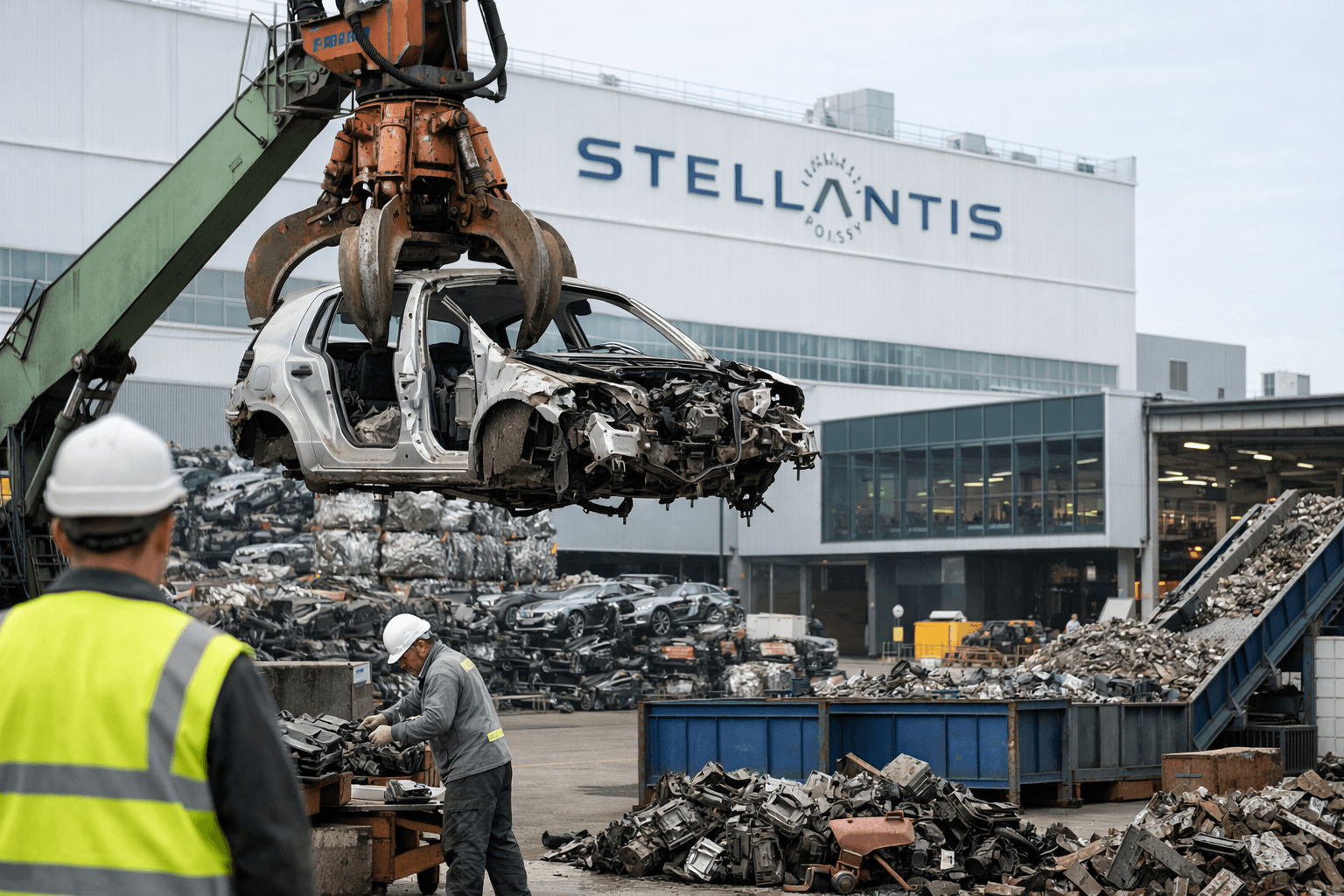
Stellantis confirmed on May 1, 2026, that it will convert its historic French facility into a dedicated circular economy hub, effectively transforming the Stellantis Poissy plant from a traditional vehicle assembly site into a large-scale recycling and remanufacturing center. The move marks one of the clearest signals yet that Europe’s second-largest automaker is rethinking what a factory does in the EV era.
While production of new vehicles at Poissy will wind down over the next 18 months, the company says the site will focus on battery refurbishment, parts remanufacturing, and end-of-life vehicle dismantling. This is not a symbolic green gesture. It’s a strategic bet that recycling will become as critical to profitability as building new cars.
According to company statements and reporting from Reuters, Stellantis plans to invest hundreds of millions of euros in the overhaul, though final capital expenditure figures were not disclosed. In a market grappling with rising material costs and stricter EU regulations, the timing is anything but accidental.
The Headlines
What: Stellantis is converting its Poissy, France facility into a dedicated recycling and circular economy hub.
Who: Stellantis, owner of Peugeot, Citroën, Opel, Jeep, and more.
When: Announced May 1, 2026; transition through 2027.
Impact: Signals a structural shift toward large-scale auto recycling strategy in Europe.
Key Number: Estimated hundreds of millions of euros in new investment.
What Happened
Stellantis said the Poissy facility, located outside Paris and historically tied to Peugeot production, will pivot toward dismantling end-of-life vehicles, recovering raw materials, refurbishing EV batteries, and remanufacturing components. The company framed the change as a cornerstone of its broader circular economy automotive strategy.
CEO Carlos Tavares stated in the announcement:
“We must decouple growth from raw material consumption. Circularity is not optional — it is essential to long-term competitiveness.”
Additionally, Stellantis noted that the site will handle thousands of battery packs annually once fully operational. Reports indicate that remanufactured parts could be reintroduced into Stellantis’ European supply chain at lower cost than new components, particularly as lithium, nickel, and cobalt prices remain volatile, according to data cited by Bloomberg.
Importantly, the shift does not mean Stellantis is exiting manufacturing in France. Instead, vehicle production will be redistributed across other European plants as part of its “Dare Forward 2030” roadmap, which targets 100% battery-electric passenger car sales in Europe by 2030.
Why It Matters
The Stellantis Poissy plant conversion highlights a broader reality: EVs fundamentally change the economics of car manufacturing. Battery packs represent 30–40% of an EV’s cost, according to industry estimates. Securing second-life uses and recovering materials directly affects margins.
Moreover, the European Union’s updated End-of-Life Vehicles Directive and proposed battery regulations require higher recycling rates and traceability. The U.S. Department of Energy and EU policymakers alike are pushing battery recycling to reduce dependence on imported critical minerals.
Advertisement
For consumers, this move could stabilize parts pricing over time. In a market already dealing with rising ownership costs — as we’ve documented in our guide to budgeting for rising car ownership costs in 2026 — remanufactured components may help offset inflationary pressure.
However, there’s a tradeoff. Converting production capacity to recycling reduces short-term vehicle output. In a tight supply environment, that can influence pricing power, particularly in Europe’s compact car segment.
The Bigger Picture
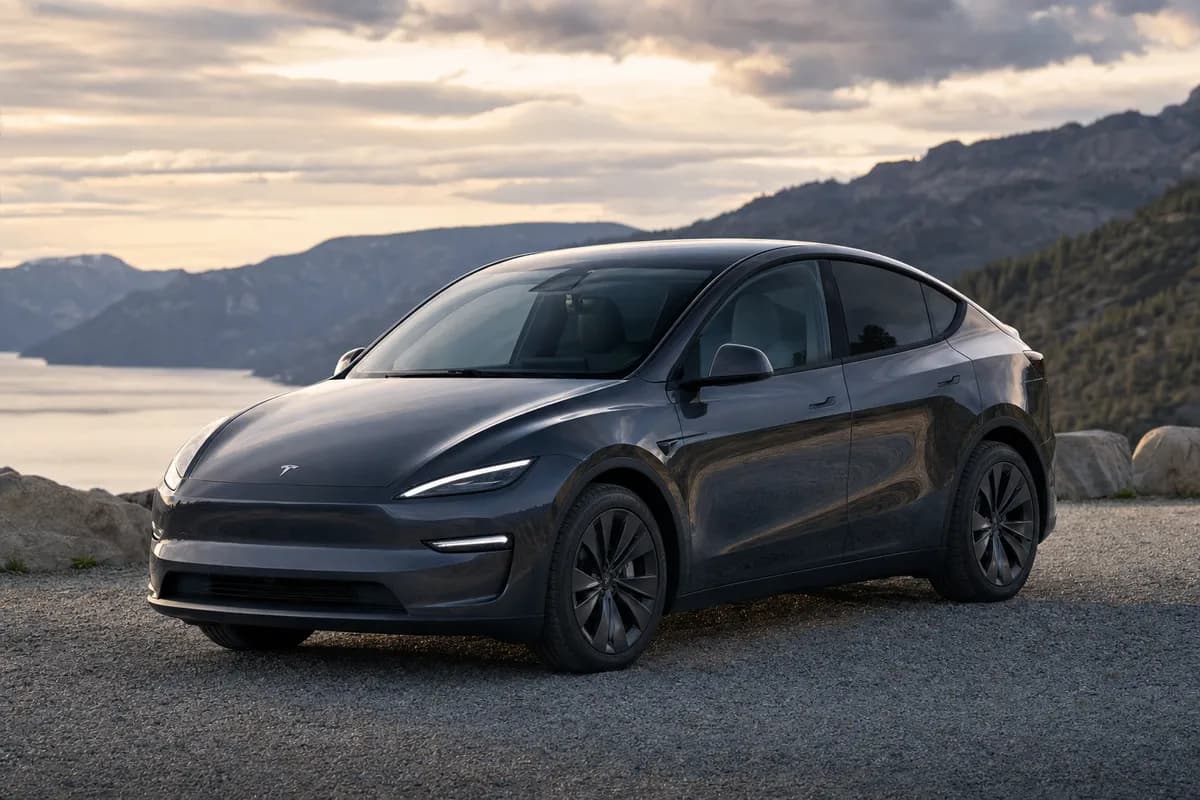
Car manufacturing trends in 2026 increasingly revolve around localization, electrification, and vertical integration. Tesla built its own battery supply chain. BYD controls battery production internally. Meanwhile, traditional automakers are scrambling to secure materials and cut costs.
Stellantis’ approach differs. Rather than fully integrating upstream mining or cell production at the same scale as Tesla or BYD, it is doubling down on downstream value recovery. That’s less flashy than a gigafactory announcement, but potentially more durable.
Historically, automakers treated end-of-life vehicles as an afterthought. Today, they are strategic assets. The International Energy Agency estimates that recycled battery materials could supply up to 10–20% of lithium and nickel demand by 2030 under aggressive recycling scenarios.
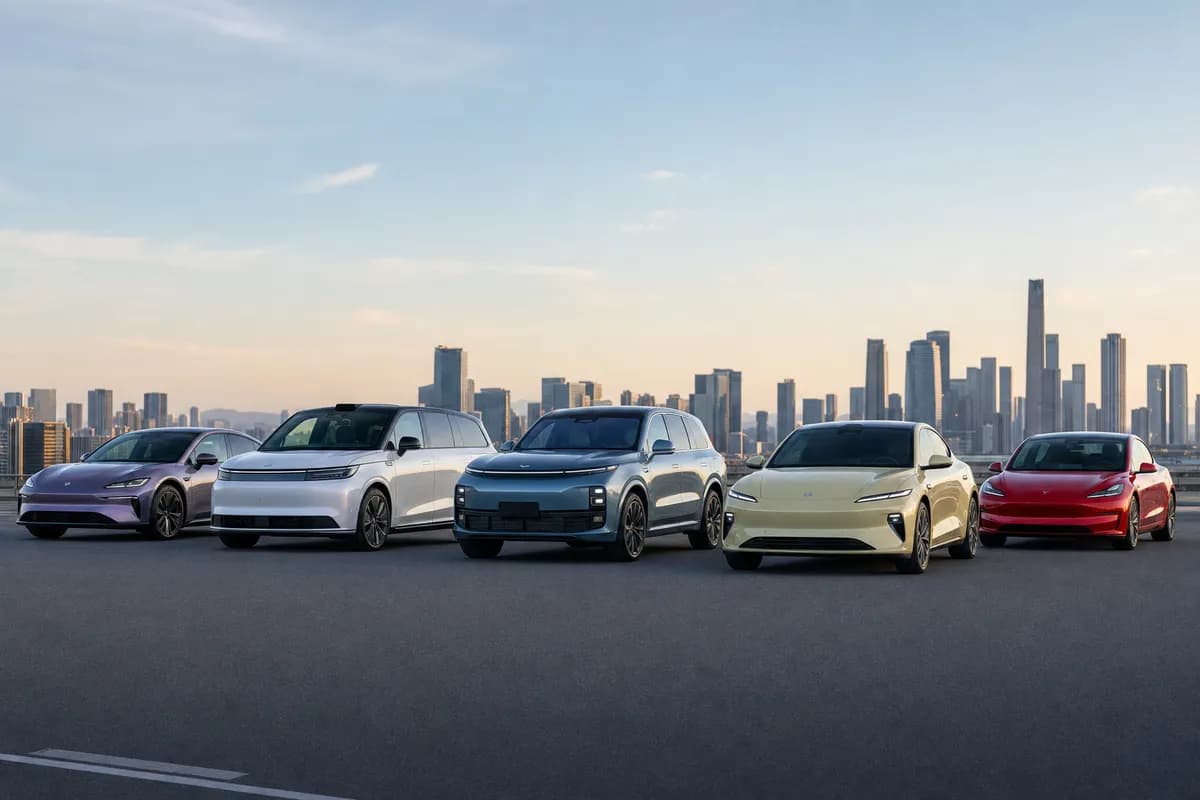
Additionally, Europe’s competitive landscape is shifting. As explored in our analysis of Chinese automakers’ growing presence in 2026, lower-cost imports are pressuring margins. Recycling offers European manufacturers a structural cost advantage without relying solely on subsidies or tariffs.
What the Competition Is Doing
Renault has already established its “Refactory” in Flins, France, focusing on refurbishing vehicles and recycling materials. BMW operates battery recycling initiatives in Germany tied to its Neue Klasse EV rollout. Meanwhile, Volkswagen Group has invested in battery recycling facilities in Salzgitter.
In contrast, Tesla emphasizes vertical integration and in-house battery production, as seen in its Texas and Nevada operations. Ford and GM in the U.S. are partnering with materials firms rather than converting entire legacy plants.
Stellantis’ move stands out because it repurposes a historic assembly plant at scale. That’s a stronger signal than pilot programs or partnerships. It suggests executives believe circular economy automotive practices will become core operations, not side projects.
The risk? If EV adoption slows or battery chemistry shifts dramatically — for example, toward sodium-ion with different recovery economics — today’s recycling investments may require costly retooling.
What It Means for You
In the short term, buyers won’t see dramatic changes on dealer lots. Peugeot, Opel, and Citroën models will continue production elsewhere. However, parts availability and pricing could gradually improve if remanufactured components scale effectively.
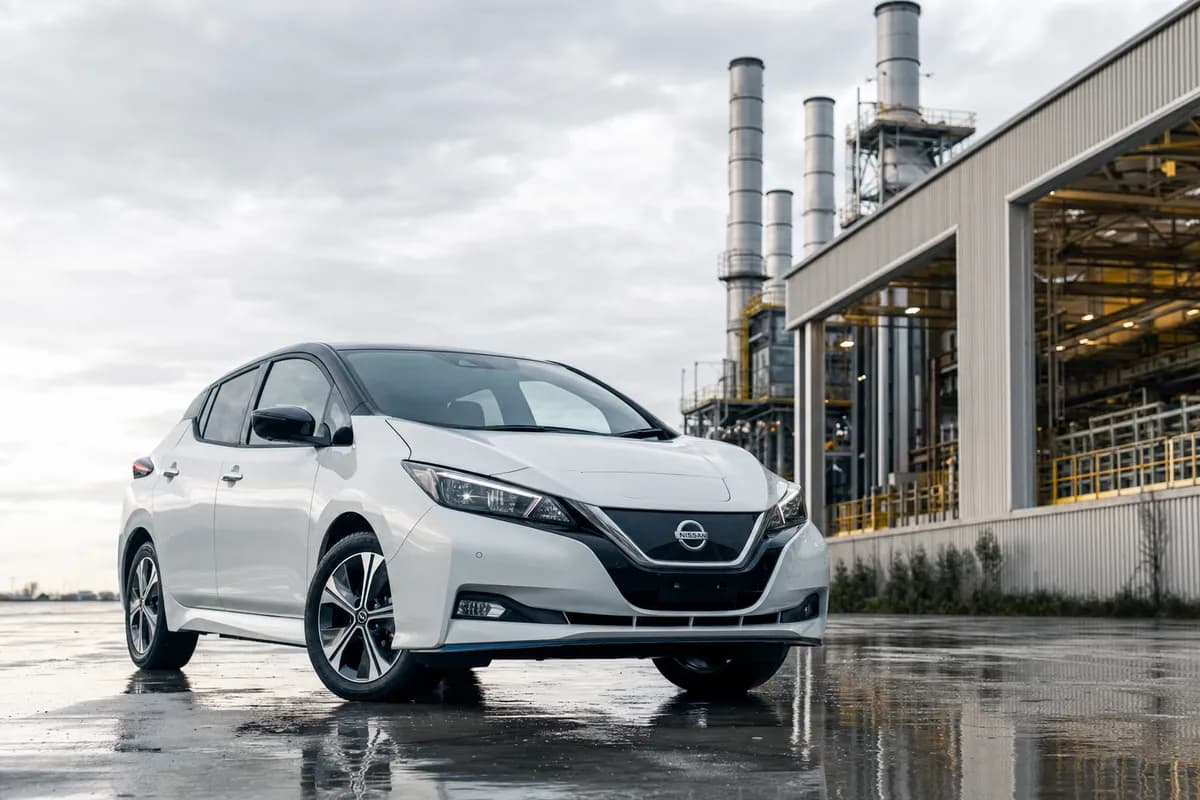
For used EV shoppers, battery refurbishment capacity matters. As we explain in our 2026 hybrid vs. EV buying guide, long-term battery durability is one of the biggest ownership questions. A robust recycling and remanufacturing ecosystem reduces risk.
Additionally, expect automakers to market sustainability more aggressively. The press release language leans heavily on carbon reduction targets. The reality is more pragmatic: this is about cost control and regulatory compliance as much as environmental stewardship.
What to Watch Next
First, watch the investment details. Stellantis has not yet disclosed precise capital expenditure figures or job impact numbers. Labor negotiations in France could influence timelines.
Second, monitor regulatory developments in Brussels. Stricter EU battery recycling mandates would validate the economics of the Stellantis Poissy plant strategy.
Finally, pay attention to margins. If Stellantis reports improved component cost structures in upcoming earnings — as detailed in future SEC or annual filings — that will confirm whether this auto recycling strategy delivers financially, not just environmentally.
The Upside
Reduces reliance on volatile raw material markets.
Aligns with tightening EU environmental regulations.
Could lower long-term parts and battery replacement costs.
Strengthens European manufacturing resilience.
The Concerns
Short-term reduction in vehicle production capacity.
Uncertain return on investment if battery tech shifts.
Potential labor disruption during transition.
Execution risk in scaling remanufacturing profitably.
Sarah's Industry Impact Rating: 8/10
This matters because it signals a structural redefinition of what an automotive factory does in the EV era.
Having covered multiple electrification cycles, I can say this feels different. The Stellantis Poissy plant isn’t just a factory conversion; it’s evidence that car manufacturing trends in 2026 are shifting from pure production scale to lifecycle control.
Over the next five years, the winners won’t just be the companies that build the most EVs. They’ll be the ones that control the entire material loop. Stellantis just placed a very public bet that the future of profitability lies not only in selling cars — but in taking them back.
Disclosure: This article may contain affiliate links. If you make a purchase through these links, we may earn a small commission at no extra cost to you. This helps support RevvedUpCars.com. Learn more.
Affiliate disclosure: some links on this page earn us a commission at no extra cost to you.
Mike Wrenchworth is the guy you call when something breaks, rattles, or makes a noise it shouldn’t. With 20 years as an ASE-certified master technician and a decade running his own independent shop in Austin, Texas, Mike has seen every automotive disaster imaginable—and fixed most of them. Now he shares his hard-won wisdom with RevvedUpCars readers, covering everything from basic maintenance to weekend restoration projects. Mike believes in doing it right the first time, buying quality tools, and never skipping the torque wrench. His garage currently houses a work-in-progress 1969 Camaro, a bulletproof Toyota Land Cruiser, and whatever his wife is driving this week. Mike’s philosophy: every car can be a great car with proper maintenance and a little mechanical sympathy.
Get the latest car reviews in your inbox
Join thousands of car enthusiasts. No spam, unsubscribe any time.



Comments
Leave a comment