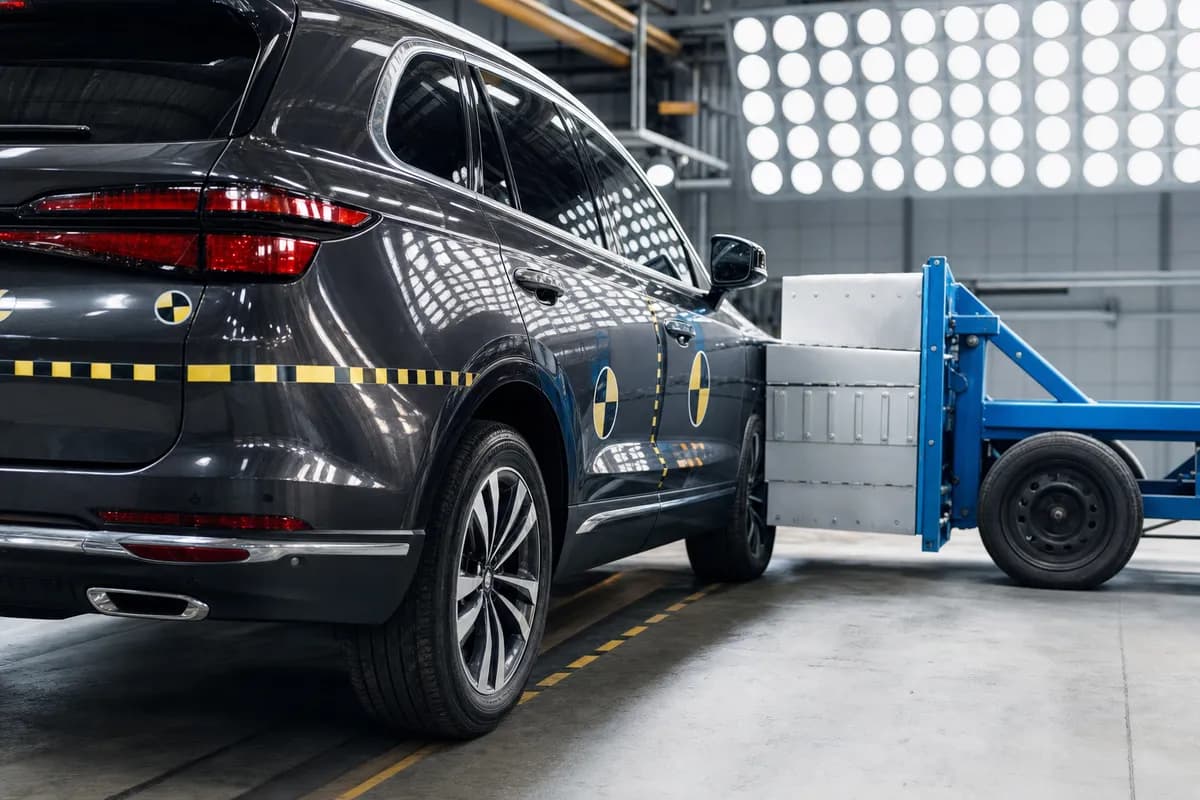
NHTSA’s latest safety push puts automakers on notice: software alone will not be enough. After years of focusing on in-cabin crash protection and driver-assistance technology, the federal safety regulator is moving more directly at the shape, stiffness, and real-world behavior…
Under the proposal, automakers would have to demonstrate that the front structures of covered vehicles meet specific head-impact performance limits. In practical terms, that means vehicles would be tested with instrumented headforms representing adult and child pedestrians. Those headforms would be launched into defined areas of the vehicle’s front end to measure injury risk.
This is not a new concept globally. Similar pedestrian-protection testing has existed for years in Europe and other markets, and automakers already engineer many global models to meet those requirements. What is different is the prospect of a binding U.S. federal motor vehicle safety standard that would apply broadly to the American market, including high-volume trucks and SUVs that are central to the profits of General Motors, Ford, Stellantis, Toyota, Hyundai, Kia, Honda, and others.
The proposal also lands alongside a broader NHTSA safety agenda. The agency has finalized a rule requiring automatic emergency braking and pedestrian automatic emergency braking on new light vehicles, with compliance required later this decade. It has also been working on updates to the New Car Assessment Program, the consumer-facing five-star safety rating system. Together, these moves show a clear federal shift: vehicles will be judged not only by how well they protect occupants, but also by how well they avoid crashes and reduce harm to people outside the cabin.
Why This Matters Now
The timing is not accidental. Pedestrian deaths in the U.S. have risen sharply over the past decade, even as vehicles have added more airbags, stronger passenger compartments, and advanced driver-assistance systems. NHTSA estimated that 40,990 people died in motor vehicle crashes in 2023. Pedestrians accounted for more than 7,000 deaths, a level that remains far above the numbers seen in the early 2010s.
Several factors are involved: speeding, impaired driving, distracted driving, larger vehicles, poor road design, and an increase in walking and cycling exposure in some cities. But vehicle design has become a more prominent part of the debate. A tall, blunt front end can strike an adult higher on the body, increasing the likelihood that the head and torso hit the vehicle rather than rolling onto a lower hood. Heavier vehicles also carry more crash energy.
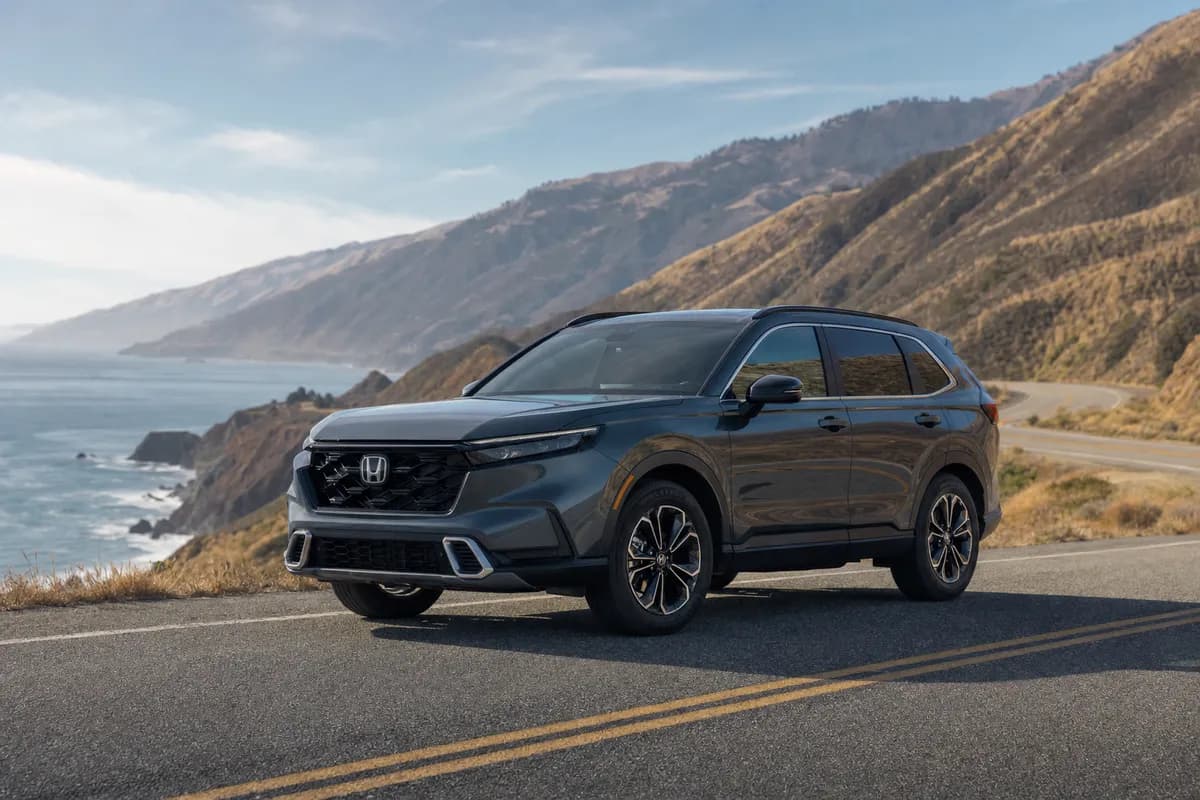
That is why this proposal matters for the U.S. market in particular. America’s best-selling vehicles are not compact sedans; they are trucks and SUVs. The Ford F-Series, Chevrolet Silverado, Ram pickup, Toyota RAV4, Honda CR-V, Tesla Model Y, and Chevrolet Equinox all sit in segments where front-end height, hood shape, and crash-avoidance capability are central design questions.
Automakers have already moved aggressively toward taller hoods, more upright grilles, and bolder front-end styling because those cues sell. Full-size pickups such as the Ford F-150, Chevrolet Silverado 1500, GMC Sierra 1500, Ram 1500, and Toyota Tundra are designed to project durability and strength. Large SUVs such as the Chevrolet Tahoe, Ford Expedition, Jeep Wagoneer, and Toyota Sequoia use similarly imposing front-end architecture.
NHTSA’s proposal does not ban large vehicles or dictate a single design. But it could force engineers and designers to reconcile styling, packaging, cooling, aerodynamics, and pedestrian injury performance in a way the U.S. market has not previously required at the federal level.
The key change is this: pedestrian safety would become a direct compliance issue, not simply a corporate responsibility goal or a feature reflected in voluntary safety ratings.
What Automakers Must Do
If the rule is finalized, automakers will need to make changes across engineering, design, testing, and product planning. Some vehicles may need only modest revisions. Others—especially models with high, rigid front structures—could require more substantial rework.
1. Redesign front-end structures for energy absorption
The core requirement will be managing head-impact energy. That means automakers must create crush space between the outer hood surface and hard components beneath it, including engine covers, strut towers, battery-related hardware, wiper mechanisms, and hood latch structures.
On gasoline and hybrid vehicles, this can be difficult because engines, radiators, intake components, and structural members compete for space under the hood. On electric vehicles, the absence of a large engine can help, but EVs introduce their own packaging constraints, including front trunks, power electronics, crash structures, and aerodynamic front profiles.
Manufacturers may respond with softer hood panels, deformable mounts, revised cowl structures, energy-absorbing grille and bumper materials, and better spacing around hard points. Some may use active hood systems that lift the rear of the hood milliseconds after a pedestrian impact is detected, creating more clearance between the hood and rigid components below. Such systems have appeared on vehicles from brands including Jaguar, Mercedes-Benz, Volvo, and others in global markets.
2. Revisit truck and SUV styling
Large pickups and SUVs will face the toughest questions. A tall hood line and upright grille can limit how much a pedestrian’s body rotates onto the hood during a crash. That can increase injury risk, particularly for children and shorter adults.
Automakers do not have to abandon truck design, but they may need to soften leading edges, lower certain hard points, reshape hood profiles, and use more forgiving materials in the impact zone. The design challenge will be especially sensitive for brands that rely on aggressive front-end styling as part of their identity, including GMC, Ram, Chevrolet, Ford, and Jeep.
There is also a business issue. Full-size pickups generate major profits, and even small design changes can affect manufacturing cost, cooling performance, towing requirements, accessory compatibility, and customer perception. A pedestrian-safety standard could therefore influence not just new models, but also mid-cycle refreshes and platform redesigns already in development.
3. Expand physical testing and simulation
Compliance will not be handled with styling changes alone. Automakers will need to validate performance through computer-aided engineering, component testing, full-vehicle assessments, and supplier certification.
That means more development work early in the design cycle. Hood hinges, latches, fenders, bumpers, wiper systems, sensors, brackets, and trim pieces may all need to be assessed for head-impact performance. Suppliers will be pulled deeper into pedestrian-protection engineering, especially those producing front-end modules, lighting assemblies, grilles, active safety sensors, and exterior trim.
Global automakers may be able to adapt European-market knowledge, but U.S.-specific models will need dedicated work. The Ford F-150, Chevrolet Silverado, Ram 1500, GMC Sierra, Chevrolet Tahoe, and Ford Expedition are not simply American versions of European vehicles. They are engineered around U.S. towing, payload, crash, and consumer demands. That makes compliance more complicated than copying a solution from a compact crossover sold in Europe.
4. Integrate crash avoidance with crash mitigation
NHTSA’s pedestrian-protection proposal should be viewed alongside the agency’s automatic emergency braking rule. The AEB requirement will force new light vehicles to detect vehicles and pedestrians and apply the brakes in defined crash-imminent situations. The final rule requires systems capable of operating at higher speeds than many early AEB systems were designed to handle, and it specifically includes pedestrian detection in both daylight and darkness.
For automakers, this creates a two-layer safety expectation. First, the vehicle should help avoid hitting a pedestrian. Second, if a crash occurs, the front end should reduce injury severity.
That combination will affect sensor placement and front-end packaging. Cameras, radar units, heated sensor covers, grille-mounted modules, and bumper structures must coexist with energy-absorbing materials and pedestrian-impact zones. Designers cannot simply add a radar unit behind a rigid badge or place sensors in areas that create new hard points without considering impact performance.
5. Prepare for compliance costs and longer development cycles
NHTSA rules typically include lead time before compliance is required, but automakers cannot wait for the final deadline. Vehicle programs are planned years in advance. A new pickup, SUV, or EV platform can take five years or more from concept to launch. Even a facelift can lock in tooling and supplier contracts well before the public sees the vehicle.
That means companies will need to start engineering for likely requirements now, especially for models scheduled to arrive late in the decade. The cost will vary by platform. Vehicles already designed for global pedestrian standards may need relatively minor updates. U.S.-only trucks and large SUVs may face higher reengineering costs.
The added expense could include new tooling, extra validation testing, revised hood and fender designs, active hood hardware, new supplier components, and expanded software integration for pedestrian detection. Consumers may eventually see some of those costs reflected in vehicle prices, though safety-related costs are often spread across high production volumes.
How Different Automakers Are Affected
The impact will not be equal across the industry. Automakers with broad global portfolios may be better positioned because they already sell vehicles in markets with pedestrian-protection regulations. Toyota, Honda, Hyundai, Kia, Volkswagen, BMW, Mercedes-Benz, and Volvo have extensive experience engineering for European pedestrian-impact rules.
That does not mean they are unaffected. Popular U.S.-market vehicles such as the Toyota Tacoma, Toyota Tundra, Hyundai Palisade, Kia Telluride, Honda Pilot, and Honda Passport may still require specific validation. But the underlying engineering culture and supplier base are already familiar with the problem.
Detroit automakers face a more difficult balance because their most profitable products are often the biggest and most upright. Ford, General Motors, and Stellantis have the engineering capability to comply, but the rule could influence the appearance and structure of future trucks and SUVs. A future F-150, Silverado, Sierra, Ram, Tahoe, Suburban, Yukon, Expedition, or Wagoneer may need to deliver the same capability with a more pedestrian-conscious front end.
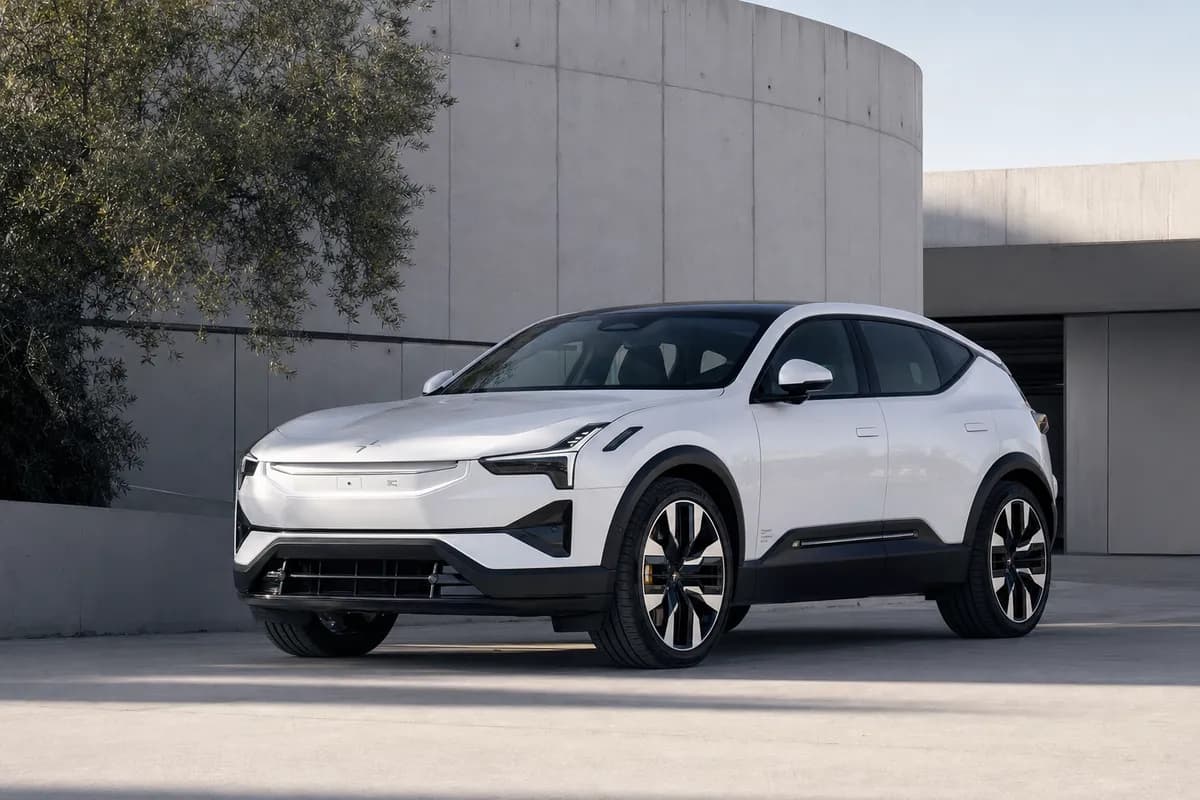
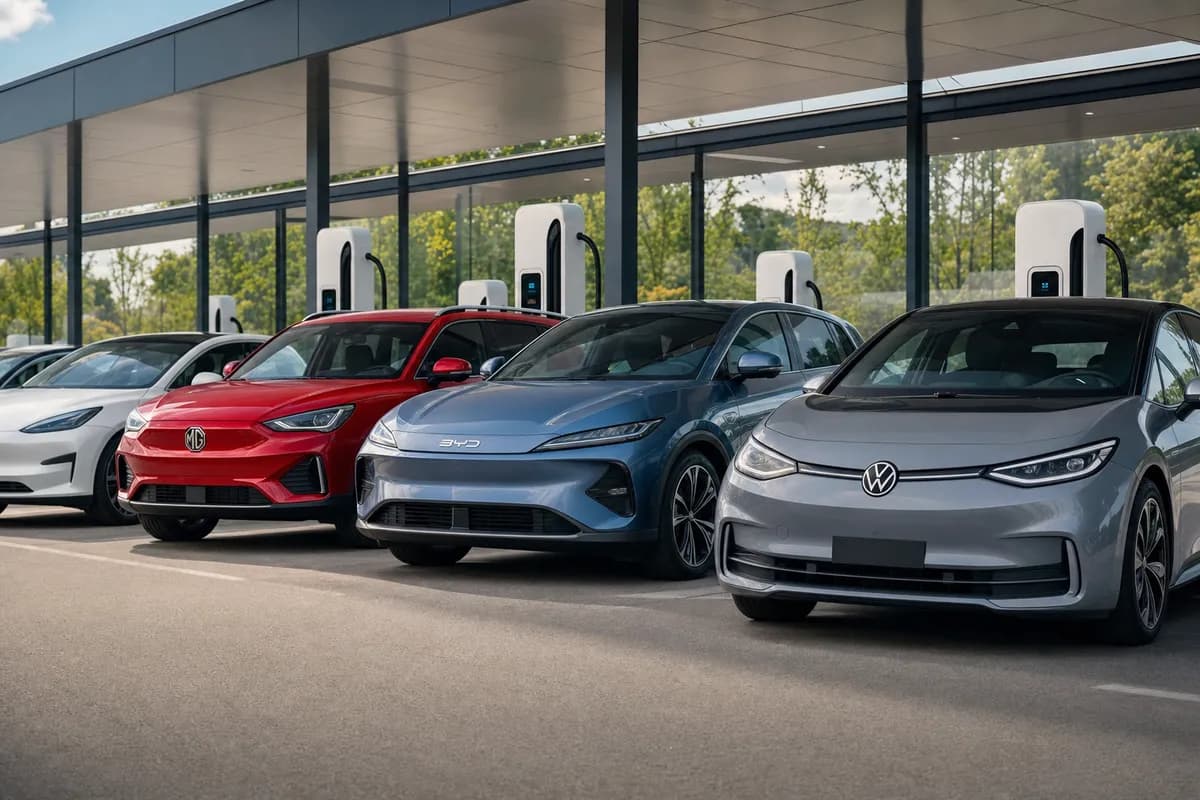
EV makers also have work to do. Tesla, Rivian, Lucid, and newer entrants are not exempt from pedestrian-impact physics. The Tesla Model Y’s lower crossover profile may be easier to manage than a full-size truck, but vehicles such as the Rivian R1T and R1S still have tall front ends and substantial mass. The Tesla Cybertruck, with its angular stainless-steel body and unusual front profile, shows how future vehicle designs can create new regulatory and testing questions even when they are fully electric.
For legacy automakers launching EV pickups and SUVs, the challenge is compounded. Electric platforms offer packaging flexibility, but they are also heavier because of large battery packs. Weight alone is not the focus of this NHTSA proposal, but heavier vehicles make crash avoidance and impact mitigation more important.
What Buyers Should Expect
For consumers, the most visible changes may be subtle. Future vehicles may have slightly lower hood edges, softer front-end shapes, more rounded corners, revised grille structures, and different hood cut lines. Some models may add active hood systems, though automakers will likely reserve those for vehicles where passive design changes are insufficient or where the cost can be justified.
Buyers should also expect pedestrian safety to become a more prominent marketing and rating issue. Today, many shoppers compare vehicles based on crash-test scores, driver-assistance features, and insurance ratings. As federal rules and consumer testing evolve, pedestrian protection may become part of the mainstream safety conversation, especially for family SUVs and urban vehicles.
That does not mean every large vehicle will become small or every truck will look the same. Capability, range, towing, payload, styling, and brand identity will still matter. But the era in which a high, blunt front end could be treated mainly as a styling choice is likely ending.
Verdict: A Necessary Shift, but a Difficult One
NHTSA’s proposed pedestrian-protection standard is a major step because it addresses a weak point in U.S. vehicle safety policy. American regulations have long emphasized protecting people inside the vehicle. That remains essential, but it is not enough in a market dominated by heavier, taller vehicles sharing crowded streets with pedestrians, cyclists, and scooter riders.
For automakers, the message is clear: future safety compliance will require a combination of crash avoidance, pedestrian detection, front-end redesign, and careful packaging. Companies that already engineer vehicles for global pedestrian standards have a head start. Manufacturers heavily dependent on large U.S.-market trucks and SUVs will face the hardest trade-offs.
The proposal will still move through the federal rulemaking process, and details could change before a final standard is issued. Automakers will argue over cost, timing, test procedures, and technical feasibility. Safety advocates will push for strong requirements and fast implementation.
But the direction of travel is not in doubt. NHTSA is signaling that the front of the vehicle matters as much as the cabin when it comes to real-world safety. For the auto industry, that means the next generation of cars, trucks, and SUVs must be designed not only to protect their occupants, but also to reduce the harm they can cause.
Affiliate disclosure: This article contains affiliate links. RevvedUpCars may earn a small commission on qualifying purchases at no extra cost to you.