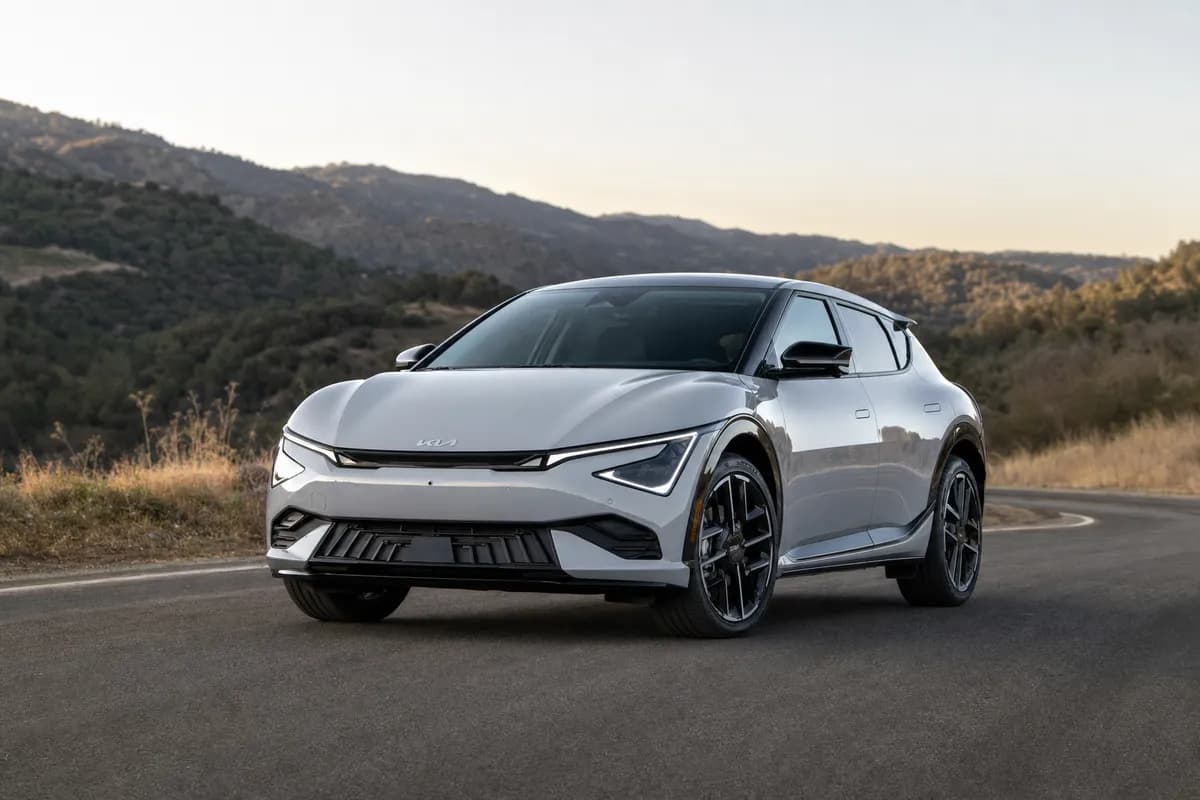
Kia’s EV6 did not make electric driving cheap overnight. What it did was more important: it pushed long-range batteries, ultra-fast charging, strong performance and genuinely desirable design into the mainstream family-crossover market.
Kia’s EV6 did not make electric driving cheap overnight. What it did was more important: it pushed long-range batteries, ultra-fast charging, strong performance and genuinely desirable design into the mainstream family-crossover market. In a segment once split between costly luxury EVs and compromised compliance cars, the EV6 has helped reset expectations for what an affordable electric vehicle can be.
A Mainstream EV That Does Not Feel Like a Compromise
The Kia EV6 arrived as one of the first models built on Hyundai Motor Group’s dedicated E-GMP electric platform, sharing its core architecture with the Hyundai Ioniq 5 and Genesis GV60. That matters because the EV6 was not adapted from a gasoline vehicle. Its flat battery pack, long wheelbase and cab-forward layout were designed from the outset for electric propulsion.
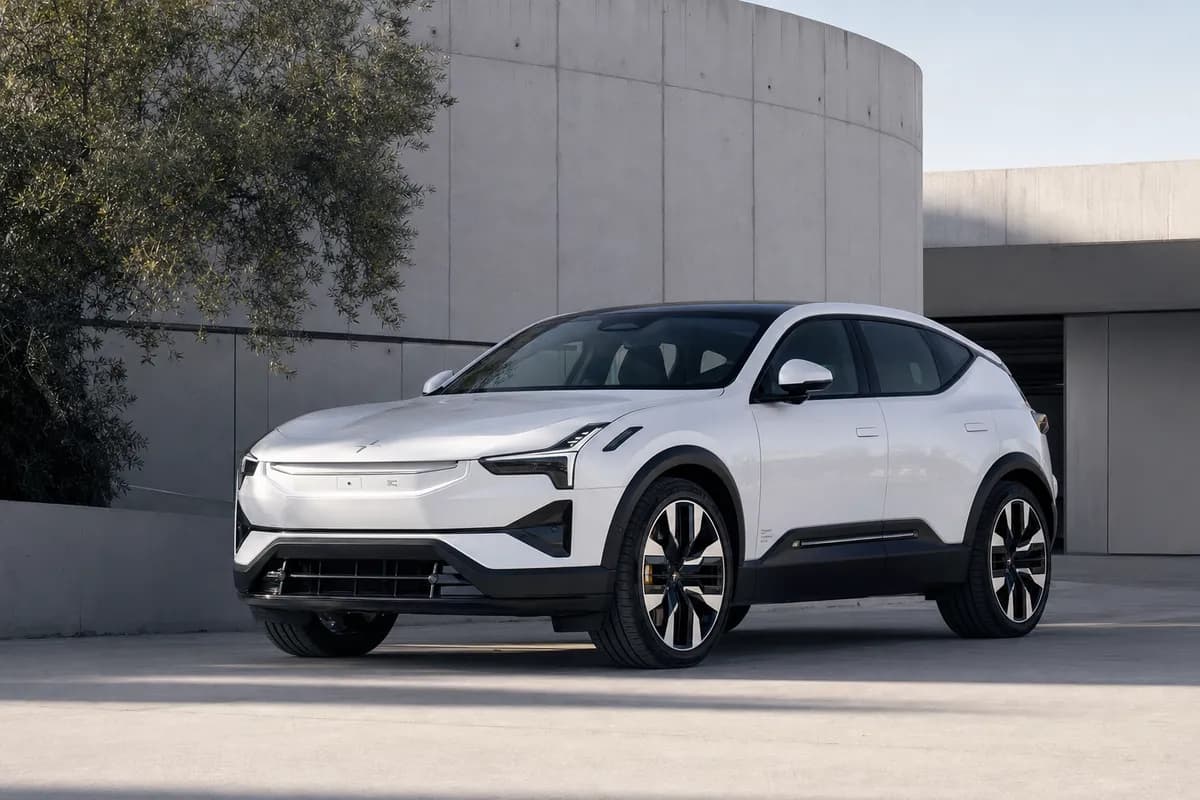
The result is a car that sits in the heart of the market but feels more advanced than its badge might suggest. In the U.S., the EV6 has typically been priced from the low-$40,000 range before incentives, with higher trims moving into the $50,000s and the high-performance EV6 GT stretching beyond that. That does not make it a budget EV in the same way as a Chevrolet Bolt EV once was, but it does place the EV6 in direct competition with volume crossovers such as the Tesla Model Y, Ford Mustang Mach-E, Volkswagen ID.4, Nissan Ariya and Hyundai Ioniq 5.
For buyers moving out of gasoline-powered compact and midsize SUVs, that positioning is crucial. The EV6 is not asking customers to accept short range, slow charging or a stripped-out cabin simply to go electric. It offers real-world usability, sharp styling and credible family-car practicality at a price point that is within reach of mainstream shoppers, especially where lease incentives, state rebates or dealer discounts are available.
The EV6’s design also plays a role in its appeal. Kia avoided the anonymous, appliance-like look that has hurt some early EVs. The EV6 is low, wide and more wagon-like than boxy, with a sloping roofline and muscular rear haunches. It is marketed as a crossover, but its driving position and proportions are closer to a sport wagon. That gives it a different identity from the taller Ioniq 5 and more familiar SUV-shaped Model Y.
Inside, the EV6 makes a strong case for affordability through perceived value. Dual 12.3-inch displays, available augmented-reality head-up display, heated and ventilated front seats on many trims, a flat floor and generous rear legroom help the car feel more expensive than its price suggests. Kia’s materials are not uniformly luxury-grade, but the cabin is modern, quiet and intelligently packaged.
Range, Charging and the Numbers That Matter
The EV6’s strongest technical argument is its 800-volt electrical architecture. Most mainstream EVs operate on 400-volt systems, which can limit DC fast-charging performance. The EV6 can use high-power 350-kW charging stations and, under ideal conditions, charge from 10% to 80% in about 18 minutes. Peak charging power is generally quoted at around 235 kW, depending on conditions and battery state of charge.
That charging speed is not just a specification-sheet win. It changes how usable the car feels on longer trips. A 20-minute stop that adds substantial range is closer to the rhythm of a food or restroom break than the extended wait many early EV owners had to plan around. Charging infrastructure quality remains uneven, particularly on non-Tesla networks, but the EV6’s hardware is among the best in its class when the charger is capable of supporting it.
Battery and range options vary by market and model year, but the key U.S. configurations have included a 58-kWh standard-range battery and a 77.4-kWh long-range pack. The most efficient long-range rear-wheel-drive versions have been rated at up to 310 miles of EPA-estimated range. All-wheel-drive versions trade some range for traction and performance, with many configurations landing in the high-200-mile range. The EV6 GT, tuned for maximum output, has a lower EPA range rating of about 206 miles.
Those figures put the EV6 in the thick of the mainstream EV pack:
- Kia EV6 Long Range RWD: up to 310 miles of EPA-estimated range, with 225 horsepower.
- Kia EV6 Long Range AWD: 320 horsepower and 446 lb-ft of torque, with range typically below the rear-drive model but still suitable for daily and regional use.
- Kia EV6 GT: 576 horsepower, 545 lb-ft of torque and a 0-60 mph time around 3.4 seconds, aimed more at performance buyers than maximum efficiency.
- Tesla Model Y Long Range: broadly similar pricing and range positioning, with the major advantage of Tesla’s charging network.
- Hyundai Ioniq 5: closely related mechanically, with similar charging capability but a roomier, more upright design.
- Ford Mustang Mach-E: strong brand appeal and multiple battery choices, though charging speed has generally trailed the EV6’s best-case performance.
The EV6 also includes vehicle-to-load capability, allowing the car to power external devices through an adapter. Kia quotes output of up to 1.9 kW in many markets, enough for camping gear, tools, laptops or emergency household essentials. It is not a full home-backup system, but it is a useful feature that makes the battery feel like more than just a propulsion source.
Efficiency is another strength. Depending on trim, the EV6 has delivered competitive miles-per-kWh performance, helped by its aerodynamic shape and relatively low stance. The trade-off is that the roofline can reduce cargo height compared with squarer rivals. The EV6 is practical, but buyers seeking maximum cargo volume may find the Ioniq 5, ID.4 or Model Y easier to load.
Why the EV6 Matters for Affordable Electric Mobility
Affordability in the EV market is not only about the sticker price. It is about whether buyers can replace a gasoline vehicle without giving up convenience, range, performance or comfort. The EV6 is important because it narrows that gap.
Early mass-market EVs often required clear compromises. Some were short-range city cars. Others were expensive luxury vehicles with technology out of reach for typical households. The EV6 sits between those eras. It is a normal family vehicle with abnormal charging speed, strong range and a warranty structure that has helped Kia win trust among value-focused buyers.
Kia’s warranty coverage has long been part of its value proposition. In the U.S., the brand’s 10-year/100,000-mile limited powertrain warranty and EV battery coverage have helped reassure buyers who may be new to electric ownership. Battery degradation remains a concern for many consumers, even as real-world EV data has shown modern packs to be more durable than early skeptics expected. A long warranty does not eliminate uncertainty, but it reduces perceived risk.
The EV6 also shows how quickly Kia has changed its market position. A decade ago, Kia was known primarily for affordable gasoline cars and long warranties. With the EV6, the company moved into a more technically demanding space and produced a vehicle that could credibly challenge Tesla, Ford and Volkswagen on product fundamentals rather than simply undercutting them on price.
That shift matters for the broader market. The more automakers can build appealing EVs at mainstream prices, the less electric adoption depends on early adopters or luxury buyers. The EV6 helped prove that an established mass-market brand could deliver an EV with design appeal, fast charging and performance without asking customers to enter premium-brand pricing.
There is also a supply-chain and policy dimension. Because U.S.-market EV6 models have been built in South Korea, the vehicle has not consistently qualified for the full federal clean vehicle purchase tax credit under rules tied to North American assembly and battery sourcing. That has hurt its value equation against competitors that qualify at the point of sale. However, leasing has often provided a workaround because commercial clean vehicle credit rules are different, allowing automakers and finance companies to pass along savings through lease offers.
That distinction is important for shoppers. A similarly priced EV can become thousands of dollars more or less expensive depending on tax-credit eligibility, lease structure, state incentives and dealer pricing. The EV6’s affordability is therefore not fixed; it depends heavily on how it is purchased and where the buyer lives.
The EV6 Is Not Perfect, and That Is Part of the Story
The EV6’s strengths are clear, but its limitations are equally relevant. This is not the cheapest EV on the market, and buyers focused solely on entry price may find better deals elsewhere. Used EV prices have also changed the equation, with pre-owned Tesla Model 3s, Model Ys, Chevrolet Bolts and even early EV6 models becoming more accessible as depreciation works through the market.
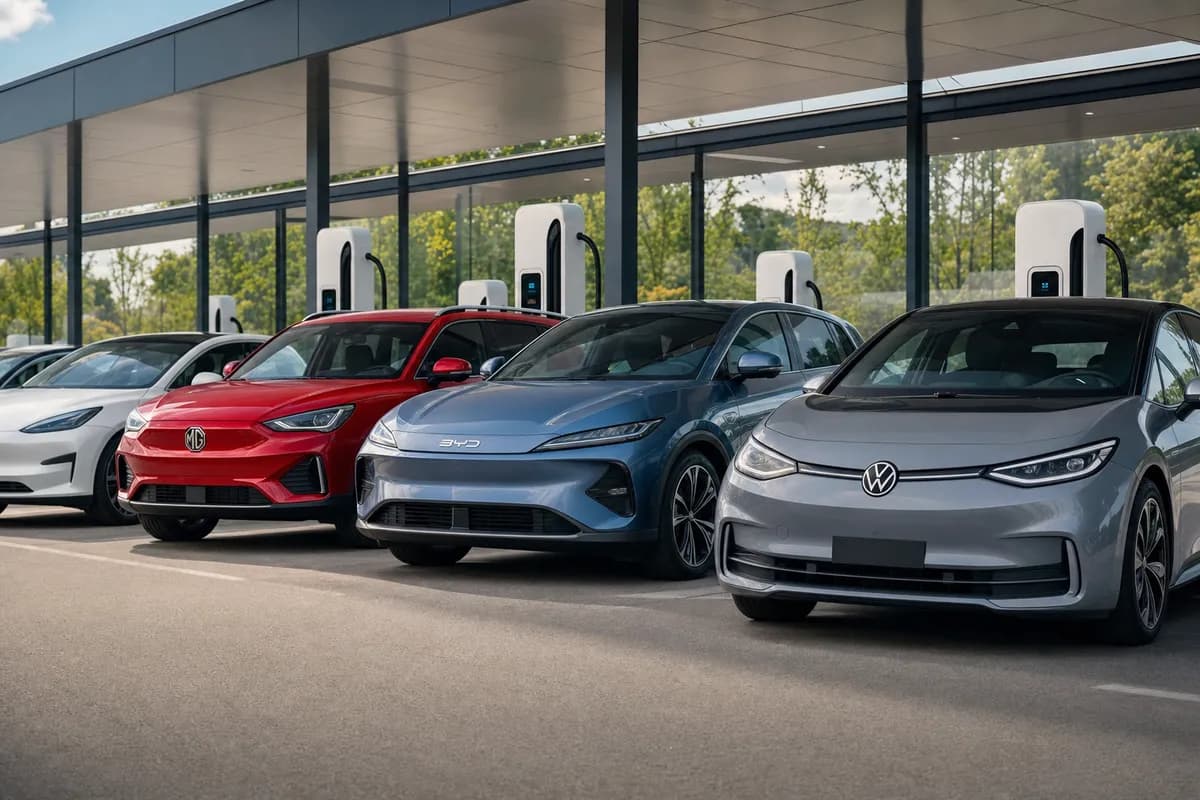
Charging access is another practical concern. The EV6’s 800-volt hardware is excellent, but it depends on reliable high-power chargers. In regions with strong Electrify America, EVgo, ChargePoint or other fast-charging coverage, the EV6 can be a confident road-trip car. In areas where stations are sparse, broken or crowded, Tesla’s Supercharger network remains a competitive advantage for Model Y buyers.
The industry is moving toward the North American Charging Standard, now standardized as SAE J3400, and Kia has announced plans to adopt the connector on future models. Access to portions of Tesla’s Supercharger network is expected to improve the ownership experience for Kia EV drivers over time, but adapters, software compatibility and charger availability will determine how smooth that transition feels in practice.
The EV6’s packaging also invites debate. Its rear seat is roomy, and the long wheelbase gives passengers generous legroom. But the sloped roof and raised cargo floor limit utility compared with more traditional SUV shapes. The front trunk is small, particularly on all-wheel-drive models. For buyers who want maximum practicality, the EV6 may not be the most spacious choice in the segment.
Some controls also require acclimation. Kia’s shared touch panel for climate and audio functions is clever but not universally loved, because the same physical knobs can control temperature or volume depending on mode. The infotainment system is generally responsive, but it does not have the same software-first feel as Tesla’s interface. Unlike some rivals, wireless Apple CarPlay and Android Auto availability has also depended on system generation and market, which may disappoint buyers expecting a fully cable-free experience.
Then there is the EV6 GT. It is a remarkable demonstration of what Kia can now build: 576 horsepower, all-wheel drive and acceleration that rivals serious performance cars. But it is not the version that best supports the affordable-mobility argument. Its range is lower, its price is higher and its focus is enthusiast performance rather than value. The core EV6 story is better told by the long-range rear-wheel-drive and all-wheel-drive trims, which combine usable range, strong equipment and fast charging without pushing deep into luxury pricing.
The EV6’s real breakthrough is not that it is inexpensive. It is that it makes advanced EV technology feel normal at a mainstream price.
Verdict: A Benchmark for the Next Wave of Mainstream EVs
The Kia EV6 is not the answer to every affordability challenge facing electric vehicles. Battery costs remain high, public charging still needs major improvement, and tax-credit rules can make the buying process confusing. A low-$40,000 starting price is still beyond the reach of many households looking for basic transportation.
But judged against the market it competes in, the EV6 remains one of the most significant mainstream EVs of its generation. It brings together long-range capability, 800-volt fast charging, distinctive design, strong safety and convenience features, and credible performance in a package sold by a mass-market brand. That combination is what makes it important.
For shoppers, the strongest EV6 trims are the long-range models. The rear-wheel-drive version offers the best efficiency and range, while the all-wheel-drive version adds traction and noticeably stronger acceleration. The GT is a halo model, impressive but less aligned with the car’s affordability mission. Buyers should compare transaction prices carefully, especially against the Tesla Model Y, Hyundai Ioniq 5 and Ford Mustang Mach-E, and should factor in charging access as heavily as range or horsepower.
For the industry, the EV6 has already done its job. It proved that Kia could build a competitive dedicated EV and that mainstream buyers did not have to choose between value and advanced technology. It also raised pressure on rivals to improve charging speed, cabin quality and equipment levels at similar prices.
Affordable electric mobility will not be defined by one car. It will require smaller, cheaper EVs, better charging networks, local battery production and simpler incentives. Still, the EV6 represents a major step toward that future. It shows that an EV can be desirable, practical and technologically advanced without wearing a luxury badge. That is why Kia’s breakthrough matters, and why the EV6 remains a benchmark in the mainstream electric era.
Affiliate disclosure: This article contains affiliate links. RevvedUpCars may earn a small commission on qualifying purchases at no extra cost to you.