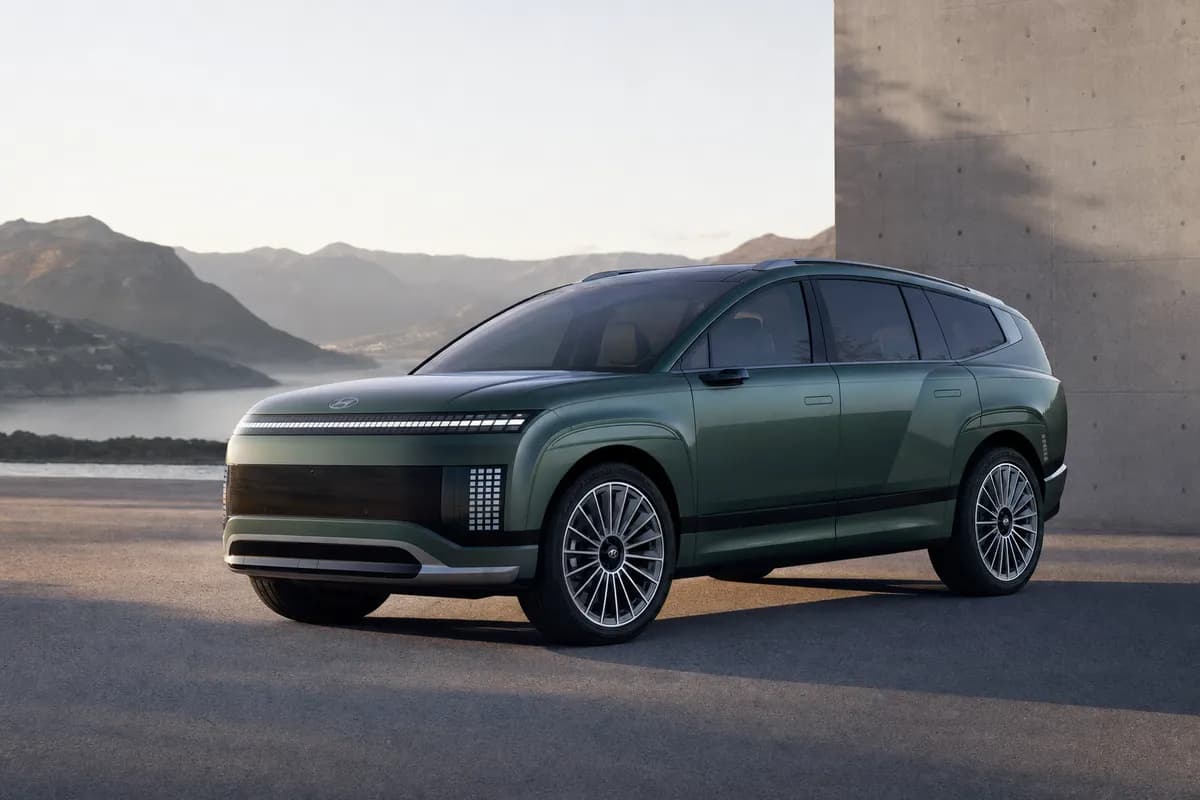
Hyundai’s push into electric vehicles is moving into its most important mainstream battleground yet: the large family SUV. With the IONIQ 7, Hyundai is preparing to stretch its electric ambitions beyond sleek sedans and compact crossovers into a three-row segment dominated by…
Hyundai’s push into electric vehicles is moving into its most important mainstream battleground yet: the large family SUV. With the IONIQ 7, Hyundai is preparing to stretch its electric ambitions beyond sleek sedans and compact crossovers into a three-row segment dominated by combustion-powered stalwarts. The move is not just about adding another EV to the showroom. It is about proving that a battery-electric SUV can handle school runs, road trips, towing duties, and family practicality without asking buyers to accept major compromises.
Hyundai’s Biggest EV Yet Targets the Family SUV Core
The IONIQ 7 represents a significant step up from the IONIQ 5 and IONIQ 6, both of which helped establish Hyundai as one of the more credible mainstream EV players. The IONIQ 5 brought sharp retro-futurist design, ultra-fast charging, and a spacious cabin to the compact crossover class. The IONIQ 6 pushed efficiency, with EPA range ratings of up to 361 miles in rear-wheel-drive Long Range form. The IONIQ 7 is aimed at a different customer: families that need three rows, flexible cargo space, and the road presence of a large SUV.
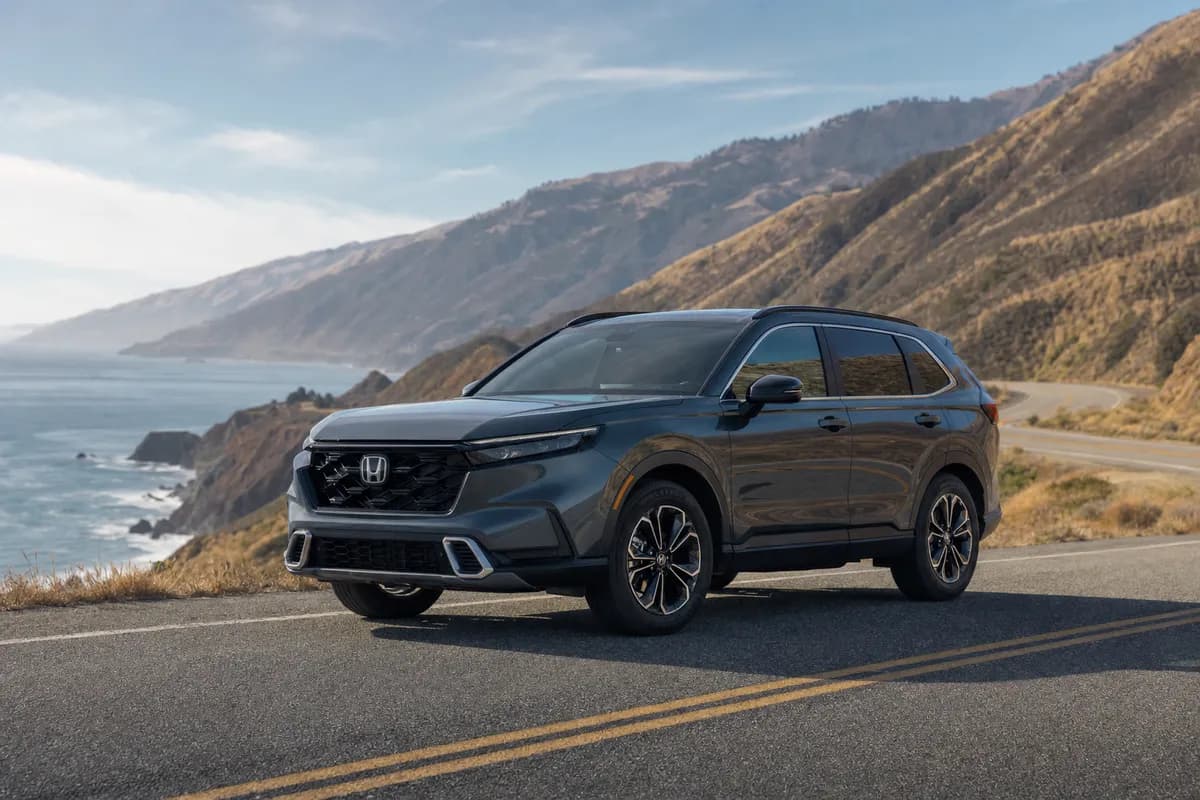
That makes the stakes higher. In the United States, three-row SUVs remain one of the industry’s most profitable and loyalty-driven segments. Vehicles such as the Hyundai Palisade, Kia Telluride, Toyota Grand Highlander, Honda Pilot, Ford Explorer, and Chevrolet Traverse are not niche products. They are household transport, vacation vehicles, and the default choice for buyers who want minivan utility without minivan styling.
Hyundai already knows this audience well. The Palisade has become one of the brand’s strongest image-building products, giving Hyundai a legitimate premium feel in a mainstream package. The IONIQ 7 is expected to play a similar role for the electric era: larger, more expensive, and more technologically advanced than Hyundai’s existing EVs, but still positioned below luxury-brand alternatives.
The model also arrives as the market for electric SUVs is becoming more serious. Early EV demand was built around sedans, hatchbacks, and smaller crossovers. The next phase is about larger vehicles, where packaging, charging speed, battery cost, and efficiency become harder to balance. A three-row EV needs a big battery to deliver competitive range, but that adds cost and weight. Hyundai’s challenge is to make the IONIQ 7 feel useful and attainable, not like a technology showcase priced out of reach for family buyers.
Built on E-GMP, With Lessons from IONIQ 5, IONIQ 6, and Kia EV9
The IONIQ 7 is expected to use Hyundai Motor Group’s E-GMP electric vehicle architecture, the same core platform that underpins the Hyundai IONIQ 5, Hyundai IONIQ 6, Genesis GV60, Kia EV6, and Kia EV9. That matters because E-GMP is one of the strongest technical foundations in the mainstream EV market, particularly for charging performance.
The platform supports an 800-volt electrical architecture, allowing compatible models to charge at very high speeds when connected to a powerful DC fast charger. Hyundai has promoted 10-to-80 percent charging times of around 18 minutes for some E-GMP models under ideal conditions. For the larger three-row SUV application, Hyundai’s earlier Seven concept pointed to a target of more than 300 miles of driving range and DC fast charging from 10 to 80 percent in about 20 minutes.
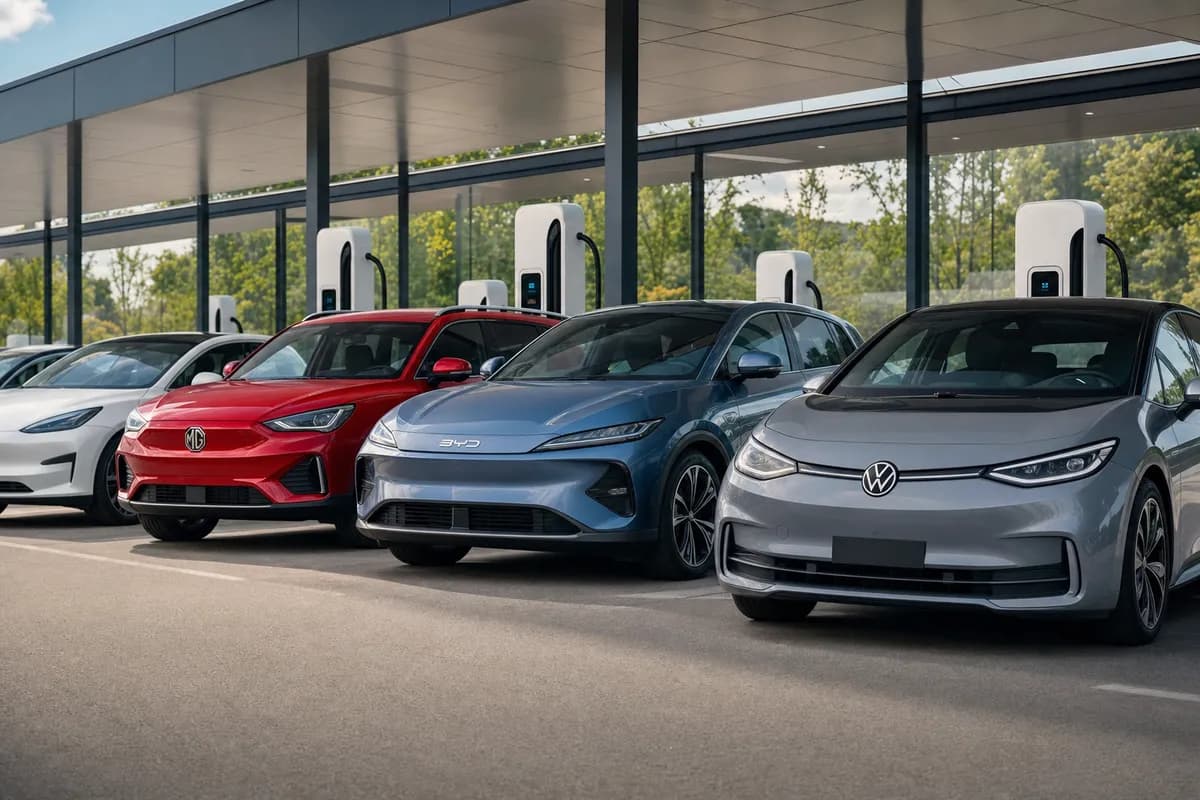
Those figures are important, but they need context. Real-world charging depends on battery temperature, charger output, state of charge, and the vehicle’s charging curve. A 350-kW charger does not guarantee that the vehicle will charge at 350 kW for long, and winter conditions can slow charging if the battery is not preconditioned. Still, Hyundai’s 800-volt strategy gives the IONIQ 7 an advantage over many EVs built on lower-voltage systems, particularly for road-trip use.
The closest preview of the IONIQ 7’s likely hardware is the Kia EV9. The EV9, also built on E-GMP, is already on sale as a three-row electric SUV and gives a practical benchmark for what Hyundai can deliver. In the U.S., the EV9 has offered battery options including a 76.1-kWh pack in entry versions and a 99.8-kWh pack in longer-range models. EPA range ratings vary by trim and drivetrain, with rear-wheel-drive long-range versions reaching up to 304 miles and all-wheel-drive versions generally rated lower because of added weight and power demand.
Hyundai will likely tune the IONIQ 7 differently from the EV9, just as the IONIQ 5 and Kia EV6 share engineering DNA but feel distinct in design and character. Expect the IONIQ 7 to emphasize a calmer, more lounge-like cabin, Hyundai’s latest driver-assistance systems, and a design language closer to the Seven concept than to the upright, squared-off Kia EV9.
Powertrain choices are expected to follow the now-familiar E-GMP pattern: rear-wheel drive for range-focused versions and dual-motor all-wheel drive for buyers who want stronger acceleration and all-weather confidence. The Kia EV9 offers outputs ranging from around 215 horsepower in some rear-drive configurations to 379 horsepower in dual-motor form. A Hyundai equivalent would give the IONIQ 7 enough performance to compete with large gasoline SUVs while avoiding the excesses of high-performance luxury EVs.
Design and Interior Packaging Are the Real Test
Hyundai previewed its large electric SUV direction with the Seven concept, a vehicle that leaned heavily into lounge-style interior design, a long wheelbase, and a clean, minimalist exterior. Concept cars always exaggerate, and the production IONIQ 7 will need conventional safety structures, practical doors, real seats, and customer-ready controls. But the concept’s priorities were clear: maximize cabin space and use the flat EV floor to rethink how a large SUV can feel inside.
A long wheelbase is central to that promise. Hyundai’s Seven concept featured a 3,200-mm wheelbase, which is longer than many conventional three-row SUVs and close to what is possible when the wheels are pushed toward the corners of an EV platform. The result should be generous legroom, easier access to the third row, and a more open cabin feel than in a gasoline SUV that must package an engine, transmission tunnel, exhaust system, and fuel tank.
For family buyers, however, clever design only matters if the basics are right. The IONIQ 7 needs usable third-row seating, not occasional jump seats. It needs meaningful cargo space behind the third row, easy child-seat access, durable materials, and enough physical controls to avoid turning every simple task into a touchscreen interaction. Hyundai has improved its cabin quality significantly over the past decade, and the Palisade has shown that the brand can deliver near-premium materials in a mainstream vehicle. The IONIQ 7 should build on that reputation.
The interior will also be a major sustainability showcase. Hyundai has already used recycled plastics, bio-based materials, and eco-processed leather alternatives across parts of the IONIQ lineup. The Seven concept emphasized sustainable cabin materials, and the production SUV is expected to continue that direction. The important point is execution. Sustainable materials must feel durable, cleanable, and premium enough for a vehicle likely to sit near the top of Hyundai’s pricing ladder.
Exterior design will also matter more than usual. Large electric SUVs have a difficult job: they must look substantial without becoming visually heavy, and they must manage aerodynamic drag despite their size. The IONIQ 6 proved Hyundai can prioritize aero efficiency when it chooses, but a three-row SUV cannot be shaped like a streamliner. Expect active grille shutters, a carefully managed roofline, flush details, and the brand’s signature pixel-style lighting to help link the IONIQ 7 to Hyundai’s broader EV identity.
Where the IONIQ 7 Fits Against EV and Gas-SUV Rivals
The IONIQ 7 will enter a market that is still forming. On the electric side, its most direct mainstream rival is the Kia EV9. Because Hyundai and Kia sit under the same corporate umbrella, the two vehicles will likely share key engineering, but they will not be identical in positioning. Kia has leaned into a rugged, upright, almost concept-truck look with the EV9. Hyundai is likely to take a smoother, more tech-forward approach with the IONIQ 7.
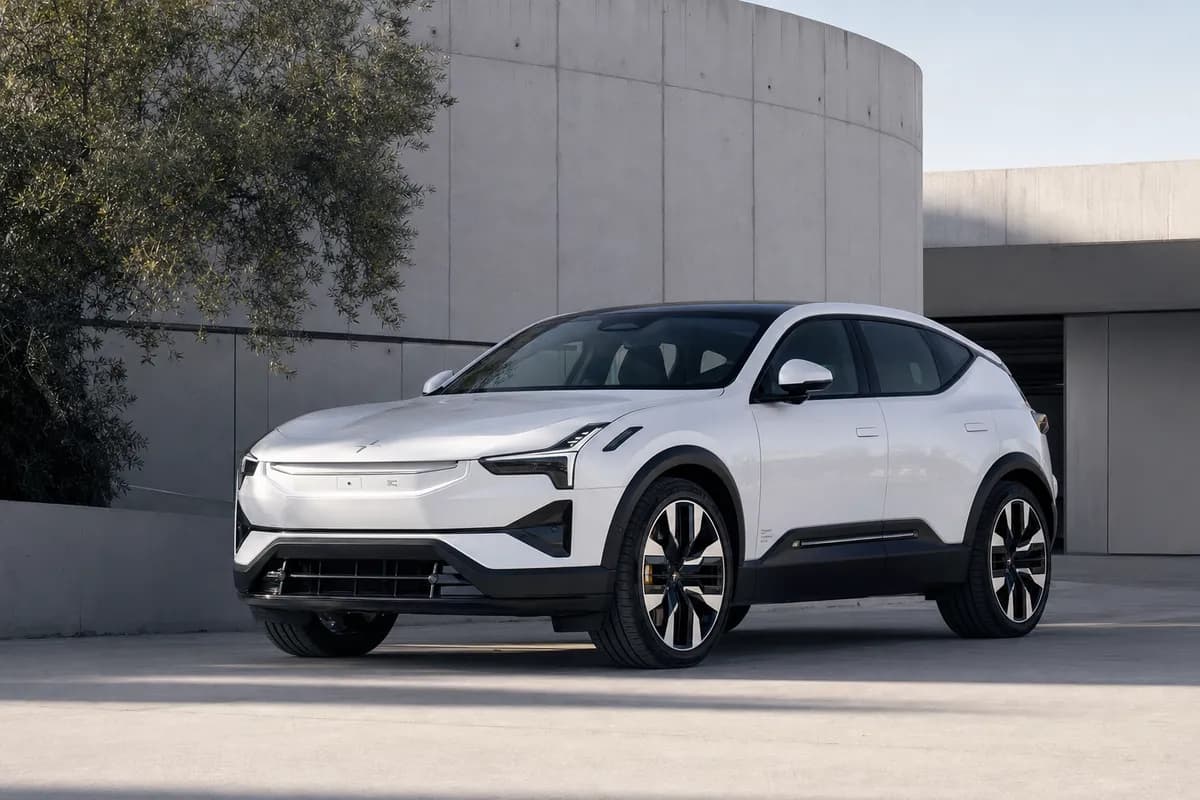
Beyond the EV9, the competitive set gets expensive quickly. The Rivian R1S offers serious off-road capability, strong performance, and a large battery, but it typically plays in a higher price band. The Tesla Model X remains fast and efficient, but its pricing, design choices, and aging interior concept make it a less direct match for mainstream family SUV buyers. The Mercedes-Benz EQS SUV and upcoming luxury three-row EVs aim higher still, while the Volvo EX90 brings a safety-first premium alternative with Scandinavian design and advanced driver-assistance hardware.
That leaves Hyundai with an opening. If the IONIQ 7 can deliver credible three-row space, around 300 miles of range, fast charging, and a price closer to upper-mainstream SUVs than luxury EVs, it could become one of the more important family-focused electric vehicles on the market.
The gasoline comparison may be even more important. Buyers shopping a Palisade, Telluride, Grand Highlander, Pilot, or Explorer are often practical and value-driven. Many are not looking for an EV as a statement; they are looking for a vehicle that fits their life. To win them over, the IONIQ 7 must answer basic ownership questions clearly:
- Range: A large family SUV needs enough range for commuting and weekend trips, with minimal anxiety when loaded with passengers and luggage.
- Charging: Fast DC charging is essential, but home charging access will be the biggest convenience factor for many owners.
- Price: Battery size makes large EVs expensive, so Hyundai must keep the IONIQ 7 competitive with both EV rivals and high-trim gas SUVs.
- Utility: The third row, cargo area, roof-rack capacity, and towing capability must meet real family needs.
- Efficiency: A big EV still needs to be efficient enough to keep running costs attractive and charging stops reasonable.
Towing is another key area to watch. Large SUV buyers often expect to tow small trailers, boats, or campers. The Kia EV9 has been rated to tow up to 5,000 pounds in properly equipped versions, and a similar figure for the IONIQ 7 would make sense. But towing with an EV can sharply reduce range, sometimes by 30 percent to 50 percent depending on speed, trailer shape, terrain, and weather. Hyundai will need to be transparent about those trade-offs rather than relying on headline tow ratings alone.
Federal incentives and production location will also affect the IONIQ 7’s competitiveness. Hyundai Motor Group has been investing heavily in U.S. EV and battery manufacturing, including its large Georgia electric vehicle site. Eligibility for U.S. federal EV tax credits has depended on assembly location, battery sourcing, and other requirements that have shifted under recent policy rules. For a family SUV where monthly payment matters, incentive eligibility could significantly influence demand.
Verdict: A Critical SUV for Hyundai’s Electric Future
The IONIQ 7 is more than a larger IONIQ. It is Hyundai’s attempt to move its EV strategy into one of the most demanding and commercially important vehicle classes. The brand has already shown that it can build compelling electric cars with the IONIQ 5 and IONIQ 6. Now it must prove that its EV strengths scale up to a large, three-row SUV without losing efficiency, value, or usability.
The technical pieces are promising. E-GMP gives Hyundai a strong foundation, especially with 800-volt charging capability. The Kia EV9 demonstrates that Hyundai Motor Group can package a usable three-row EV with competitive range and real family practicality. Hyundai’s own design and interior execution have improved enough that the IONIQ 7 should be taken seriously by buyers who might once have ignored the brand at this price level.
The risks are equally clear. Large batteries are expensive. Large SUVs are heavy. Real-world range can fall quickly with highway speeds, cold weather, full passenger loads, or towing. Charging infrastructure remains uneven, particularly for long-distance family travel outside major corridors. And buyers cross-shopping gasoline SUVs will expect the IONIQ 7 to justify any price premium with lower running costs, better technology, and a smoother ownership experience.
Hyundai does not need the IONIQ 7 to be the flashiest electric SUV. It needs it to be convincing. If the production model delivers around 300 miles of range, fast and reliable charging, a genuinely useful three-row cabin, and pricing that stays within reach of high-end mainstream SUV shoppers, it could become a defining vehicle for Hyundai’s next phase of electrification.
The bottom line: The IONIQ 7 is Hyundai’s boldest electric SUV move yet because it targets the family vehicle mainstream, not just early adopters. Its success will depend less on spectacle and more on whether it can make electric three-row ownership feel normal, practical, and worth the switch.
Affiliate disclosure: This article contains affiliate links. RevvedUpCars may earn a small commission on qualifying purchases at no extra cost to you.