GM is moving into grid-scale storage while reports hint at a possible LFP rethink, and that could shift 2027 EV prices and range across brands.
GM’s latest battery moves suggest 2027 could be a pivot year for its EV lineup. The company is expanding into grid-scale storage just as reports point to a possible rethink of low-cost LFP cells for vehicles. That combination could shape the price, range, and sourcing strategy of future Chevrolet, GMC, Cadillac, and BrightDrop EVs.
GM’s June 2026 battery push is bigger than cars
The headline in GM EV battery news June 2026 is not just about vehicles. GM said it will expand its energy-storage business, using battery technology and manufacturing know-how developed for Ultium-based EVs to serve stationary storage markets as well. That matters because grid batteries compete for the same factories, materials, and engineering attention as vehicle packs.
For GM, the logic is straightforward. Energy storage can smooth demand for cells, create a second revenue stream, and help justify U.S. battery production at larger scale. It also gives the automaker a hedge if EV demand remains uneven in some segments through 2026 and 2027.
The key question is what this means for consumers. If GM can spread development and manufacturing costs across both EVs and stationary systems, that could support lower battery costs over time. But if stationary storage gets priority for certain chemistries or cell formats, some vehicle programs could face delays or revised specs.
This is why GM energy storage batteries 2026 is more than a side story. It sits directly alongside GM’s next chemistry choices for mainstream EVs, especially if the company is reassessing earlier plans to lean more heavily on lithium iron phosphate.
Why GM may be rethinking LFP for future EVs
GM had previously pointed to LFP as an important cost-reduction tool for more affordable electric models. The appeal of LFP is clear: lower material costs, less reliance on nickel and cobalt, and strong durability. In plain terms, it is the chemistry many automakers see as the fastest path to cheaper EVs.
But LFP also has tradeoffs. It generally delivers lower energy density than nickel-rich chemistries, which means more weight or a larger pack is often needed to reach the same range. For trucks, large SUVs, and premium models, that can complicate packaging, towing, payload, and performance targets.
Reports that GM may be reconsidering parts of its GM LFP battery plans do not necessarily mean LFP is dead inside the company. More likely, GM is deciding where LFP makes sense and where it does not. That is a very different calculation.
- Best fit for LFP: lower-cost crossovers, compact SUVs, delivery vans, and entry trims where price matters more than maximum range.
- Less ideal for LFP: full-size pickups, large three-row SUVs, and luxury EVs that need long range, strong charging performance, and lower pack mass.
- Likely middle ground: GM keeps multiple chemistries in play rather than betting too heavily on one solution.
That multi-chemistry approach already fits the broader Ultium battery strategy. GM has spent years building a flexible platform story around pouch cells, scalable pack sizes, and architecture that can support very different vehicles. The next phase may be less about one universal battery and more about assigning the right chemistry to the right product.
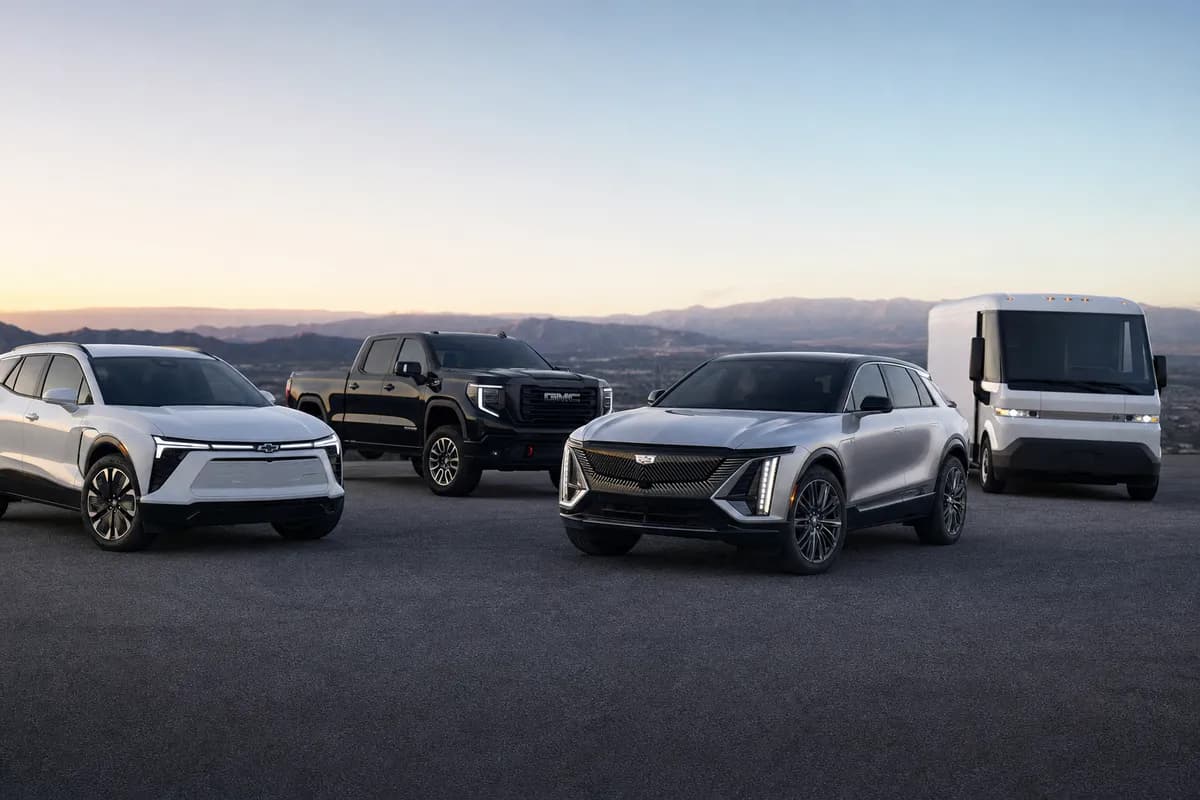
What this could mean for 2027 Chevrolet, GMC, Cadillac, and BrightDrop EVs
The practical issue for buyers is simple: which brands get cheaper batteries, and which keep premium chemistries? If GM steps back from a broad LFP rollout, the impact on 2027 Chevrolet EV prices could be meaningful. Chevrolet is GM’s volume EV brand, and it has the most to gain from lower-cost cells.
The Chevrolet Equinox EV and Blazer EV are the clearest examples. These are the models that need to stay sharp on price against Tesla, Hyundai, Kia, Ford, and a growing list of lower-cost rivals. If GM cannot deploy LFP or another lower-cost chemistry at scale, sticker prices may stay higher than hoped, or lower-priced trims may arrive with smaller packs and tighter margins.
GMC is in a different position. Hummer EV and Sierra EV buyers are less price-sensitive, and those vehicles benefit more from high-energy chemistries that support big packs and strong performance. In that case, a reduced LFP role would not be a major problem for the brand, though battery costs would still matter for profitability.
Cadillac also has less immediate need for LFP. Lyriq, Optiq, Vistiq, and Escalade IQ compete in segments where range, refinement, and charging performance often matter more than absolute entry price. Cadillac can justify nickel-rich packs more easily, especially if it wants to preserve premium positioning.
BrightDrop sits somewhere between fleet logic and commercial reality. Delivery operators care intensely about cost per mile, durability, and uptime. That would normally make LFP attractive, but commercial vans also need dependable range under varying payload and climate conditions, so GM may still be balancing chemistry choices carefully here.
- Chevrolet: most exposed to any delay in low-cost battery rollout.
- GMC: likely to stay focused on higher-capacity, premium-priced packs.
- Cadillac: less pressure to use LFP, more focus on range and performance.
- BrightDrop: could benefit from low-cost chemistry, but fleet duty cycles complicate the choice.
Price, range, and competitiveness: the 2027 scenarios
If GM moves forward with a narrower LFP strategy, 2027 could split into three possible outcomes. The best case is that GM lowers costs through manufacturing scale, domestic sourcing, and chemistry mix optimization even without a broad LFP rollout. In that scenario, mainstream Chevrolet EVs still get more affordable, just not as quickly as early LFP plans suggested.
The second scenario is more mixed. GM reserves lower-cost cells for selected trims or fleet models, while retail vehicles continue using more expensive nickel-rich batteries. That could preserve range and performance, but it would make entry pricing harder to improve in a market where rivals are working aggressively to cut EV costs.
The third scenario is the risk case. If GM’s battery strategy becomes too fragmented, it could face higher complexity, slower launches, or weaker pricing power against Tesla and fast-moving Chinese-influenced supply chains abroad. That would be especially problematic for Chevrolet, where affordability is central to volume growth.
There are also U.S. policy and sourcing issues in the background. A domestic battery strategy is not only about cost. It is also about qualifying for incentives, reducing geopolitical exposure, and building stable North American supply. GM’s expansion into stationary storage could strengthen that long-term industrial base, but it must avoid creating internal competition for cells needed in EVs.
For range, the chemistry choice remains critical. LFP can work well in lower-cost vehicles, but achieving headline range figures often requires larger packs. Nickel-rich chemistries remain attractive where GM wants to offer long-range trucks, luxury SUVs, and larger crossovers without excessive weight penalties.
- If GM leans more on LFP: lower prices become more achievable, but range and packaging tradeoffs increase.
- If GM sticks more with nickel-rich cells: range and performance stay strong, but affordability improves more slowly.
- If GM uses both selectively: it may get the best overall portfolio balance, though execution becomes harder.
Verdict: GM’s battery choices in 2026 will define its 2027 EV value story
GM’s June 2026 energy-storage expansion shows the company wants to be a broader battery business, not just an automaker buying cells for cars. That could help strengthen its U.S. manufacturing footprint and spread costs across more products. But it also raises the stakes for chemistry decisions inside the EV lineup.
The reported rethink around GM LFP battery plans does not automatically signal retreat. It suggests GM may be moving toward a more selective playbook, using cheaper chemistries where they fit and keeping nickel-rich batteries where range, mass, and performance matter most. That is a rational strategy, but it has different consequences by brand.
For Chevrolet, the pressure is highest. If GM wants stronger 2027 Chevrolet EV prices, it needs a credible low-cost battery pathway, whether through LFP, another chemistry, or better manufacturing economics. GMC and Cadillac have more room to prioritize premium specs, while BrightDrop could become a test case for how practical GM’s chemistry flexibility really is.
The bottom line is clear. GM’s next battery decision may matter less for halo vehicles than for the EVs most people can actually afford. And that is what will determine whether the next phase of the Ultium battery strategy makes GM more competitive in 2027 or leaves it still chasing lower-cost rivals.
Affiliate disclosure: This article contains affiliate links. RevvedUpCars may earn a small commission on qualifying purchases at no extra cost to you.