The best car builds rarely happen by accident. They happen because somebody measured twice, checked the rules, asked the right people, and resisted the urge to buy every shiny part that popped up on sale at midnight.
The best car builds rarely happen by accident. They happen because somebody measured twice, checked the rules, asked the right people, and resisted the urge to buy every shiny part that popped up on sale at midnight. In 2025, that “somebody” increasingly has an extra helper in the garage: AI. From ChatGPT and Claude to Perplexity, Gemini, CoPilot-style shopping tools, fitment apps, scan-tool software, and old-school forums with AI-assisted search, enthusiasts are using digital tools to plan smarter, safer, more legal car upgrades before a wrench ever hits a bolt.
That is a good thing, mostly. I spent 20 years as an ASE master tech and a decade running an independent shop in Austin, and I can tell you the most expensive modifications are often the ones that were planned the least. The wrong wheel offset. A “universal” exhaust that drones like a leaf blower in a culvert. Lowering springs on blown-out factory dampers. An intake that lights up a check engine light the week before inspection. AI car mods planning can help avoid those traps, but only if you use it like a sharp tool, not a magic wand.
Why AI Belongs in the Mod Planning Stage, Not Just the Shopping Cart
The biggest benefit of AI in the garage is not that it can tell you what part to buy. It is that it can help you ask better questions before you spend money. Good car mod planning starts with goals: street comfort, track reliability, daily-drivability, show quality, fuel economy, towing support, autocross performance, or simply making a car feel more personal without ruining resale value.
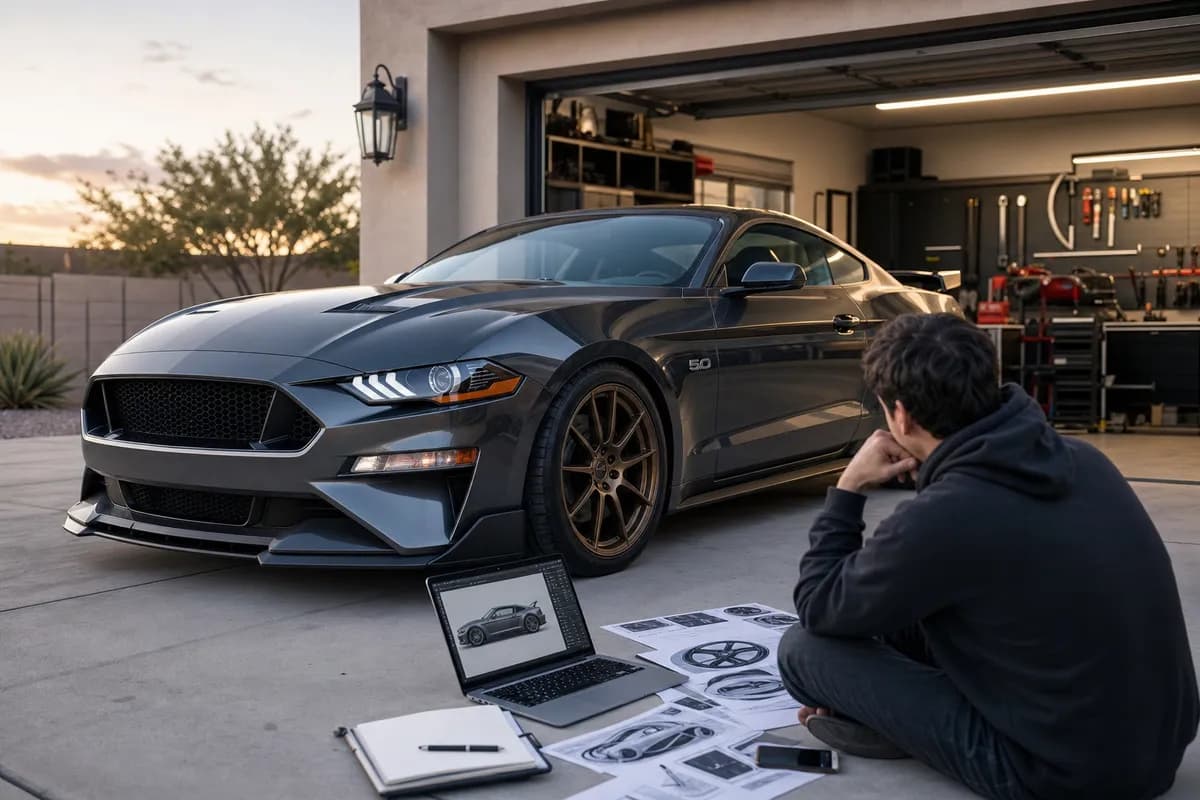
A chatbot can help turn a vague idea like “make my 2022 GR86 handle better” into a staged plan: tires first, alignment next, brake fluid and pads before track days, then suspension once the driver knows what the car needs. That is a smarter path than jumping straight to coilovers and a loud exhaust because the internet said so.
In 2025, enthusiasts are commonly using several types of tools together:
- General AI chatbots: ChatGPT, Claude, Gemini, and Perplexity are useful for brainstorming, comparing upgrade paths, making checklists, and translating technical jargon into normal human language.
- Forum and community search tools: AI-enhanced search on Reddit, Discord servers, marque forums, and enthusiast communities can surface long-term ownership data that a manufacturer’s marketing page will never mention.
- Fitment and visualization apps: Tools such as Fitment Industries’ gallery, Tire Rack’s fitment database, Wheel-Size-style spec databases, and manufacturer configurators help compare wheel width, offset, tire diameter, and brake clearance.
- OBD-II and diagnostic apps: Apps paired with devices from companies like OBDLink, BlueDriver, Autel, and TOPDON help owners review live data, readiness monitors, misfires, fuel trims, and fault codes before and after modifications.
- Track and performance logging apps: Garmin Catalyst, RaceChrono, TrackAddict, Dragy, and SoloStorm can provide real feedback instead of relying on “feels faster” seat-of-the-pants testing.
The trick is knowing what AI is good at. It is excellent for organizing information, building decision trees, comparing pros and cons, creating maintenance schedules, and reminding you of legal or safety issues. It is less reliable when asked for exact torque specs, state inspection rules, emissions legality, or whether a very specific part clears a very specific brake caliper on a very specific trim package. For that, you still need service data, manufacturer documentation, local regulations, and the enthusiast car community.
Legal Car Upgrades: Where AI Can Save You a Ticket, a Failed Inspection, or Worse
Let’s get blunt: “I asked a chatbot” will not help you when your car fails emissions, gets cited for noise, or has an insurance claim questioned after a crash. Legal car upgrades depend on where you live, how the car is registered, and whether it is used on public roads. A track-only part can be perfectly acceptable on a trailered race car and completely illegal on your commuter.
For U.S. enthusiasts, the big categories to check are emissions, lighting, noise, tint, ride height, tires, and safety equipment. California’s CARB Executive Order system is the best-known example for emissions-related parts, but other states also have inspection and emissions requirements. Federal EPA rules matter too, especially with catalytic converters, oxygen sensors, diesel emissions equipment, and ECU tuning. In plain English: if a part disables, removes, or tricks emissions equipment on a street car, you are asking for trouble.
AI can help by creating a legal checklist before you buy. For example, if you are planning DIY car modifications on a 2018 Honda Civic Si, you might ask a chatbot to list the legal questions to verify for an intake, downpipe, intercooler, tune, exhaust, and suspension changes. A solid answer should remind you to check:
- Whether the intake has a CARB EO number if the car is used in California or a state following similar standards.
- Whether a downpipe or header changes the catalytic converter location or removes emissions components.
- Whether an ECU tune affects OBD-II readiness monitors or emissions inspection behavior.
- Whether the exhaust exceeds local noise limits, which may be measured by dB level or enforced subjectively.
- Whether lowering the car affects headlight aim, bumper height, tire clearance, or suspension travel.
- Whether wheel and tire changes keep load rating, speed rating, and overall diameter within a sensible range.
That is where AI car mods planning becomes genuinely useful. It can slow the process down in a good way. Instead of “what exhaust is loudest for my Mustang GT?” the better prompt is: “Help me compare street-legal cat-back exhaust options for a 2021 Mustang GT that avoid excessive drone, retain emissions equipment, and are reasonable for daily driving.” You will get a better shortlist and fewer headaches.
Lighting is another common trap. Swapping halogen bulbs for cheap LED replacements in reflector housings can create glare and poor beam patterns, even if the car looks “modern” in the driveway. AI might tell you LED conversions are popular, but a responsible plan should push you toward properly engineered headlamp assemblies, correct aiming, and compliance with applicable DOT or ECE-style requirements depending on your market.
Tint is similar. A chatbot can summarize common tint laws, but the final answer must come from your state or provincial rules. Texas, for example, has different visible light transmission requirements depending on window location. Other states vary widely. AI can remind you what to check; it cannot make an illegal tint legal.
Building Tasteful Mods: Using AI Without Letting It Turn Your Car Into a Parts Catalog
Taste is subjective, but there is a difference between a car with a clear build theme and a car that looks like it lost a fight with an online clearance page. AI can actually help here, especially if you make it define the goal before suggesting parts.
A tasteful build usually respects proportion, function, and the car’s original character. A Mazda MX-5 Miata on quality 15x8 wheels, 200-treadwear tires, mild coilovers, a proper alignment, and a clean exhaust makes sense. A daily-driven Miata with giant wheels, stretched tires, underbody lighting wired with bargain-bin connectors, and an eBay wing mounted through a rusty trunk lid is less charming once the novelty wears off.
When using AI for style planning, feed it constraints. Tell it the car, color, trim, budget, use case, climate, road conditions, and what you do not want. Ask for themes rather than random parts. For example:
“Create three tasteful modification themes for a white 2020 Subaru WRX daily driver in Colorado. Keep it reliable, winter-capable, emissions-friendly, and under $5,000. Avoid extreme camber, loud exhausts, and parts that hurt resale value.”
That prompt is much more useful than “best WRX mods.” It tells the tool you value reliability, weather capability, legality, and restraint. A good answer might prioritize Michelin Pilot Sport All Season 4 or Continental ExtremeContact DWS 06 Plus tires, a conservative wheel fitment, quality mud flaps, a mild cat-back exhaust, a short shifter, upgraded brake pads and fluid, and perhaps a subtle front lip from a reputable brand.
Comparisons are another sweet spot. AI can help organize choices like lowering springs versus coilovers. For a street car, lowering springs from Eibach, H&R, or Swift paired with healthy dampers may be cheaper and quieter than entry-level coilovers. But if you need corner balancing, ride-height adjustment, and track tuning, coilovers from KW, Bilstein, Öhlins, Fortune Auto, or BC Racing may make sense depending on budget and expectations. AI can lay that out in a table-like comparison, but you still need owner feedback from people driving the same chassis on similar roads.
Wheel fitment is where I still want enthusiasts to triple-check. AI may know that a fifth-generation Toyota Supra commonly runs aggressive 19-inch setups, or that a Volkswagen GTI often works well with 18x8.5 wheels, but it may miss brake package differences, tire shoulder shape, suspension changes, and fender clearance. Use AI to calculate diameter changes and explain offset, then verify with fitment galleries, forum photos, and manufacturer specs.
The Smart DIY Workflow: Chatbot, Community, Measurement, Then Wrenches
If I were planning a build in 2025, I would use AI as part of a workflow, not as the whole workflow. The best results come from stacking digital advice with real-world evidence.
- Define the mission. Write one sentence: “I want a reliable daily-driven 2019 Civic Sport that handles better, stays emissions legal, passes inspection, and remains comfortable for commuting.” That sentence will save you money.
- Set a budget with a reserve. If you have $3,000, plan to spend $2,400. The rest goes to alignment, fluids, tools, broken clips, unexpected hardware, and the inevitable “while I’m in there” item.
- Ask AI for a staged plan. Request stages by priority: maintenance, tires, brakes, suspension, power, cosmetics. Make it include risks, legal checks, and required supporting mods.
- Verify with the enthusiast car community. Search forums, owner groups, subreddit archives, YouTube long-term reviews, and local clubs. Prioritize people who have driven the setup for 10,000 miles, not just installed it yesterday.
- Check official sources. Look for manufacturer installation PDFs, CARB EO numbers where relevant, torque specs from service information, tire load ratings, and inspection rules from your local authority.
- Measure your actual car. Ride height, wheel gap, fender clearance, hub bore, brake caliper clearance, and existing alignment matter. Cars vary after years of potholes, curbs, and previous-owner creativity.
- Install one system at a time. If you change wheels, suspension, brakes, intake, and tune in one weekend, diagnosing a vibration, noise, or warning light becomes a guessing game.
- Log before and after. Use OBD-II data, alignment printouts, tire temperatures, lap times, or fuel economy records. Real data keeps you honest.
Here is a practical comparison. Say you own a 2024 Ford Mustang GT and want more performance without building a cop magnet. AI might suggest a cold-air intake, exhaust, tune, lowering springs, and wider tires. A smarter staged plan would start with tires such as Michelin Pilot Sport 4S, Continental ExtremeContact Sport 02, or Bridgestone Potenza Sport if summer performance fits your climate. Next would be brake fluid and pads if you do spirited driving. Then maybe a quality cat-back system that keeps the catalytic converters untouched and avoids unbearable drone. Only after that would I consider tuning, and I would verify emissions legality, warranty implications, and inspection readiness first.
For a 2021 Jeep Wrangler, the AI answer might jump to a 3.5-inch lift and 37-inch tires because that looks great online. A more responsible plan asks about axle ratio, brake performance, steering geometry, caster, driveshaft angles, tire weight, spare tire carrier strength, and whether the Jeep still has to commute at 75 mph. A 2-inch to 2.5-inch quality lift with 33s or 35s may be the better legal, safe, and livable upgrade for many owners.
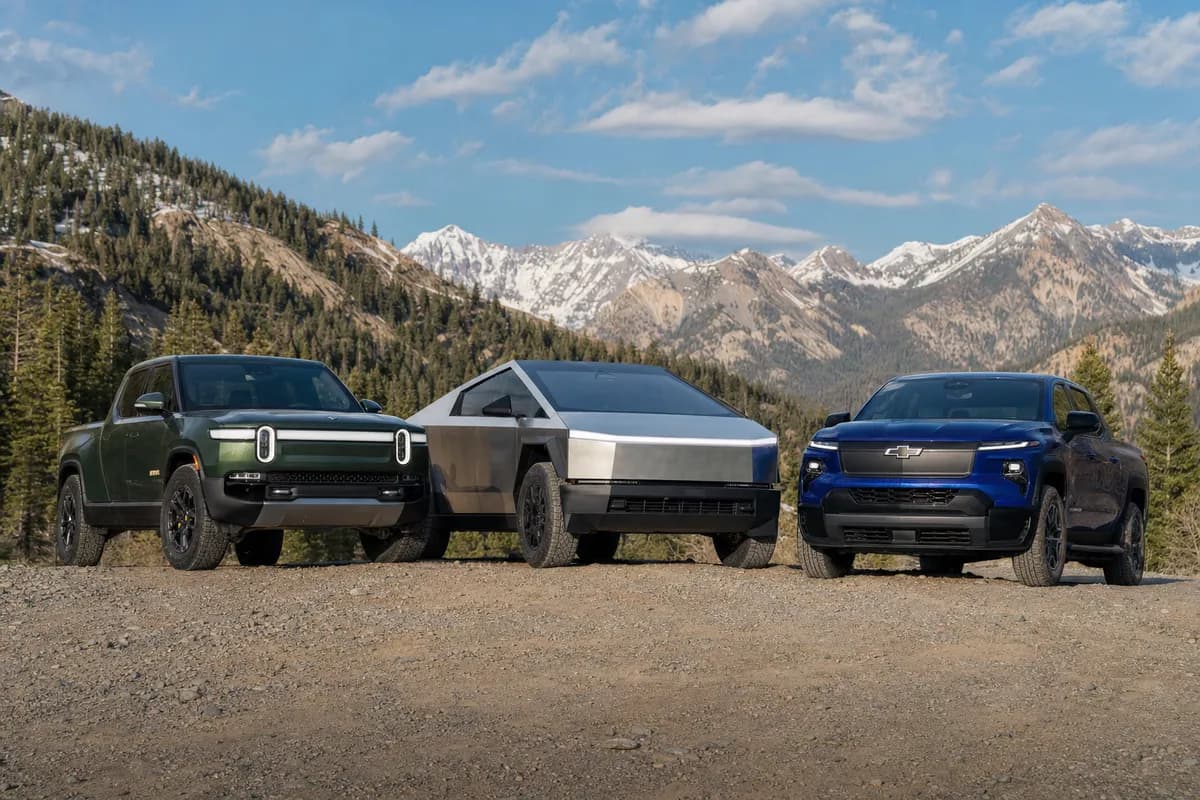
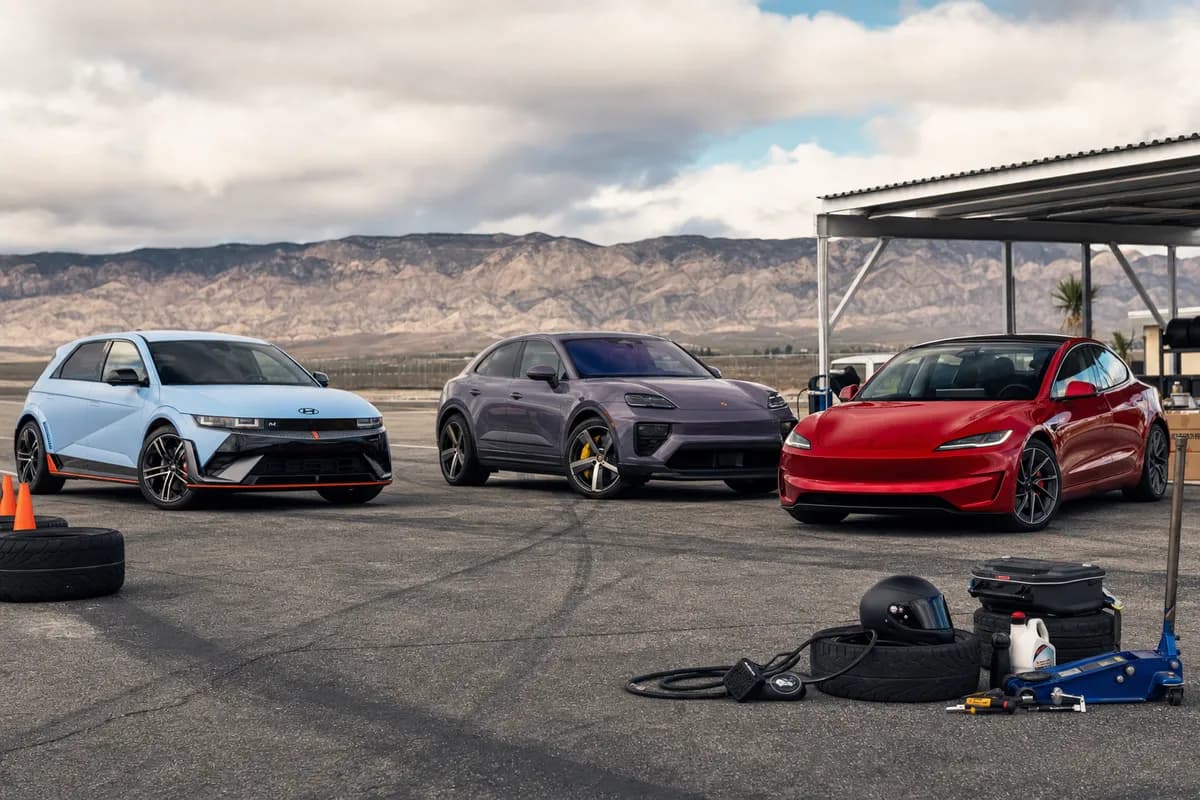
For EV owners, the mod conversation is changing too. Tesla Model 3, Hyundai Ioniq 5, Kia EV6, Ford Mustang Mach-E, and BMW i4 owners are using AI to compare wheels, tires, brake pads, aero parts, and suspension without touching high-voltage systems. The big caution is weight and efficiency. A heavy wheel-and-tire package can reduce range noticeably, while a poorly chosen suspension setup can upset driver-assistance calibration or tire wear. AI can help estimate tradeoffs, but high-voltage work is not DIY territory unless you are properly trained and equipped.
Verdict: AI Is the New Garage Buddy, Not the Shop Foreman
AI car mods are not about letting a chatbot build your car. They are about using modern tools to make better decisions before you spend money, cut wires, drill holes, or bolt on parts that create legal and safety problems. The best DIY car modifications still come from a blend of research, community knowledge, mechanical sympathy, and honest goals.
Used well, AI can help you build a cleaner plan, compare parts, avoid mismatched upgrades, understand legal car upgrades, and ask smarter questions in the enthusiast car community. Used poorly, it can reinforce bad ideas with confident-sounding nonsense. That is the dividing line.
My rule is simple: let AI organize the project, but let verified data approve it. If a chatbot suggests a part, confirm it with the manufacturer. If it summarizes a law, check the actual state or local requirement. If it recommends a fitment, compare real owner photos and measurements. If it gives you a torque spec, verify it in service information. And if your gut says a mod will make the car louder, harsher, less reliable, and harder to sell, it probably will.
The future of car mod planning is not less human. It is more informed. The best builds in 2025 will still be the ones with fingerprints on the tools, friends leaning over fenders, forum threads bookmarked at 1 a.m., and owners who care enough to do it right. AI just gives us one more way to keep the project legal, tasteful, and fun.
Affiliate disclosure: This article contains affiliate links. RevvedUpCars may earn a small commission on qualifying purchases at no extra cost to you.