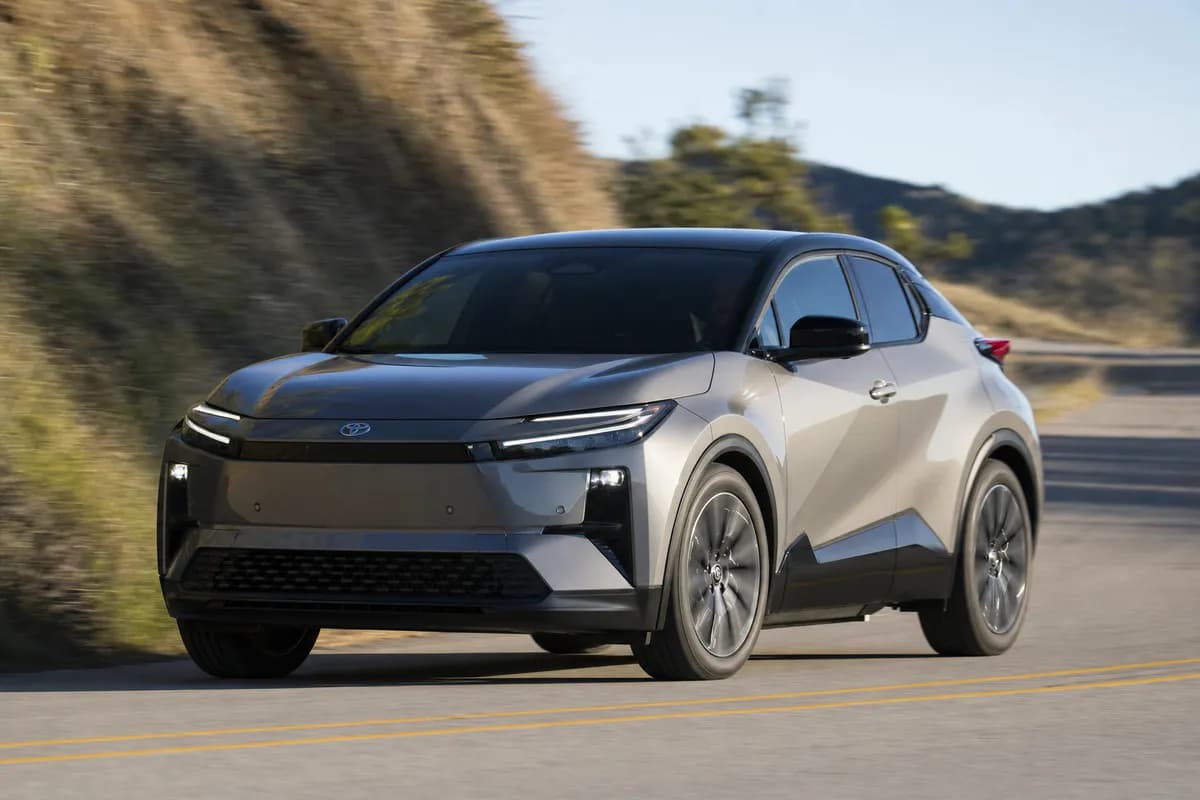
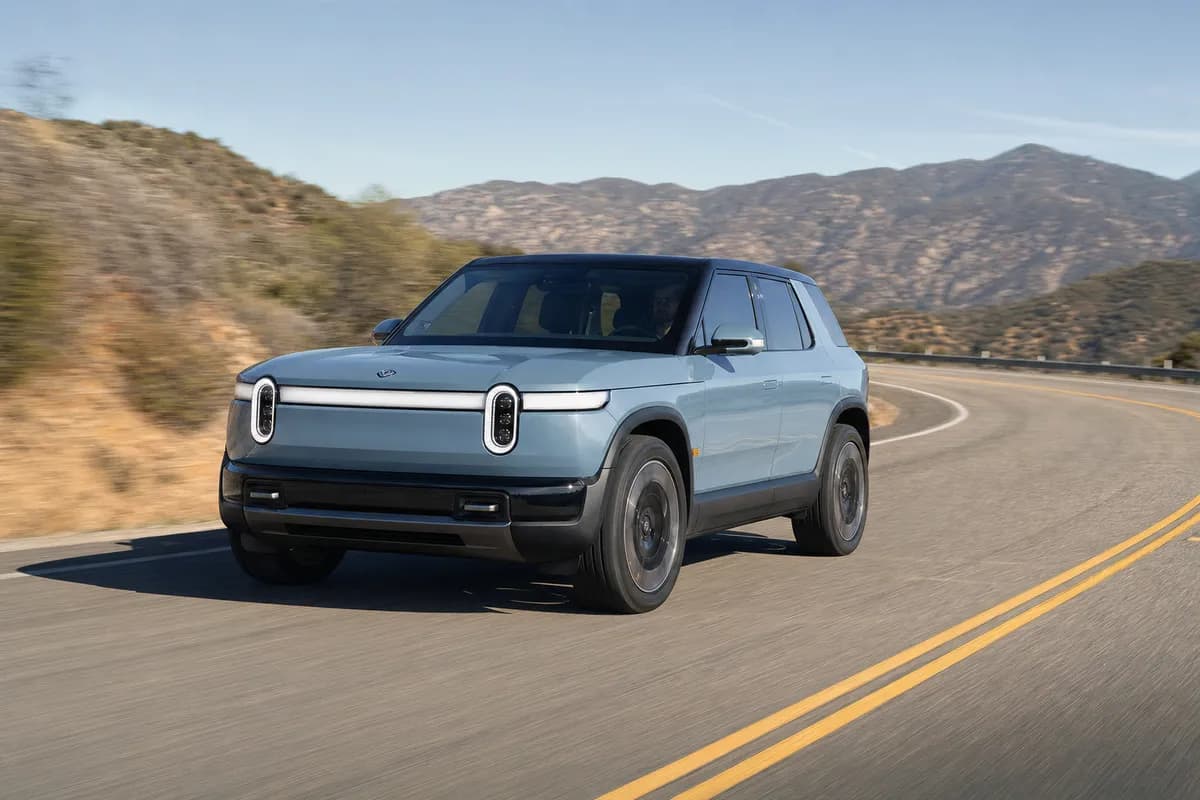
Toyota remakes the C-HR into a 338-HP electric crossover with real style, punchy speed, and credible range to challenge the Kona Electric and EX30.
Toyota finally did the obvious thing and the surprising thing at once. It turned the quirky, half-forgotten C-HR badge into a seriously quick electric crossover, then gave it enough style and spec-sheet muscle to crash one of the most hotly contested segments in the market.
The 2026 Toyota C-HR isn’t a timid compliance EV. With up to 338 horsepower, standard all-wheel drive, and an estimated 290 miles of range, this new compact crossover aims straight at buyers cross-shopping the Hyundai Kona Electric and Volvo EX30 — and for once, Toyota looks like it showed up ready to swing.
A Familiar Name, But a Completely Different Mission
If you remember the old gas-powered C-HR as a slow, oddball fashion accessory, forget it. The 2026 Toyota C-HR review starts with a simple truth: this is an entirely different machine, built to matter in a way the old one never really did.
It rides on Toyota’s e-TNGA EV architecture and slots below the bZ in footprint, but not in attitude. The design is sharper, lower, and more resolved than Toyota’s earlier EV efforts, with a coupe-ish roofline, hard creases, and a stance that actually looks athletic instead of merely overstyled.
Dimensionally, it lands in the heart of the compact electric crossover fight. That means it has to deal with practical, value-focused entries like the Hyundai Kona Electric, and with premium-leaning rockets like the Volvo EX30. Bad news for Toyota: both are good. Good news for Toyota: the new C-HR is finally interesting enough to deserve the comparison.
- Powertrain: dual-motor electric AWD
- Output: 338 hp
- Estimated range: up to 290 miles
- 0-60 mph: about 5.0 seconds
- Segment: compact electric crossover
Performance: Toyota Found Its Right Foot
The headline number is the one Toyota wants you to notice, and fair enough: 338 horsepower is a lot in this class. That’s enough to make the C-HR feel properly quick in normal traffic and genuinely brisk when you flatten the accelerator onto a highway on-ramp.
Our Toyota C-HR electric first drive confirmed this is no sleepy commuter special. Initial throttle response is immediate, the dual-motor setup delivers clean traction off the line, and the midrange shove is strong enough to make passengers look up from their phones.
Toyota quotes roughly 5.0 seconds to 60 mph, which puts it firmly in the quick camp. That’s faster than most versions of the Hyundai Kona Electric and right in the mix with all-wheel-drive compact EV rivals, though the most powerful Volvo EX30 Twin Motor remains the segment’s resident lunatic with a sprint to 60 mph in the mid-3-second range.
But speed alone doesn’t make a good crossover. The C-HR’s steering is nicely weighted, body control is tidy, and the chassis feels more buttoned down than Toyota’s earlier EV efforts. It still isn’t a hot hatch in disguise, and the coupe roofline means some compromise, but it no longer drives like an appliance wearing expensive sneakers.
How it stacks up on straight-line pace
- 2026 Toyota C-HR AWD: 338 hp, about 5.0 seconds 0-60 mph
- Hyundai Kona Electric: far less power depending on market spec, notably slower in outright acceleration
- Volvo EX30 Twin Motor Performance: 422 hp, roughly 3.4 seconds 0-60 mph
The verdict on pace is simple. The Toyota is more than quick enough for the real world, and unlike some bargain EVs, it doesn’t feel strained when you ask for more than a clean launch from a traffic light.
Range, Charging, and Real-World Usability
Toyota says the 2026 C-HR will offer up to 290 miles of range. That is competitive, though not class-dominating, and it lands exactly where this car needs to be if it wants to be considered among the best compact electric crossover 2026 contenders.
Against the 2026 Toyota C-HR vs Hyundai Kona Electric question, range is closer than performance. The Kona Electric has built a reputation on efficiency and sensible packaging, and depending on trim and wheel size, it can be a very strong mileage play. Toyota counters with a much harder punch in power and standard all-weather traction.
Against the 2026 Toyota C-HR vs Volvo EX30 comparison, Toyota looks more pragmatic. The EX30 is fast, stylish, and charmingly compact, but its EPA range figures in some configurations are less generous than buyers expect. The C-HR’s near-290-mile claim gives Toyota a useful advantage for people who care more about fewer charging stops than drag-strip bragging rights.
Charging matters too, especially in this class where buyers are often moving from hybrids or gas crossovers and have little patience for EV nonsense. Toyota says the C-HR supports DC fast charging and improved battery preconditioning, both of which are essential. The company’s earlier EV rollout was patchy and hesitant; this one feels like Toyota finally read the comments.
- Toyota C-HR: strong estimated range, standard AWD, big performance edge
- Hyundai Kona Electric: excellent efficiency reputation, practical packaging, likely better value
- Volvo EX30: premium feel, huge power in Twin Motor form, tighter packaging and less forgiving usability
Cabin, Tech, and the Price of Looking This Good
Inside, the C-HR looks and feels more modern than the old car had any right to suggest. The dashboard is cleaner, the screens are larger, and the overall impression is finally in line with what buyers expect from a design-led EV rather than a warmed-over economy crossover.
Toyota also appears to have learned that style cannot completely outrun practicality. Front-seat space is good, storage is smartly arranged, and visibility is acceptable for a crossover with such a dramatic roofline. Rear-seat headroom and cargo flexibility, though, are where the styling tax starts coming due.
This is where the Kona Electric fights back. Hyundai’s boxier shape pays dividends in rear-seat comfort and luggage room, and if your life involves child seats, airport runs, or folding furniture that absolutely won’t fit, the Kona remains the grown-up choice.
The Volvo EX30 takes a different tack. Its cabin feels richer and more design-forward, but it is tighter inside and can lean too hard into minimalist cool. The Toyota splits the difference better, offering a cabin that feels contemporary without making every basic function an exercise in touchscreen archaeology.
Where the C-HR wins — and where it gives ground
- Wins: standout styling, strong acceleration, likely better range than many sporty rivals, improved tech presentation
- Mixed: rear-seat room, cargo space, coupe-like visibility compromises
- Potential weakness: price, especially if Toyota loads it with premium trim and driver-assist features
Pricing will decide how dangerous this car really is. If Toyota pushes the C-HR too close to premium territory, buyers will simply buy the nicer-badged Volvo or a better-equipped Hyundai and keep the change. If it lands aggressively, this thing becomes a serious problem for the rest of the class.
Verdict: One of Toyota’s Most Convincing EVs Yet
The new C-HR works because it doesn’t feel like Toyota trying to check an EV box. It feels like Toyota finally understanding that compact electric crossovers are not won with caution, vague eco messaging, or ugly aero experiments. They’re won with range people can use, speed they can feel, and design they actually want parked outside their house.
As a first impression, this is a strong one. The 2026 Toyota C-HR review verdict is that Toyota has built a compact EV with real presence, real pace, and enough range to matter, even if it still gives up some practical space to achieve that sleek silhouette.
So, does it beat the Hyundai Kona Electric and Volvo EX30? Not cleanly across the board. The Kona is still the rational buy for maximum practicality and likely value, while the EX30 remains the mischief-maker for buyers who want premium flash and absurd acceleration.
But the C-HR may be the smartest middle ground. It is quicker and more charismatic than the Hyundai, more usable and likely more affordable than the spicier Volvo, and vastly more memorable than Toyota’s previous EV efforts. If pricing is right, this could end up being one of the segment’s sweet spots — and one of the few Toyotas in recent memory that deserves to be called genuinely exciting.
Affiliate disclosure: This article contains affiliate links. RevvedUpCars may earn a small commission on qualifying purchases at no extra cost to you.