For three decades, the Subaru Outback has lived in a gloriously stubborn niche: not quite an SUV, not really a traditional wagon anymore, and absolutely the default choice for buyers who think a Toyota RAV4 is a little too obvious.
For three decades, the Subaru Outback has lived in a gloriously stubborn niche: not quite an SUV, not really a traditional wagon anymore, and absolutely the default choice for buyers who think a Toyota RAV4 is a little too obvious. But the 2026 Subaru Outback marks the biggest philosophical shift in the model’s history. It’s taller-looking, squarer, more overtly truckish, and marketed less like a lifted Legacy wagon than like a genuine family SUV. The question hanging over this 2026 Subaru Outback first drive is simple: has Subaru smartly dragged its icon closer to the mainstream, or has it diluted the oddball brilliance that made the Outback special in the first place? After driving the new one on-road and in the sort of loose-surface terrain Outback owners love to romanticize, the answer is mostly encouraging — with a couple of caveats Subaru fans won’t ignore.
The Subaru Outback SUV redesign is not subtle
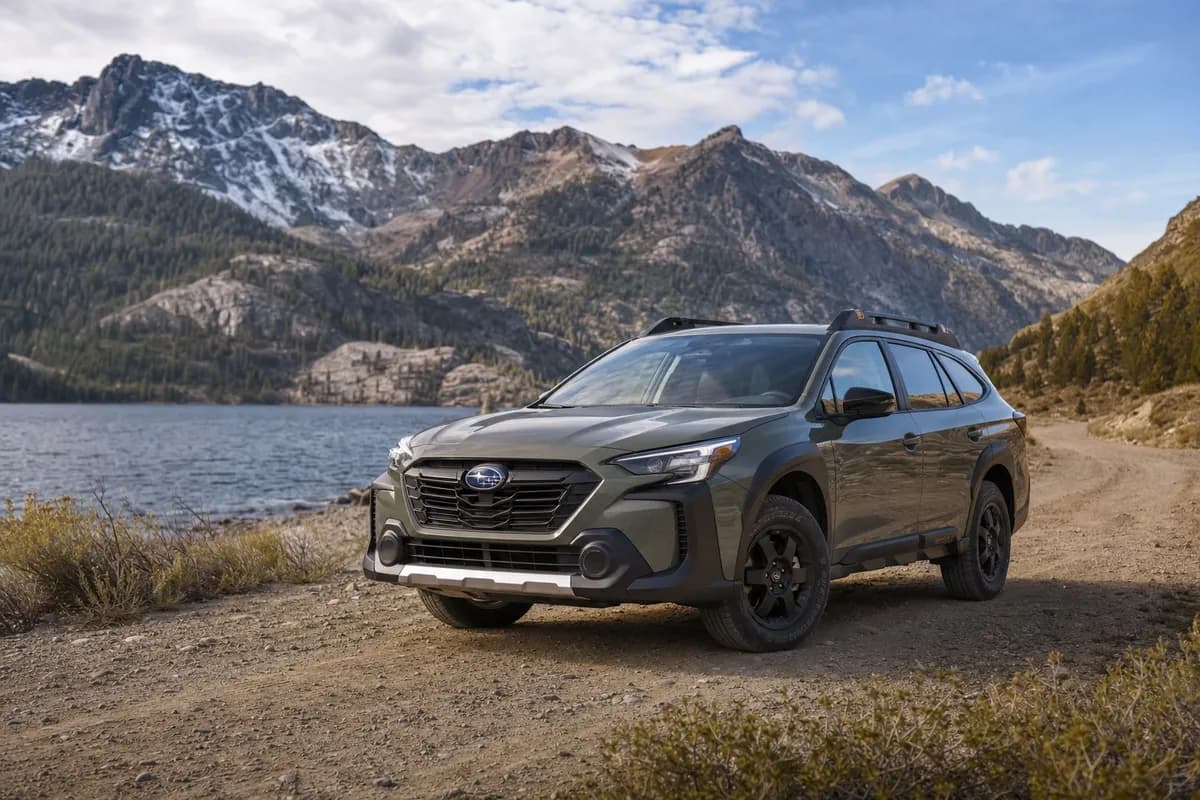
You don’t need a spec sheet to see what Subaru is doing here. The old Outback already blurred the line between wagon and crossover; the 2026 model takes a sledgehammer to it. The roofline looks more upright, the front end is chunkier, the cladding is bolder, and the overall stance reads less “raised longroof” and more “adventure-flavored midsize SUV.” If you parked it beside the outgoing car, the old one would suddenly look almost elegant. This new one looks like it owns hiking poles.
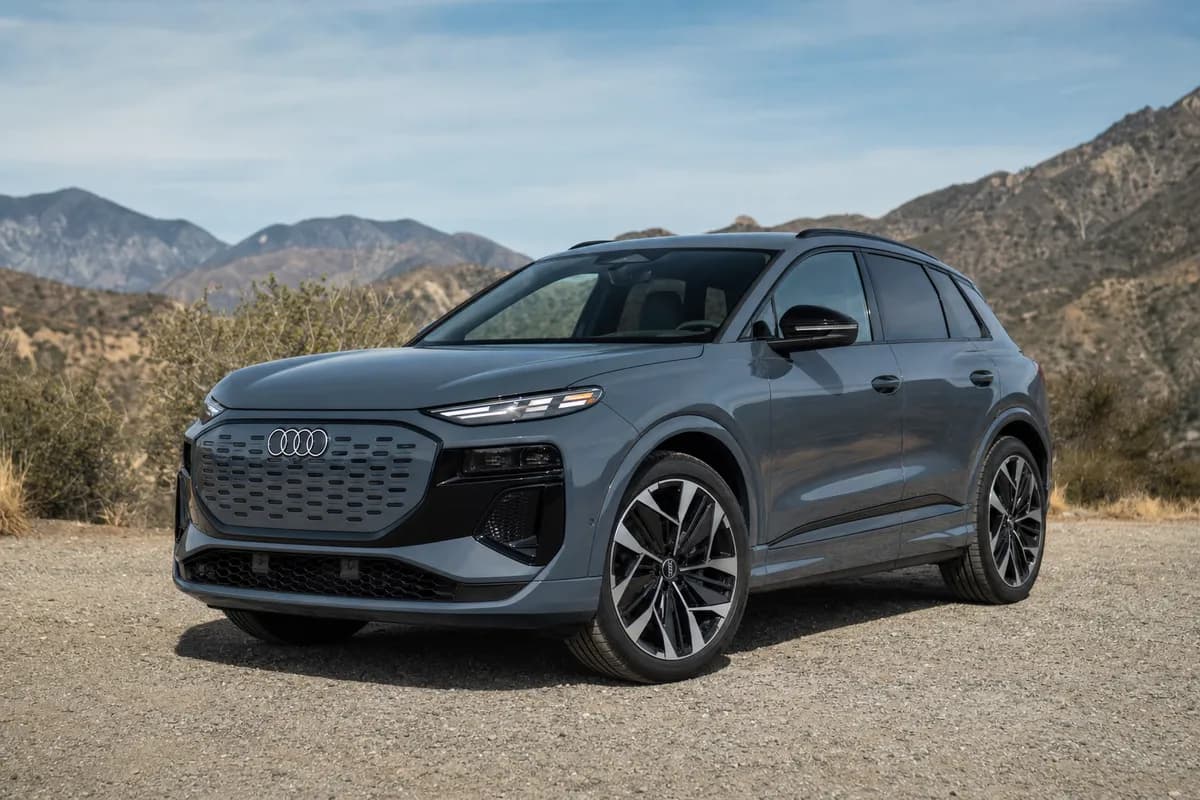
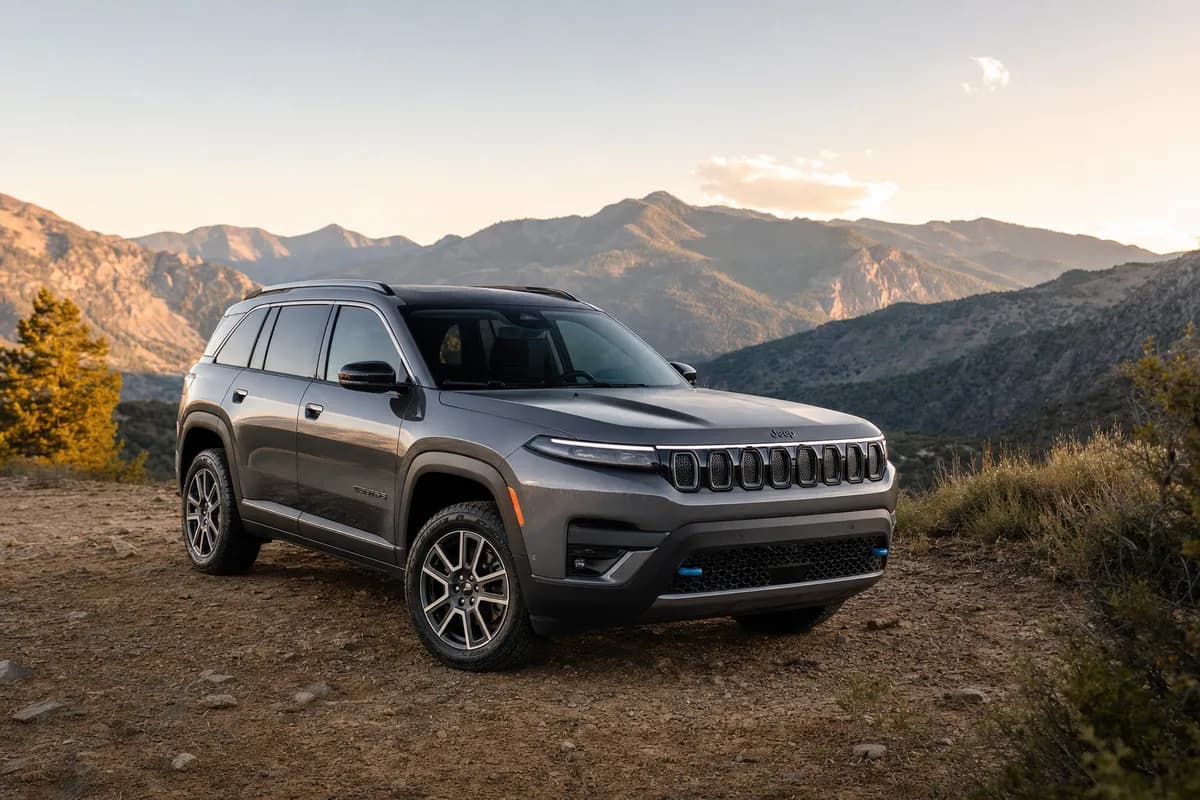
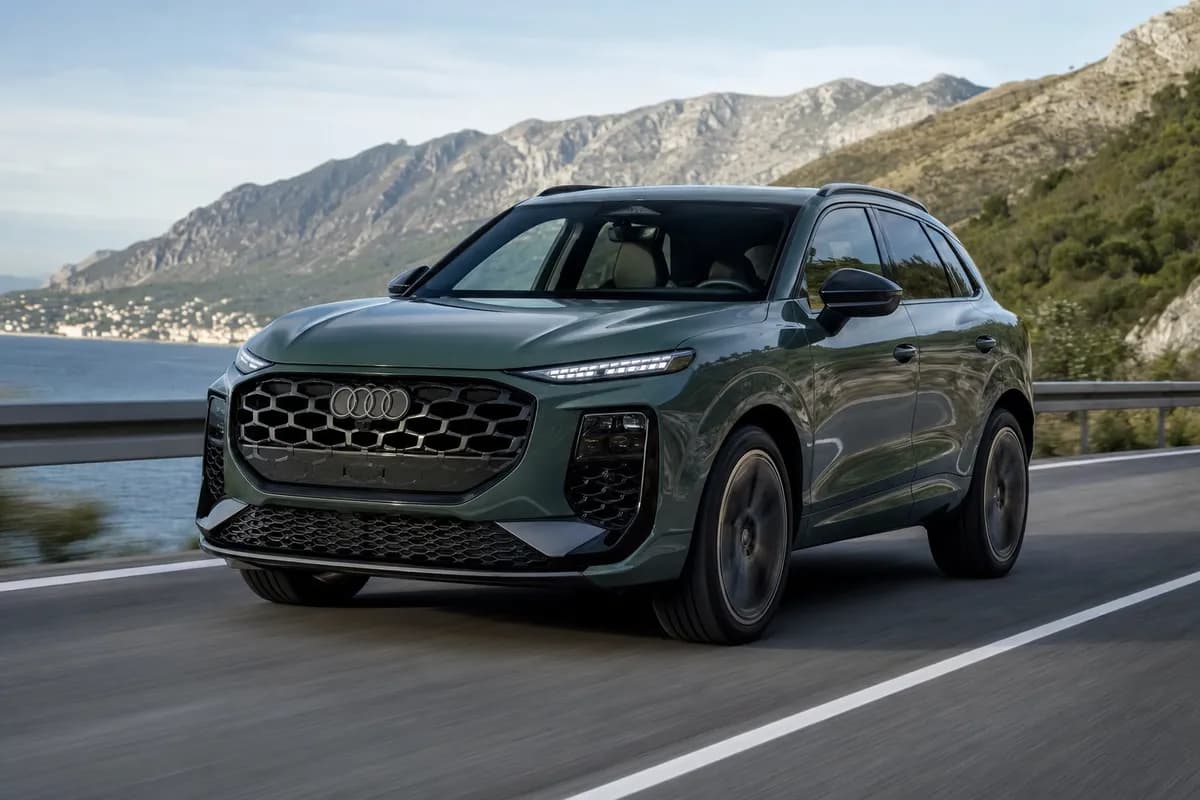
That’s deliberate. Subaru knows the Outback increasingly competes not with the Volvo V60 Cross Country or Audi A4 Allroad — both niche players now — but with mainstream family crossovers like the Honda Passport, Hyundai Santa Fe, Toyota Crown Signia, and even two-row versions of the Jeep Grand Cherokee. In that context, the tougher visual treatment makes sense. Buyers in this part of the market want reassurance, not nuance.
The good news is Subaru hasn’t completely abandoned the Outback formula. The low cargo floor remains a genuine advantage over taller SUVs, entry and exit are easier than in a conventional wagon, and visibility is still excellent. You sit a little more upright, yes, but not in the tippy, perched-on-a-barstool way some midsize crossovers force on you. There’s still a sense that this thing was designed by people who spend time loading bikes, dogs, camping gear, and awkward Home Depot purchases.
And that matters, because the Outback’s appeal has always been its contradiction: it gives you SUV usability without the full SUV penalty in driving manners. Subaru is clearly betting that it can move the design deeper into SUV territory without sacrificing that core talent. That bet mostly pays off.
On the road, it still feels like an Outback — and that’s a compliment
Let’s get to the part Subaru owners actually care about: how it drives. The 2026 Outback doesn’t suddenly turn into a sport wagon, and thank goodness for that. Nobody asked Subaru to build a budget Porsche Taycan Cross Turismo. What buyers need is calm, confidence, and competence in bad conditions, and that’s exactly what this thing delivers.
The chassis tuning remains one of the Outback’s quiet strengths. Ride quality is composed and forgiving, especially on broken pavement where many crossovers crash around like they’re trying to loosen their own dashboards. The Subaru absorbs rough surfaces with a soft initial response but enough body control to keep it from feeling nautical. That’s a tricky balance, and one many rivals miss. A Hyundai Santa Fe is stylish and impressively packaged, but it can feel busier over expansion joints. A Honda Passport is roomy and robust, but not exactly delicate. The Outback still has that buttoned-down, all-weather fluency that makes long drives easy.
Steering is light but predictable, and the body stays reasonably tidy in corners for something aimed squarely at families, trailheads, and Labrador retrievers. It’s not fun in the Mazda CX-70 sense, but unlike some bluff-nosed midsize SUVs, it never feels cumbersome. That lower-slung architecture still buys the Subaru an advantage.
Subaru’s standard symmetrical all-wheel-drive system remains a major selling point, and unlike many on-demand AWD setups in rival crossovers, it feels engineered as a core part of the vehicle rather than a box checked for brochures. On gravel and muddy sections, the Outback put power down cleanly and predictably. Ground clearance remains generous enough to embarrass plenty of supposedly tougher-looking family SUVs, and the model’s familiar off-pavement confidence is intact.
Powertrain-wise, expect the familiar split in personality depending on engine choice. The base engine remains serviceable rather than exciting — adequate for commuting, school runs, and Costco raids, but not the one you want if you regularly load the car with adults and gear or live at altitude. The turbocharged 2.4-liter flat-four is still the enthusiast’s pick by default, with 260 horsepower and 277 lb-ft of torque in current Subaru applications, and it gives the Outback the muscular midrange the chassis deserves. It’s not a rocket, but it pulls with enough authority to make passing maneuvers feel planned rather than prayed for.
The weak link, as before, is the continuously variable transmission. Subaru has made these units better over the years, and this one is unobtrusive in gentle driving, but ask for a lot of acceleration and it still reminds you that CVTs are one of engineering’s less charming compromises. Some rivals simply feel more natural. The Honda Passport’s V6 is gone these days, but traditional automatics in competing SUVs still tend to deliver cleaner, more intuitive responses than Subaru’s rubber-band impersonator.
Still, in the broader context of a 2026 Outback vs midsize SUVs comparison, the Subaru’s road manners remain a genuine advantage. It’s more settled than truckier alternatives, more comfortable than many compact crossovers, and easier to place than the bulkier two-row SUVs it increasingly resembles.
Interior practicality is still the Outback’s ace card
If the exterior redesign is Subaru’s attempt to court mainstream SUV buyers, the interior is where the Outback reminds loyalists why they showed up in the first place. Packaging has always been this model’s superpower, and the 2026 version keeps that intact.
There’s useful room front and rear, excellent outward visibility, and a cargo area that remains easier to live with than what you get in many taller crossovers. That’s the crucial distinction. Lots of SUVs boast impressive cargo volume on paper, but a long, low, square-ish load space is simply more usable than a taller but narrower one. Strollers, coolers, bikes with the front wheel off, dog crates, and camping bins all fit more naturally here than in some similarly priced rivals.
Subaru also appears to have improved material quality and layout logic, which frankly needed attention. Previous Outbacks offered durable cabins but occasionally looked as if they’d been designed by a committee that communicated via Post-it notes. The new interior feels more cohesive, with better integration of storage spaces and controls.
The big issue will be infotainment. Subaru’s vertically oriented touchscreen setup in recent models has been divisive, and not without reason. It looks modern in photos, but too many functions buried in glossy menus can turn simple tasks into a finger-stabbing exercise. If the latest software is quicker and more responsive, that’s progress. If not, Subaru still trails the best systems from Hyundai, Kia, and even Toyota in user friendliness. A family car should not require a software relationship manager.
What Subaru does better than many competitors is functional durability. Switchgear tends to feel built for actual use, not just showroom admiration, and the brand still understands details like deep door pockets, sensible cupholders, roof rails with real utility, and seating that prioritizes long-haul comfort over Instagram-ready contouring. It’s not glamorous, but neither is spending six hours in a fashionable seat that feels like molded plywood.
Where the new Outback still stands apart
- Low cargo floor: easier loading than most midsize SUVs.
- Excellent visibility: a dying virtue in modern family vehicles.
- Standard AWD: not an upsell, not an afterthought.
- Ride comfort: better composed than many crossover rivals.
- Off-pavement confidence: genuinely useful, not just cosmetic cladding theater.
What about Subaru Outback hybrid tech?
This is where the 2026 story gets especially important. If Subaru wants the Outback to play harder in the mainstream SUV market, it can’t ignore electrification. Buyers now expect some form of improved efficiency in this class, whether that means a conventional hybrid, a plug-in hybrid, or at least meaningful gains from updated powertrains.
Subaru Outback hybrid tech is the piece of the puzzle that could determine whether this redesign merely modernizes the Outback or fully future-proofs it. Toyota, Subaru’s corporate dance partner, has already shown exactly how valuable hybrid power can be in family-focused crossovers. The Toyota RAV4 Hybrid is a sales juggernaut for a reason. The Toyota Crown Signia effectively weaponizes efficiency and refinement in a wagon-like package. Hyundai and Kia offer hybrid options in the Santa Fe and Sorento that make pure gasoline alternatives look increasingly old-fashioned.
If Subaru brings a proper hybridized Outback to market — ideally one that improves real-world fuel economy without neutering cargo space or adding punishing weight — it would address one of the car’s few major vulnerabilities. The current turbo engine is usefully strong but not exactly frugal, and buyers cross-shopping electrified rivals will notice. Subaru’s challenge is to deliver hybrid gains without compromising the all-weather capability and rugged dependability buyers expect.
A successful Outback hybrid would make almost too much sense: instant low-end torque for slippery surfaces, improved efficiency for long-distance road trips, and a stronger answer to increasingly electrified competitors. The danger, naturally, is execution. Subaru has not historically been the industry’s smoothest hybrid integrator, and family buyers have little patience for systems that feel clunky or unfinished.
For now, the gasoline Outback remains competitive because of its comfort, packaging, and standard AWD. But in a market moving steadily toward electrification, hybridization isn’t some nerdy footnote — it’s a strategic necessity.
2026 Outback vs midsize SUVs: smarter alternative or awkward middle child?
This is the crux of the buying decision. The redesigned Outback is now visually and philosophically closer to midsize SUVs than ever, so it deserves to be judged against them directly.
Against a Honda Passport, the Subaru feels more road-friendly and less bulky, but the Honda still offers a more traditionally SUV-like cabin experience and a bit more blunt-force practicality. Against the Hyundai Santa Fe, the Outback counters with better visibility and a more grounded driving feel, while the Hyundai fights back with striking design, a richer feature set, and stronger tech execution. Against the Toyota Crown Signia, Subaru has superior rough-road credibility and likely a more adventurous image, but Toyota’s hybrid efficiency and polish are hard to ignore.
And then there’s the Subaru Forester, which may be the trickiest in-house rival of all. If the Forester grows more refined and capable, some buyers may wonder why they should pay more for an Outback that now looks more SUV-like anyway. The answer remains the Outback’s superior highway composure, cargo usability, and more premium positioning. But Subaru will need to keep that distinction clear.
Here’s the simplest way to think about it:
- If you want a conventional midsize SUV shape, there are roomier box-on-box alternatives.
- If you want a wagon, the Outback is now less visually wagon-ish than before.
- If you want the sweet spot between the two, the Outback still more or less owns it.
That’s why this redesign works more often than it doesn’t. Subaru may have nudged the Outback deeper into SUV territory, but it hasn’t turned it into a me-too crossover. It still drives with more polish than the chunkier stuff, still packs gear with wagon-like efficiency, and still feels engineered for bad weather and bad roads rather than just pretending for marketing copy.
Verdict: Subaru has made the Outback more mainstream, but not boring
The 2026 Subaru Outback review boils down to this: Subaru has absolutely tried to make its icon look and feel more like a “real SUV,” and for the most part, that was the right call. The market has moved, buyers have changed, and a slightly tougher, more upright, more conventionally rugged Outback is easier to justify to families who might otherwise end up in a Santa Fe, Passport, or Crown Signia.
The encouraging part is that Subaru hasn’t thrown away the fundamentals. The Outback still rides beautifully, still makes smart use of space, still offers standard AWD confidence, and still delivers a uniquely sensible blend of long-distance comfort and light-trail ability. It remains one of the few vehicles that genuinely bridges wagon practicality and SUV usability rather than merely claiming to.
The caveats are familiar. The CVT still isn’t lovable, infotainment must keep improving, and the absence or uncertainty of a strong hybrid offering could become a bigger problem as competitors electrify more aggressively. Subaru has moved the Outback closer to the mainstream, yes — but the next step is making sure it doesn’t fall behind where efficiency and tech are concerned.
Final verdict: The 2026 Outback is more SUV than ever, but crucially, it still feels like an Outback where it counts. For buyers who want something more comfortable and more cleverly packaged than a typical midsize crossover — without giving up all-weather confidence — it remains one of the smartest choices in the segment. Not perfect, not exactly exciting, but deeply competent in a way many trendier rivals still aren’t.
If Subaru follows through with well-executed hybrid tech, this could go from a smart redesign to a genuinely segment-shaping one. As it stands, the 2026 Outback doesn’t betray its roots. It just puts on hiking boots, squares its shoulders, and heads further into SUV country than ever before.
Affiliate disclosure: This article contains affiliate links. RevvedUpCars may earn a small commission on qualifying purchases at no extra cost to you.