Owners are turning Santa Fe XRT, Forester Wilderness, and Land Cruiser 1958 into legal daily-driver adventure rigs with smarter tires and mods.
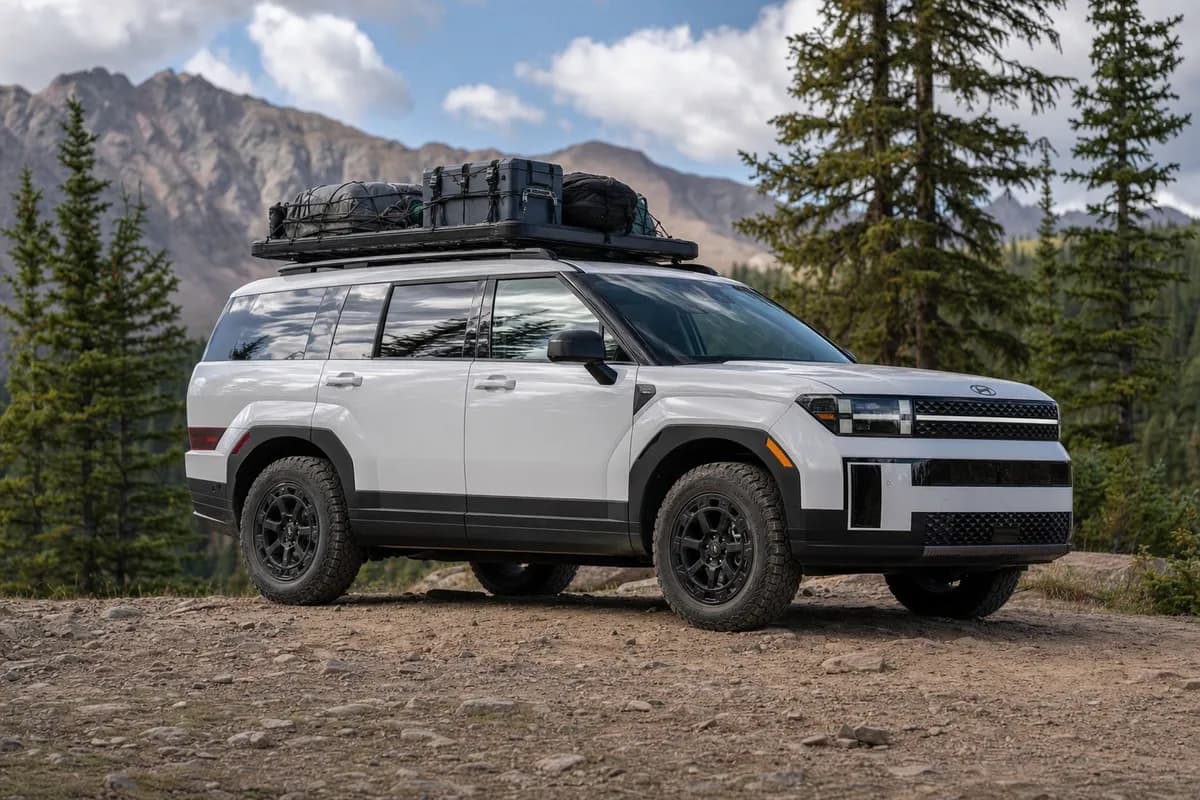
The new adventure-rig crowd does not look like the old one. In 2026, more owners of the Hyundai Santa Fe XRT, Subaru Forester Wilderness, and Toyota Land Cruiser 1958 are building camping-and-trail SUVs in their driveways, then using them for school runs on Monday. The goal is simple: smarter mods, cleaner installs, and zero regret.
Why these three SUVs are becoming the heart of a new family adventure SUV community
The 2026 Hyundai Santa Fe XRT, 2027 Subaru Forester Wilderness, and 2026 Toyota Land Cruiser 1958 hit a sweet spot that older off-road builds often missed. They are roomy, efficient enough for daily use, and already styled for dirt-road duty without demanding a full bro-truck makeover. That makes them perfect for owners who want to add capability without wrecking comfort, fuel economy, or neighborhood goodwill.
Each one also attracts a different kind of DIYer. The Santa Fe XRT buyer usually wants a polished family hauler with weekend-camping chops. The Forester Wilderness owner leans practical, values visibility and light weight, and is often more willing to install gear at home. The Land Cruiser 1958 crowd tends to be more traditional, with a stronger appetite for trail gear, but even they are increasingly choosing reversible upgrades over permanent cutting and drilling.
That shift matters because the newer family adventure SUV community is less about posing and more about usable upgrades. Owners trade roof-load spreadsheets, tire-size calculators, and recovery checklists in forums and local meetups. The vibe is less “build for Instagram” and more “build so the kids sleep dry and the SUV still fits in the garage.”
Tire upgrades: the first mod that actually changes how these SUVs work
If you are shopping 2026 Hyundai Santa Fe XRT mods, starting with tires still makes the most sense. Tires change ride quality, braking feel, dirt-road traction, and puncture resistance more than almost any bolt-on accessory. They are also one of the easiest ways to improve capability without triggering warranty anxiety.
The trick is choosing the right tire, not the biggest one you can force under the fenders. A mild all-terrain in the stock diameter or one size up usually delivers the best result for road noise, steering feel, and fuel economy. Go too aggressive and even a very good crossover starts to feel like it is rolling on hockey pucks.
What works well for these platforms
- Santa Fe XRT: Best with a highway-friendly all-terrain or trail-terrain tire. Keep overall diameter close to stock to avoid sluggish acceleration and speedometer error.
- Forester Wilderness: Already comes with a trail-ready factory setup and extra clearance, so a quality all-terrain in factory sizing is usually enough for dirt, gravel, and snow.
- Land Cruiser 1958: Can tolerate a more robust LT or P-metric all-terrain, but most owners still benefit from resisting the urge to jump straight to oversized rubber.
For real-world use, many owners in this category are choosing tires like the Falken Wildpeak A/T Trail, Yokohama Geolandar A/T G015, BFGoodrich Trail-Terrain T/A, or a lighter all-terrain rather than a mud tire. Those options preserve daily livability while improving sidewall confidence and loose-surface grip. On the heavier Toyota, a more traditional all-terrain can make sense, but only if the owner accepts the tradeoffs in ride and economy.
One smart rule: match the tire to your actual terrain. Forest roads, wet campsites, snow, and beach access roads do not require the same setup as rock crawling. For most families, a mild all-terrain plus a full-size spare is a bigger win than flashy wheels and huge tread blocks.
Recovery basics: build for self-sufficiency, not heroics
The best off-road recovery setup is the one you never need because you turned around early. The second best is a simple, legal, properly mounted kit you understand how to use. That mindset is shaping the new 2027 Subaru Forester Wilderness DIY crowd and spreading across Santa Fe and Land Cruiser owners too.
Most family adventure SUVs are not being used on hardcore trails. They are getting stuck in sand, sloppy campsites, muddy shoulders, or rutted fire roads. That means the first layer of recovery gear should be light, portable, and safe for beginners.
Start with these recovery essentials
- Rated recovery strap or kinetic rope from a reputable brand
- Soft shackles or properly rated metal shackles
- A compact air compressor and tire deflator
- A quality shovel
- Traction boards
- Work gloves and a weatherproof storage bag
Before buying anything, check the vehicle’s actual recovery points. This is where many enthusiastic DIY builds go sideways. Tie-down loops are not always recovery points, and aftermarket hooks that bolt to thin sheetmetal can be worse than useless.
For legal car modifications 2026, this is a big one: avoid fake tow hooks, decorative shackles, and anything that could become a projectile. If you add a hitch receiver, use it correctly with a rated recovery attachment, not a random ball mount. Safe recovery gear is not glamorous, but it is the kind of mod that keeps a fun weekend from turning into an insurance claim.
Roof-rack loads: where good camping builds go bad fast
Roof racks sell the dream, but load math is what makes the dream legal and safe. Too many new owners copy overland builds without checking roof ratings, crossbar limits, or how much weight they are lifting several feet above the center of gravity. On a family SUV, that mistake shows up fast in wind noise, body roll, and braking distance.
The key distinction is between dynamic load and static load. Dynamic load is what the roof can carry while driving. Static load is what it may support while parked, which matters if you are considering a rooftop tent. Those numbers are not interchangeable, and they vary by vehicle and rack system.
Smart roof-rack rules for daily-driven camping builds
- Read the vehicle manual first, then the rack manufacturer’s instructions.
- Use the lighter gear up top: sleeping bags, camp chairs, awnings, empty cases.
- Keep heavy items low in the cargo area, near the center of the SUV.
- Do not assume a basket or platform increases the vehicle’s roof rating.
- Recheck torque after the first trip and after rough-road use.
The Santa Fe XRT owner usually benefits most from a low-profile crossbar setup with a cargo box or slim platform. The Forester Wilderness can support a very useful roof setup, but it still rewards restraint. The 2026 Toyota Land Cruiser 1958 camping build crowd has more room for heavier-duty racks, yet even there, overloading the roof hurts fuel economy and trail stability.
A good roof build should be reversible, quiet, and easy to remove. If your rack whistles at 70 mph, blocks the hatch, or forces you to store recovery gear on the roof because the cargo area is a mess, the system needs rethinking. Clean builds work better because they respect the vehicle’s original design.
Reversible mods that add capability without killing comfort or warranty peace of mind
This is the biggest culture change in 2026. Instead of chopping bumpers and hard-wiring every accessory like a desert race truck, owners are prioritizing mods they can remove in an afternoon. That approach helps with resale, dealer visits, lease returns, and the simple fact that most of these SUVs still spend most of their lives on pavement.
Good reversible upgrades tend to improve organization, protection, and convenience more than raw trail ability. That is exactly why they work for families. They solve problems you actually have on a camping trip, like muddy gear, poor lighting, dead phones, and loose cargo.
Best reversible upgrades for these adventure SUVs
- All-weather floor liners and cargo liners: easy win for pets, kids, and wet gear
- Seatback organizers and drawer-style cargo solutions: better packing without permanent interior changes
- Portable power stations: simpler than full hardwired electrical systems for casual campers
- Clip-in interior lighting and hatch-area LEDs: useful, cheap, and easy to remove
- Skid plates or underbody protection from reputable brands: if bolt-on and properly engineered
- Suspension spacers or mild lift kits: only when aligned correctly and kept conservative
Notice what is missing: smoked lights, illegal lamp bars used on public roads, giant offset wheels, tire poke, and exhaust mods that drone on the highway. The new DIY crowd is more mature than that. They want practical rigs that pass inspection, keep advanced driver-assistance systems happy, and do not turn a quiet cabin into a penalty box.
The best modern adventure build is not the one with the longest parts list. It is the one that gets used every week, not just photographed twice a year.
Verdict: build the SUV you will actually use
The reason these Santa Fe XRT, Forester Wilderness, and Land Cruiser 1958 owners are forming a new DIY camping-and-trail community is simple. They are building for real life. They want enough capability for dirt roads, campsites, snow, and light trails, but they also want heated seats, decent mileage, a quiet cabin, and no legal headaches.
That makes the formula pretty clear. Start with tires, add a basic recovery kit, respect roof-load limits, and choose reversible upgrades that improve comfort and organization. If you follow that path, your adventure SUV stays legal, family-friendly, and ready for work on Monday morning.
For 2026 and 2027, that may be the smartest kind of enthusiast build there is. Not extreme. Not tacky. Just competent, well thought out, and ready to go.
Affiliate disclosure: This article contains affiliate links. RevvedUpCars may earn a small commission on qualifying purchases at no extra cost to you.