Slate Auto shares pricing and opens June 2026 preorders for an affordable EV, raising big questions about whether truly cheap American EVs can exist.
Slate Auto is about to face the question that has haunted the U.S. EV business for years: can anyone actually build a cheap electric car here and make the numbers work? With Slate Auto EV pricing expected to be revealed and June 2026 EV preorders set to open, the startup is moving from vague promise to a real market test. For buyers priced out of today’s EVs, this could be one of the most consequential launches heading into 2027.
Slate Auto’s pricing reveal is the moment that turns a concept into a real product
Startups can get attention with design sketches, manufacturing plans, and bold timelines. None of that matters much until there is a price, a deposit amount, and a reservation page that asks consumers to commit actual money. That is why Slate Auto’s June 2026 announcement matters more than any teaser campaign that came before it.
If the company lands near the low end of expectations, it could become the rare cheap American EV startup with a credible opening. If pricing comes in too high, it risks joining a long list of companies that talked about affordability but delivered something closer to the existing market. That gap has hurt nearly every supposedly low-cost EV effort in the U.S.
The central issue is simple. American buyers have been promised a truly affordable EV for years, yet most new battery-electric vehicles still transact far above the reach of entry-level car shoppers. Even with incentives, the market remains skewed toward compact crossovers, midsize family vehicles, and higher-trim models rather than basic transportation.
That leaves a wide opening in the entry-level EV market. In theory, Slate Auto could target buyers who once looked at the Nissan Versa, Kia Rio, Chevrolet Spark, or Mitsubishi Mirage as affordable new-car options, but now find that the cheapest EVs often start thousands of dollars higher.
Why the affordable EV gap still exists in the U.S.
For all the growth in electric vehicle sales, the low end of the market remains thin. The most accessible mainstream EVs today are still not truly cheap by historical small-car standards. Vehicles such as the Nissan Leaf and Hyundai Kona Electric helped lower the barrier, but they have never reset the market in the way a genuine budget model would.
That is partly a battery-cost problem and partly a product-planning problem. Automakers have favored larger, better-equipped vehicles because margins are stronger there. When battery prices were higher and supply was constrained, using cells in more expensive vehicles made business sense.
There is also the reality of American regulation, manufacturing costs, and consumer expectations. Safety requirements, software development, domestic labor expenses, and feature creep all make it difficult to sell a no-frills EV at a price close to old-school economy cars. The result is a market where “affordable” often means under $35,000, not under $25,000.
That distinction matters. A buyer cross-shopping used cars, low-cost hybrids, or the cheapest gasoline subcompacts is not looking at a $38,000 electric crossover. They are looking for basic monthly-payment math, low running costs, and predictable ownership.
- Typical challenge for startups: low volumes raise per-unit costs, making cheap pricing harder.
- Typical challenge for legacy automakers: established brands often prioritize higher-margin EVs first.
- Typical challenge for consumers: incentives are helpful, but not every buyer qualifies or can wait for tax-credit benefits.
What Slate Auto needs to prove when preorders open in June 2026
The reservation launch will not answer every question, but it should clarify the basics. Buyers will want to know the starting MSRP, likely trim walk, estimated range, battery chemistry, charging speed, delivery timing, and where the vehicle will actually be built. Without those details, preorder momentum can fade fast.
For Slate Auto, credibility will hinge on how honest the numbers look. If the company advertises an attention-grabbing headline price that only applies after incentives, with a stripped configuration that few buyers will ever get, the market will notice. EV shoppers have seen that playbook before.
A credible affordable launch should include a few things:
- A real base price: a transparent MSRP before incentives.
- A realistic delivery window: not just “production targeted” language with no volume plan.
- Useful range: enough real-world capability for commuting and occasional regional driving.
- Fast-charging details: because a cheap EV that charges painfully slowly will feel compromised quickly.
- Clear deposit terms: refundable or not, and what reservation holders are actually securing.
There is also a manufacturing question. Every affordable EV pitch sounds easier before factories ramp, suppliers lock pricing, and quality control starts costing real money. If Slate Auto wants to be taken seriously as an affordable electric car 2027 contender, it needs more than a low announced price. It needs a plausible path to building cars at scale.
How Slate Auto could affect Tesla’s low-cost plans and the broader entry-level EV market
Tesla has spent years fueling speculation about lower-cost vehicles. The company has repeatedly signaled interest in cheaper EVs, whether through a new dedicated model, stripped-down derivatives of existing products, or manufacturing improvements that reduce cost. Yet the affordable Tesla many buyers expected has not arrived in a clear, mass-market form.
That delay creates an opening. If Slate Auto can show a compelling price point and an honest product roadmap, it could put pressure on Tesla’s low-cost plans by proving there is still demand for a simpler EV with fewer luxury pretensions. A startup does not need to outsell Tesla to influence the conversation. It just needs to demonstrate that the bottom end of the market is being underserved.
The same is true for Detroit and other major brands. General Motors has talked up lower-cost Ultium-based EVs, while Ford has acknowledged that profitability in smaller EVs is difficult and that new platform strategies are needed. Stellantis, Hyundai, Kia, and Volkswagen all understand the importance of lower-price battery EVs globally, but the U.S. has moved more slowly than Europe or China on truly inexpensive electric models.
That matters because the entry-level EV market is where EV adoption broadens beyond early adopters and upper-middle-income households. Without credible low-price products, electric mobility remains dependent on incentives, leasing support, and used-market trickle-down. Those help, but they do not replace a genuinely affordable new vehicle.
- Tesla Model 3: often positioned as relatively accessible, but still above true budget-car territory.
- Nissan Leaf: one of the few lower-cost EV benchmarks, though aging and limited by platform and charging context.
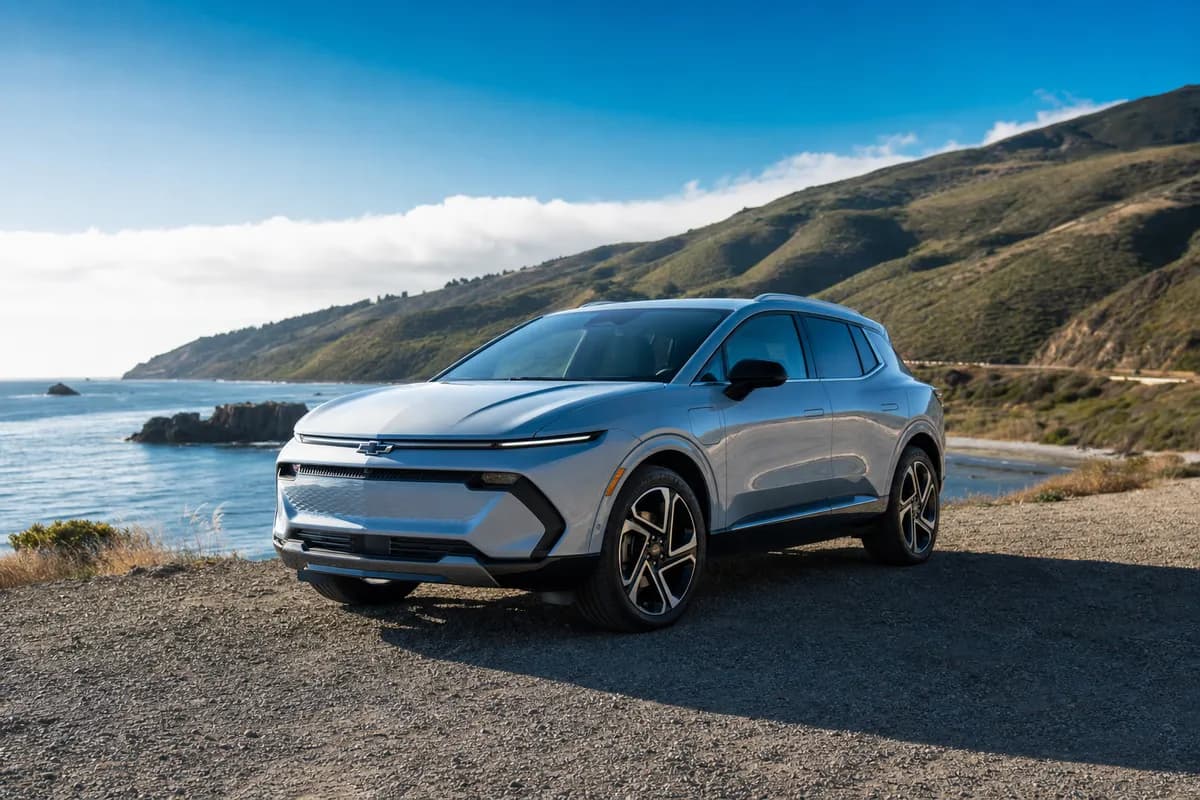
- Chevrolet Equinox EV: important on value, but it is still a compact crossover, not a bare-bones city car.
- Hyundai Kona Electric: useful comparison for affordable utility, but not a true low-cost breakthrough.
The biggest risks for Slate Auto buyers and reservation holders
Consumers should treat any startup preorder with caution. Reservation systems are not the same as production readiness, and an announced price is not the same as a delivered vehicle. The EV sector has a long history of changing timelines, revised specifications, and shifting manufacturing plans.
Slate Auto also faces the usual startup hazards: capital intensity, supplier negotiations, battery sourcing, federal policy changes, and the challenge of passing from prototype stage to consistent mass production. Even if the company has a strong concept, affordability is often the first promise to erode when costs rise. A few thousand dollars of unexpected expense can destroy the business case for an entry-level model.
There is another risk. The startup may discover that buyers who say they want a very cheap EV still expect crossover-like space, modern infotainment, strong range, and fast charging. Delivering all of that at a genuinely low price is extremely hard. If Slate cuts too much to hit a target number, the market may decide the vehicle is simply too compromised.
Still, the U.S. market arguably needs a company willing to try. A new, simple EV built around honest cost discipline could fill a gap that larger automakers have struggled or refused to address. If nothing else, Slate Auto’s launch could force a clearer industry conversation about what “affordable” should actually mean.
Verdict: Slate Auto has a shot, but June 2026 pricing will tell the real story
Slate Auto’s June preorder launch has the potential to be more than another startup publicity beat. If the company reveals transparent pricing, practical specs, and a believable delivery plan, it could emerge as a serious player in the hunt for the first modern cheap American EV startup success story. That alone would make it one of the most important EV announcements of 2026.
But the standard should be high. Buyers do not need another promised bargain EV that eventually lands at a premium price, in tiny volume, years late. They need a real affordable electric car 2027 option that can be ordered, financed, and driven without heroic assumptions about incentives or future cost reductions.
That is why Slate Auto EV pricing matters beyond one startup. If the numbers work, Slate could help reshape expectations for the entry-level EV market and increase pressure on Tesla and established automakers to stop treating affordability as a future project. If the numbers do not work, it will be another reminder that the fight for a truly cheap American EV is still unresolved.
Affiliate disclosure: This article contains affiliate links. RevvedUpCars may earn a small commission on qualifying purchases at no extra cost to you.