Learn how to use racetrack protection laws to save your local track from noise complaints. A DIY guide for motorsport community advocacy.
That familiar rumble on a Saturday night? Lately it’s been followed by something worse — a city council meeting packed with neighbors complaining about noise. If you care about racetrack protection laws, now’s the time to pay attention, because once a track closes, it almost never comes back.
I’ve watched local tracks disappear over the last 20 years like old corner gas stations. One subdivision goes up next door, a few nuisance noise complaints get filed, and suddenly the place where your kid learned to bracket race is gone. This isn’t just about fun — it’s about jobs, small businesses, and keeping street racing off public roads.
In this guide, I’ll walk you through how to save your local racetrack using smart motorsport community advocacy, understanding nuisance noise laws, and organizing the right way — before it’s too late.
What You'll Need
- Tools: Smartphone, laptop, decibel meter app (free-$10), petition platform account
- Parts/Materials: Printed flyers ($50), signage ($100), event permits (varies $0-$300)
- Time: 5-10 hours initial organizing; ongoing monthly involvement
- Difficulty: 🔧🔧🔧 (moderate community effort)
- Dealer Cost: Hiring a lobbyist $5,000-$20,000 vs DIY Cost: $150-$500 — You Save: Thousands
Why This Matters
When a racetrack shuts down, it doesn’t just hurt weekend racers. It pushes performance driving onto public roads. That means more reckless driving tickets, higher insurance rates, and sometimes deadly consequences.
Most closures happen because of nuisance noise laws or zoning changes. Developers build houses near a 40-year-old track, then new homeowners complain. Without strong racetrack protection laws — sometimes called “Right to Race” laws — the track usually loses.
Once land gets rezoned, it’s game over. The property value for housing can jump from $25,000 per acre to $150,000 per acre. That’s hard for any track owner to fight without serious community backing.
Before You Start
⚠️ WARNING: Do not confront neighbors or city officials aggressively. That will backfire fast and damage your credibility.
Before launching into motorsport community advocacy, understand your local zoning rules. Check your city or county website for noise ordinances and operating hour restrictions. Many tracks already operate within legal decibel limits.
If your track is facing violations, confirm the details. Ask for official documentation. You can also reference federal environmental guidance at EPA.gov to understand how noise is evaluated.
And if safety issues are involved, make sure the track complies with standards. Resources like NHTSA.gov and ASE.com show what proper vehicle and technician standards look like.
Step-by-Step Guide
-
Research Local Racetrack Protection Laws
Check if your state has existing protections. Some states protect tracks that were built before nearby homes. Search “ racetrack protection laws” and review statutes.
Pro Tip: Print the exact statute language when speaking at council meetings. Facts beat эмоtions every time.
-
Measure and Document Noise Levels
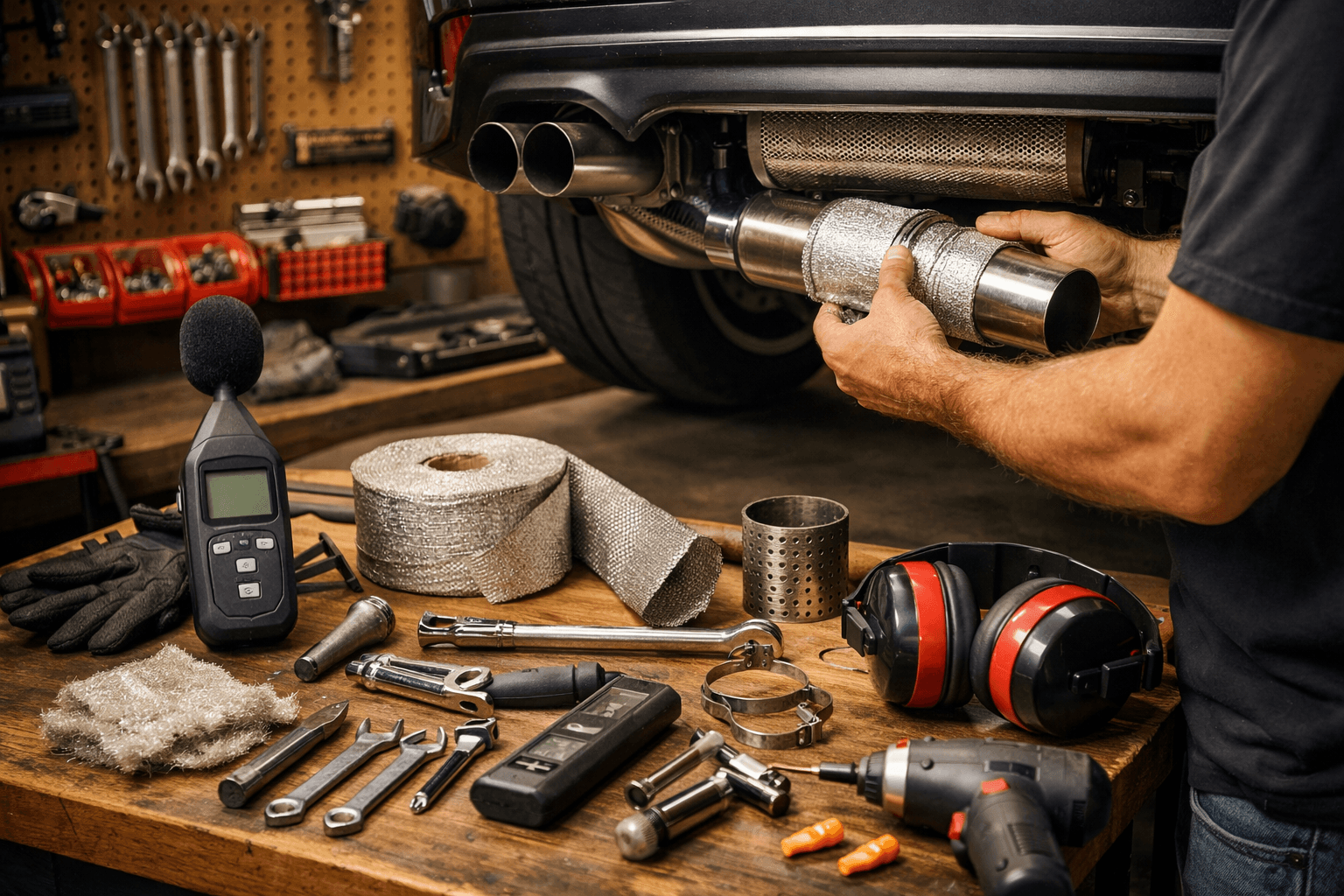
Use a decibel meter app or borrow a proper meter ($50-$150). Measure at property lines, not just in the pits.
Compare readings to your city’s legal limits. Many street motorcycles are louder than track cars at distance.
-
Organize the Motorsport Community
Start a Facebook group or email list. Reach out to local shops, parts stores, and performance tuners.
Remind them: if the track closes, their revenue drops. I’ve seen speed shops lose 30% of business after a closure.
-
Show the Economic Impact
Calculate revenue from events: hotels, restaurants, fuel stations. A modest regional event can bring $250,000+ into a small town in a weekend.
Link it to broader industry trends like US Auto Sales 2026: Will War Derail Recovery? — local economies need stable automotive activity.
-
Attend City Council Meetings
Speak calmly and stick to facts. Bring business owners, families, and even law enforcement if they support the track.
Pro Tip: A parent talking about keeping teens off the street carries more weight than a guy in a burnout T-shirt.
-
Propose Solutions, Not Just Complaints
Offer sound barriers, adjusted hours, or community open-house events.
Some tracks install $10,000-$50,000 sound walls — expensive, yes, but cheaper than closure.
Common Mistakes to Avoid
- Ignoring complaints. I’ve seen tracks brush off neighbors for years — then suddenly face shutdown votes.
- Getting hostile online. Screenshots live forever and show up in council meetings.
- Assuming “it’s been here forever” is enough. Without formal racetrack protection laws, history doesn’t guarantee survival.
- Failing to track compliance. If the track exceeds noise limits, fix it fast. Documentation saves you.
When to Call a Professional
If rezoning hearings start or lawsuits get filed, it’s time for legal help. Land-use attorneys typically cost $250-$500 per hour. A focused review might run $3,000-$7,500 — expensive, but cheaper than losing a facility worth millions.
Ask attorneys:
- Does our state have grandfather clauses?
- Are we protected under agricultural or motorsport exemptions?
- What precedent cases apply locally?
Red flag: any consultant promising a “guaranteed win.” There are no guarantees in zoning fights.
Recommended Products
- BAFX Decibel Meter ($35-$50): Budget-friendly and accurate enough for community documentation.
- Triplett Sound Level Meter ($120): What I’d use for formal readings.
- Custom Vinyl Banners ($80-$150): Professional signage boosts credibility.
- Event Insurance Rider ($150-$400 per event): Protects against liability concerns neighbors often raise.
If your track is evolving with EV events, check out our Electric Porsche Cayman Guide: Charging & Track Tips to show how modern motorsports are adapting. And if the facility hosts classics, preserving history matters too — see Start Heritage Parts Restoration for Classic Cars.
Mike's Quick Reference
Do This
- Document everything — noise levels, compliance, community support
- Build alliances with local businesses
- Propose compromises like adjusted hours
- Research racetrack protection laws before speaking publicly
Don't Do This
- Attack neighbors personally
- Ignore zoning notices
- Assume the track owner will handle it alone
- Wait until the final vote to get involved
DIY Difficulty: 🔧 3/5
Money Saved: Potentially millions in community value
Look, protecting a track isn’t like swapping brake pads. It takes patience and teamwork. But strong racetrack protection laws don’t happen by accident — they happen because regular gearheads show up and speak up.
You can do this. Start small, stay organized, and remember what’s at stake. Leave your questions below if your local strip or road course is under pressure. Stay loud in the right way — and remember, a $20 repair manual saves a $2,000 repair bill.
Disclosure:Learn moreGet the latest car reviews in your inbox
Join thousands of car enthusiasts. No spam, unsubscribe any time.





Comments
Leave a comment