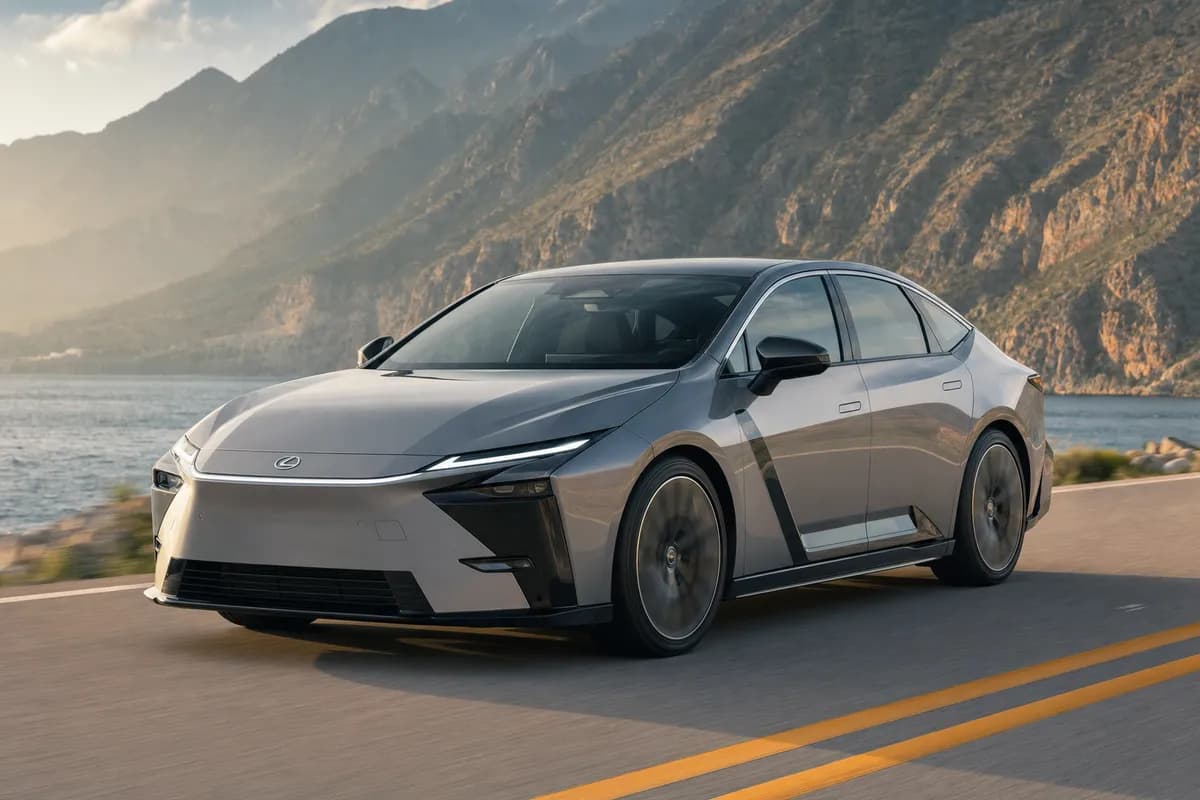
The 2026 Lexus ES 500e brings a new electric luxury vibe, targeting BMW i5 and Mercedes EQE with a focus on range, comfort, and value.
Lexus has finally stopped dipping a toe into electrification and jumped in with both loafers on. The 2026 Lexus ES 500e is the brand’s clean-sheet electric luxury sedan, and it arrives with a simple mission: make serenity feel modern enough to steal buyers from the BMW i5 and the Mercedes-Benz EQE.
That is not a small ask. The Germans already own this patch of road on paper, but Lexus knows something they often forget: not every luxury buyer wants a rolling tech demo that rides like a tense middle manager.
A Bigger, Slicker ES That Finally Looks the Part
The old ES was sensible to a fault. This new one is still recognizably an ES, but the 2026 redesign gives it a lower, wider, cleaner stance that suits an EV far better than the previous car’s melted-spindle awkwardness.
Lexus has stretched the body, cleaned up the surfacing, and sharpened the details without turning the car into origami. That matters because the Lexus ES EV first drive experience starts before you hit the start button. It now looks expensive in the way a luxury sedan should, not merely well assembled.
The cabin follows the same logic. Materials are rich, the design is calmer than what you get in the EQE, and the overall layout avoids the “screen first, ergonomics later” trap that Mercedes keeps falling into.
There is still plenty of tech. The interface is cleaner, the displays are crisp, and Lexus has finally built an interior that feels contemporary without becoming irritating after 20 minutes.
Powertrain, Range, and Charging: Good Numbers, Not Class Bullies
The 2026 Lexus ES 500e uses a dual-motor all-wheel-drive setup with a combined output of around 338 horsepower. That is enough for a 0-60 mph run in the mid-5-second range, which places it squarely in the heart of the segment.
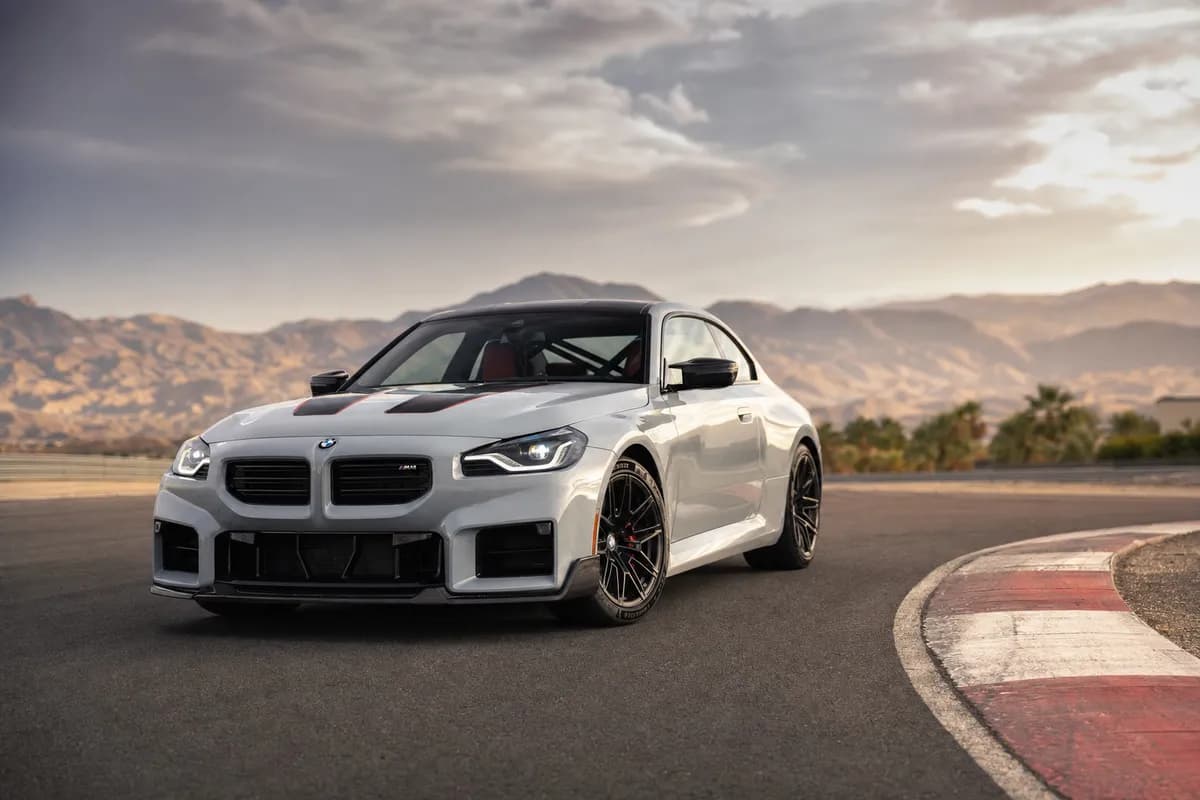
No, it is not a rocket ship. A BMW i5 xDrive40 is in the same neighborhood for power, while the hotter i5 M60 simply disappears into the distance. But the ES 500e is not trying to cosplay as an M car. Its brief is quiet, easy speed, and on that front it delivers.
The more important number is range. Lexus is targeting roughly 300 miles on the EPA cycle for the ES 500e, depending on wheel size and specification. That makes it competitive, but not dominant.
- Lexus ES 500e: about 300 miles estimated
- BMW i5 eDrive40: up to 295 miles EPA, depending on spec
- BMW i5 xDrive40: typically lower, around the high-260s to low-280s
- Mercedes-Benz EQE 350+: roughly 298-305 miles EPA depending on trim
So the Lexus lands exactly where it needs to. It does not humiliate the Germans, but it also does not show up underarmed. For a first serious stab at an electric luxury sedan, that is respectable.
Charging is similarly solid rather than sensational. Lexus says DC fast-charging can take the battery from 10 to 80 percent in around 30 minutes under ideal conditions. That is fine, but in 2026 “fine” is no longer the same thing as class-leading.
If there is a weakness here, it is that buyers spending this kind of money increasingly expect standout charging performance, not just adequacy. The Hyundai Ioniq 6 and Lucid Air have already moved the goalposts. Lexus is playing the premium-comfort game, not the charging-arms-race game.
How It Drives: Comfort First, and Frankly That’s Smart
The best thing about the electric luxury sedan review brief for the ES 500e is that Lexus did not lose the plot. This is still a comfort-first sedan, and thank goodness for that, because too many EVs confuse stiffness with sophistication.
On the road, the ES 500e feels quiet, settled, and beautifully damped. The suspension has that classic Lexus talent for taking sharp-edged impacts and muting them before they reach the cabin. It rides with genuine polish, not float.
Steering is accurate but hardly chatty. There is enough precision to place the car confidently, yet no one is going to confuse it with a sports sedan. If you want steering feel, buy a BMW i5. If you want to arrive relaxed, the Lexus makes a strong argument.
That is really the central split in the BMW i5 vs Lexus ES 500e debate. The BMW is more eager, more athletic, and more entertaining on a challenging road. The Lexus is calmer, quieter, and more consistent in the everyday grind where most luxury sedans actually live.
Against the Mercedes-Benz EQE competitor question, the Lexus has a simpler win. The EQE can feel oddly detached and, frankly, a bit awkward in both design and driving character. The Lexus is less avant-garde, but it is more natural. For many buyers, that is not a compromise. It is the whole point.
Interior Space, Tech, and the Luxury Equation
The ES has always been a roomy, easy car to live with, and the electric version keeps that tradition intact. Rear-seat space is generous, ingress and egress are easy, and the seating comfort is excellent in the way Lexus buyers expect.
Where the new car really improves is perceived quality. The switchgear feels expensive, the materials look carefully chosen rather than merely abundant, and the cabin avoids the sensory overload that plagues some rivals.
Lexus also deserves credit for restraint. Not every surface is glossy black. Not every function is buried in a sub-menu. And not every drive feels like a negotiation with software developers.
- What the ES 500e does well: ride quality, cabin quietness, seat comfort, rear-seat usability
- Where the i5 still leads: driver engagement, performance trims, charging ecosystem familiarity
- Where the EQE still has an edge: futuristic presentation, available high-end tech theater
The practical story looks healthy too. Lexus packaging tends to be smarter than flashier alternatives, and this car feels designed for owners who will actually use it every day rather than pose next to it outside a boutique hotel.
Value and Verdict: A Real Contender, but Not a Knockout
Pricing will ultimately decide whether the 2026 Lexus ES 500e becomes a genuine disruptor or merely a good alternative. If Lexus lands in the mid-$60,000 range to start and keeps standard equipment generous, this car has a real shot at undercutting similarly equipped German rivals by several thousand dollars.
That would matter, because the Lexus case is already strong. You get competitive range, a genuinely plush ride, a handsome cabin, and likely stronger long-term reliability confidence than you will get from either Munich or Stuttgart. Luxury buyers notice depreciation and service headaches, even if brands pretend they do not.
Still, let’s not get carried away. The ES 500e does not rewrite the electric sedan rulebook. It is not the fastest, not the longest-range, and not the quickest-charging car in the class.
What it does do is arguably more useful. It turns Lexus’s old strengths into EV virtues. Quietness, smoothness, comfort, and build quality suddenly feel even more relevant when paired with an electric drivetrain.
Verdict: The 2026 Lexus ES 500e is not the electric sports sedan to beat, and it does not need to be. It is a polished, intelligent luxury EV that takes direct aim at the BMW i5 and Mercedes-Benz EQE with comfort, simplicity, and likely better value. If Lexus prices it right, this will be the electric sedan sensible luxury buyers should shortlist first.
So, can it really challenge the Germans on range, comfort, and value? On range, yes enough. On comfort, absolutely. On value, very likely.
And that may be more dangerous to BMW and Mercedes than a spec-sheet hero ever would be. Because the buyers Lexus is chasing are not looking for the loudest answer. They are looking for the smartest one.
Affiliate disclosure: This article contains affiliate links. RevvedUpCars may earn a small commission on qualifying purchases at no extra cost to you.