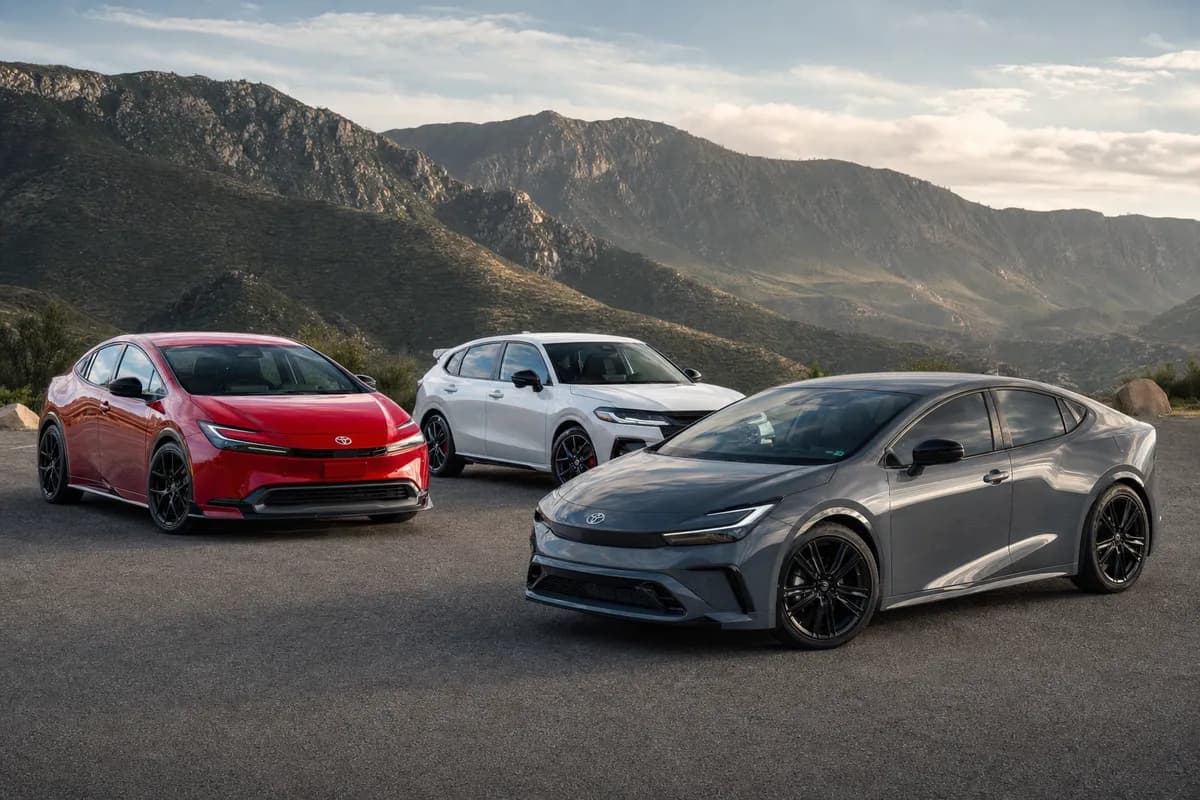
Toyota GR Prius, Civic Hybrid, and Ioniq 6 N-Line owners are building a smarter DIY community with wheel-and-tire swaps, brakes, suspension tuning, and aero mods.
The 2026 enthusiast scene does not look like the tuner era most of us grew up with. It is quieter, smarter, and strangely more hands-on. Owners of the Toyota GR Prius, Honda Civic Hybrid Hatchback, and Hyundai Ioniq 6 N-Line are proving you can chase sharper responses, better looks, and real driver involvement without turning an efficient daily into a rolling punchline.
A new crowd is forming around efficient performance
For years, “hybrid enthusiast” sounded like a contradiction. Now the formula makes sense: instant electric torque, strong chassis tuning from the factory, lower running costs, and enough practicality to justify spending money on upgrades. That is exactly why efficient performance car mods are gaining traction among owners who still want to wrench on weekends.
The appeal is not huge dyno numbers or attention-grabbing body kits. This crowd cares about fun per mpg, OEM-plus styling, and mods that improve steering feel, brake confidence, and tire grip without wrecking range or daily comfort. That mindset is bringing together people who might otherwise have shopped for a GTI, Si, or entry-level sport sedan.
The three vehicles attracting the most conversation are easy to understand. The 2026 Toyota GR Prius brings aggressive factory styling and a more serious chassis attitude to Toyota’s high-efficiency formula. The 2027 Honda Civic Hybrid Hatchback blends Civic practicality with Honda’s polished hybrid system, while the Hyundai Ioniq 6 N-Line gives EV owners a factory sport trim that begs for subtle suspension, wheel, and tire work.
- Toyota GR Prius: the conversation centers on wheel fitment, better tires, firmer brake feel, and mild aero cleanup.
- 2027 Civic Hybrid Hatchback: owners focus on suspension tuning, brake pad upgrades, and lightweight wheel packages that preserve ride quality.
- Hyundai Ioniq 6 N-Line: the community leans toward EV-specific tire choices, aero-efficient wheels, and conservative lowering setups.
Why OEM-plus builds make sense on these cars
The old tuner recipe was easy: lower it hard, fit the biggest wheels you can, add noise, then live with the compromises. That approach does not work well on modern hybrids and efficiency-focused sport trims. Heavy wheels hurt ride and acceleration, sticky but inefficient tires can cut range, and cheap coilovers often make advanced stability and driver-assist systems feel less polished.
That is why OEM plus hybrid enthusiast builds are becoming the default. Owners want upgrades that look like they could have come from the factory development team, not from a late-night online shopping spree. The best builds improve one or two areas at a time and keep the car balanced.
There is also a cost argument here. A set of quality 18-inch wheels with properly chosen summer or all-season performance tires will transform a car more than a questionable exhaust or fake aero package. On these cars, the smart money goes into contact patches, brake feel, alignment, and maintenance before anything flashy.
The new-school enthusiast move is not “How loud can I make it?” It is “How much sharper can I make it without losing what makes it great every day?”
Wheel-and-tire swaps are the gateway mod
If you spend any time around 2026 Toyota GR Prius mods or the growing Hyundai Ioniq 6 N-Line community, one theme shows up constantly: wheels and tires first. Factory wheel packages are often designed around efficiency, cost, and broad-market comfort. A lighter wheel and a better tire can wake up steering response, reduce understeer, and make regenerative braking feel more consistent.
On the GR Prius, many owners are moving toward lightweight 18-inch setups rather than oversized 19s or 20s. That keeps sidewall height reasonable, protects ride quality, and often helps real-world efficiency. A 235-width tire is usually a sweet spot on a sporty hybrid daily: enough grip to matter, but not so much rolling resistance that mpg falls off a cliff.
The 2027 Civic Hybrid Hatchback DIY crowd is likely to follow a similar pattern because Civics have always responded well to wheel-and-tire changes. Expect owners to favor forged or flow-formed wheels in the 17- to 18-inch range, paired with max-performance all-seasons or moderate summer compounds. Honda’s chassis tuning is already good, so the goal is sharper turn-in, not a punishment-grade ride.
The Ioniq 6 N-Line presents a slightly different challenge. EVs are sensitive to wheel weight and aerodynamic drag, and low-rolling-resistance tires are part of the range story. The trick is choosing an EV-friendly performance tire and a wheel design that does not completely give away the slippery aero advantage Hyundai engineered into the car.
- Best wheel strategy: lightweight, moderate diameter, factory-friendly offset.
- Best tire strategy: prioritize steering feel and wet grip before chasing ultimate width.
- Worst mistake: oversized wheels that add weight, tramlining, and range loss.
Brakes, suspension, and aero mods that actually improve the drive
Brake upgrades on these cars are less about huge calipers and more about confidence. Hybrids and EVs rely heavily on regenerative braking, so the friction brakes may see uneven use and can feel numb when pushed. Better pads, stainless lines, and higher-quality fluid often deliver more usable improvement than a flashy big-brake kit.
That matters on the GR Prius and Civic Hybrid Hatchback in particular. A performance-oriented street pad can clean up initial bite and help the pedal feel more natural during spirited back-road driving. If you are planning autocross or repeated mountain runs, fresh fluid should be near the top of the list.
Suspension tuning is where tasteful builders separate themselves from trend chasers. A mild drop from quality springs or a properly valved coilover setup can reduce body motion and sharpen transitions, but these cars do not need to be slammed to feel good. In fact, preserving suspension travel is crucial if you want grip on real roads instead of smooth parking-lot pavement.
Alignment is the secret weapon. A touch more negative camber up front, zeroed-out slop in the rear, and a careful toe setting can make a hybrid hatch or sleek EV sedan feel far more eager. It is not glamorous, but it is one of the highest-value modifications any owner can make.
Aero mods need restraint. Front lips, understated side extensions, and tidy rear spoilers can complement the look of the GR Prius or Ioniq 6 N-Line, but only if they follow factory lines and avoid fake vents or exaggerated fins. The whole point of this movement is to add style without advertising poor judgment.
- Smart brake upgrades: street-performance pads, quality fluid, stainless lines.
- Smart suspension upgrades: mild lowering springs, matched dampers, conservative coilover settings.
- Smart aero upgrades: subtle lip kits, clean spoilers, underbody-friendly designs.
- Skip: cheap coilovers, decorative canards, oversized wings, and drilled bargain rotors.
The DIY culture is as important as the parts
What makes this trend interesting is that it is not just about products. Owners are sharing tire-efficiency logs, alignment specs, brake service tips, and wheel-weight comparisons with the same intensity older forums once reserved for turbo builds. The tone is more collaborative than competitive, and that is good for the hobby.
These cars also reward basic maintenance discipline. Keeping hybrid cooling systems clean, watching brake corrosion on regen-heavy vehicles, maintaining proper tire pressures, and checking software updates are all part of modern enthusiast ownership. Wrenching now means a blend of old-school mechanical habits and new-school systems awareness.
That is especially true for the Civic Hybrid Hatchback and GR Prius, where owner communities are likely to build out DIY guides for suspension installs, brake services, and wheel fitment fast. The Ioniq 6 N-Line scene will probably lean more into data tracking, efficiency testing, and EV-specific tire and alignment experimentation. Different flavors, same spirit.
This is also a more mature kind of enthusiast culture. Many of these owners are not building a second car for Cars and Coffee. They are improving the car that handles school runs, traffic jams, road trips, and weekend canyon blasts all in one week.
Verdict: this may be the healthiest car community trend of the decade
The rise of the GR Prius, Civic Hybrid Hatchback, and Ioniq 6 N-Line crowd shows that enthusiasm does not depend on noise, fuel consumption, or throwback stereotypes. It depends on whether a car invites you to care about how it drives, how it feels, and how it can be improved with intelligent effort. These three do exactly that.
The best builds in this space will not be the loudest ones. They will be the cars with lighter wheels, smarter tires, better pads, dialed-in alignments, and subtle aero that looks factory-authentic. That is the sweet spot for efficient performance car mods, and it is why this community is growing fast.
If you have been waiting for a new kind of project car culture, this is probably it. Call it practical enthusiasm, call it OEM-plus, call it fun-per-mpg. Whatever the label, the new efficient-performance scene looks like it is here to stay.
Affiliate disclosure: This article contains affiliate links. RevvedUpCars may earn a small commission on qualifying purchases at no extra cost to you.