Explore the geopolitics of EV sourcing, Mazda MX-30's exit, and how Chinese EVs affect affordability and North American auto jobs. Read more now!
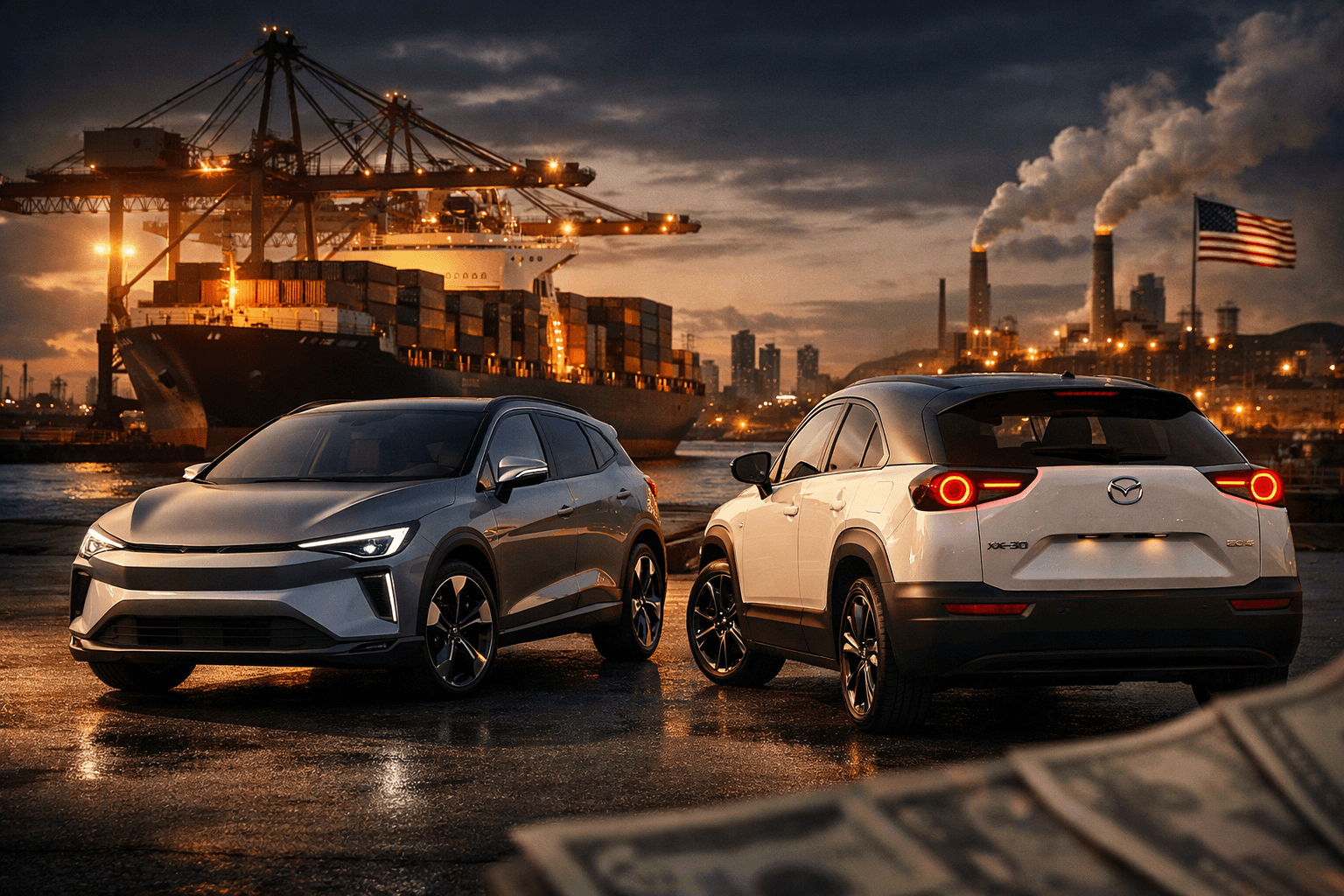
Here’s a take that’ll spill your pint: the future of affordable electric cars in North America might arrive on a boat with Chinese characters on the manifest. I’ve driven enough half-baked compliance EVs to know desperation when I see it, and right now the industry’s panic is spelled Chinese EVs Canada. When a Chinese ambassador is openly pitching EVs as job-saving heroes while Mazda quietly shuffles the MX-30 out the back door, you know the geopolitics have muscled their way into the showroom.
This matters right now because EV affordability isn’t an abstract policy debate—it’s the difference between a $35,000 electric crossover and a $55,000 science project with vegan leather. Canadians are being courted as the soft landing for Chinese-built EVs, while the U.S. doubles down on tariffs like they’re armor plating. Meanwhile, Mazda’s MX-30 exit from Europe is a canary in the lithium mine, wheezing because nobody wanted a 100-mile EV with the pace of a damp sponge.
I’ve driven dozens of EVs across Canada and the U.S., from the Tesla Model Y to the Chevy Equinox EV, and here’s the uncomfortable truth: the stuff coming out of China is often cheaper, better packaged, and frighteningly competent. That’s why Chinese EVs Canada isn’t just a headline—it’s a looming fork in the road for North American jobs, pricing, and pride.
Quick Specs
- Starting Price: approximately $35,000 (check manufacturer website for latest pricing)
- Engine: Single electric motor
- Power: 143 hp / 200 lb-ft
- 0-60 mph: 9.2 seconds
- Fuel Economy: approximately 100-mile range (EPA equivalent)
Chinese EVs Canada and the Ambassador With a Sales Pitch
When a Chinese ambassador starts talking about EVs and Canadian manufacturing in the same breath, it’s not diplomacy—it’s a pitch deck. The logic is brutally simple: build or assemble Chinese EVs in Canada, keep sticker prices sane, and dangle thousands of jobs like a shiny key fob. It’s already being whispered about in Windsor, as detailed in our breakdown of the Canada-China EV factory talks.
Here’s my hot take: Canada should listen, but with a lawyer in the room and a torque wrench in hand. Companies like BYD and SAIC aren’t charity cases; they’re global juggernauts that eat margin for breakfast. If Canada can extract jobs, tech transfer, and supply-chain security, that’s a win—but blind optimism would be lazier than a throttle response tuned by accountants.
Mazda MX-30 Europe Exit: A Case Study in How Not to Do EVs
The Mazda MX-30 was charming in the way a concept car is charming—until you try living with it. Roughly 100 miles of real-world range, 143 horsepower, and rear-hinged doors that feel like a prank get old fast. Europeans voted with their wallets, and Mazda listened by quietly pulling the plug.
Against rivals like the Hyundai Kona Electric, Peugeot e-2008, and Tesla Model Y, the MX-30 felt like it showed up to a marathon in loafers. Mazda claims it was about “urban use cases,” which is corporate code for “we ran out of battery budget.” If anything, the MX-30’s failure proves EV affordability without usability is pointless.
Why EV Affordability Is Now a Political Weapon
EV affordability has become the new battleground, and tariffs are the chosen blunt instrument. The U.S. leans on 25% import duties, a move we’ve covered in our analysis of how tariffs boost Tesla. Canada, by contrast, is flirting with being the reasonable middle child.
Here’s the controversial bit: protecting domestic automakers at all costs is how you end up with overpriced mediocrity. Competition is the gym membership legacy automakers desperately need. If Chinese EVs Canada forces Ford, GM, and Stellantis to sharpen their pencils and their software, consumers win.
Jobs, Batteries, and the Reality Nobody Likes
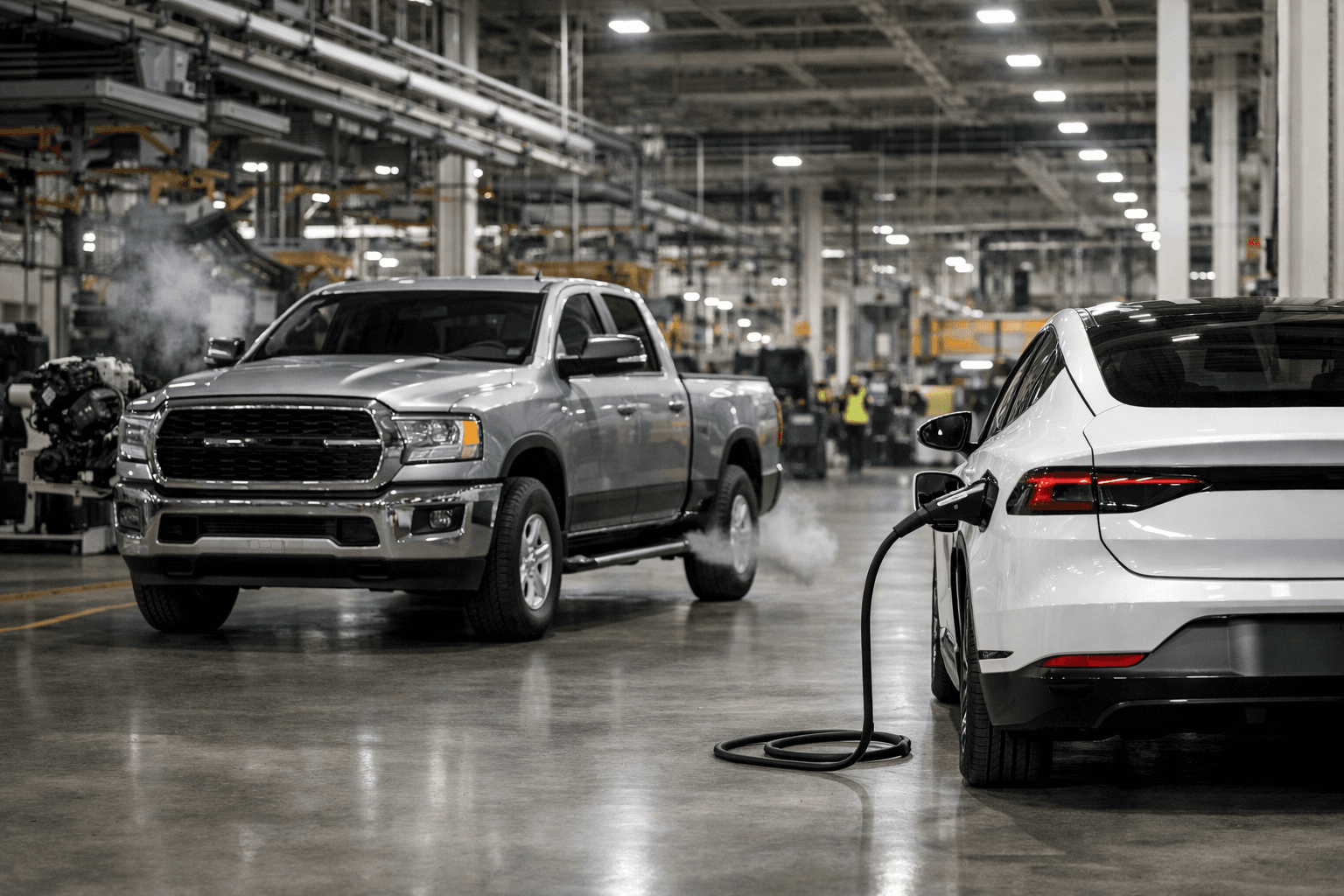
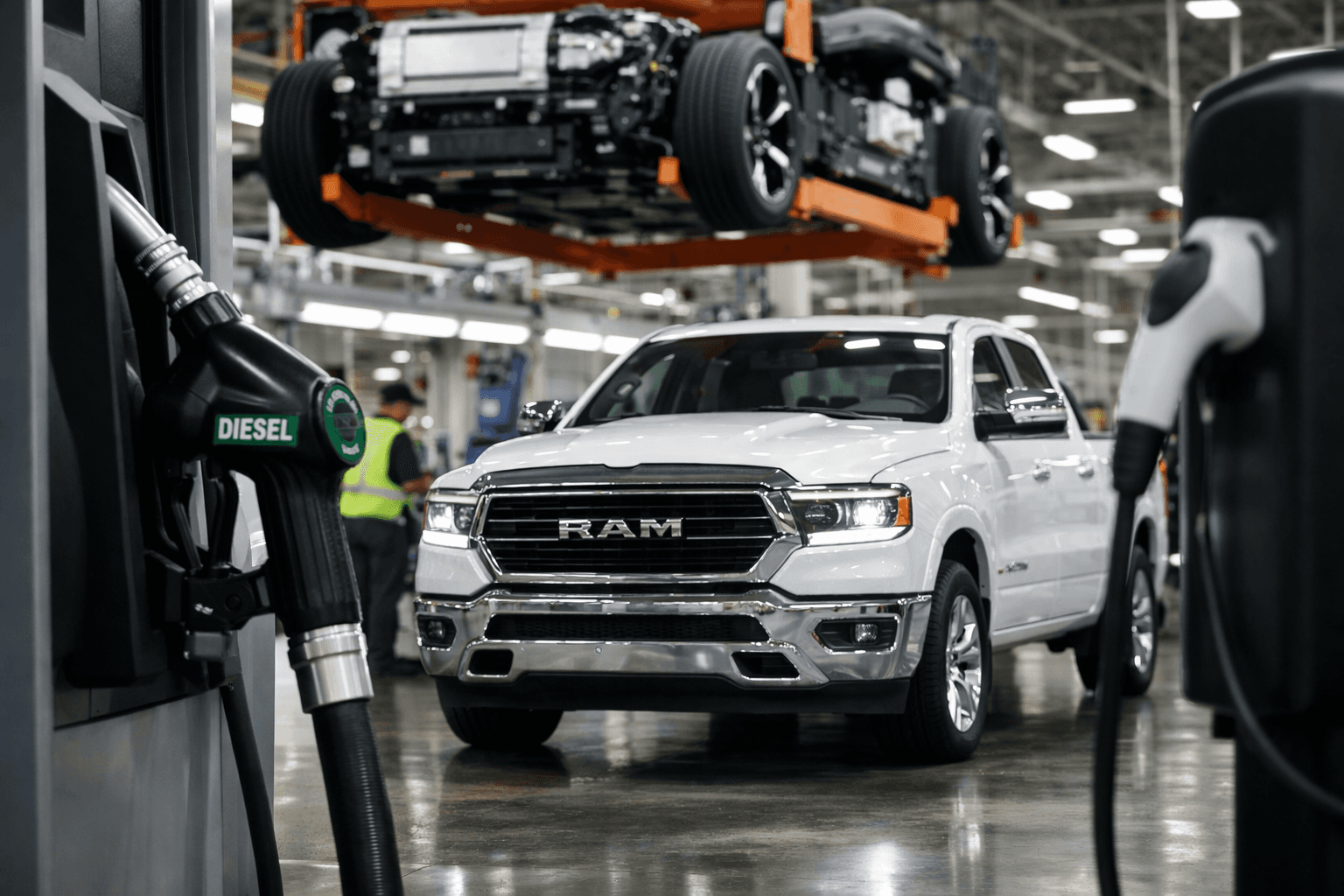
North American EV jobs are real, valuable, and politically radioactive. Battery plants promise thousands of roles, but they also rely on global supply chains that don’t respect borders. Pretending we can wall ourselves off from Chinese expertise is like thinking you can build a V8 without ever looking at a crankshaft diagram.
For a deeper look at the environmental and labor complexity, revisit our deep dive on EV production realities. The dirty secret is that “local” EVs still have very international DNA. The question isn’t whether Chinese parts are involved—it’s how transparent and fair that involvement is.
How Chinese EVs Stack Up Against Familiar Faces
I’ve sampled Chinese-market EVs that would make a Chevy Equinox EV blush: 300-plus miles of range, slick infotainment, and prices starting around $30,000. BYD’s Atto 3, for example, undercuts a Hyundai Kona Electric while offering more rear-seat space and faster charging.
Are they perfect? No. Some software feels like it was translated by a caffeinated robot, and brand trust takes time. But pretending they’re all knockoff toys is delusional, especially when some accelerate to 60 mph in under 7 seconds and don’t creak like a budget Ikea wardrobe.
Policy Choices That Will Shape Your Next Car Payment
Government incentives, tariffs, and sourcing rules decide whether your next EV payment is $450 or $750 a month. Canada’s openness could mean genuinely affordable options without waiting for a miracle from Detroit. The U.S. approach bets everything on domestic scale arriving fast enough.
If you actually own an EV in winter, you already know policy doesn’t warm batteries—knowledge does. Our EV cold weather guide remains essential reading regardless of where your car was built.
The Safety and Regulation Reality Check
Any EV sold here still has to pass safety and efficiency scrutiny. That means NHTSA crash standards and EPA-style range testing, not vibes and promises. You can check benchmarks at NHTSA.gov and efficiency data via FuelEconomy.gov.
Mazda, for its part, still insists electrification is central to its future, just not via half-hearted efforts like the MX-30. Their official stance lives on Mazda’s global site, where you’ll notice a lot more talk about hybrids and range-extenders.
Pros
- Potentially lower EV prices starting around $30,000–$35,000
- Serious pressure on legacy automakers to improve value
- Opportunity for Canadian manufacturing jobs
- Faster adoption of EVs through real affordability
Cons
- Political backlash and tariff uncertainty
- Concerns over data, software, and long-term support
- Risk of hollowing out domestic R&D if mishandled
RevvedUpCars Rating: 8/10
Best for: Buyers and policymakers who care more about affordable, usable EVs than waving a flag at the charging station.
The exit of the Mazda MX-30 from Europe and the aggressive courtship of Chinese EVs Canada are two sides of the same coin. One shows what happens when you undercook an EV; the other hints at what happens when you overprotect an industry. Get the balance right, and the roads get cheaper, cleaner, and more interesting—get it wrong, and we’ll be paying luxury money for mediocrity while the rest of the world drives past, silently and smugly.
Get the latest car reviews in your inbox
Join thousands of car enthusiasts. No spam, unsubscribe any time.




Comments
Leave a comment