Explore whether electric SUVs still offer value after recent price hikes. Compare costs, range, incentives, and resale—read our buying guide to decide.
In this article
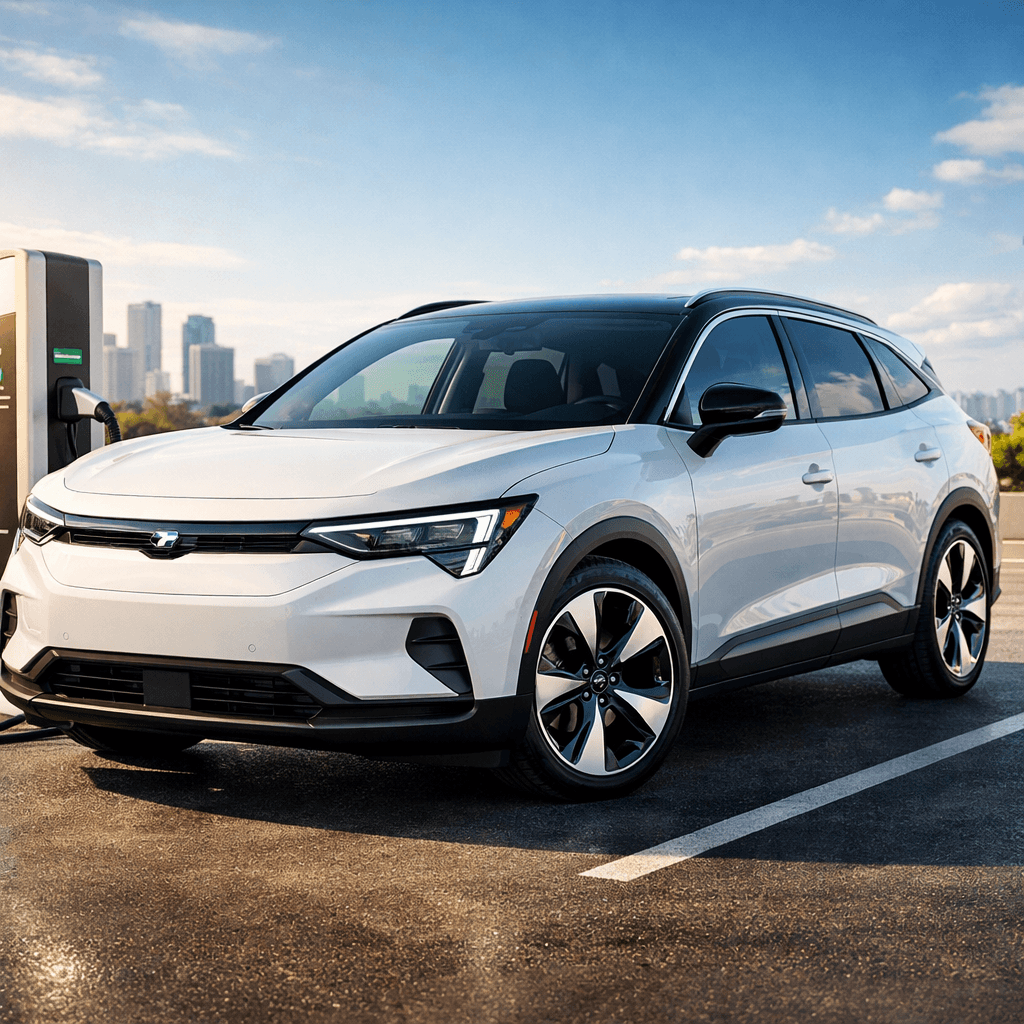
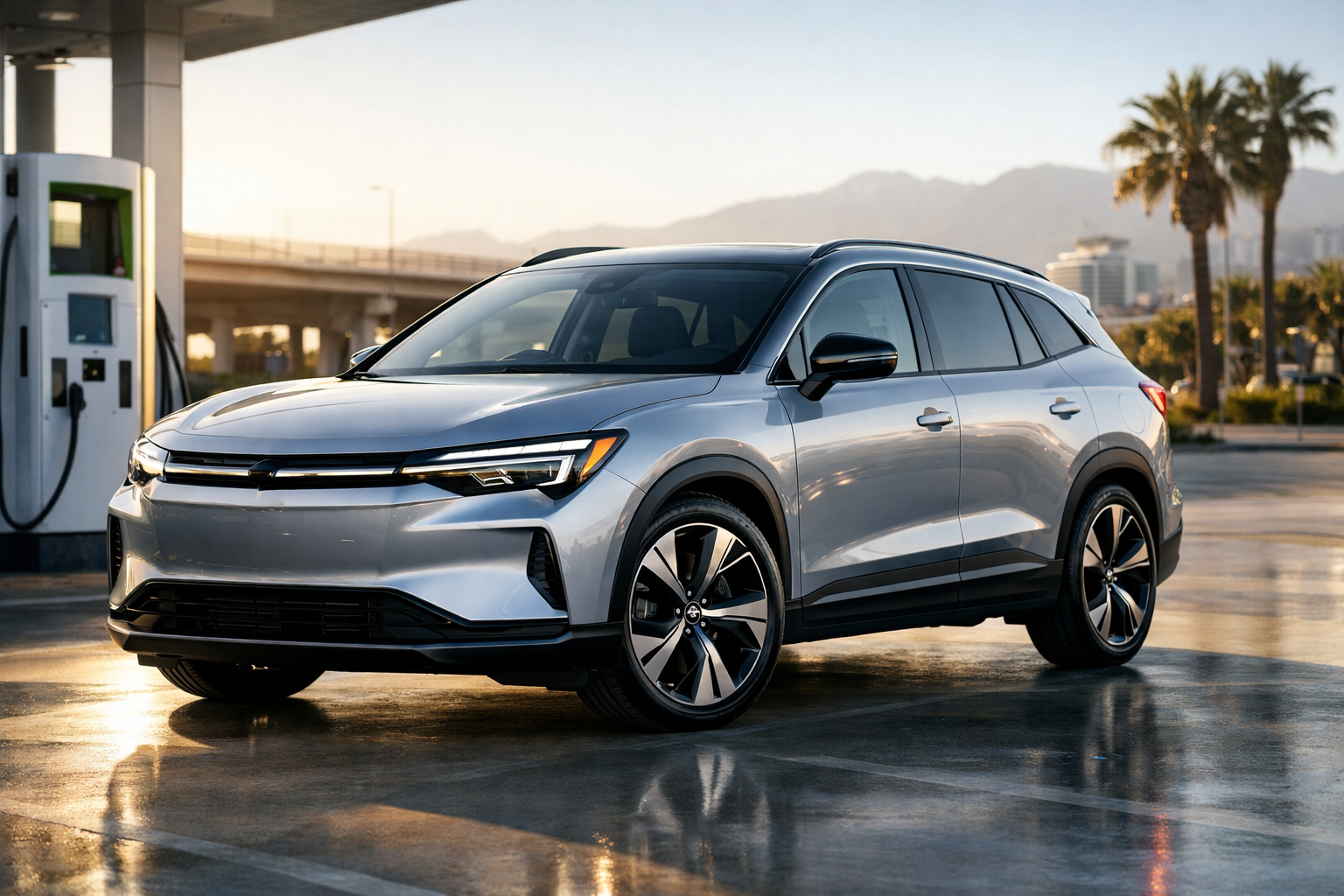
$70,000 used to buy you a German V8 SUV with change for fuel and regret. Now it barely gets you a mid-spec electric SUV with optional wheels and a waiting list. That’s why the question of electric SUV value isn’t academic anymore—it’s personal, especially if you’re staring at a configurator wondering when cars quietly became luxury watches.
I’ve driven dozens of electric SUVs since 2019, from early Tesla Model Xs with panel gaps you could post a letter through, to polished newcomers like the Hyundai Ioniq 5 and BMW iX. Prices have crept up, incentives have slithered away, and suddenly the EV math doesn’t look so smug. If you’re shopping in 2026, this matters right now because the price hikes have fundamentally changed who these cars make sense for.
So let’s have a proper pub-table argument: are electric SUVs still good value after price hikes, or have they crossed into “tech bro toy” territory? I’ll name names, quote numbers, and upset at least one PR department along the way.
Why Electric SUV Value Took a Hit
The short version: batteries got pricier, interest rates stayed punchy, and manufacturers discovered people would still pay. Lithium prices spiked, supply chains stayed fragile, and suddenly that “from $49,999” slide at the press launch quietly became “starting around $56,000—check manufacturer website for latest pricing.” Funny how that happens.
Take the Tesla Model Y, once the poster child for EV affordability. In 2023 you could snag one in the low $50Ks; by 2025-2026, depending on trims and incentives, you’re often closer to $58,000. Add rivals like the Ford Mustang Mach‑E, Volkswagen ID.4, and BMW iX3, and you’ll see a pattern: prices climbed faster than range or performance improved.
The Real Cost Beyond the Sticker
This is where YouTubers like Alex on Autos and Doug DeMuro get it right—price is only half the story. Electricity is still cheaper than premium fuel in most states, and maintenance remains laughably low. No oil changes, fewer brake jobs, and zero “why is my check engine light on?” drama.
But insurance premiums on electric SUVs can be brutal, especially for models with aluminum bodies and expensive sensors. I’ve seen quotes for a Model X Plaid that would make a Range Rover owner spit out their pint. If you want the full breakdown on hidden ownership expenses, our deep dive on Luxury Car Ownership Costs: 2026 Breakdown is required reading.
Performance: Still a Bargain in Horsepower-per-Dollar?
Here’s the bit that still makes EVs feel like a cheat code. A Kia EV9 GT-Line does 0–60 mph in about 5.0 seconds with roughly 379 hp, starting around $56,000. To match that shove in an ICE SUV, you’re shopping BMW X5 40i, Audi Q7, or Mercedes GLE—most of which cost more once you tick a few boxes.
Advertisement
Throttle response remains instant, addictive, and occasionally antisocial. The problem is that straight-line pace is now expected, not special. When everyone’s quick, value shifts toward ride quality, steering feel, and range—areas where some electric SUVs still feel like first drafts.
Range Anxiety vs Reality in 2026
Let’s be honest: range numbers are still optimistic fiction. A “300-mile” EPA rating often becomes 240 miles when you’re doing 75 mph in winter with the heater on. That’s not a dealbreaker, but it does chip away at electric SUV value if you road-trip often.
Charging infrastructure has improved, but it’s uneven. Tesla’s Supercharger network remains the gold standard, while CCS networks can feel like a lottery. For official range and efficiency data, FuelEconomy.gov remains the most sober source.
Value Compared to Gas and Hybrid Rivals
This is my controversial hot take: for many buyers, hybrids are now the smarter buy. A Toyota Grand Highlander Hybrid or Lexus TX Hybrid delivers 30–34 mpg, massive range, and zero charging faff. They’re not exciting, but neither is waiting 40 minutes for a charger at 9 p.m.
Against gas rivals like the Mazda CX‑90, Volvo XC90, and Acura MDX, electric SUVs still win on smoothness and urban efficiency. But when prices climb past $65,000, the value gap narrows fast—especially if you don’t charge at home.
Depreciation: The Silent Wallet Killer
Early EVs dropped value like a dropped iPhone. That’s improving, but depreciation remains a risk, particularly with rapid tech updates. Nobody wants yesterday’s battery chemistry when tomorrow’s promises 10% more range.
If resale matters, brands with strong reliability reputations fare better. Our analysis in Reliable Cars: The Smart Luxury Choice explains why boring dependability often beats flashy innovation.
Who Still Gets Good Electric SUV Value?
If you can charge at home, drive under 200 miles a day, and plan to keep the car five years or more, electric SUVs still make sense. Electricity plus low maintenance can claw back thousands over time, especially versus premium gas SUVs.
But if you rent, road-trip constantly, or swap cars every three years, the math gets ugly. In that case, read our broader market advice in Is a New Car Worth It? 2026 Market Guide before signing anything.
The Manufacturer Spin vs Reality
Every press release now says “democratizing electric mobility” while quietly hiking prices. I’ve lost count of how many times I’ve heard “premium repositioning,” which is corporate for “we realized we could charge more.”
To keep yourself sane, always cross-check claims with official sources like NHTSA for safety ratings and the manufacturer’s own site—Tesla, Ford, Hyundai—because incentives change monthly.
Pros
Instant performance rivals much pricier gas SUVs
Lower running and maintenance costs over time
Quiet, refined driving experience
Improving charging infrastructure
Cons
Higher upfront prices after recent hikes
Insurance and depreciation can sting
Value drops fast without home charging
RevvedUpCars Rating: 7.5/10
Best for: Buyers with home charging who value performance and smoothness over long-distance convenience.
So, are electric SUVs still good value after price hikes? The honest answer is “sometimes.” Electric SUV value hasn’t vanished, but it’s no longer automatic—you have to earn it with the right lifestyle and expectations. Buy smart, ignore the buzzwords, and remember: the best car deal is the one that fits how you actually drive, not how the ad says you should.
Disclosure: This article may contain affiliate links. If you make a purchase through these links, we may earn a small commission at no extra cost to you. This helps support RevvedUpCars.com. Learn more.
Every press release says democratizing electric mobility while quietly hiking prices.
Affiliate disclosure: some links on this page earn us a commission at no extra cost to you.
Alex Torque is a lifelong gearhead who grew up in Detroit with motor oil in his veins. After a decade as a performance driving instructor at Laguna Seca and the Nurburgring, he traded his racing helmet for a keyboard—though he still logs track days whenever possible. Alex specializes in sports cars, supercars, and anything with forced induction. His reviews blend technical precision with the visceral thrill of pushing machines to their limits. When he’s not testing the latest performance machines, you’ll find him restoring his 1973 Datsun 240Z or arguing about optimal tire pressures. Alex believes that driving should be an event, not a commute.
Get the latest car reviews in your inbox
Join thousands of car enthusiasts. No spam, unsubscribe any time.



Comments
Leave a comment