Explore how Windsor EV factories could benefit from the Canada-China EV deal, reshaping the auto supply chain. Learn about key factory locations—act now!
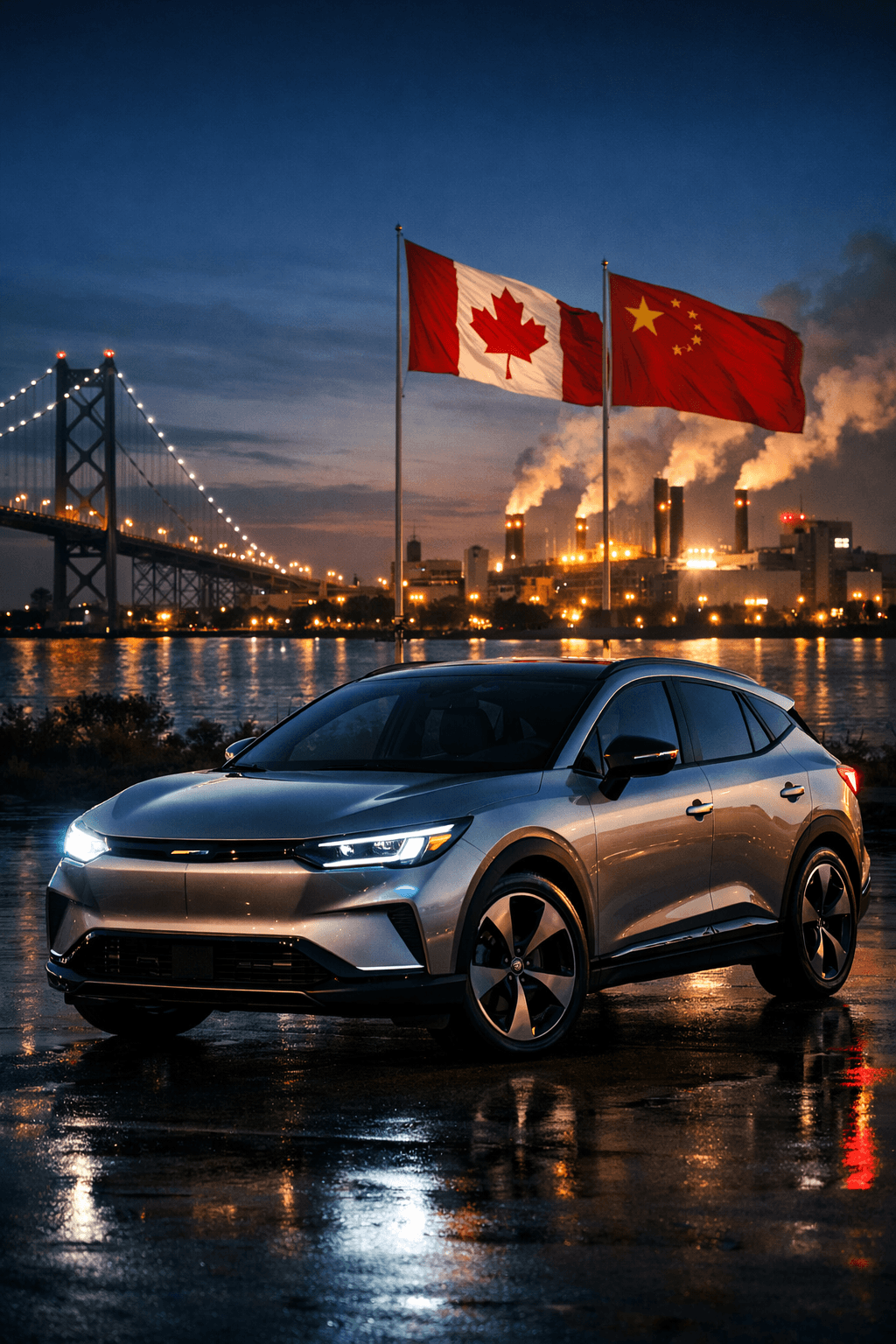
Imagine a world where Windsor becomes the new Detroit, but for electric vehicles (EVs). Wild thought? Maybe not. With talks of Canada-China EV deals simmering on the global stage, Windsor's auto supply chain could be gearing up for an electrifying future. For gearheads and green warriors alike, this could be the pivot point where Canadian craftsmanship meets Chinese technological prowess in the EV arena. Why should you care? Because this could redefine where your next zero-emission chariot is born, shaking up the auto industry's global pecking order.
Every enthusiast knows that the heart of any vehicle isn't the logo on the grille—it's what lies under the hood and, increasingly, how it bolsters our battered environment. With the Windsor EV factories potentially entering the limelight thanks to the Canada-China EV deal, we're not just talking about new job opportunities; we're talking about a seismic shift in the auto supply chain landscape and what that means for the cars of tomorrow. So, buckle up as we explore this electrifying prospect.
The Heartbeat of Windsor: A Legacy in Manufacturing
Diving into Windsor's storied past, it's evident that this border city isn't a stranger to the rumblings of engine blocks being forged and chassis welded to perfection. Windsor’s automotive roots run deep, echoing the robust heritage of yesteryear's muscle cars. But as the tides turn towards sustainable transportation, could Windsor's factories, with a fresh infusion of Canada-China EV synergy, become the crucible for the next generation of electric vehicles?
Canada-China EV Deal: A New Era for Electrification
The Canada-China EV deal isn't just a handshake over green tea and maple syrup; it's a strategic alliance that could supercharge the EV market. With China's tech-savvy approach to EVs and Canada's rich resources and skilled labor, this deal promises to lay down new tracks for the auto supply chain, guiding it towards a future where clean air doesn't come with a premium tag.
Windsor EV Factories: Turning Dreams into Driveways
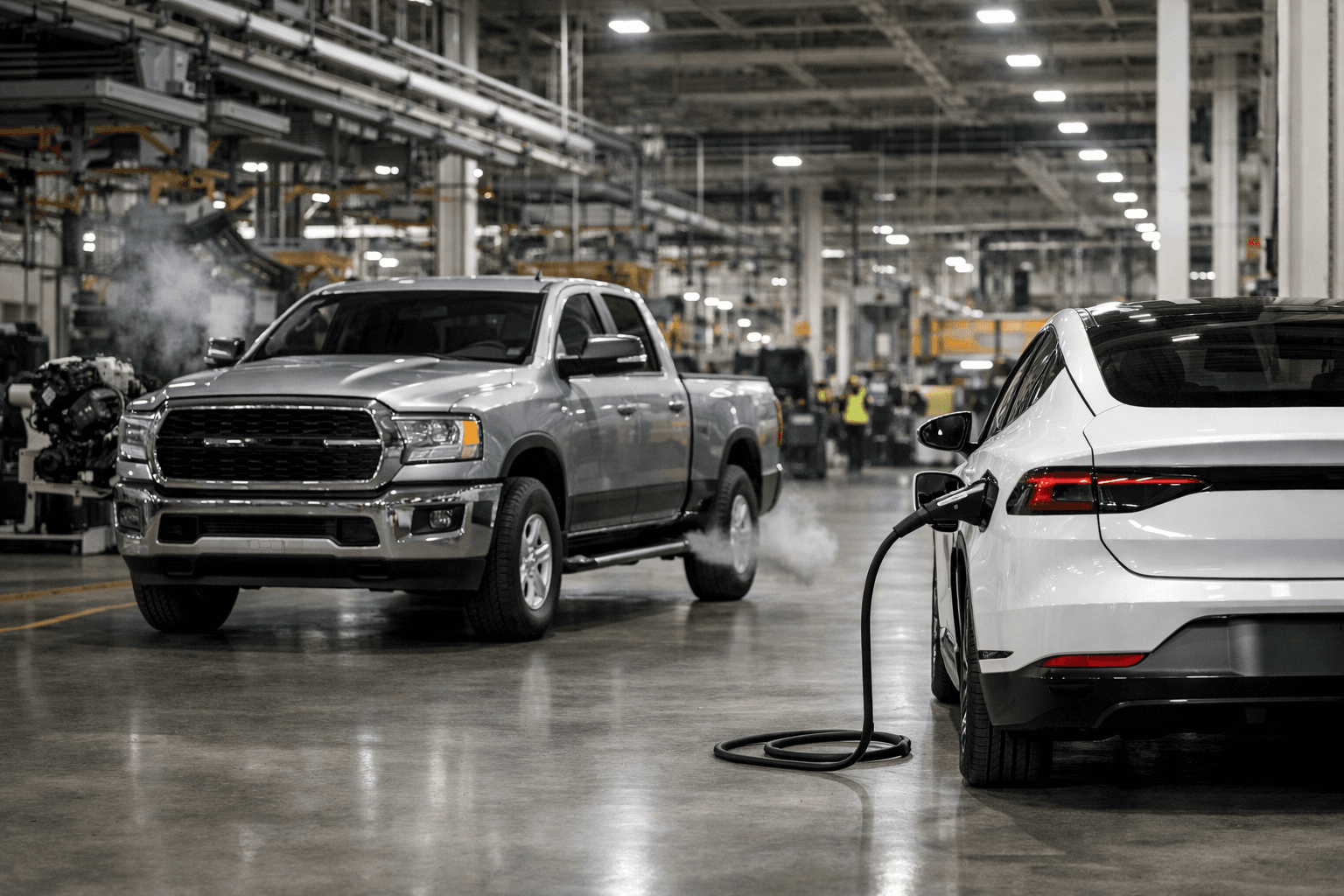
In the heart of potential Windsor EV factories lies the possibility of transforming ideas into tangible, drivable marvels. Windsor's manufacturing prowess, combined with Chinese innovation in battery technology and electric drivetrains, could significantly cut down on the environmental debt we're accruing with every internal combustion engine car that rolls off the line. This city could very well morph into the birthplace of vehicles that are kinder to our planet.
Impact on the Auto Supply Chain
Think of the auto supply chain as a sprawling octopus. Windsor's insertion into the EV equation could stimulate its tentacles, reaching suppliers, tech companies, and workers across North America and beyond. This isn't just about converting steel into sleek EVs; it's about wiring a new ecosystem that supports sustainable transportation solutions. From battery manufacturers to software developers, the ripple effect of Windsor's EV factories could be profound.
Challenges and Opportunities
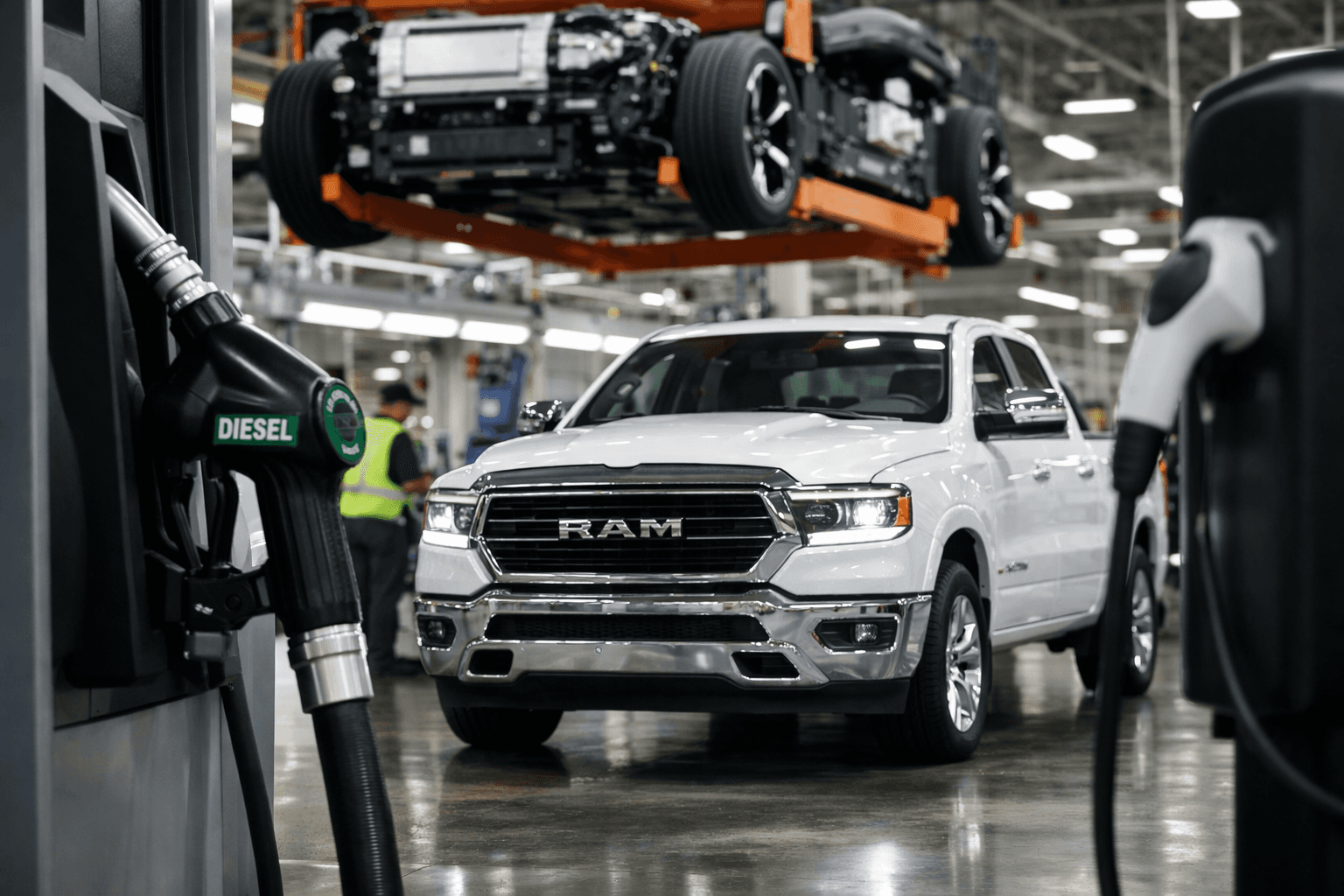
Of course, this road to electrification isn't without its potholes. The auto industry is notoriously resistant to change, and shifting gears towards EV production will test Windsor's adaptability and innovation. But within these challenges lie golden opportunities: to lead the charge in EV technology, to reskill a workforce for the jobs of tomorrow, and to etch Canada's name into the annals of environmental champions.
The Global Race for EV Dominance
Let's not sugarcoat it—the global race for EV dominance is more cutthroat than a Ferrari F80 blasting down the Autobahn. In this high stakes game, Windsor's prospective EV factories, energized by the Canada-China deal, could catapult Canada from an underdog to a frontrunner. With every major player from Tesla to the resurrected ghost of Saab eyeing supremacy, Windsor's emergence as an EV hub could be Canada's wild card.
Looking Ahead: Futureproofing Windsor's Legacy
Looking into the crystal ball, Windsor's leap into EV manufacturing under the Canada-China deal isn't just a flash in the pan—it's a potential legacy in the making. Futureproofing the city's auto industry means intertwining its historic manufacturing might with the frontier technologies of electric vehicles. This isn't merely about preserving jobs; it's about evolving them to thrive in tomorrow's economy.
So, here's the spark plug of truth: Windsor's potential transformation into a powerhouse for EV production could redefine not only its local economy but also the global auto supply chain landscape. And while the roar of V8s may give way to the hum of electric motors, the spirit of innovation and horsepower obsession remains unchanged. In a world yearning for cleaner skies, Windsor's move could prove that when given the chance, legacy cities can indeed lead the charge into a greener future. Remember, sometimes the most revolutionary roads are those paved with intention and innovation, not just asphalt.
Get the latest car reviews in your inbox
Join thousands of car enthusiasts. No spam, unsubscribe any time.





Comments
Leave a comment