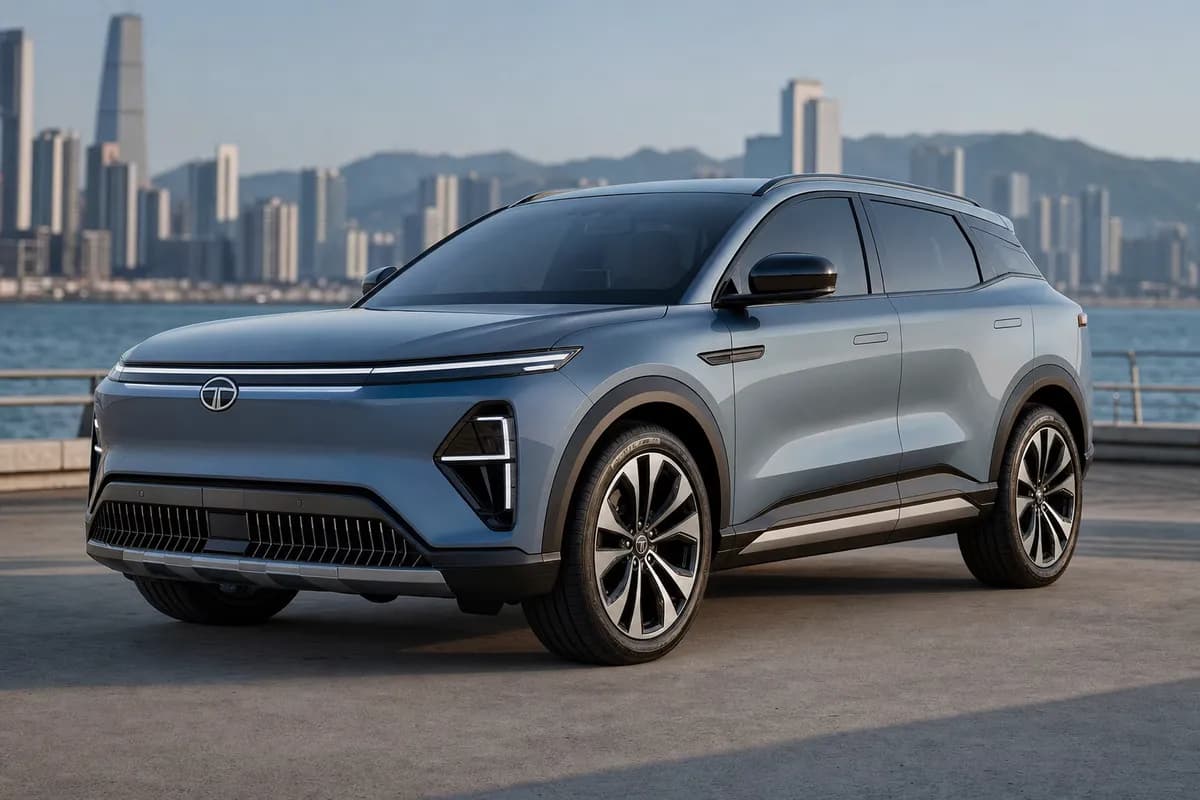
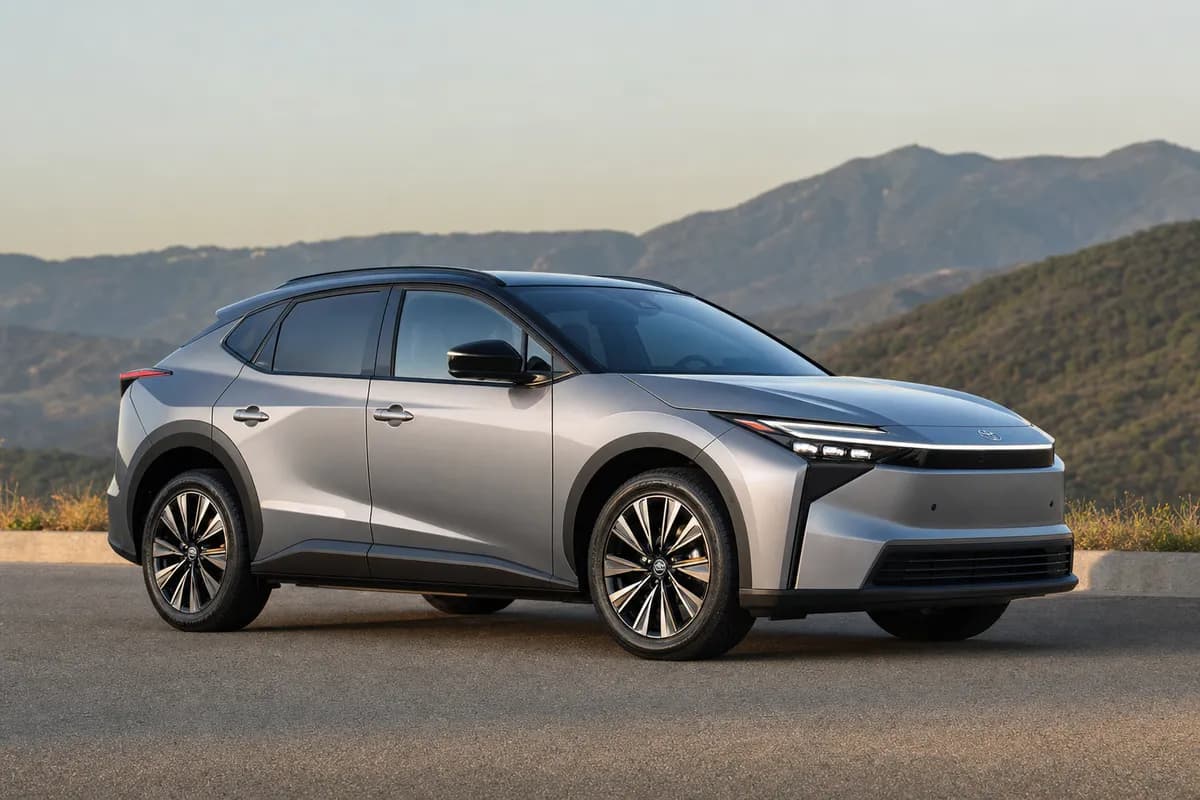
A reported Tata-Chery tie-up for a premium EV SUV in June 2026 could reshape 2027 Tata SUVs and challenge BYD, Hyundai, and Mahindra.
Tata Motors appears ready to make a pragmatic move as India’s EV race gets tougher: borrow Chinese technology where it helps and move faster. A report that Tata is tapping Chery know-how for a new premium electric SUV points to a sharper reality in June 2026. Speed now matters almost as much as brand.
Why the reported Tata-Chery link matters now
The reported Tata Chery premium EV June 2026 tie-up is significant because it suggests Tata wants to compress development time in the most contested part of the market. India’s largest EV passenger-vehicle player built its early lead with relatively affordable models such as the Nexon EV, Tiago EV, and Punch EV. But the next phase of the market is shifting upward, toward larger, more sophisticated SUVs with better range, faster charging, and more advanced software.
That is where competitive pressure is rising fastest. Mahindra has been pushing hard with its INGLO-based electric SUVs, Hyundai is expanding its India EV play with stronger global architectures behind it, and BYD continues to set the benchmark on battery integration, drivetrain efficiency, and feature content. If Tata believes Chery EV platform technology can shave months off engineering work, that is less a surprise than a sign of how unforgiving the market has become.
For Tata, this would also fit a broader industry pattern. Carmakers increasingly mix in-house design, outsourced subsystems, and licensed architectures to get products to market faster. In 2026, the line between “domestic” and “foreign” technology matters less than whether an automaker can deliver a compelling product at the right price, with reliable supply and local manufacturing depth.
What Chery could bring to a 2027 Tata electric SUV
Chery has spent years building out EV and electrified-vehicle architectures for its domestic and export markets. That gives it a useful toolbox: skateboard-style platforms, e-axles, electrical architecture, battery-pack packaging know-how, thermal management, and software integration. For Tata, the appeal would be clear if the goal is a 2027 Tata electric SUV aimed above today’s volume offerings.
The key point is not that Tata would simply rebadge a Chery product. A more likely path would be technology licensing, component sharing, or platform assistance that Tata could adapt for Indian conditions, local sourcing, and its own design language. That would allow Tata to protect brand identity while reducing engineering risk in areas where Chinese suppliers and automakers now hold a real edge.
Areas where Chery EV platform technology could help include:
- Dedicated EV packaging: Longer wheelbase, flatter floor, and better cabin space than converted ICE-based products.
- 800V-ready electrical systems: Useful for faster DC charging and higher efficiency, especially in premium segments.
- Battery integration: Better pack density, cooling, and structural packaging.
- Software and domain control: Faster development of connected features, ADAS functions, and energy-management systems.
- Supplier access: A quicker route to proven motors, inverters, semiconductors, and cell-related components.
If Tata is targeting a larger SUV for 2027, those gains could matter more than headline range alone. Buyers in the premium EV segment increasingly expect 500 km-class claimed range, strong real-world efficiency, 20-to-80% fast-charging in roughly 25 to 35 minutes, and interiors that feel digitally modern. Tata has strengths in design, pricing, and market understanding, but premium EV buyers are less forgiving when core hardware falls short.
How India’s 2026 EV market is redrawing alliances
The bigger story in India EV industry news is that alliances are becoming more fluid. India’s EV market in 2026 is no longer defined only by first-mover advantage or subsidy-led demand. It is being shaped by technology cycles, battery sourcing, software capability, and the growing gap between mass-market EVs and premium EVs.
Tata still has meaningful scale advantages in India, especially through local manufacturing, supplier relationships, and showroom reach. But Mahindra has become much more credible in premium electric SUVs, while Hyundai and Kia can draw on global group architectures and electronics. BYD, meanwhile, remains the disruptive reference point because of its vertical integration across batteries, power electronics, and vehicle platforms.
That changes the strategic math for Indian automakers. Building everything alone can preserve control, but it can also slow product cadence and raise development costs. Partnering for key EV subsystems can improve speed, though it brings political, regulatory, and reputational complications, especially when Chinese technology is involved.
Several forces are pushing Indian carmakers toward selective external partnerships:
- Development timelines: New EV architectures take years to validate.
- Battery economics: Cell chemistry, pack design, and thermal systems are moving quickly.
- Software demands: Premium EVs increasingly compete on user interface, updates, and energy management.
- Scale pressure: Global players can spread R&D costs over more markets.
- Consumer expectations: Indian buyers now compare local products against global benchmarks, not just local rivals.
In that context, a reported Tata-Chery technology relationship would not be an outlier. It would be another example of automakers using cross-border engineering to stay relevant in a market where product cycles are tightening and customer tolerance for compromise is shrinking.
What this says about global EV supply chain 2026 realities
The reported move also says a lot about the global EV supply chain 2026. Despite efforts in India, Europe, and North America to diversify sourcing, Chinese companies still occupy critical positions in batteries, rare-earth processing, motors, electronics, and EV platform engineering. Even where final assembly is local, the technical DNA of many EVs remains globally intertwined.
That does not automatically mean full dependency on Chinese imports. In many cases, automakers want the architecture, subsystem know-how, or engineering support first, then localize production step by step. For Tata, a technology-driven arrangement could allow high-value components and software building blocks to come from an experienced partner while local plants and suppliers handle increasing shares of manufacturing over time.
This matters in India because policymakers want faster EV adoption, stronger domestic manufacturing, and less vulnerability to imported energy. But those goals can conflict in the short term. If the quickest way to launch a competitive premium EV involves Chinese-derived technology, automakers may accept that trade-off while they work to localize cells, electronics, and supply chains later.
The supply-chain logic is straightforward:
- Use proven external technology to cut time to market.
- Launch into a fast-growing premium segment before rivals lock in customers.
- Localize components where volume and policy support make it viable.
- Retain control over design, branding, pricing, and aftersales execution.
That approach carries risks. Geopolitical scrutiny can intensify. Import dependence can hurt margins. Integration work can be harder than expected. Still, the alternative is also risky: spend too long building a fully native stack while rivals arrive sooner with better hardware.
Can Tata use this to beat BYD, Hyundai, and Mahindra?
The answer depends on execution, not just access to technology. A Tata premium electric SUV for 2027 will need more than a credible platform. It will need pricing discipline, reliable quality, competitive charging performance, and a noticeably more premium cabin and software experience than Tata’s current mainstream EV range.
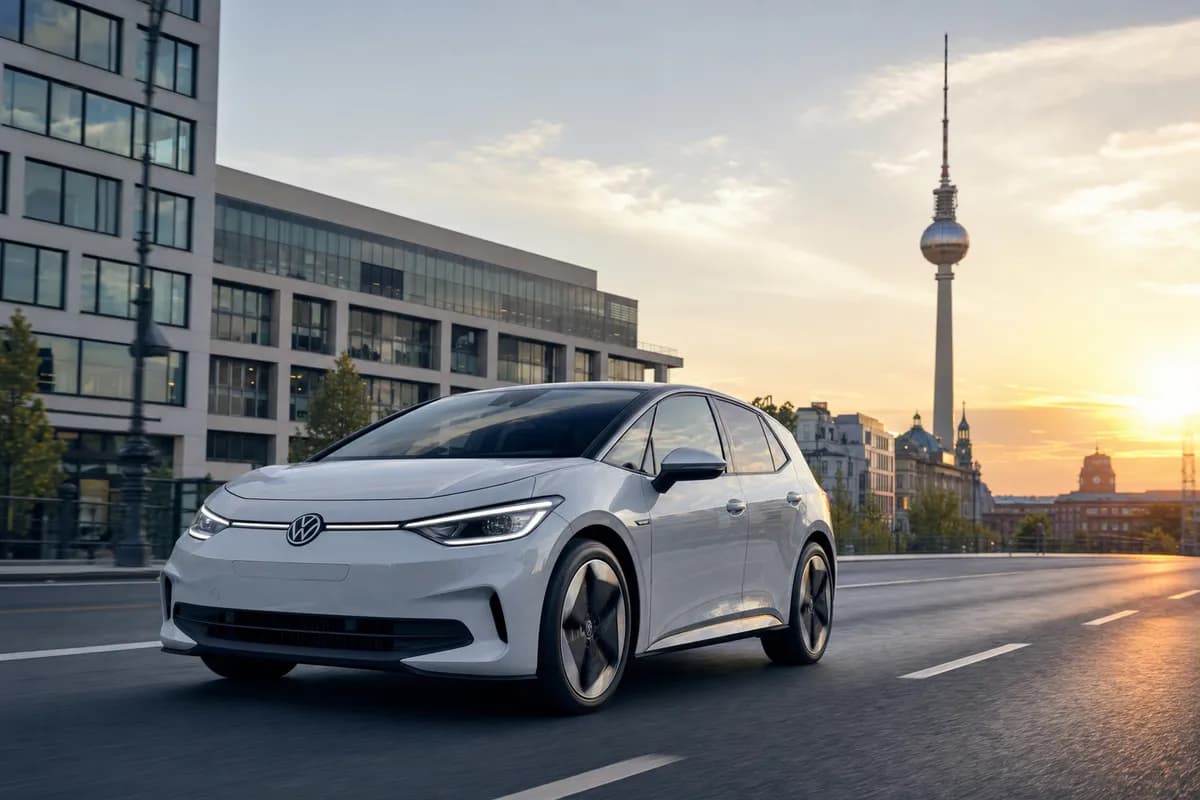
The benchmark set is demanding. BYD’s strength is system-level efficiency and battery cost control. Hyundai brings mature global EV engineering and a polished user experience. Mahindra has momentum, a clearer premium-EV identity than it once did, and products designed specifically to change perceptions of the brand.
For Tata, a Chery-assisted program could work if it delivers in four areas:
- Range and charging: Enough to compete with global-brand EVs, not just domestic rivals.
- Interior quality: Materials, screens, and fit-finish must match the price point.
- Software stability: Connected features are only useful if they work consistently.
- Localization: Costs must come down fast enough to avoid premium pricing without premium cachet.
If those boxes are ticked, Tata could use external technology the way many successful automakers do: as a shortcut to competitiveness, not a substitute for product definition. If not, the market will notice. Premium EV buyers are much less patient than early adopters in the sub-Rs 20 lakh segment.
Verdict
The reported Tata-Chery connection is not just about one SUV. It is about how far Indian automakers may need to go to stay in the fight as EV competition intensifies. In June 2026, the message is clear: alliances once seen as awkward are becoming practical tools in a market where time, software, and battery technology increasingly decide winners.
For Tata, using Chery EV platform technology could be a smart, unsentimental move if it helps produce a genuinely competitive premium electric SUV by 2027. It would underline a larger truth about the industry: in the modern EV race, national identity still matters, but execution matters more.
Affiliate disclosure: This article contains affiliate links. RevvedUpCars may earn a small commission on qualifying purchases at no extra cost to you.