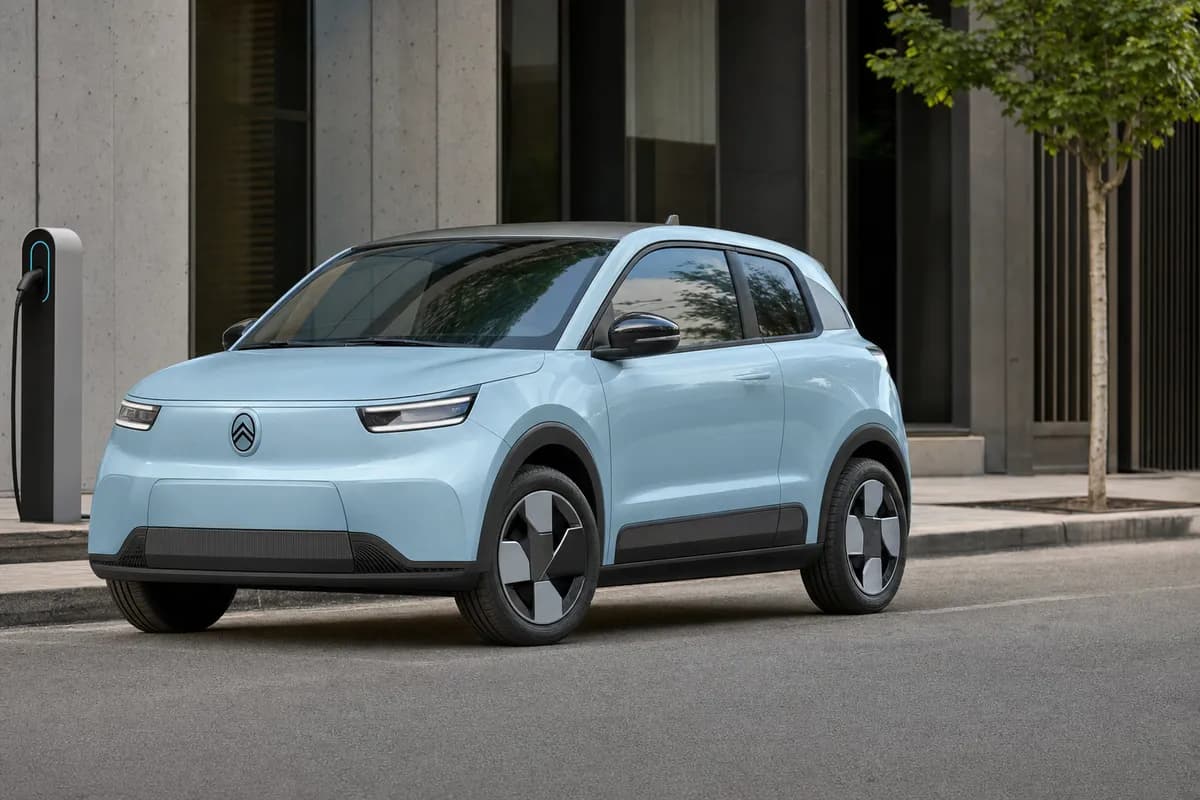
Stellantis is planning a low-cost small electric car for Europe, with 2027 Fiat, Citroën, Opel, and Peugeot models in sight.
Stellantis says it is working on a new small, low-cost electric car project aimed at Europe. That matters because for many buyers, today’s mainstream EVs are still too expensive. If this plan lands on time, 2027 could be the year Fiat, Citroën, Opel, and Peugeot finally put real pressure on the market’s next price war.
Stellantis’s June 2026 affordable EV move is really about 2027 buyers
The Stellantis affordable EV 2026 announcement comes at a tense moment for Europe’s car market. EV adoption is still growing, but private buyers remain highly price sensitive, and many have delayed switching because monthly payments stay too high. For mainstream brands, the problem is no longer just range or charging. It is the upfront cost.
Stellantis has not framed this as a halo-car program or a niche city quadricycle. The point is broader volume. The group wants a small battery-electric platform and cost structure that can support mass-market cars across its core European brands, including Fiat, Citroën, Opel, and Peugeot.
That gives the project much bigger implications than a single model launch. If Stellantis can engineer a profitable A- or B-segment EV family for 2027, it could reset expectations for what buyers should pay for an entry-level electric hatchback in Europe.
Why affordable EVs are still missing from Europe’s mainstream market
European carmakers have talked for years about democratizing electric mobility. In practice, many so-called affordable EVs still land well above the price point of the small petrol cars they are meant to replace. Once options are added, many models move beyond the reach of budget-conscious households.
The current market shows the gap clearly. Cars such as the Citroën ë-C3 and Fiat Grande Panda Electric have pushed prices lower, but truly cheap battery-electric cars remain rare. Even when list prices look competitive, buyers still face higher financing costs, uncertain residual values, and insurance bills that can erase the headline saving.
For 2027 budget buyers, the target is straightforward: an EV that feels like a normal supermini or small hatchback, not a compromised compliance car, with usable range and a monthly payment close to a petrol equivalent. That is the benchmark Stellantis now has to hit.
- Price pressure: Europe’s EV incentives have been reduced or removed in several markets.
- Cost mismatch: Battery prices have fallen, but not enough to fully close the gap with small ICE cars.
- Consumer caution: Private buyers are more payment-driven than fleet operators.
- Residual value concerns: Used EV pricing remains volatile in parts of Europe.
That is why a new low-cost project matters more than another premium crossover. Europe does not have a shortage of €40,000 electric SUVs. It has a shortage of convincing sub-€25,000 EVs from brands buyers already know.
What Fiat, Citroën, Opel, and Peugeot buyers should watch for
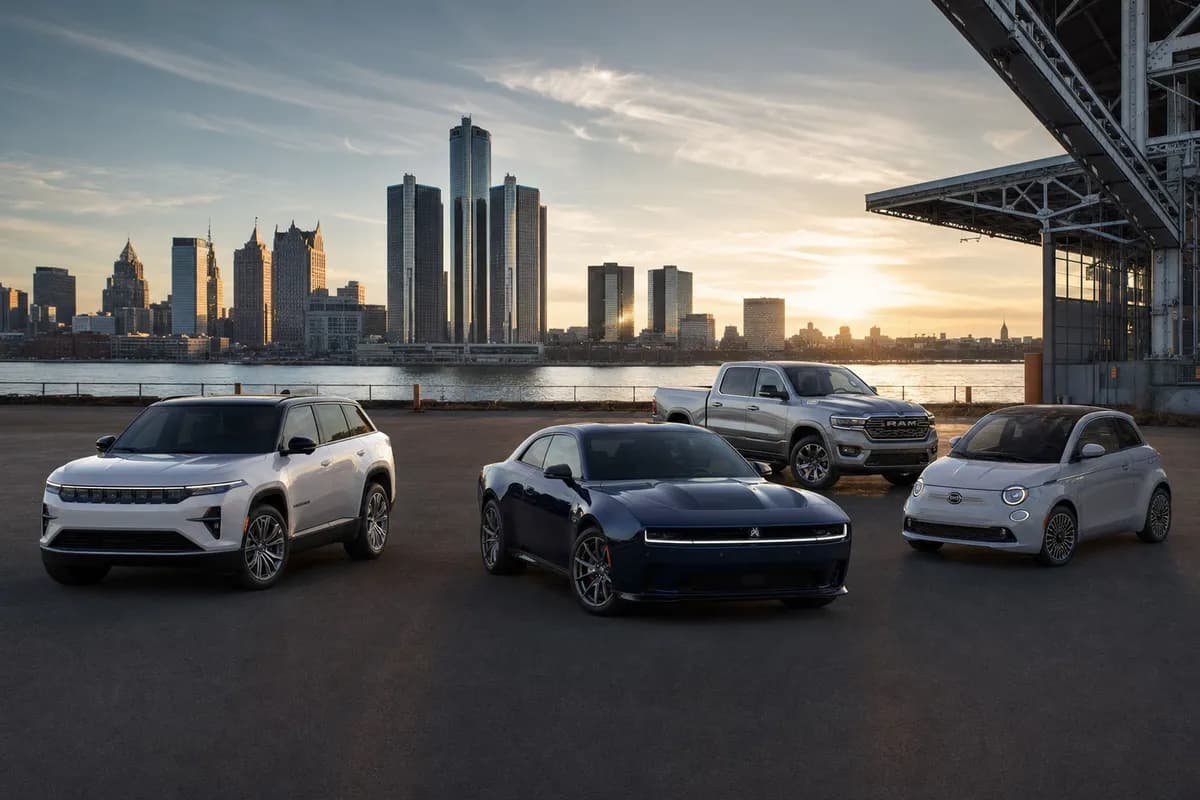
Stellantis has a major advantage over some rivals: scale. It already spreads platforms, software, components, and factories across multiple brands. If this new effort builds on that logic rather than starting from scratch, it could deliver faster and with less engineering duplication.
For buyers, the key question is not whether the cars will exist. Stellantis already has small EV experience through models such as the Citroën ë-C3, Fiat 500e, Peugeot E-208, Opel Corsa Electric, and Fiat Grande Panda Electric. The real issue is whether the next wave can be made cheap enough without shrinking battery size, cabin space, or equipment to the point where the value case falls apart.
Here is what shoppers should expect Stellantis to focus on if the 2027 plan is serious:
- Smaller batteries, smarter packaging: likely around the range sweet spot for urban and suburban use rather than oversized packs.
- LFP chemistry: lower-cost lithium iron phosphate cells are increasingly central to affordable EV economics.
- Fewer trims and simpler options: less complexity means lower production and inventory cost.
- Shared hard points across brands: one architecture, several design identities.
- European production footprint: politically and commercially important as tariffs and local sourcing pressure rise.
Brand positioning will matter too. Fiat and Citroën are the most obvious candidates to lead on entry-level price. Opel and Peugeot may aim for slightly more equipment or a more polished finish while using the same basic technology set.
That could create a ladder within the same project. One architecture. Different brand characters. Broadly similar cost discipline.
Chinese EV competition is forcing Europe’s next price war
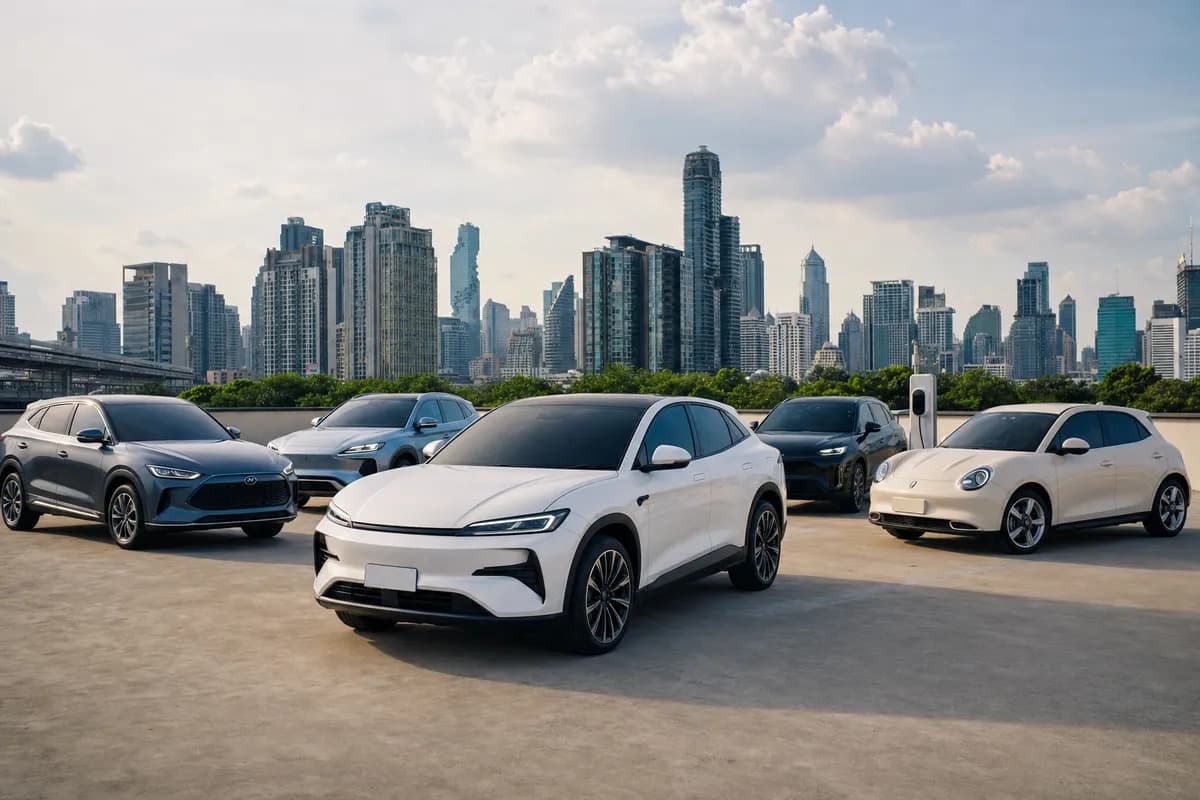
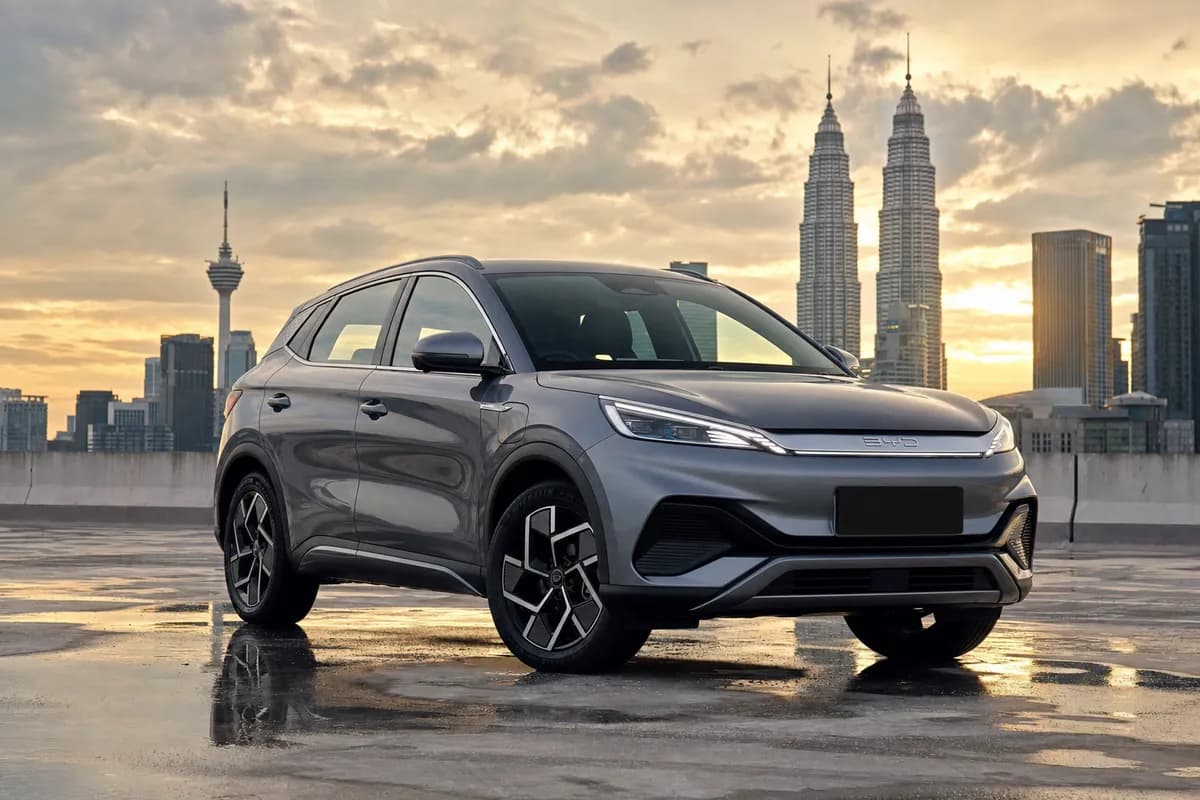
The timing of Stellantis’s move is no accident. Chinese EV competition Europe has changed the market, even with tariffs and political pushback. Brands such as BYD, MG, Leapmotor, and others have shown that lower-cost electric cars can still be sold with acceptable equipment, decent software, and modern interiors.
MG has been especially effective in Europe by turning value into a mainstream selling point rather than a bargain-basement compromise. BYD, meanwhile, continues to expand its lineup and dealer footprint. Leapmotor has a special relevance here because Stellantis already has a close tie-up with the Chinese startup through Leapmotor International, giving the group a direct view into low-cost EV development and sourcing pressure.
That creates both an opportunity and a risk. Stellantis can learn quickly from Chinese cost structures and product planning. But it also knows that if Fiat, Citroën, Opel, and Peugeot do not move downmarket fast enough, Chinese rivals will keep taking share in the most price-sensitive parts of Europe.
The likely result is a cheap electric car price war that will not look like the Tesla-led cuts of 2023 and 2024. This next phase will be fought in smaller cars, not large crossovers, and with manufacturing efficiency rather than software prestige as the deciding factor.
- Chinese brands’ strength: aggressive pricing, battery sourcing, rapid development cycles.
- European brands’ strength: dealer networks, local trust, fleet relationships, regulatory familiarity.
- What buyers gain: more equipment and lower transaction prices as competition intensifies.
- What buyers risk: fast depreciation if list prices keep falling.
Can Stellantis really deliver genuinely affordable 2027 budget electric cars in Europe?
It can, but only if it avoids three common mistakes. First, it cannot treat “affordable” as a marketing line for a car that starts low and quickly climbs with options. Second, it cannot launch too late. Third, it cannot assume brand loyalty will protect it if Chinese competitors undercut it by several thousand euros.
The strongest case for success is that Stellantis already has many of the building blocks in place. It has volume brands. It has existing EV platforms. It has purchasing scale. It has a growing understanding of low-cost EV economics, both from Europe and through its Chinese partnerships.
The weak point is execution. Stellantis has sometimes looked sprawling, with too many brands and uneven product clarity. In a price-sensitive segment, complexity is expensive. A winning 2027 program will need disciplined engineering, tight feature control, and production plans that keep fixed costs low.
Buyers should also stay realistic about what “budget” means in 2027. A genuinely affordable EV in Europe may still not match the cheapest small petrol cars on sticker price alone. The goal is more likely to be a competitive total cost of ownership and a transaction price that no longer feels like a major premium for going electric.
Verdict: This project matters because Europe’s mainstream EV credibility is on the line
Stellantis’s June 2026 low-cost EV project is more than a product teaser. It is a test of whether Europe’s legacy volume brands can still lead the mass market in the electric era. For 2027 budget electric cars Europe, that is the real story.
If Fiat, Citroën, Opel, and Peugeot can turn this into practical, well-equipped small EVs at prices ordinary households can justify, Stellantis will strengthen its position just as the market gets tougher. If not, Chinese challengers will keep advancing, and Europe’s mainstream brands will look increasingly stuck between premium ambitions and budget reality.
For buyers, the message is simple. Wait for the details, not the slogan. Battery size, charging speed, standard equipment, and real transaction pricing will decide whether this Fiat Citroen Opel Peugeot EV push becomes the breakthrough Europe has been promised for years, or just another near-miss in the race for the affordable electric car.
Affiliate disclosure: This article contains affiliate links. RevvedUpCars may earn a small commission on qualifying purchases at no extra cost to you.